

Hypoponera tristis
- Scientific Name
- Hypoponera tristis
- Tribe
- Ponerini
- Subfamily
- Ponerinae
- Author
- Bolton & Fisher, 2011
- Distribution
- Found in 3 countries
Hypoponera tristis Overview
Hypoponera tristis is an ant species of the genus Hypoponera. It is primarily documented in 3 countries , including Rwanda, Uganda, Zambia. Detailed taxonomic data and occurrence records can be further explored via authoritative databases such as AntWeb or the Global Biodiversity Information Facility (GBIF).
Hypoponera tristis
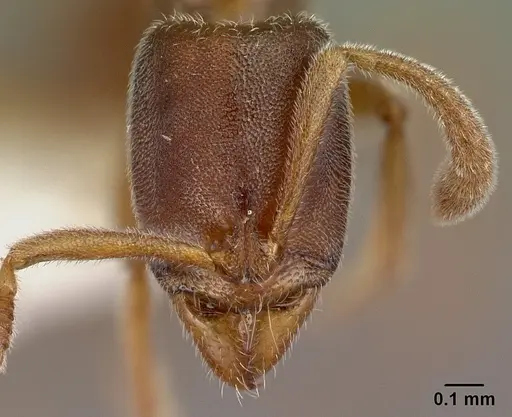
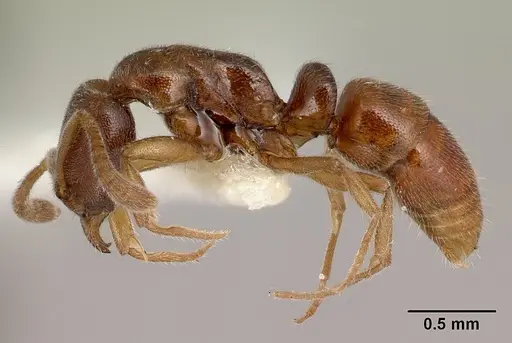
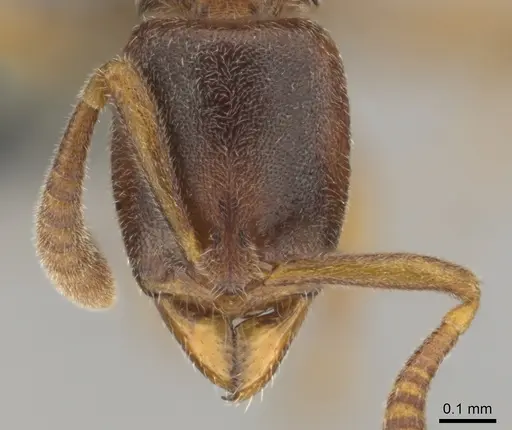
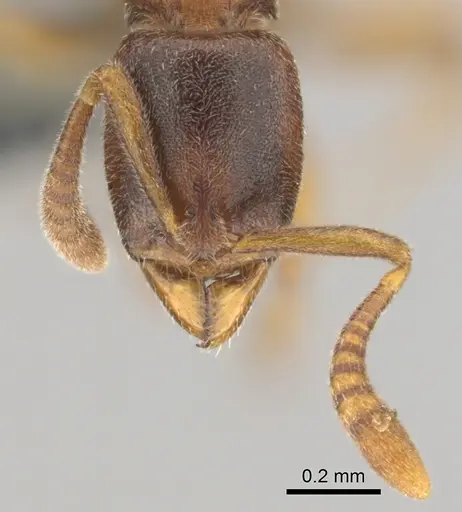
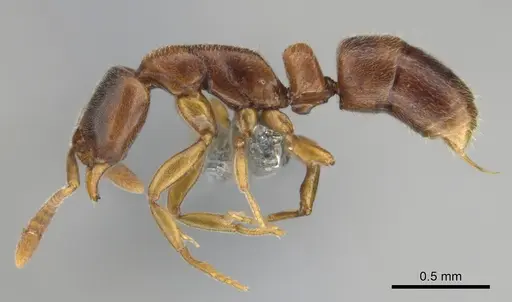
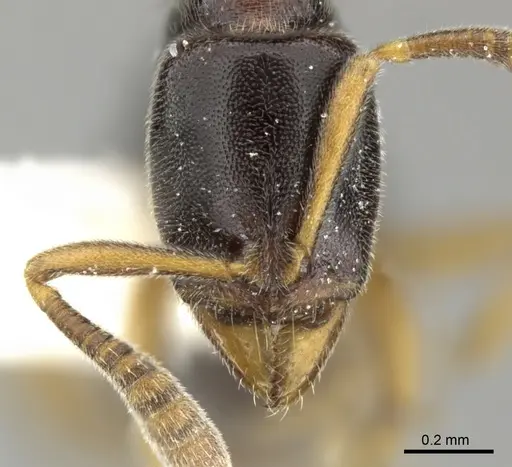
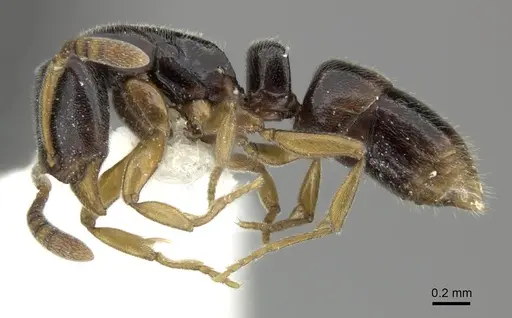
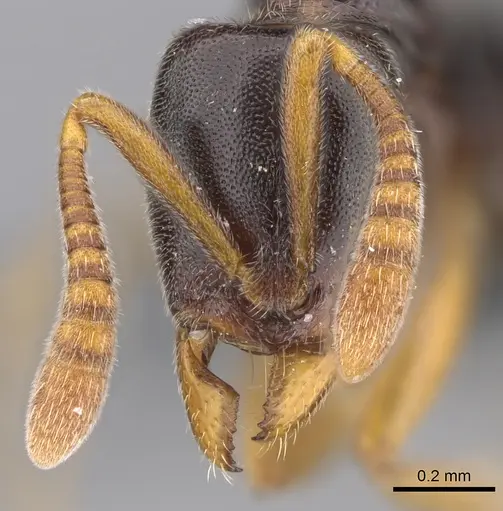
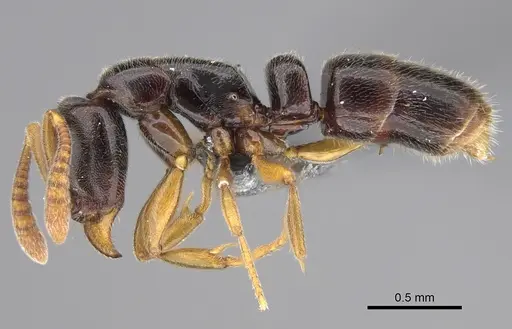
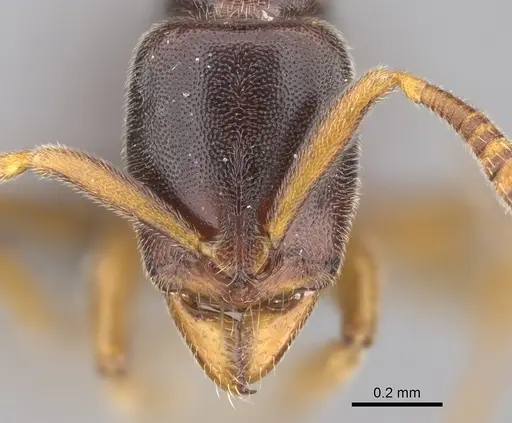
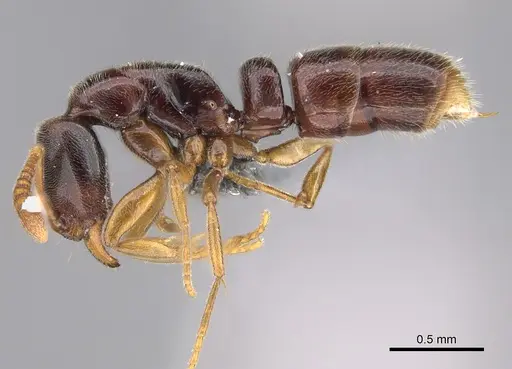
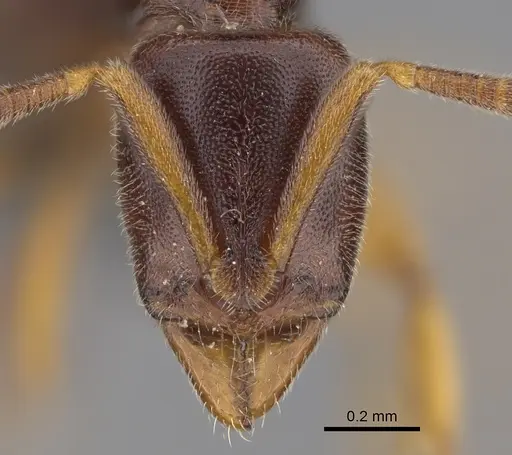
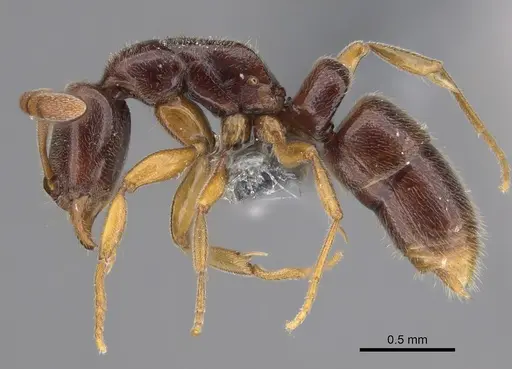
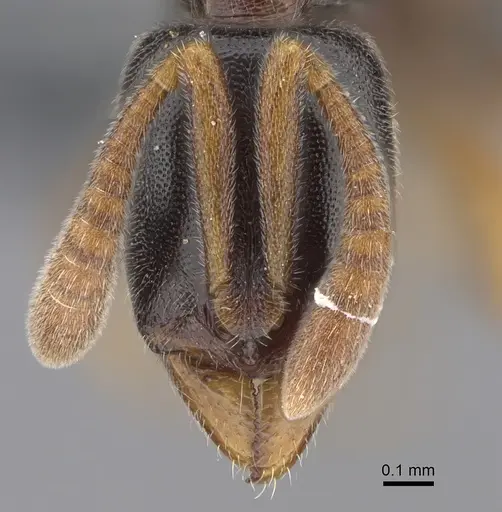
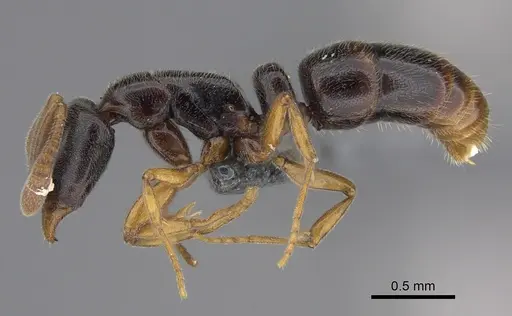
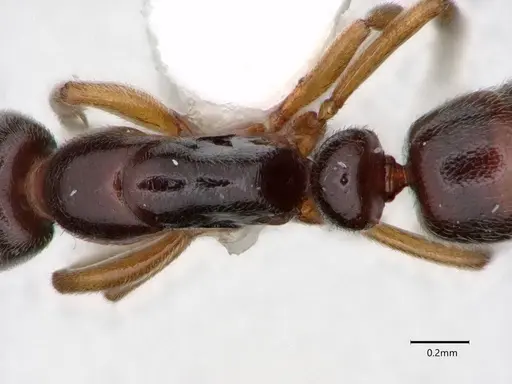
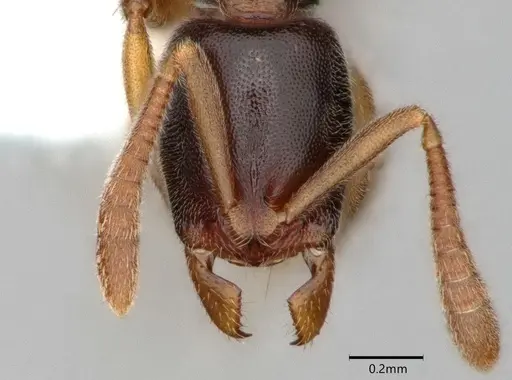
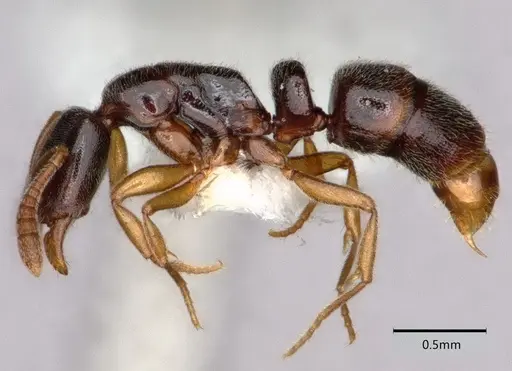
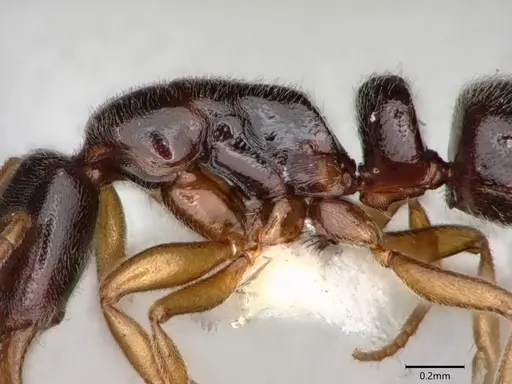
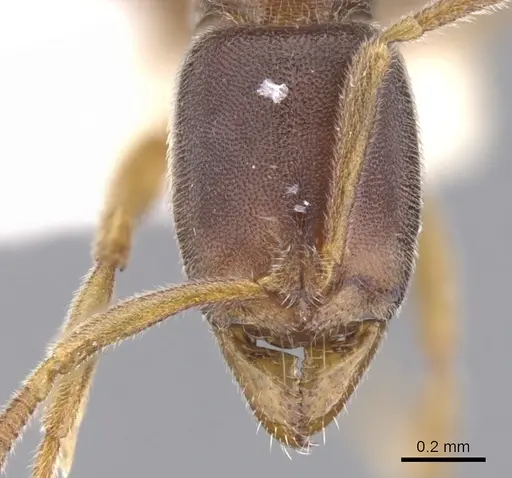
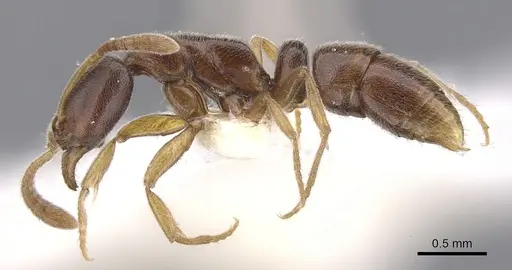
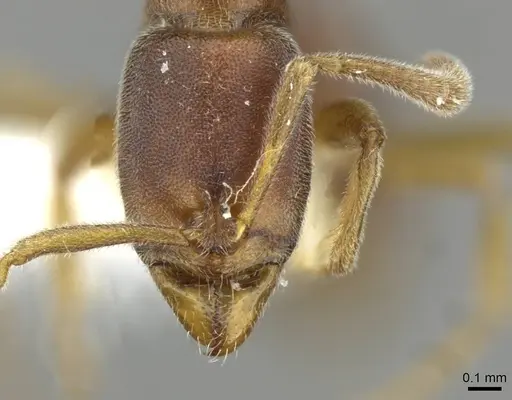
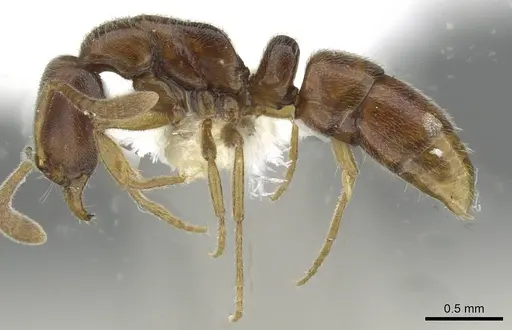
Hypoponera tristis is a tiny Ponerine ant species described in 2011,found only in the highland forests of Rwanda and Uganda. Workers are exceptionally small at just 0.67-0.79mm, making them among the smallest ants you could keep. They belong to the Hypoponera abeillei group and are very similar to the widespread Hypoponera segnis, differing mainly in the shape of their petiole node. These ants have extremely reduced eyes, either completely absent or just a single lens, which is unusual among ants. The type locality sits at 2100m elevation in Rwanda's Nyungwe tropical rainforest region, suggesting they prefer cooler, damp forest floor conditions.
Quick Summary
- Difficulty: Expert
- Origin & Habitat: Highland tropical forest in Rwanda and Uganda, specifically documented at 2100m elevation in the Nyungwe tropical rainforest [1][2][3].
- Colony Type: Colony structure is unconfirmed, this species is known only from a handful of worker specimens with no published data on queen number or colony size.
- Size & Growth:
- Queen: Unknown, no queen has been described in scientific literature
- Worker: 0.67-0.79mm [1]
- Colony: Unknown, no colony collections have been documented
- Growth: Unknown
- Development: Unconfirmed, no development data exists for this species. Based on typical Ponerine patterns, expect 2-4 months at warm temperatures, but this is a rough estimate. (No direct observations of founding, brood development, or colony growth exist for this species. All timing is inferred from genus-level patterns.)
- Antkeeping:
- Temperature: Based on the highland Rwanda location (2100m), these ants likely prefer cooler conditions than typical tropical ants. Start around 18-22°C with a gentle gradient. Avoid overheating, they come from a location where temperatures are mild year-round.
- Humidity: Keep substrate consistently moist but not waterlogged. The Nyungwe rainforest is humid, so aim for damp conditions with some drier areas for escape. A well-hydrated test tube setup works well.
- Diapause: Unknown, the highland origin suggests they may tolerate or even need a cooler period, but no specific data exists. Monitor for seasonal slowdowns.
- Nesting: Use very small, tight-fitting chambers scaled to their tiny size. Test tubes with cotton-plugged water reservoirs work well. Given their predaceous nature and reduced eyes, they likely prefer dark, humid spaces. Avoid tall, open spaces.
- Behavior: Hypoponera ants are general predators, hunting small arthropods. Their nearly absent eyes suggest they rely more on chemical cues than vision. They are likely secretive and slow-moving, typical of Ponerines. Escape prevention is critical, at under 1mm, they can squeeze through the tiniest gaps. Treat them as potentially defensive (Ponerines can sting) but their small size means the sting is barely noticeable to humans.
- Common Issues: their tiny size makes escape likely without fine mesh barriers and tight-fitting lids, no published care information exists, you're pioneering husbandry for this species, predatory diet means you must provide live small prey regularly, highland origin means they may not tolerate typical room temperatures, watch for heat stress, nothing is known about their founding behavior, queenless colonies or single queens may behave unpredictably
What Makes This Species Special
Hypoponera tristis is one of the least-known ant species in the hobby. Described only in 2011,it exists in scientific collections as just a handful of worker specimens. This is a true pioneer species, almost everything about keeping them alive in captivity is unknown. They represent an exciting opportunity for advanced antkeepers to contribute to our understanding of this genus. Their extremely reduced eyes (either absent or just one lens) are unusual and suggest they navigate primarily through chemical and tactile senses rather than vision. The highland Rwanda origin is also noteworthy, most Hypoponera are lowland or tropical, but this species comes from 2100m elevation where temperatures are cooler and more temperate. [1][2][3]
Housing and Nest Setup
Given their tiny size (under 1mm), standard formicarium chambers are far too large. Use test tube setups with small diameter tubes, or construct tiny acrylic nests with chambers scaled to their size. The nesting chamber should be dark, their reduced eyes suggest light sensitivity. Keep the nest area consistently humid. Because nothing is known about their natural nesting, provide options: a damp test tube with cotton-plugged water reservoir, and a small acrylic chamber with moist substrate. Watch which they prefer. Escape prevention must be excellent, these ants are so small they can slip through standard barrier setups. Use fine mesh (at least 0.5mm or smaller) on any openings.
Feeding and Diet
Hypoponera species are general predators that hunt small arthropods [3]. For H. tristis, you should offer tiny live prey: springtails, fruit flies, newly hatched pinhead crickets, and other micro-arthropods. Their small size means prey should be appropriately sized, anything larger than themselves will be ignored or too challenging. Feed every 2-3 days, removing uneaten prey to prevent mold. Sugar acceptance is uncertain, some Hypoponera will take honey or sugar water, but their primary diet is protein. Offer occasional sugar sources but don't rely on them. The key is consistent small live prey.
Temperature and Seasonal Care
The highland Rwanda origin (2100m) is your best guide here. Unlike typical tropical ants that want 25-30°C, these ants likely prefer cooler conditions. Start around 18-22°C and observe colony behavior. If workers are active and foraging, you've found a good range. Avoid heat sources that might push temperatures above 25°C. Room temperature in most homes may actually be ideal. No data exists on diapause or winter requirements, but the highland origin suggests they may appreciate a cooler period in winter (perhaps 12-15°C for a few months). Monitor for seasonal slowdowns and adjust accordingly. [1][2]
Understanding the Challenges
This species is genuinely one of the most challenging you could attempt to keep. No care guides exist, no one has documented their colony structure, and we don't even know what a queen looks like. Every aspect of their husbandry is exploratory. You will be learning alongside the scientific community. The challenges are significant: their tiny size makes them fragile and prone to escape, their predatory diet requires constant prey availability, and their specific humidity and temperature needs are educated guesses at best. Start with a small colony if available, and be prepared to experiment. Success with this species would be a genuine contribution to antkeeping knowledge.
Frequently Asked Questions
How long does it take for Hypoponera tristis to develop from egg to worker?
This has never been documented. Based on typical Ponerine ant development, expect 2-4 months at warm temperatures (around 20-24°C), but this is purely an estimate. The actual timeline could be faster or slower.
What do Hypoponera tristis ants eat?
They are general predators that hunt small arthropods. Feed tiny live prey like springtails, fruit flies, and micro-arthropods. Their small size means prey should be appropriately sized, very small insects or arthropods.
Can I keep Hypoponera tristis in a test tube?
Yes, test tubes are actually ideal for this tiny species. Use small-diameter tubes and ensure excellent escape prevention, they can slip through tiny gaps. Keep the cotton well-hydrated to maintain humidity.
How big do Hypoponera tristis colonies get?
Unknown, no colony size data exists for this species. Based on related Hypoponera species, colonies are likely small (dozens to a few hundred workers).
Are Hypoponera tristis good for beginners?
No, this is an expert-level species. Nothing has been published about their care, and their tiny size and unknown requirements make them challenging. They are only suitable for experienced antkeepers who enjoy pioneering new species in captivity.
What temperature do Hypoponera tristis need?
Based on their highland Rwanda origin (2100m), they prefer cooler conditions than typical tropical ants. Start around 18-22°C and avoid overheating. Room temperature is likely suitable.
Do Hypoponera tristis need hibernation?
Unknown, no data exists on their seasonal requirements. The highland origin suggests they may tolerate or benefit from a cooler winter period, but specifics are unconfirmed.
Why are my Hypoponera tristis dying?
Without published care data, causes of mortality are speculative. Common issues likely include: temperature stress (overheating), inadequate prey, escape and loss, or humidity problems. Their tiny size makes them fragile, every aspect of care must be carefully managed.
Can I keep multiple queens together?
Unknown, queen biology has not been documented for this species. No data exists on whether they are single-queen or multi-queen colonies. Combining unrelated queens is not recommended given the lack of information.
References

This caresheet is licensed under CC BY-SA 4.0 .
CASENT0226554
View on AntWeb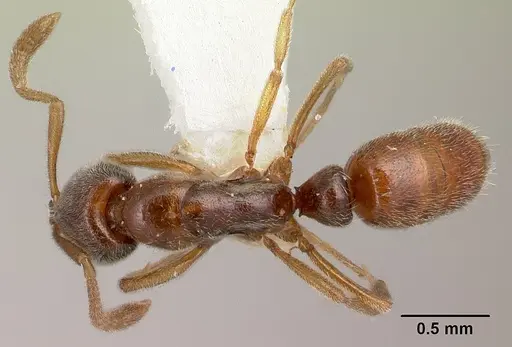
CASENT0254310
View on AntWeb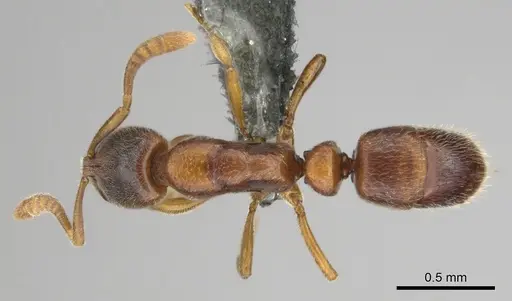
CASENT0270533
View on AntWeb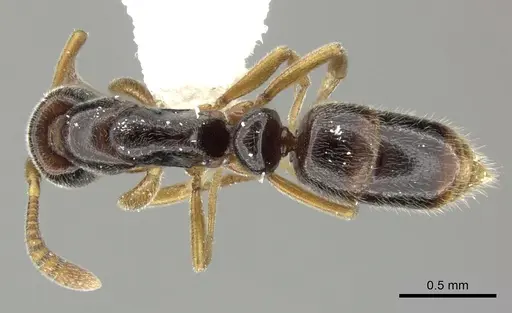
CASENT0351412
View on AntWeb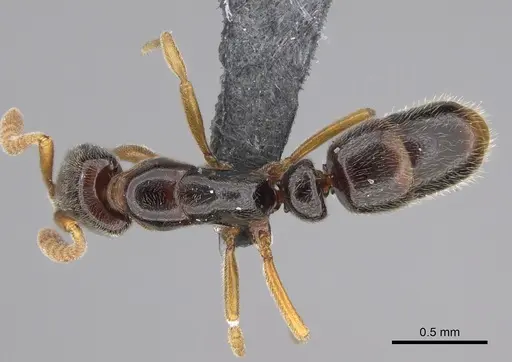
CASENT0351510
View on AntWeb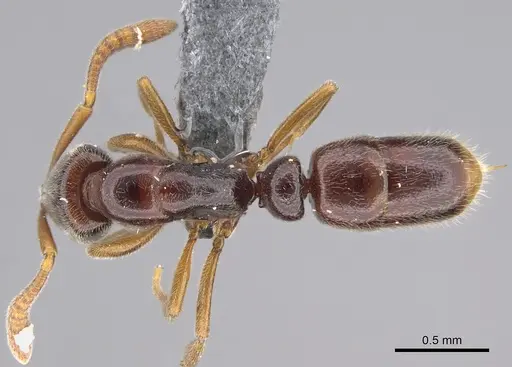
CASENT0356437
View on AntWeb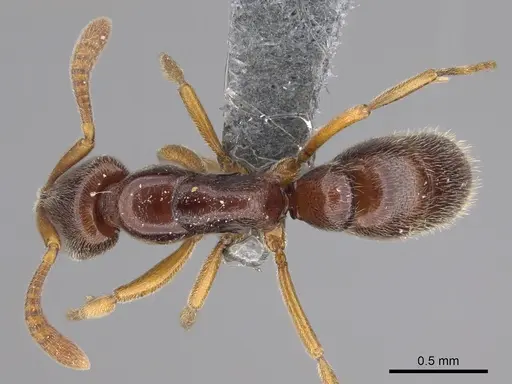
CASENT0361652
View on AntWeb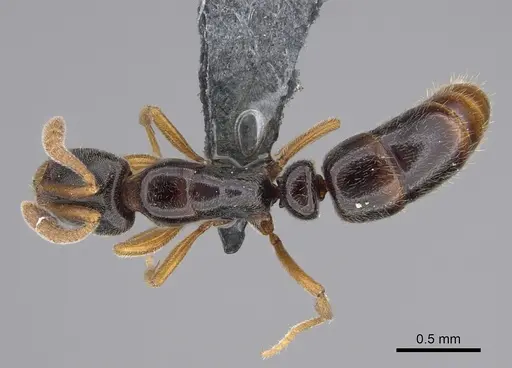
CASENT0882089
View on AntWeb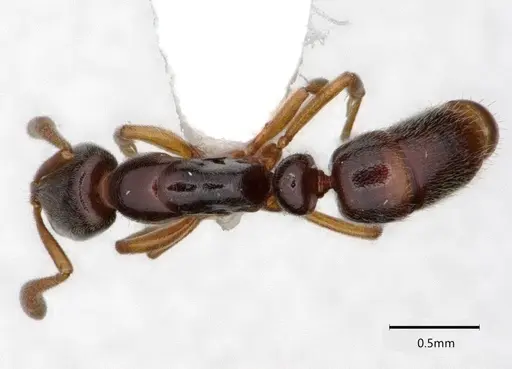
CASENT0902556
View on AntWeb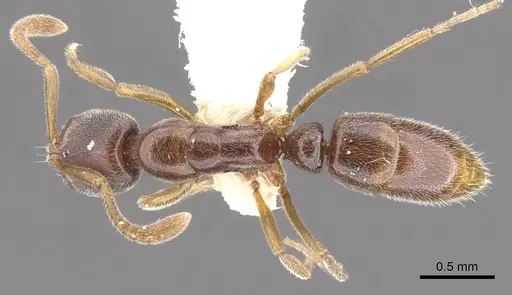
CASENT0911179
View on AntWeb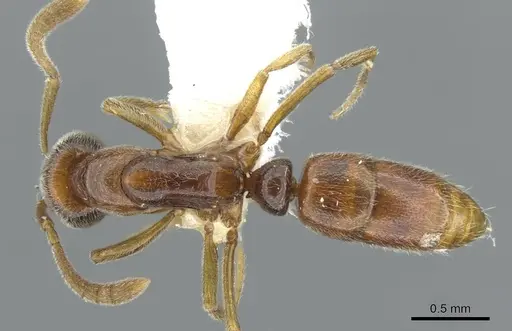
Literature
Loading...Loading products...