

Hypoponera sororcula
- Scientific Name
- Hypoponera sororcula
- Tribe
- Ponerini
- Subfamily
- Ponerinae
- Author
- Wilson, 1958
- Distribution
- Found in 1 countries
Hypoponera sororcula Overview
Hypoponera sororcula is an ant species of the genus Hypoponera. It is primarily documented in 1 countries , including Papua New Guinea. Detailed taxonomic data and occurrence records can be further explored via authoritative databases such as AntWeb or the Global Biodiversity Information Facility (GBIF).
Hypoponera sororcula
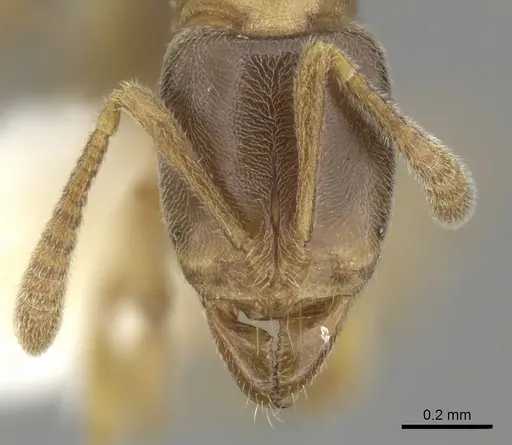
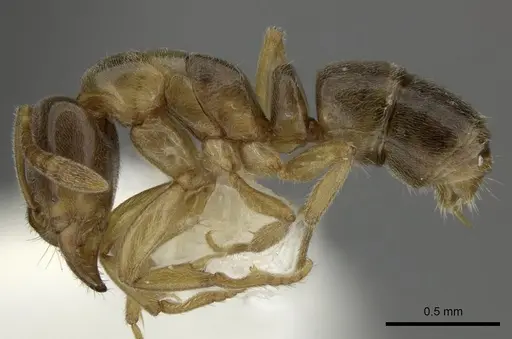
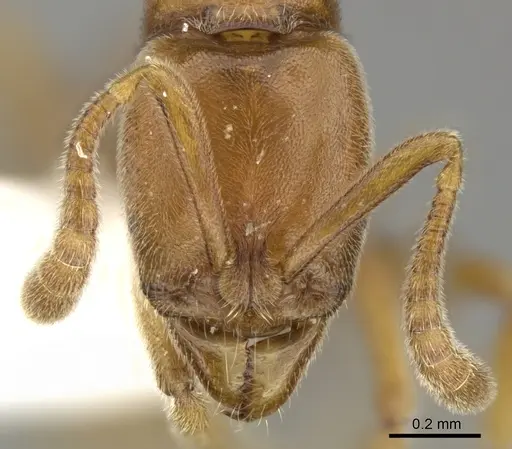
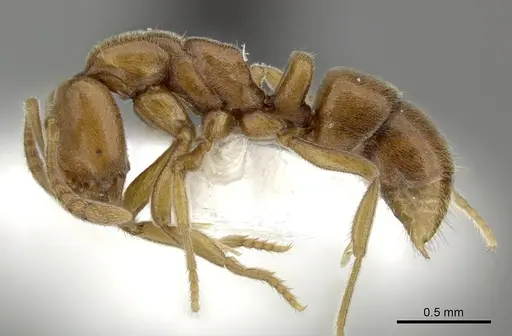
Hypoponera sororcula is a small ant species originally described from New Guinea in 1958. Workers are tiny, typically measuring 2-3mm, with the characteristic Ponerinae body shape featuring a distinct petiole and powerful stinger. They have a dark reddish-brown to black coloration. The genus Hypoponera belongs to the Ponerinae subfamily, known for their predatory tendencies and relatively simple colony structures. This species has been recorded from both New Guinea and the Solomon Islands (Guadalcanal and Makira) [1].
What makes H. sororcula particularly interesting is its extreme habitat specialization. Research shows this species is restricted to primary forest environments and is never found in secondary growth or human-modified landscapes like rubber plantations [2]. This makes it one of the more habitat-specific ants in the region, which has implications for both its care and the difficulty of establishing colonies in captivity.
Quick Summary
- Difficulty: Medium
- Origin & Habitat: New Guinea and Solomon Islands (Guadalcanal, Makira). This species is a strict primary forest specialist, it only occupies old-growth forest habitats and is absent from secondary forest or agricultural areas [2].
- Colony Type: Colony structure is not well documented in scientific literature. Based on typical Hypoponera patterns, likely single-queen (monogyne) colonies.
- Size & Growth:
- Queen: Estimated 4-5mm based on genus patterns
- Worker: Approximately 2-3mm
- Colony: Estimated 100-500 workers based on typical Hypoponora colony sizes
- Growth: Moderate
- Development: Estimated 6-10 weeks based on related Ponerinae species (Development time is estimated from genus-level data since species-specific development has not been studied. Tropical temperature ranges may accelerate development.)
- Antkeeping:
- Temperature: Keep at 24-28°C. These are tropical ants requiring warm, stable conditions [2]. A slight temperature gradient allows workers to regulate their exposure.
- Humidity: High humidity of 70-85% is essential. As primary forest floor inhabitants, they need consistently moist substrate. Keep the nest substrate damp but not waterlogged.
- Diapause: Unlikely, as a tropical species from Papua New Guinea and Solomon Islands, they do not experience cold winters that would trigger dormancy.
- Nesting: In nature, they likely nest in soil or rotting wood on the forest floor. In captivity, a well-humidified plaster nest or test tube setup with moist substrate works well. They prefer tight, enclosed spaces.
- Behavior: Hypoponera ants are typically secretive and slow-moving. Workers forage individually on the forest floor, hunting small prey. They possess a functional stinger, though their small size limits the threat to humans. Escape prevention is important due to their tiny worker size, they can slip through small gaps. Colonies are generally peaceful and not aggressive toward keepers.
- Common Issues: tiny size makes escape prevention critical, use fine mesh and tight-fitting lids, primary forest specialization means they may be sensitive to habitat changes and poor in captivity, high humidity requirements can lead to mold problems if ventilation is inadequate, limited information makes established care protocols scarce, be prepared to experiment, predatory nature requires live prey acceptance, may be difficult to establish feeding
Natural History and Distribution
Hypoponera sororcula was first described in 1958 by E.O. Wilson from specimens collected in New Guinea. The species was later recorded from the Solomon Islands, specifically Guadalcanal and Makira Island, representing the eastern edge of its range [1]. This distribution pattern across Melanesia is typical of many ant species that colonized the island chains from mainland New Guinea.
The most significant finding about this species is its extreme habitat specialization. A 2019 study examining ant distribution in Xishuangbanna, China (with global meta-analysis) found that H. sororcula is restricted to primary forest environments [2]. It was not found in secondary forest or rubber plantations, indicating this species cannot adapt to disturbed habitats. This ecological specialization makes it particularly challenging to keep in captivity, as it has evolved in stable, complex forest ecosystems with specific conditions.
Housing and Nest Preferences
In captivity, Hypoponera sororcula requires a setup that mimics its natural forest floor habitat. A well-humidified nest is essential, these ants are accustomed to the constantly moist conditions of the tropical forest floor. Plaster nests, acrylic nests with water reservoirs, or test tube setups with damp substrate all work well.
Because of their tiny size, escape prevention must be excellent. Even small gaps in lid fitments can allow workers to escape. Use fine mesh on any ventilation holes and ensure all connections are tight. The nest should have tight chambers rather than large open spaces, as these ants prefer enclosed, secure spaces.
Provide a foraging area with a moisture gradient, some damp areas and some slightly drier areas allow the ants to choose their preferred conditions. A water test tube should always be available.
Feeding and Diet
As a Ponerinae ant, Hypoponera sororcula is likely predatory, feeding on small invertebrates on the forest floor. In captivity, offer small live prey such as fruit flies, pinhead crickets, mealworm pieces, and other appropriately-sized insects. They are small ants, so prey should be appropriately sized, no larger than the ant itself.
Based on typical genus behavior, they likely accept some sugar sources, though protein-rich prey should form the primary diet. Offer a small amount of sugar water or honey occasionally, but do not rely on carbohydrates alone. Feed small amounts of prey 2-3 times per week, removing any uneaten remains to prevent mold.
Because this species is not well-studied in captivity, be prepared to experiment with different prey types to establish what they accept.
Temperature and Seasonal Care
As a tropical species from New Guinea and the Solomon Islands, Hypoponera sororcula requires warm conditions year-round. Maintain temperatures between 24-28°C, with a slight gradient allowing workers to move between warmer and cooler areas if needed. These ants are accustomed to stable tropical temperatures with minimal seasonal variation.
Unlike temperate species, H. sororcula does not require hibernation or diapause. They should be kept warm throughout the year. Avoid any temperature drops below room temperature (below 20°C) as this could stress or kill the colony.
A heating cable or mat on one side of the nest can help maintain optimal temperatures, but ensure there is an unheated area so ants can escape excessive heat.
Colony Establishment and Growth
Establishing a colony of Hypoponera sororcula can be challenging due to the limited information available about their founding behavior. Based on typical Ponerinae patterns, the queen likely engages in semi-claustral founding, meaning she may need to leave the nest occasionally to hunt for food during the founding stage.
Colony growth is likely moderate. Expect the first workers (nanitics) to appear within 6-10 weeks under optimal conditions, though this is estimated from related species rather than documented for this specific ant. Colonies probably reach several hundred workers at maturity.
Wild-caught colonies may face challenges from collection stress and potential parasites. If obtaining a colony, ensure it was collected ethically and from appropriate primary forest habitats.
Frequently Asked Questions
How long does it take for Hypoponera sororcula to produce first workers?
Based on estimated development from related Ponerinae species, expect first workers (nanitics) in approximately 6-10 weeks after the queen lays eggs, assuming optimal temperatures around 26°C. This timeline is not directly documented for this species.
What do Hypoponera sororcula ants eat?
They are predatory ants that likely hunt small invertebrates. In captivity, offer small live prey such as fruit flies, pinhead crickets, and small mealworms. They may also accept sugar water or honey occasionally. Protein-rich prey should form the bulk of their diet.
Are Hypoponera sororcula good for beginners?
This species is not ideal for beginners. Limited captive care information, combined with high humidity requirements, specific habitat needs (primary forest specialist), and small size that makes escape likely, makes it a challenging species. More established species with documented care protocols are better choices for new antkeepers.
What temperature do Hypoponera sororcula ants need?
Keep them warm at 24-28°C year-round. These are tropical ants from New Guinea and Solomon Islands that do not tolerate cool temperatures. A slight temperature gradient in the setup allows ants to regulate their exposure to heat.
Do Hypoponera sororcula need hibernation?
No, hibernation is not required. As a tropical species from Papua New Guinea and Solomon Islands, they do not experience cold winters. Keep them at warm temperatures year-round without any dormancy period.
How big do Hypoponera sororcula colonies get?
Based on typical Hypoponera colony sizes, they likely reach several hundred workers at maturity. Exact maximum colony size is not documented in scientific literature for this species.
Can I keep multiple Hypoponera sororcula queens together?
Colony structure is not well documented for this species. Based on typical Hypoponera patterns, they likely form single-queen colonies. Combining unrelated queens has not been studied and is not recommended.
Why are my Hypoponera sororcula dying?
Common causes include: temperature too low (below 20°C), humidity too low or inconsistent, escape leading to lost workers, stress from poor habitat conditions, or acceptance issues with provided food. This species is sensitive to habitat disturbance and requires stable conditions.
What type of nest is best for Hypoponera sororcula?
Use a well-humidified nest such as a plaster nest, acrylic nest with water reservoir, or test tube setup with moist substrate. They prefer tight, enclosed chambers and require high humidity. Ensure excellent escape prevention due to their tiny worker size.
References

This caresheet is licensed under CC BY-SA 4.0 .
CASENT0270522
View on AntWeb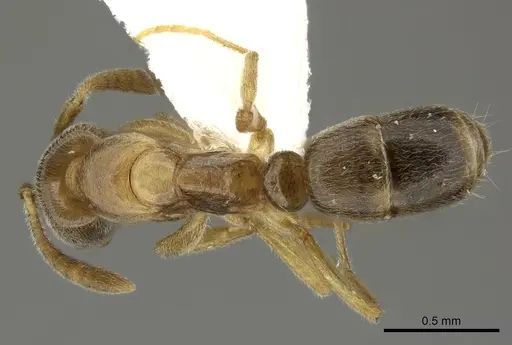
CASENT0270523
View on AntWeb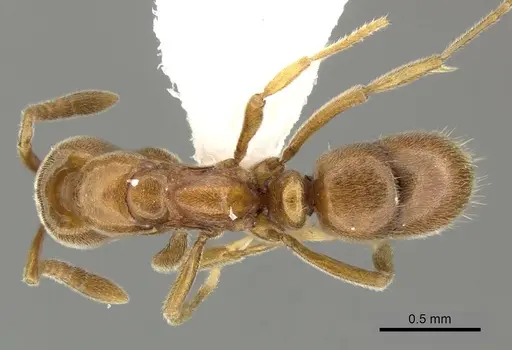
Literature
Loading...Loading products...