

Hypoponera schmalzi
- Scientific Name
- Hypoponera schmalzi
- Tribe
- Ponerini
- Subfamily
- Ponerinae
- Author
- Emery, 1896
- Distribution
- Found in 1 countries
Hypoponera schmalzi Overview
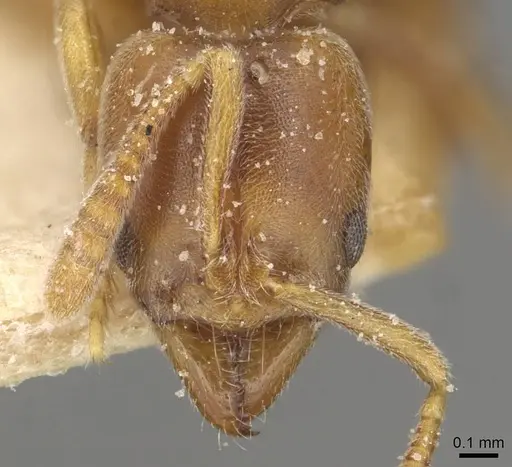
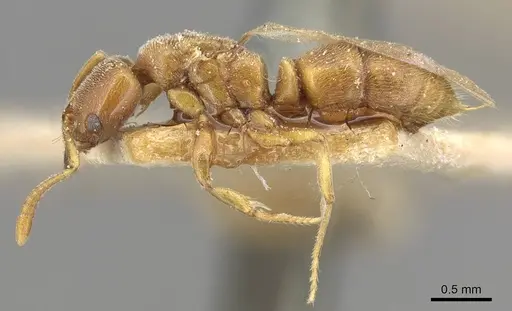
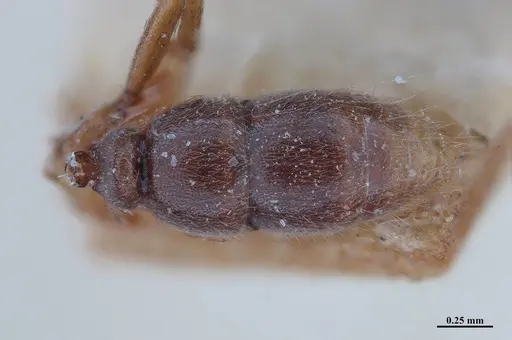
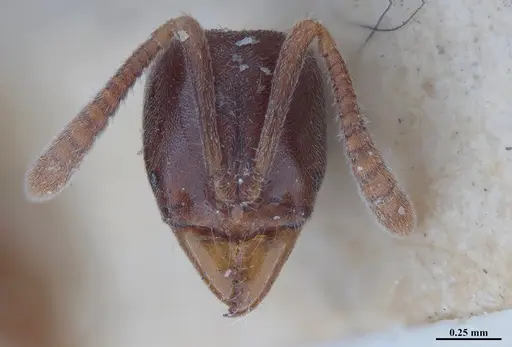
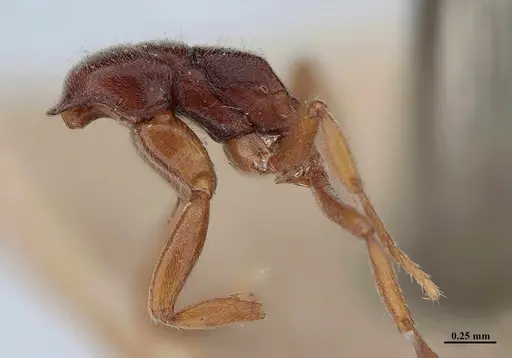
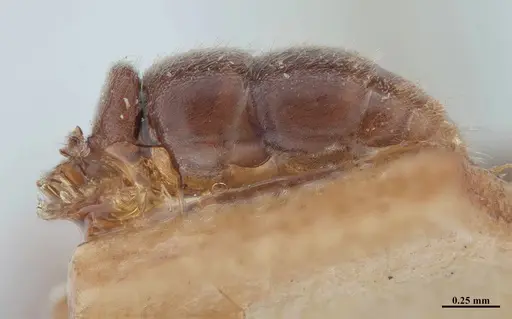
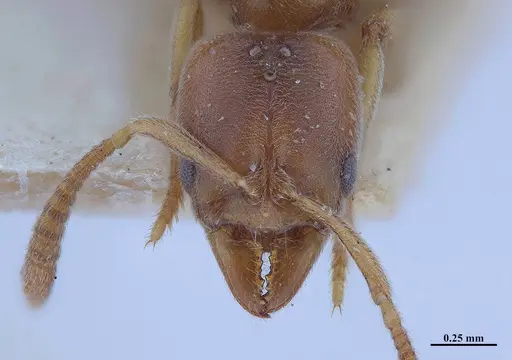
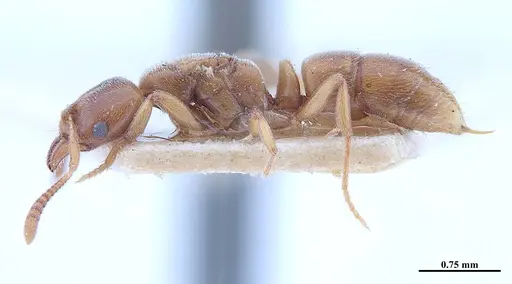
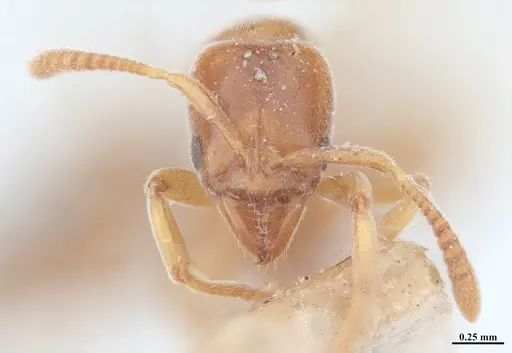
Hypoponera schmalzi is an ant species of the genus Hypoponera. It is primarily documented in 1 countries , including Brazil. Detailed taxonomic data and occurrence records can be further explored via authoritative databases such as AntWeb or the Global Biodiversity Information Facility (GBIF).
Hypoponera schmalzi
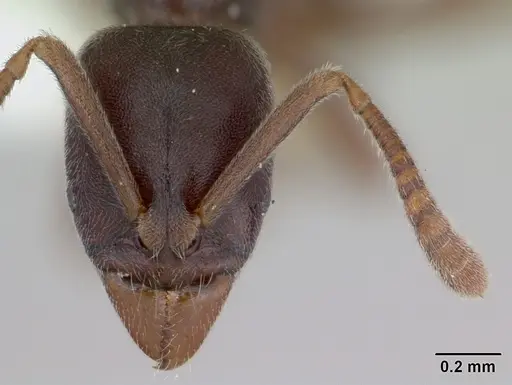
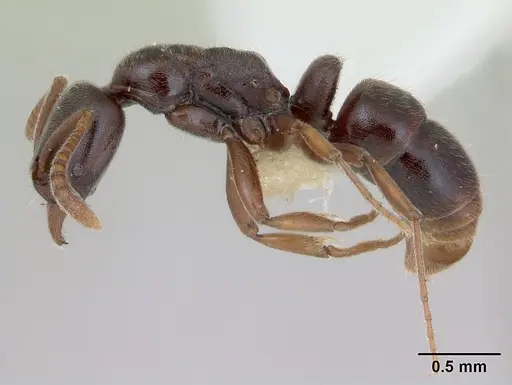
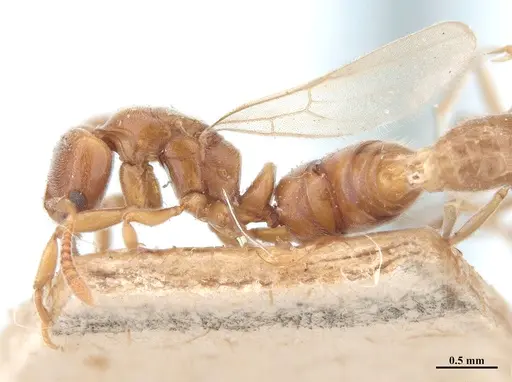
Hypoponera schmalzi is a small Ponerine ant native to the Neotropical region of South America, found in Brazil, Argentina, and Paraguay [1]. Workers are small and cryptic, typically living in leaf litter and soil microhabitats in forest environments. The genus Hypoponera contains cryptic ground-dwelling ants that are often overlooked in standard sampling due to their minute size and subterranean habits. This species was originally described by Emery in 1896 from Brazil and has two recognized subspecies: H. s. fugitans and H. s. paulina [1]. As a Ponerine ant, they possess a functional sting and retain many primitive characteristics compared to more advanced ant subfamilies.
Quick Summary
- Difficulty: Medium
- Origin & Habitat: Neotropical region, Brazil, Argentina, and Paraguay. Found in forest environments, particularly in leaf litter and soil microhabitats [1][2].
- Colony Type: Likely single-queen (monogyne) colonies based on typical Hypoponera genus patterns. Colony size remains small, typically under a few hundred workers.
- Colony: Monogyne
- Founding: Claustral
- Size & Growth:
- Queen: Estimated 4-5mm based on genus averages
- Worker: Estimated 2-3mm based on genus averages
- Colony: Likely 100-300 workers based on typical Hypoponera colony sizes
- Growth: Moderate, Ponerines typically develop more slowly than advanced ant genera
- Development: Estimated 8-12 weeks based on typical Ponerine development at warm temperatures (Development time is estimated from related Ponerine species, specific data for H. schmalzi is unavailable)
- Antkeeping:
- Temperature: Keep at 24-28°C. As a Neotropical species, they require warm conditions year-round. A heating cable on one side of the nest can create a temperature gradient.
- Humidity: Maintain high humidity, aim for 70-80%. These forest-floor ants prefer consistently moist substrate. Keep the nest substrate damp but not waterlogged.
- Diapause: Unlikely required. Neotropical species typically do not enter true diapause, though activity may slow slightly during cooler periods.
- Nesting: Natural nesting occurs in soil and leaf litter. In captivity, a naturalistic setup with moist substrate or a Y-tong/plaster nest works well. They prefer tight, enclosed spaces scaled to their tiny size.
- Behavior: Hypoponera schmalzi is a cryptic, ground-dwelling species that forages primarily in leaf litter and upper soil layers. Like other Ponerines, they are predatory and likely hunt small invertebrates. Workers are small but possess a functional sting for subdueing prey. They are not aggressive toward humans but will sting if threatened. Escape prevention is important due to their tiny size, use fine mesh barriers. Activity level is moderate, they are not particularly active or aggressive.
- Common Issues: tiny size makes escape prevention critical, they can squeeze through standard mesh, predatory diet means live food is essential, they may not accept commercial ant feeds, high humidity requirements can lead to mold if ventilation is poor, slow colony growth may frustrate beginners expecting rapid development, limited available care information means you may need to experiment with conditions
Housing and Nest Setup
Hypoponera schmalzi is a tiny ground-dwelling ant that requires careful attention to nest dimensions and escape prevention. In the wild, they nest in soil and leaf litter, so a naturalistic setup with moist substrate works well. You can use a Y-tong (acrylic) nest with narrow chambers scaled to their small size, or a plaster nest that holds humidity well. Test tubes can work for founding colonies if the cotton is kept moist, but the small worker size means you must use cotton that is tightly packed to prevent escapes. A small outworld connected to the nest allows for feeding space. Because they are so tiny, apply a barrier like fluon to the rim of any container and use fine mesh (at least 0.5mm or smaller) on any ventilation holes. [1]
Feeding and Diet
As a Ponerine ant, H. schmalzi is predatory and requires live food to thrive. Feed small live prey such as fruit flies, pinhead crickets, small mealworms, and other tiny invertebrates. Springtails are an excellent choice due to their small size. You may need to culture your own live food since most feeder insects are too large. Some keepers report that Ponerines will occasionally accept protein gels or crushed insects, but live prey should form the primary diet. Feed every 2-3 days, removing any uneaten prey to prevent mold. Sugar water or honey can be offered occasionally, but Ponerines are not typically strong honeydew consumers like some other subfamilies.
Temperature and Humidity
This Neotropical species requires warm, humid conditions. Maintain temperatures between 24-28°C year-round. A heating cable placed on part of the nest can create a gentle gradient, allowing ants to self-regulate their temperature preference. Avoid temperatures below 20°C for extended periods. Humidity should be high, aim for 70-80% relative humidity in the nest. The substrate should remain consistently moist but never waterlogged. Ponerines are sensitive to drying out, so check water reservoirs regularly and rehydrate as needed. Good ventilation is essential to prevent mold, but avoid excessive airflow that dries the nest. [1]
Colony Development and Growth
Ponerine ants typically develop more slowly than advanced ant genera like Formica or Camponotus. The queen will lay eggs after sealing herself in a claustral chamber, living on stored fat reserves until her first workers (nanitics) emerge. Expect this founding period to take 4-8 weeks under optimal warm conditions. Once the first workers arrive, the colony will begin foraging and growing, but growth remains moderate. A mature colony likely reaches 100-300 workers over several years. Be patient, Ponerine colonies do not explode in size like some tropical ants. Monitor for signs of stress such as workers dying outside the nest or brood disappearing, which may indicate improper humidity or temperature.
Behavior and Temperament
Hypoponera workers are small and cryptic, spending much of their time in the nest or foraging in leaf litter. They are not aggressive and will typically flee rather than engage. However, like all Ponerines, they possess a functional sting and will use it if directly threatened or handled. The sting is mild due to the ant's small size and is not medically significant for healthy humans. Workers hunt small invertebrates using their sting to subdue prey. They do not show territorial displays or major foraging trails. Colony activity is moderate, you will see regular foraging but not the dramatic swarms seen in some other species.
Frequently Asked Questions
How long does it take for Hypoponera schmalzi to produce first workers?
Expect 4-8 weeks from founding to first workers emerging, assuming optimal temperatures of 24-28°C. This is typical for Ponerine ants. The exact timeline depends on temperature and humidity conditions.
What do Hypoponera schmalzi ants eat?
They are predatory and need live food. Offer small live prey like fruit flies, springtails, small mealworms, or pinhead crickets. Some colonies may accept crushed insects or protein gels, but live prey should be the primary food source.
Can I keep Hypoponera schmalzi in a test tube?
Yes, test tubes work well for founding colonies. Use tightly packed cotton to prevent escapes due to their tiny size. Keep the water reservoir filled to maintain humidity, and place the tube in a warm location away from direct sunlight.
Do Hypoponera schmalzi need hibernation?
No, hibernation is not required. As a Neotropical species from Brazil, Argentina, and Paraguay, they do not experience cold winters. Keep them warm year-round at 24-28°C.
How big do Hypoponera schmalzi colonies get?
Based on typical Hypoponera colony sizes, expect a mature colony of 100-300 workers. They are not large colony formers like some advanced ant species.
Are Hypoponera schmalzi good for beginners?
They are considered intermediate in difficulty. While not as challenging as some Ponerines, they require specific conditions (high humidity, warm temperatures, live food) that beginners may find challenging. Their tiny size also demands excellent escape prevention.
When should I move my colony to a formicarium?
Move to a larger setup once the colony reaches 30-50 workers and the test tube becomes crowded. A small naturalistic setup or Y-tong nest with moist substrate works well. Ensure the transition maintains proper humidity.
Why are my Hypoponera schmalzi dying?
Common causes include: too low humidity (keep substrate consistently moist), temperatures below 20°C, mold from poor ventilation, or lack of live prey. Check these parameters first and adjust accordingly.
Can I keep multiple queens together?
Not recommended. While colony structure is not fully documented for this species, Hypoponera are typically monogyne (single queen). Combining unrelated queens may result in fighting.
References

This caresheet is licensed under CC BY-SA 4.0 .
CASENT0173718
View on AntWeb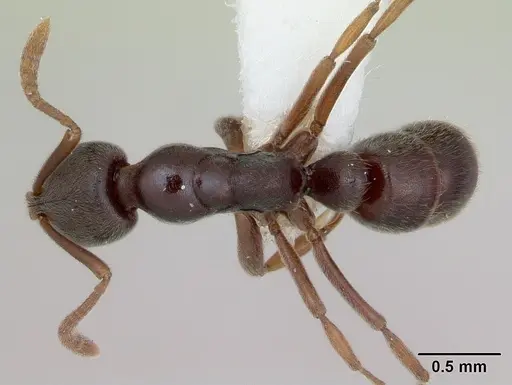
CASENT0915297
View on AntWeb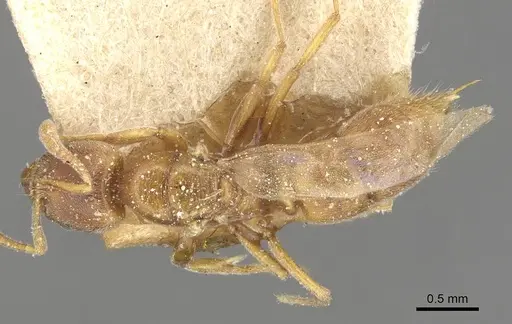
MHNGENTO00094339
View on AntWeb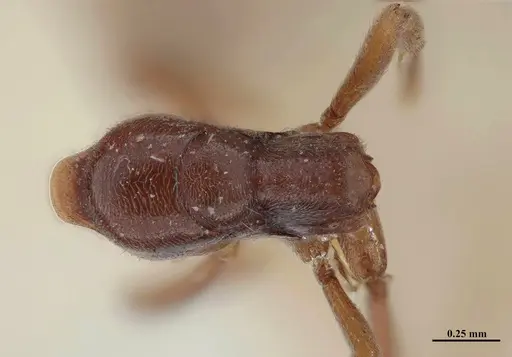
MHNGENTO00094340
View on AntWeb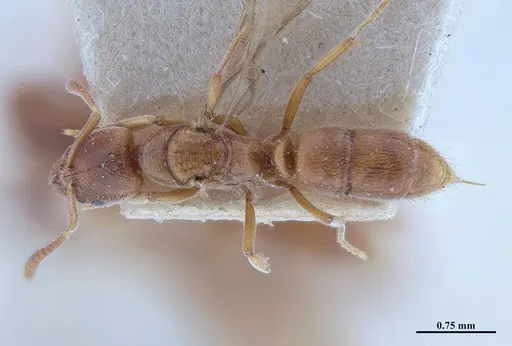
MHNGENTO00094344
View on AntWeb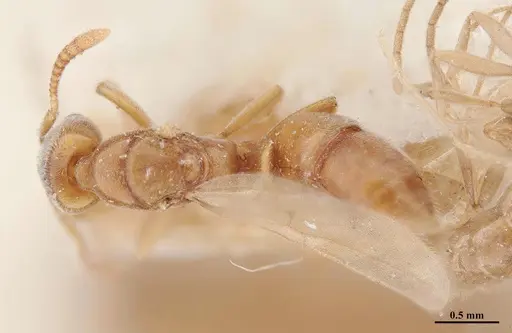
Literature
Loading...Loading products...