

Hypoponera sauteri
- Scientific Name
- Hypoponera sauteri
- Tribe
- Ponerini
- Subfamily
- Ponerinae
- Author
- Wheeler, 1929
- Distribution
- Found in 4 countries
Hypoponera sauteri Overview
Hypoponera sauteri is an ant species of the genus Hypoponera. It is primarily documented in 4 countries , including China, Japan, Korea. Detailed taxonomic data and occurrence records can be further explored via authoritative databases such as AntWeb or the Global Biodiversity Information Facility (GBIF).
Hypoponera sauteri
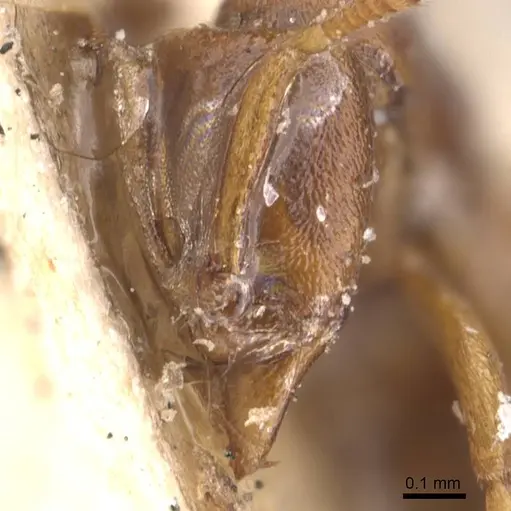
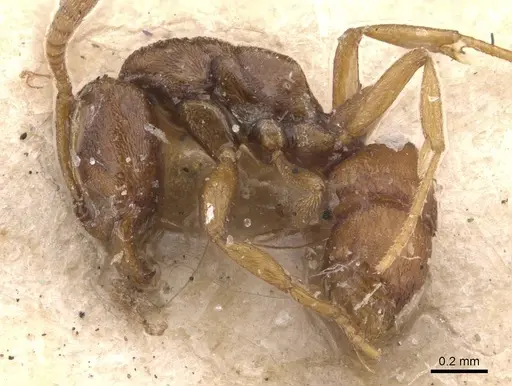
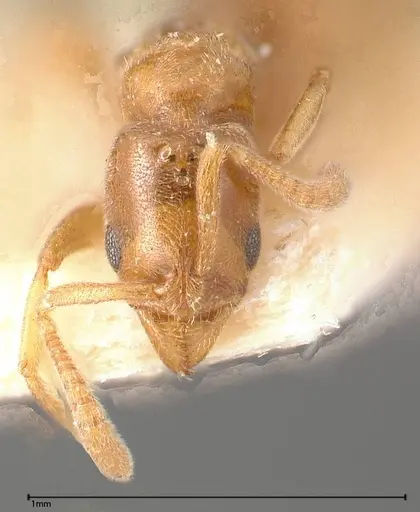
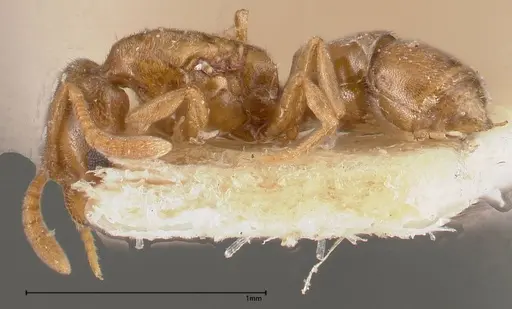
Hypoponera sauteri is a tiny subterranean ant species native to East Asia, found across Japan, Korea, China, and Taiwan. Workers measure just 2mm and are pale yellow to yellowish brown in color, making them one of the smaller ant species kept in captivity. They have distinctive single-facet eyes and nest in soil, under stones, and in rotting logs, particularly in the humus layer. This species is a habitat specialist that prefers primary forest environments and is rarely found in disturbed areas [1][2].
What makes H. sauteri interesting is their monogynous (single-queen) colony structure and their status as stenochoric species, meaning they have very specific habitat requirements and don't adapt well to changed environments [3]. They are ground-dwelling ants that forage on the soil surface and are part of the soil and litter-dwelling ant community [4]. Their tiny size and cryptic lifestyle make them a challenging but rewarding species for experienced antkeepers who can provide the stable, humid conditions they need.
Quick Summary
- Difficulty: Medium
- Origin & Habitat: East Asia, Japan, Korea, China (Anhui, Taiwan), and Taiwan. Found in primary forests, nesting under stones, in rotting logs, and in soil, especially the humus layer [1][2][5].
- Colony Type: Monogyne, single queen colonies. This species has monogynous colony structure with one queen per nest [3].
- Colony: Monogyne
- Size & Growth:
- Queen: Slightly larger than workers, estimated 2.5-3mm based on the worker size of 2mm [1][2]
- Worker: Around 2mm [1][2][6]
- Colony: Unknown from direct studies, likely small colonies based on related Hypoponera species and their cryptic, subterranean lifestyle
- Growth: Unknown, likely slow to moderate based on small colony size typical of Hypoponera
- Development: Unknown for this specific species. Based on typical Ponerinae patterns, estimate 6-10 weeks at warm temperatures, but this is an educated guess. (Development time has not been directly studied for H. sauteri. Related Ponerine ants typically take 6-12 weeks from egg to worker.)
- Antkeeping:
- Temperature: Keep at room temperature, around 20-24°C. This species is found in temperate regions of Japan and Korea, so they do not require high heat. A gentle gradient allowing them to choose their preferred temperature works best.
- Humidity: High humidity is essential. These ants naturally live in soil and humus layers, so keep the nest substrate consistently moist but not waterlogged. The substrate should feel damp to the touch.
- Diapause: Yes, based on their temperate distribution in Japan and Korea, they likely require a winter rest period. Reduce temperatures to around 10-15°C for 2-3 months during winter.
- Nesting: Because they nest in soil and rotting wood, a naturalistic setup with soil substrate or a Y-tong/plaster nest with high humidity works well. They prefer tight, humid chambers that mimic their natural humus-layer habitat. Avoid dry, airy setups.
- Behavior: Hypoponera sauteri is a cryptic, ground-dwelling species that spends most of its time underground. Workers are small and pale, foraging on the soil surface. They are not aggressive and likely have mild temperament. Escape prevention is critical due to their tiny 2mm size, they can squeeze through very small gaps. Use fine mesh and tight-fitting barriers. They are stenochoric, meaning they are sensitive to habitat changes and may be stressed by disturbance [3].
- Common Issues: escape prevention is critical due to their very small 2mm size, they easily slip through standard barriers, sensitive to habitat disturbance, stenochoric species do not adapt well to changes, high humidity requirements can lead to mold if ventilation is poor, slow colony growth may lead keepers to overfeed or disturb the nest too often, difficulty establishing wild-caught colonies due to their specialized habitat requirements
Housing and Nest Setup
Hypoponera sauteri requires a humid, naturalistic setup that mimics their natural soil and humus-layer habitat. A Y-tong (acrylic) nest with moist plaster or soil substrate works well. Alternatively, a naturalistic setup with a soil layer allows them to create their own tunnels. The key is maintaining consistently high humidity without creating stagnant air that promotes mold. Use a water reservoir or moisture gradient so part of the nest stays damp while allowing drier areas for the ants to regulate their own conditions. Because they are tiny (2mm), ensure all connections and barriers are tight, even small gaps will allow escapes. A test tube setup with a cotton plug can work for founding colonies if kept humid. [1][2]
Feeding and Diet
Like most Ponerinae ants, Hypoponera sauteri is predatory, feeding on small invertebrates. In captivity, offer small live prey such as fruit flies, pinhead crickets, small mealworms, and other tiny arthropods. They likely also consume honeydew and sugar sources, though this is not directly documented. Feed small amounts of protein prey 2-3 times per week, and provide a constant sugar source (honey water or sugar water) even if acceptance is uncertain. Remove uneaten prey to prevent mold. Their small size means prey items should be appropriately sized, no larger than the ants themselves.
Temperature and Seasonal Care
Keep Hypoponera sauteri at moderate temperatures, around 20-24°C. They are found in temperate regions of Japan and Korea, so they do not require the high temperatures that tropical species need. Room temperature is typically suitable. During winter, they likely require a diapause period, reduce temperatures to around 10-15°C for 2-3 months to simulate natural seasonal cycles. This rest period is important for colony health and may trigger reproductive behavior in the following season. Avoid sudden temperature changes and keep conditions stable. [1][2]
Behavior and Colony Dynamics
This is a cryptic, subterranean species that spends most of its time underground. Workers forage on the soil surface for small prey and are not particularly active or visible compared to more common ant species. They are monogynous, meaning colonies have a single queen [3]. As a stenochoric species, they are highly specialized to their preferred habitat and do not tolerate disturbance or habitat changes well. This means established colonies can be sensitive to relocation or major changes in their environment. Colony growth is likely slow, and colonies probably remain relatively small. Be patient with these ants, they are not fast-growing species.
Escape Prevention
Escape prevention is absolutely critical for Hypoponera sauteri. At just 2mm, workers are tiny and can squeeze through gaps that would hold back larger ants. Use fine mesh on all ventilation holes, ensure all connections between outworld and nest are tight-fitting, and consider using barrier gels or fluon on container edges. Check for gaps as small as 1mm. Even a small crack will result in escaped ants. This is one of the most important aspects of keeping this species successfully.
Frequently Asked Questions
How long does it take for Hypoponera sauteri to produce first workers?
The exact development time is unknown for this species. Based on typical Ponerinae development patterns, expect 6-10 weeks from egg to worker at warm room temperature (around 24°C). However, this is an estimate since no specific studies exist on H. sauteri development.
Can I keep Hypoponera sauteri in a test tube setup?
Yes, test tubes can work for founding colonies, but you must maintain high humidity by keeping the water reservoir filled and ensuring the cotton stays moist. However, a naturalistic or Y-tong setup with soil substrate is more appropriate for their natural soil-dwelling lifestyle.
What do Hypoponera sauteri eat?
They are predatory, feeding on small invertebrates. Offer small live prey like fruit flies, tiny crickets, and small mealworms. They likely also accept sugar sources like honey water, though this is not directly documented.
Are Hypoponera sauteri good for beginners?
No, they are not recommended for beginners. Their tiny size requires excellent escape prevention, they need high humidity, they are sensitive to habitat disturbance as stenochoric species, and their specific requirements are not well-documented. They are better suited for experienced antkeepers.
How big do Hypoponera sauteri colonies get?
Colony size is not directly documented, but based on their cryptic lifestyle and related species, colonies likely remain relatively small, probably under a few hundred workers at maturity.
Do Hypoponera sauteri need hibernation?
Yes, based on their temperate distribution in Japan and Korea, they likely require a winter rest period. Reduce temperatures to 10-15°C for 2-3 months during winter.
Can I keep multiple queens together?
No. This species is monogynous, meaning colonies have a single queen [3]. Combining unrelated queens is not recommended and has not been documented.
Why are my Hypoponera sauteri escaping?
Their tiny 2mm size means they can escape through very small gaps. Check all barriers, connections, and ventilation holes for gaps as small as 1mm. Use fine mesh and apply barrier gels or fluon to prevent escapes.
When should I move Hypoponera sauteri to a formicarium?
Wait until the colony is well-established with at least 20-30 workers. These ants prefer stable conditions and may be stressed by relocation. When moving, keep the new setup at similar humidity levels to reduce stress.
References

This caresheet is licensed under CC BY-SA 4.0 .
CASENT0907311
View on AntWeb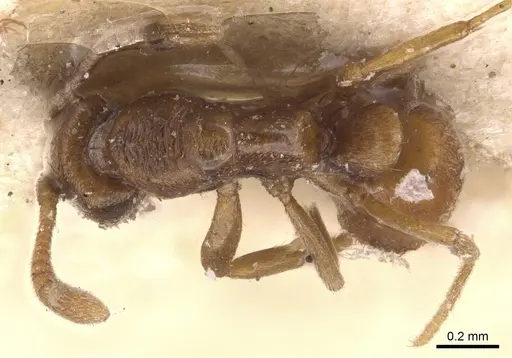
FOCOL0362
View on AntWeb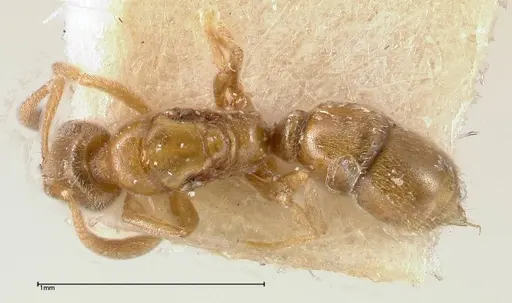
Literature
Loading...Loading products...