

Hypoponera reichenspergeri
- Scientific Name
- Hypoponera reichenspergeri
- Tribe
- Ponerini
- Subfamily
- Ponerinae
- Author
- Santschi, 1923
- Distribution
- Found in 2 countries
Hypoponera reichenspergeri Overview
Hypoponera reichenspergeri is an ant species of the genus Hypoponera. It is primarily documented in 2 countries , including Brazil, Paraguay. Detailed taxonomic data and occurrence records can be further explored via authoritative databases such as AntWeb or the Global Biodiversity Information Facility (GBIF).
Hypoponera reichenspergeri
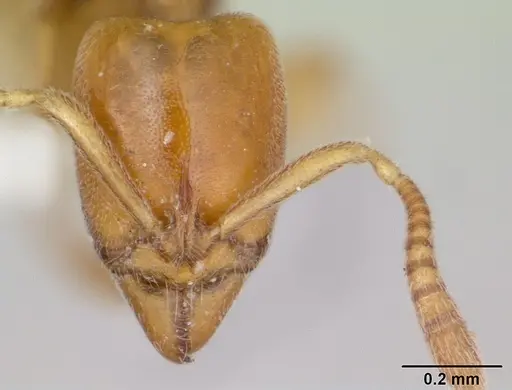
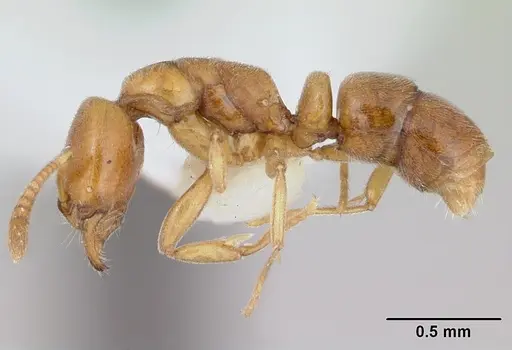
Hypoponera reichenspergeri is a small ponerine ant species native to the Neotropical region, found across Argentina, Brazil, and Paraguay [1]. Workers are small and cryptic, typical of the genus Hypoponera, which is known for its delicate build and often pale to reddish-brown coloration. This species has been documented with a fenestra, a small transparent spot on the cuticle, which is a distinguishing feature in systematic identification [2]. As a Ponerinae ant, they represent an older evolutionary lineage with more primitive social structures compared to more advanced ant subfamilies.
Quick Summary
- Difficulty: Medium
- Origin & Habitat: Neotropical region, Argentina, Brazil, and Paraguay. Found in coastal sand dunes (restinga habitats), sandy coastal plains, and various Brazilian ecosystems [1]. Like other Hypoponera species, they likely inhabit moist microhabitats such as leaf litter, soil, or rotting wood in forested areas.
- Colony Type: Colony structure is not well documented. Hypoponera species typically form small colonies with single queens, though some species in the genus may have ergatoid (wingless) replacement queens. Further research needed on the specific colony structure of H. reichenspergeri.
- Size & Growth:
- Queen: Estimated 4-5mm based on genus patterns, not directly measured for this species
- Worker: Estimated 2-3mm based on genus patterns, not directly measured for this species
- Colony: Likely small colonies of 50-200 workers based on typical Hypoponera colony sizes
- Growth: Moderate, based on genus patterns
- Development: Estimated 6-10 weeks at tropical temperatures based on related Ponerinae species (Development timeline is estimated from genus-level data, specific measurements for this species are not available)
- Antkeeping:
- Temperature: Keep at 22-26°C. As a Neotropical species, they prefer warm conditions. A heating cable on one side of the nest creates a temperature gradient allowing workers to self-regulate.
- Humidity: Maintain moderate to high humidity (60-80%). Keep the nest substrate consistently moist but not waterlogged. Hypoponera species typically prefer damp forest-floor conditions.
- Diapause: Likely no true diapause given their tropical distribution. However, they may show reduced activity during cooler periods. Monitor colony activity levels and adjust temperature accordingly.
- Nesting: Use a naturalistic setup with moist substrate (soil/sand mix) or a Y-tong/plaster nest that retains humidity well. These ants prefer tight, humid chambers typical of leaf-litter dwelling species.
- Behavior: Hypoponera reichenspergeri is likely a cryptic, ground-dwelling species typical of the genus. They probably forage in leaf litter and upper soil layers, potentially preying on small arthropods or scavenging. As Ponerinae, they have a functional sting though it is likely too small to affect humans significantly. Workers are probably modest in size and may show moderate aggression if threatened. Escape prevention should be moderate, their small size means they can slip through small gaps but they are not known as particularly aggressive escape artists.
- Common Issues: small colony sizes make them vulnerable to stress, handle minimally during founding, humidity control is critical, too dry and colonies fail, too wet and mold becomes a problem, limited availability in the antkeeping hobby means established colonies are rare, predatory nature requires appropriate live prey, they may not accept commercial ant foods readily, wild-caught colonies may contain parasites that can decimate captive colonies
Natural History and Distribution
Hypoponera reichenspergeri is found across the Neotropical region, specifically documented in Argentina, Brazil, and Paraguay [1]. Museum records and research papers show specimens collected from various Brazilian states including Santa Catarina and the western regions of Santa Catarina State [1]. They have been recorded in coastal sand dune ecosystems (restinga habitats) as well as inland areas, suggesting some ecological flexibility in habitat selection. The species was originally described by Santschi in 1923 from Brazil and has since been recognized as a valid Hypoponera species following taxonomic revisions [2]. The presence of a fenestra (a small transparent spot used in taxonomic identification) distinguishes this species from related taxa in the genus [2].
Housing and Nest Preferences
In captivity, Hypoponera reichenspergeri does well in setups that replicate their natural leaf-litter environment. A naturalistic terrarium with a soil/sand substrate (70% soil,30% sand works well) allows workers to create tunnels and chambers. Alternatively, a Y-tong (acrylic) nest with moist plaster or soil chambers provides excellent humidity control while allowing you to observe the colony. The key is maintaining consistent moisture, these ants desiccate quickly if conditions become too dry. Use a water reservoir or misting system to keep substrate damp. Provide a shallow water dish for drinking access. Avoid tall, open spaces, these are ground-dwelling ants that prefer tight, enclosed spaces.
Feeding and Diet
As a Ponerinae species, Hypoponera reichenspergeri is likely predatory or omnivorous, feeding on small arthropods in nature. In captivity, offer small live prey such as fruit flies, springtails, tiny mealworms, and other micro-arthropods. They may also accept protein-based commercial ant foods, though acceptance varies. Sugar sources like honey or sugar water may be accepted but should not be the primary food source. Feed small amounts 2-3 times per week, removing any uneaten prey after 24 hours to prevent mold. Fresh prey is essential, these ants are likely poor scavengers compared to more generalized ant species.
Temperature and Humidity Requirements
As a Neotropical species from Brazil, Argentina, and Paraguay, Hypoponera reichenspergeri requires warm, humid conditions. Maintain temperatures between 22-26°C (72-79°F) for optimal colony health and brood development. A slight temperature gradient (warm end around 26°C, cooler end around 22°C) allows workers to regulate their own temperature. Humidity should be kept at 60-80%, the substrate should feel damp but not waterlogged. Use a hygrometer to monitor conditions. A heating cable placed on one side of the nest (never directly on the ants) helps maintain warmth. Avoid temperature fluctuations and drafts.
Colony Development and Growth
Colony growth for Hypoponera reichenspergeri is expected to be moderate. Based on typical Ponerinae development, expect 6-10 weeks from egg to first worker (nanitic) at optimal temperatures. Initial colony growth is slow, the queen raises the first brood alone, and these founding workers are typically smaller than normal workers. Once the first workers emerge, growth accelerates as the colony now has foragers to bring in food. Maximum colony size is likely in the range of 50-200 workers, typical for Hypoponera species. Colonies are likely small and modest compared to more advanced ant species like Formicinae or Myrmicinae. Patience is essential, Ponerinae colonies develop more slowly than many common pet ants.
Behavior and Temperament
Hypoponera reichenspergeri is likely a cryptic, secretive species that avoids light and remains hidden in substrate. Workers probably forage in leaf litter and upper soil layers, hunting small prey or scavenging. As Ponerinae, they possess a functional sting, though given their small size, it likely has minimal effect on humans. They are not aggressive toward humans but may sting if directly threatened or handled roughly. Colonies are probably modest in activity level compared to more visible ant species. They do not form large visible foraging trails. Understanding their behavior requires patient observation of the nest area and careful attention to any movement in the foraging zone.
Frequently Asked Questions
How long does it take for Hypoponera reichenspergeri to produce first workers?
Based on related Ponerinae species, expect 6-10 weeks from egg to first worker at optimal temperatures (22-26°C). This is slower than many common ant species. The queen will raise the first brood alone in her claustral chamber.
What do Hypoponera reichenspergeri ants eat?
They are likely predatory or omnivorous. Feed small live prey like fruit flies, springtails, and tiny mealworms. They may accept protein gels or commercial ant foods, but fresh prey is essential. Sugar water or honey may be accepted occasionally.
How big do Hypoponera reichenspergeri colonies get?
Based on typical Hypoponera species, colonies likely reach 50-200 workers at maturity. They remain relatively small compared to many ant species. This is a modest colony size typical of cryptic leaf-litter dwelling ants.
What temperature do Hypoponera reichenspergeri ants need?
Keep them at 22-26°C (72-79°F). As a Neotropical species from Brazil and Argentina, they require warm conditions. A heating cable on one side of the nest creates a gradient for self-regulation.
Do Hypoponera reichenspergeri need hibernation?
Probably not. As a tropical/subtropical species, they likely do not require a true diapause. They may show reduced activity during cooler periods, but a full hibernation is not necessary. Simply maintain stable temperatures year-round.
Is Hypoponera reichenspergeri good for beginners?
This species is rated as Medium difficulty. While not the most challenging ant species, they require specific humidity and temperature control that beginners may find challenging. Their small size, modest colony sizes, and predatory diet require more attention than hardy beginner species.
Can I keep Hypoponera reichenspergeri in a test tube?
Test tubes can work for founding colonies, but these ants prefer humid conditions that test tubes provide naturally. However, once the colony grows, transfer to a naturalistic setup or Y-tong nest with moist substrate to maintain proper humidity and allow for natural behaviors.
Where is Hypoponera reichenspergeri found?
They are native to the Neotropical region, specifically Argentina, Brazil, and Paraguay. They have been documented in coastal sand dune habitats (restinga) and various Brazilian ecosystems.
Why is my Hypoponera reichenspergeri colony dying?
Common causes include: too low humidity (they need damp conditions), temperatures outside their 22-26°C range, lack of appropriate live prey, mold from overwatering, or stress from excessive disturbance. Check environmental conditions first and ensure you're offering suitable prey.
References

This caresheet is licensed under CC BY-SA 4.0 .
CASENT0173717
View on AntWeb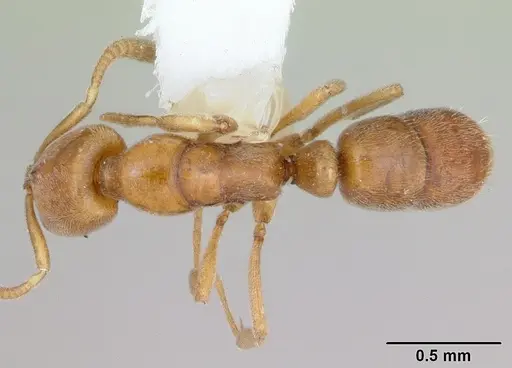
Literature
Loading...Loading products...