

Hypoponera parva
- Scientific Name
- Hypoponera parva
- Tribe
- Ponerini
- Subfamily
- Ponerinae
- Author
- Forel, 1909
- Distribution
- Found in 8 countries
Hypoponera parva Overview
Hypoponera parva is an ant species of the genus Hypoponera. It is primarily documented in 8 countries , including Colombia, Costa Rica, Cuba. Detailed taxonomic data and occurrence records can be further explored via authoritative databases such as AntWeb or the Global Biodiversity Information Facility (GBIF).
Hypoponera parva
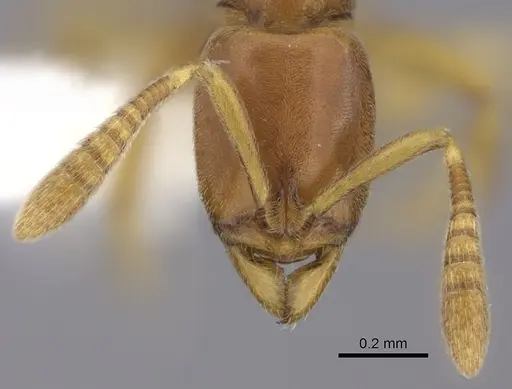
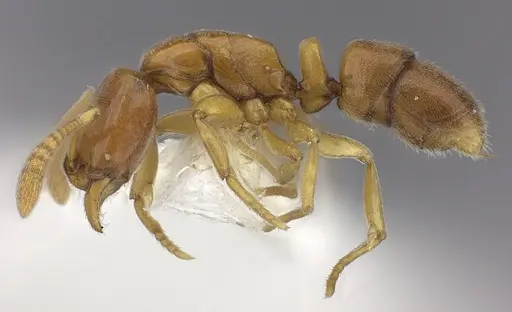
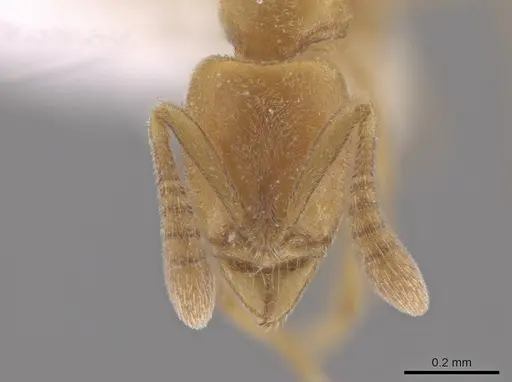
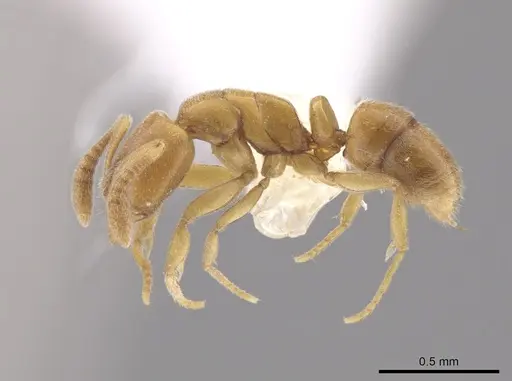
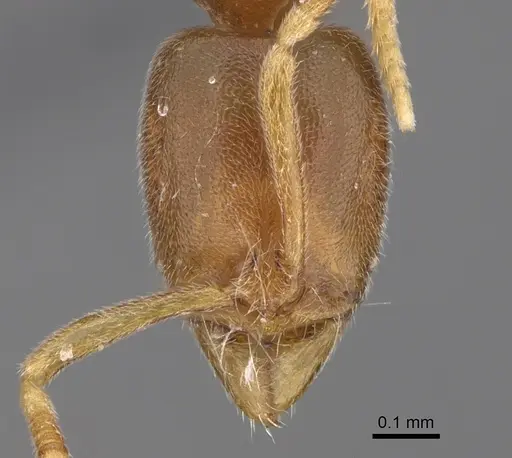
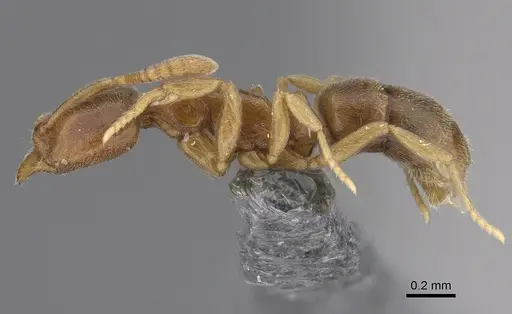
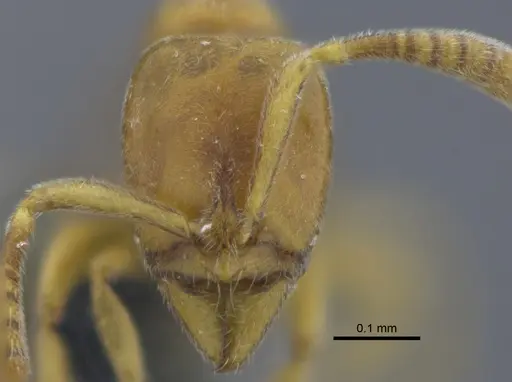
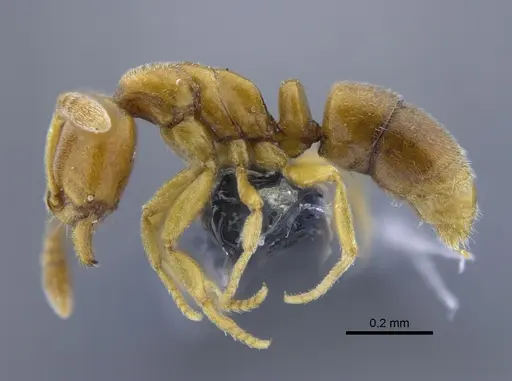
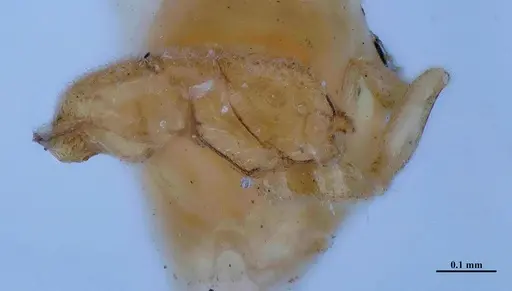
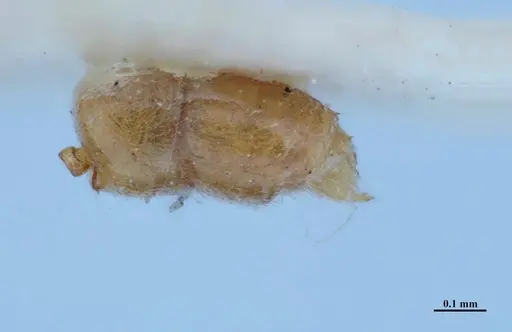
Hypoponera parva is a tiny predatory ant native to the Neotropical region, ranging from Mexico down to Bolivia and Colombia. Workers measure just 1.4-1.5mm, making them the smallest Hypoponera species in the New World [1]. They have a distinctive pale yellow to light yellow coloration with slightly lighter mandibles and legs [1]. Their eyes are extremely reduced, appearing almost absent with only a single slightly colored facet [1]. These ants nest in leaf litter and soil in tropical forests, both mature and disturbed areas [2]. They are predators, primarily feeding on springtails (collembolans) and other small invertebrates like flies [2][3].
Quick Summary
- Difficulty: Medium
- Origin & Habitat: Neotropical region, found in Guatemala, Mexico, Honduras, Costa Rica, Colombia (Antioquia, Chocó, Magdalena, Meta), Venezuela, and Bolivia. Nests in leaf litter and soil in tropical forests, both mature and disturbed areas [1][4][5][2].
- Colony Type: Colony structure is not fully documented in scientific literature. The species has ergatoid (wingless) males documented, which may indicate replacement reproductive systems [6].
- Size & Growth:
- Queen: Unknown, alated queen collected on July 27 in Bolivia [5]
- Worker: 1.4-1.50mm [1]
- Colony: Unknown, likely small colonies typical of Hypoponera genus
- Growth: Moderate, inferred from similar small predatory ants
- Development: Unknown, no direct development data available. Based on typical Ponerinae patterns, estimate 6-10 weeks at optimal temperature. (Development timeline not directly studied. Related Ponerinae species typically take 6-10 weeks from egg to worker.)
- Antkeeping:
- Temperature: Keep at 24-28°C, they are a tropical species requiring warm conditions. A gentle gradient allows them to regulate temperature.
- Humidity: High humidity required, they live in leaf litter and soil in tropical forests. Keep the nest substrate consistently moist but not waterlogged. Provide a humid outworld as they forage on the surface.
- Diapause: Unknown for this species. Tropical ants typically do not require hibernation, but may have reduced activity during dry seasons in the wild.
- Nesting: Use a naturalistic setup with moist substrate (soil/leaf litter mix) or a Y-tong/plaster nest with tight chambers scaled to their tiny size. They nest in litter and soil, so a naturalistic approach works well.
- Behavior: These ants are small, ground-dwelling predators. They are not aggressive and typically flee from threats rather than attack. Workers forage individually in leaf litter, hunting for springtails and other tiny prey. Their tiny size (1.4mm) means they can escape through very small gaps, excellent escape prevention is essential. They are slow-moving compared to many ants and rely on hunting small prey in the substrate. Eyes are extremely reduced, suggesting they may rely more on chemical cues than vision.
- Common Issues: escape prevention is critical due to their tiny 1.4mm size, they can squeeze through standard mesh, they require live prey (springtails, fruit flies), cannot survive on sugar alone, high humidity needs can lead to mold if ventilation is poor, slow growth means colonies develop gradually, patience required, tiny workers are easily lost or crushed during colony maintenance
Housing and Nest Setup
Hypoponera parva is a tiny ground-dwelling ant that naturally nests in leaf litter and soil in tropical forests. For captive care, a naturalistic setup works best, a shallow container filled with a moist soil/leaf litter mixture allows them to forage naturally. Alternatively, a Y-tong (acrylic) or plaster nest with very small chambers scaled to their 1.4mm size works well. The nest chambers should be tight and narrow, avoid tall, open spaces. Because they are so small, escape prevention must be excellent. Use fine mesh on any ventilation holes and ensure all connections are sealed. A small outworld for foraging can be attached, but keep it simple to minimize escape routes. [2][1]
Feeding and Diet
These ants are predators that hunt small invertebrates. In the wild, they primarily prey on springtails (collembolans) and have been observed catching flies (Diptera: Tabanidae) [2][3]. In captivity, offer live small prey such as springtails, fruit flies (Drosophila), and other tiny insects. They are unlikely to accept sugar water or honey, their diet is primarily protein-based. Feed small prey items 2-3 times per week, adjusting based on colony size and consumption. Remove uneaten prey after 24-48 hours to prevent mold. A well-fed colony will have workers with distended abdomens.
Temperature and Humidity
As a Neotropical species, Hypoponera parva requires warm, humid conditions. Keep the nest at 24-28°C, this range supports normal activity and likely brood development. A heating cable on one side of the nest creates a gentle gradient. They are found in tropical forests with high humidity, so keep the substrate consistently moist but not waterlogged. The substrate should feel damp to the touch. In a naturalistic setup, maintain moisture in the leaf litter layer. In a formicarium, ensure the water reservoir is adequate but not so large that flooding occurs. Good ventilation is essential to prevent mold while maintaining humidity. [2]
Behavior and Colony Dynamics
Hypoponera parva is a subtle, non-aggressive ant that avoids confrontation. Workers forage individually through leaf litter rather than forming visible foraging trails. Their eyes are extremely reduced (appearing as just one facet), so they likely rely on chemical signals rather than vision to navigate and find prey. The colony likely remains small, probably under 100 workers based on typical Hypoponera patterns. They have ergatoid (wingless) males, which may indicate they can produce replacement reproductives if the queen dies, though this is not well-studied. Colonies grow slowly, so patience is essential during the founding and early stages. [6][1][2]
Seasonal Care
In their native tropical habitat, these ants experience wet and dry seasons rather than cold winters. They are more frequently captured in Winkler samples during the dry season, suggesting they may become more active or more detectable when conditions are drier [2]. In captivity, maintain consistent warm, humid conditions year-round. Do not hibernate this species, they are tropical and cold temperatures can be harmful. If you notice reduced activity during what would be winter in temperate regions, simply reduce feeding slightly and maintain temperature, do not attempt to cool the colony.
Frequently Asked Questions
How long does it take for Hypoponera parva to have first workers?
The exact development timeline is unknown for this species. Based on typical Ponerinae development patterns, expect first workers (nanitics) approximately 6-10 weeks after the queen lays eggs, assuming optimal temperature around 24-28°C. Colonies grow slowly, so patience is essential during the founding phase.
Can I keep Hypoponera parva in a test tube?
A test tube setup can work for founding, but due to their tiny 1.4mm size and preference for leaf litter nesting, a naturalistic setup with moist substrate is more appropriate long-term. If using test tubes, ensure excellent escape prevention as they can squeeze through standard gaps.
What do Hypoponera parva eat?
They are predators that need live small prey. Offer springtails, fruit flies, and other tiny insects. They do not typically accept sugar sources, their diet is primarily protein. Feed small prey items 2-3 times per week.
Are Hypoponera parva good for beginners?
This species is rated as Medium difficulty. They require live prey feeding (not just sugar water), high humidity, and excellent escape prevention due to their tiny size. They are not the best choice for a first ant, but experienced antkeepers should find them manageable.
How big do Hypoponera parva colonies get?
Colony size is not well documented, but based on their tiny worker size and typical Hypoponera patterns, colonies likely remain relatively small, probably under 100 workers. They are not a fast-spreading species.
Do Hypoponera parva need hibernation?
No, they are a tropical Neotropical species and do not require hibernation. Maintain warm, humid conditions year-round. Cold temperatures can be harmful to this species.
Why are my Hypoponera parva escaping?
At only 1.4mm, they are extremely small and can squeeze through tiny gaps that other ants cannot. Use fine mesh (at least 1mm or smaller), seal all connections thoroughly, and consider using a barrier coating like Fluon on container edges. Check for any cracks or gaps in your setup.
Can I keep multiple Hypoponera parva queens together?
This has not been documented in scientific literature. The colony structure is not well studied, though ergatoid males are present. Combining unrelated queens is not recommended without evidence they can coexist.
What temperature is best for Hypoponera parva?
Keep them at 24-28°C. As a tropical species from Central and South America, they require warm conditions. A heating cable on part of the nest can create a temperature gradient. Avoid temperatures below 20°C.
References

This caresheet is licensed under CC BY-SA 4.0 .
CASENT0260431
View on AntWeb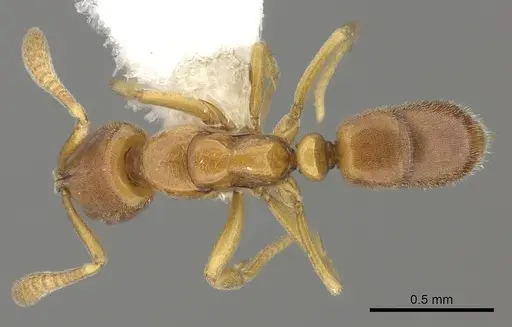
CASENT0655126
View on AntWeb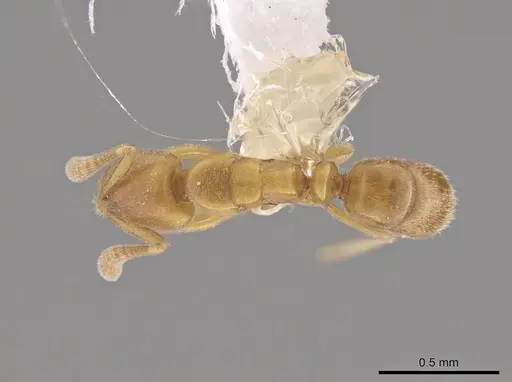
CASENT0923398
View on AntWeb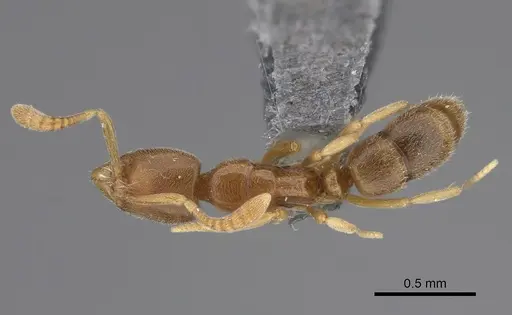
CBUMAGENT41727
View on AntWeb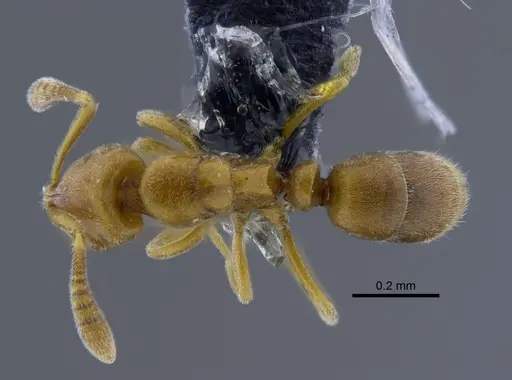
MHNGENTO00094337
View on AntWeb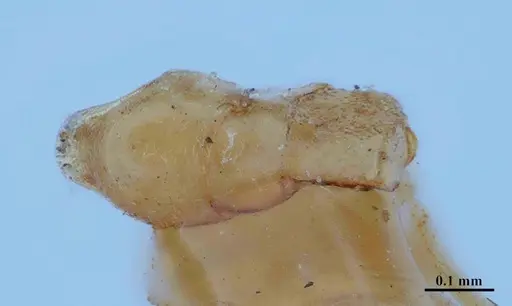
Literature
Loading...Loading products...