

Hypoponera pallidula
- Scientific Name
- Hypoponera pallidula
- Tribe
- Ponerini
- Subfamily
- Ponerinae
- Author
- Emery, 1900
- Distribution
- Found in 2 countries
Hypoponera pallidula Overview
Hypoponera pallidula is an ant species of the genus Hypoponera. It is primarily documented in 2 countries , including Australia, Papua New Guinea. Detailed taxonomic data and occurrence records can be further explored via authoritative databases such as AntWeb or the Global Biodiversity Information Facility (GBIF).
Hypoponera pallidula
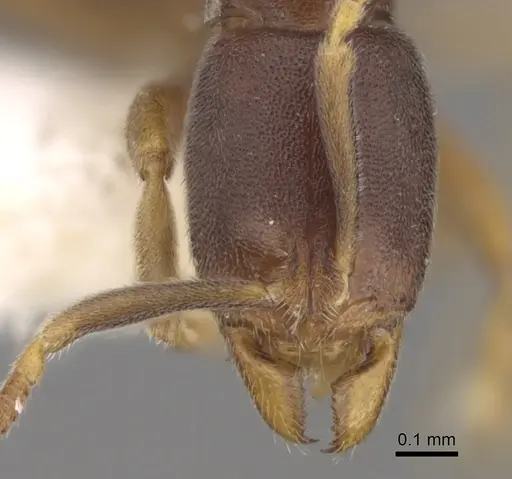
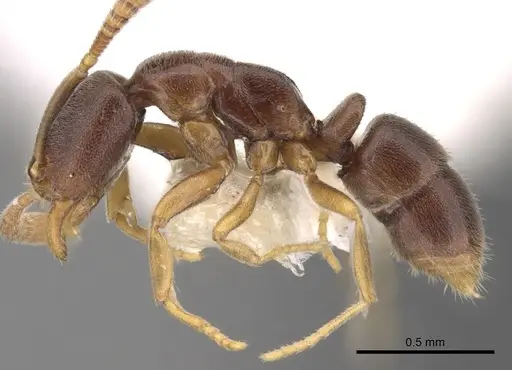
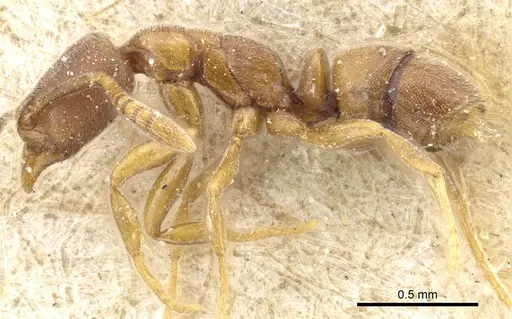
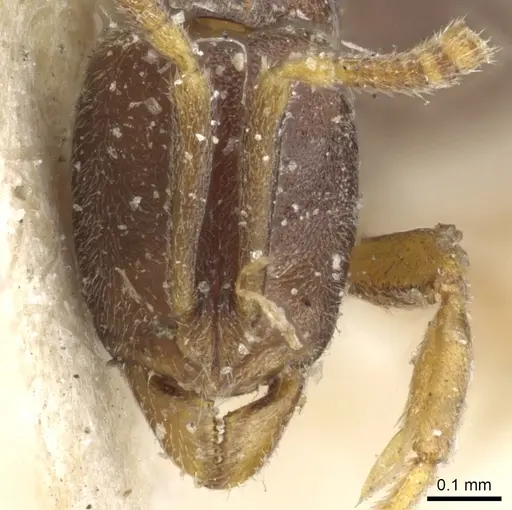
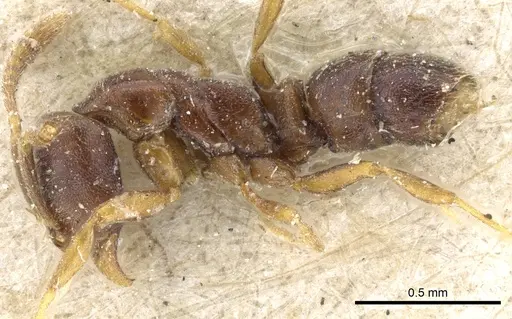
Hypoponera pallidula is a small, cryptic ant species belonging to the Ponerinae subfamily. Workers are slender and typically pale to reddish-brown in color, measuring around 2.5-3mm. This species is native to the Australasian region, specifically found on Lord Howe Island, the Solomon Islands, and Papua New Guinea [1]. The taxonomy has been debated, it was originally described as Hypoponera pallidula by Emery in 1900,with P. pallidula fuscula later recognized as a junior synonym. Research suggests this may actually be a cryptic species endemic to Lord Howe Island rather than a widespread exotic species [2]. As a Ponerine ant, they possess a functional stinger and are predatory by nature, though their small size and cryptic habits make them difficult to study in the wild.
Quick Summary
- Difficulty: Medium
- Origin & Habitat: Lord Howe Island, Solomon Islands (Malaita, Ysabel), and Papua New Guinea. Found in leaf litter and under stones in forested areas [1]. Lord Howe Island has a subtropical climate with mild temperatures year-round.
- Colony Type: Colony structure is unconfirmed. Likely single-queen colonies based on typical Hypoponera patterns, but this has not been directly documented for this species.
- Size & Growth:
- Queen: Unconfirmed, estimated 4-5mm based on genus patterns
- Worker: Approximately 2.5-3mm [1]
- Colony: Unknown, likely small colonies of under 100 workers based on typical Hypoponera behavior
- Growth: Moderate, estimated based on genus patterns
- Development: Estimated 6-10 weeks at optimal temperature based on related Ponerine species (Development timeline is not directly documented for this species. Estimates based on typical Ponerinae development patterns.)
- Antkeeping:
- Temperature: Keep at 22-26°C. Lord Howe Island has mild subtropical temperatures, so avoid extremes. A room-temperature setup within this range works well.
- Humidity: Moderate humidity of 60-80%. Keep the nest substrate consistently moist but not waterlogged. These ants live in leaf litter and under stones in nature, which suggests they prefer damp but not saturated conditions.
- Diapause: Unknown for this species. Lord Howe Island has mild winters, so a true diapause may not be required, but a slight cooling period during winter months may be beneficial.
- Nesting: Use a naturalistic setup with moist substrate, or a Y-tong/plaster nest with narrow chambers. They prefer tight, enclosed spaces and will nest in small cavities under stones or in rotting wood. Avoid large, open spaces.
- Behavior: These are cryptic, slow-moving ants that prefer to stay hidden. They are predatory and will hunt small invertebrates. Workers are not aggressive toward humans but possess a functional stinger capable of delivering mild pain. Escape risk is moderate, they are small but not particularly fast or agile. They are not known for climbing smooth surfaces aggressively. Colonies tend to stay compact and do not produce large numbers of workers quickly.
- Common Issues: Limited availability, this species is rarely available in the antkeeping hobby due to its restricted range, Slow colony growth may frustrate beginners expecting rapid development, Wild-caught colonies may carry parasites that are difficult to detect, Their cryptic nature means they may not be very active or visible, which can be disappointing for keepers expecting active foragers, Temperature control is important, they may not tolerate prolonged cool or dry conditions
Natural History and Distribution
Hypoponera pallidula is native to the Australasian region, with confirmed populations on Lord Howe Island, the Solomon Islands (Malaita and Ysabel), and Papua New Guinea [1]. The species was first recorded on Lord Howe Island in 1915 and was long considered endemic to that island [2]. Interestingly, recent research suggests this may actually be a cryptic species native to Lord Howe Island rather than a widespread exotic species, which has implications for both taxonomy and conservation [2]. The original description was published by Emery in 1900,with the queen described later by Mann in 1919. In nature, these ants are found in leaf litter and under stones in forested areas, typical of cryptic forest-floor dwelling ants.
Housing and Nest Preferences
In captivity, Hypoponera pallidula does well in naturalistic setups with moist substrate or in Y-tong/plaster nests with appropriately scaled chambers. These are tiny ants, so the chambers and passages should be small and tight-fitting. They prefer enclosed, dark spaces and will often nest in the deepest, most humid parts of the setup. A setup that mimics their natural leaf litter habitat works well, moist soil or coco fiber substrate with pieces of rotting wood or stones for cover. Avoid tall, open spaces that would make them feel exposed. They are not strong climbers, so standard escape prevention measures should suffice, but ensure all connections are secure since they can squeeze through tiny gaps.
Feeding and Diet
As predatory Ponerine ants, they primarily hunt small invertebrates. In captivity, offer small live prey such as fruit flies, pinhead crickets, and other tiny arthropods. Based on typical Hypoponera behavior, they likely accept protein sources like small mealworms, bloodworms, and similar items. Sugar sources may be accepted occasionally, but these ants are not primarily honeydew feeders. Feed small amounts every few days, removing any uneaten prey after 24 hours to prevent mold. The cryptic nature of these ants means they may not readily come out to forage, so place prey near nest entrances.
Temperature and Seasonal Care
Keep the colony at 22-26°C. Lord Howe Island has a mild subtropical climate with average temperatures ranging from about 15°C in winter to 25°C in summer, so this species likely prefers moderate, stable temperatures. Avoid temperatures below 18°C or above 30°C for extended periods. A heating cable on one side of the nest can create a gentle gradient if your room temperature runs cool. Regarding winter dormancy, the situation is unclear, Lord Howe Island has mild winters, so a true diapause may not be necessary, but a slight reduction in temperature during winter months (down to around 18-20°C) may be appropriate and could stimulate spring activity.
Behavior and Temperament
Hypoponera pallidula is a cryptic, secretive species. Workers are slow-moving and tend to stay hidden within the nest or under cover. They are not aggressive toward humans and will only sting if directly threatened or handled roughly. The sting is mild due to their small size. Colonies remain relatively small and do not produce massive worker populations. They are not known for establishing supercolonies or exhibiting aggressive territorial behavior. For keepers, this means you should not expect to see constant foraging activity, these ants prefer to stay hidden and may only emerge at night or when disturbed. This calm temperament makes them interesting observation subjects, though they may not be as visually impressive as more active species.
Frequently Asked Questions
How long does it take for Hypoponera pallidula to produce first workers?
The exact timeline is unconfirmed, but based on typical Ponerinae development patterns, expect around 6-10 weeks from egg to first worker at optimal temperature (22-26°C). This is slower than many common ant species.
What do Hypoponera pallidula ants eat?
They are predatory ants that hunt small invertebrates. Feed them small live prey like fruit flies, pinhead crickets, and tiny arthropods. They may also accept small protein sources like small mealworms or bloodworms. Sugar water may be occasionally accepted but is not a primary food source.
Are Hypoponera pallidula ants good for beginners?
This species is rated as Medium difficulty. While not overly demanding, they are rarely available and slow-growing, which can be frustrating. Their cryptic nature also means you won't see constant activity. Experienced antkeepers interested in unusual species may find them more rewarding than beginners.
What temperature do Hypoponera pallidula ants need?
Keep them at 22-26°C. This species comes from mild subtropical regions (Lord Howe Island, Solomon Islands) and does not tolerate extreme temperatures. Room temperature within this range is ideal.
How big do Hypoponera pallidula colonies get?
Colony size is not well documented, but based on typical Hypoponera behavior, colonies likely remain small with probably under 100 workers. They are not known for producing massive colonies.
Can I keep multiple Hypoponera pallidula queens together?
The colony structure is unconfirmed for this species. Combining unrelated queens has not been documented and is not recommended. If you obtain a colony, keep it as a single-queen setup until more information becomes available.
Do Hypoponera pallidula ants need hibernation?
Diapause requirements are unknown. Lord Howe Island has mild winters, so a true hibernation may not be necessary. A slight cooling period to 18-20°C during winter months may be beneficial but is likely not required.
Why is my Hypoponera pallidula colony not growing?
This is a slow-growing species by nature. Ensure temperatures are in the 22-26°C range, humidity is adequate (60-80%), and they have regular small prey items. Colonies may appear inactive because these ants are naturally cryptic and spend much time hidden.
Is Hypoponera pallidula available in the antkeeping hobby?
This species is very rarely available. It is endemic to Lord Howe Island and surrounding regions, making it difficult to obtain. Most antkeepers interested in this species would need to locate specialized breeders or source from specific regions where they are permitted.
References

This caresheet is licensed under CC BY-SA 4.0 .
CASENT0270520
View on AntWeb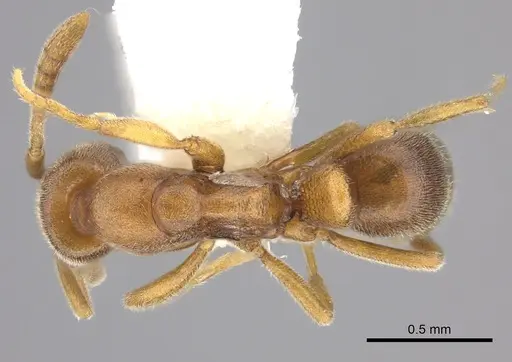
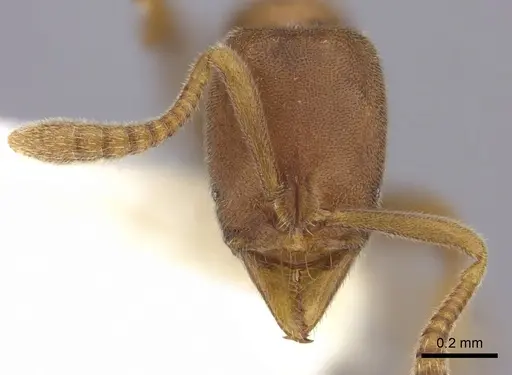
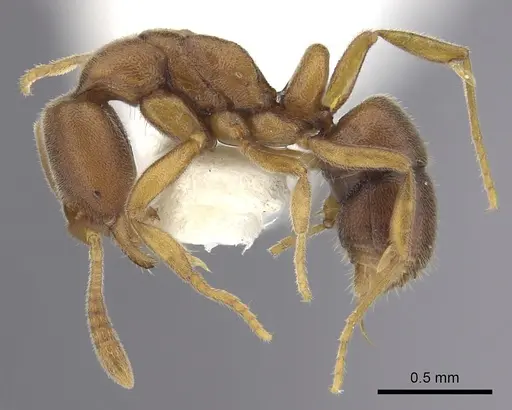
CASENT0281912
View on AntWeb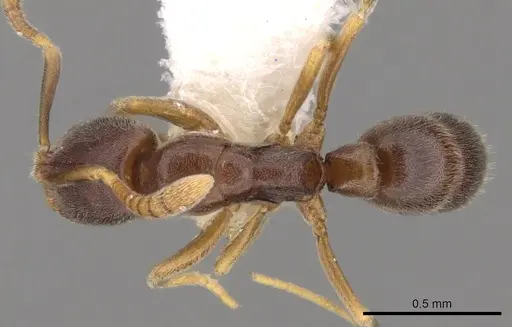
CASENT0903917
View on AntWeb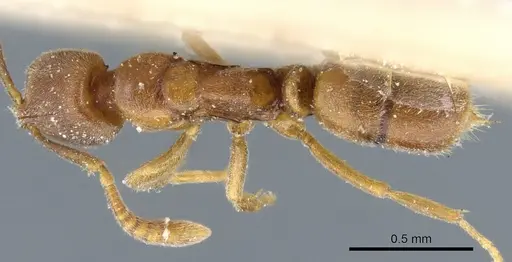
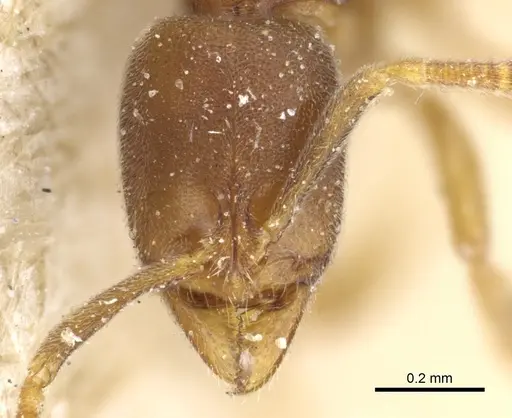
CASENT0903918
View on AntWeb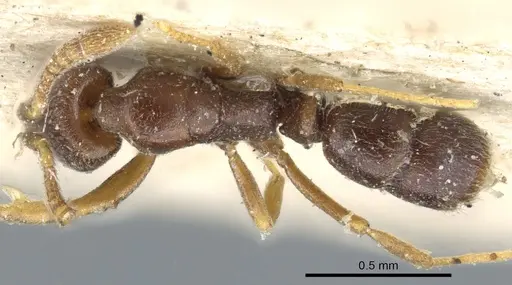
Literature
Loading...Loading products...