

Hypoponera odiosa
- Scientific Name
- Hypoponera odiosa
- Tribe
- Ponerini
- Subfamily
- Ponerinae
- Author
- Bolton & Fisher, 2011
- Distribution
- Found in 2 countries
Hypoponera odiosa Overview
Hypoponera odiosa is an ant species of the genus Hypoponera. It is primarily documented in 2 countries , including Cameroon, Equatorial Guinea. Detailed taxonomic data and occurrence records can be further explored via authoritative databases such as AntWeb or the Global Biodiversity Information Facility (GBIF).
Hypoponera odiosa
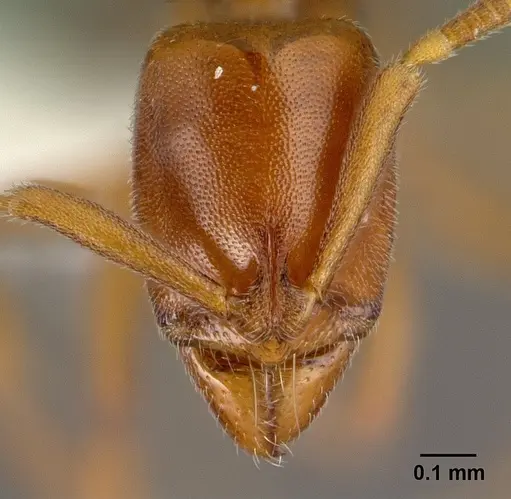
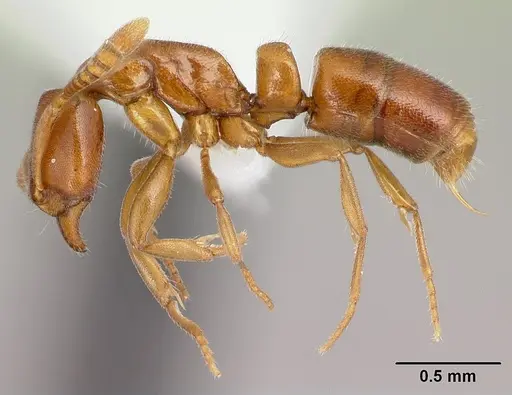
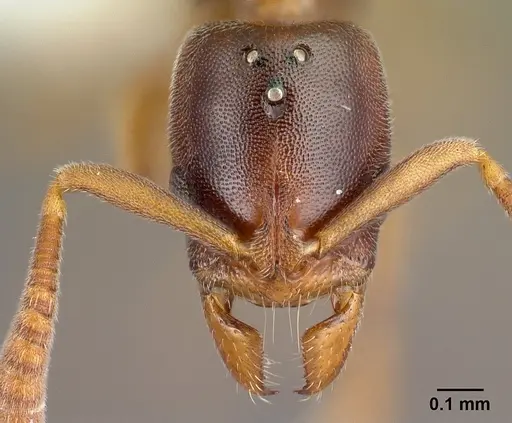
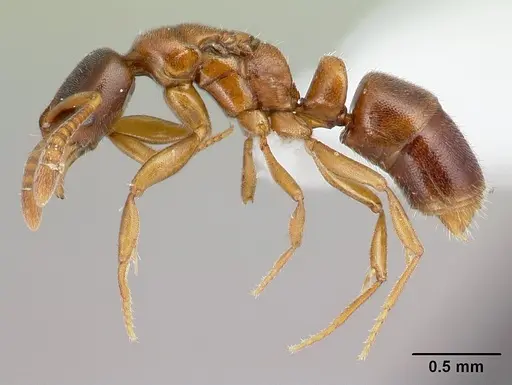
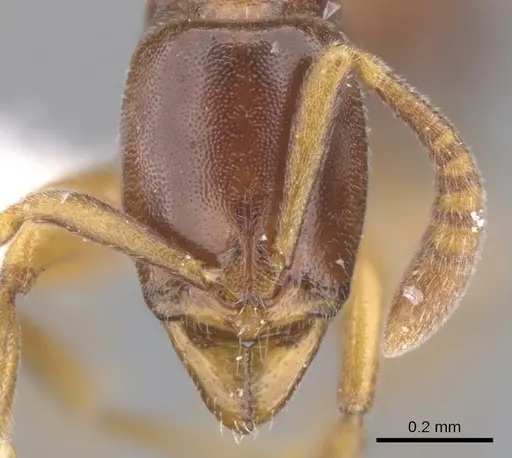
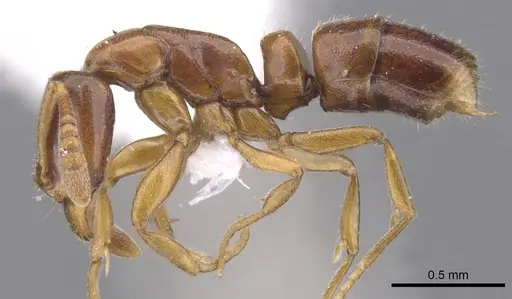
Hypoponera odiosa is a tiny, cryptic ponerine ant species described in 2011,known only from the lowland rainforests of Cameroon in central Africa. Workers are among the smallest ants you'll encounter, measuring just 0.58-0.64mm in head length with a uniform brown coloration. They have virtually no eyes, a trait common to many Hypoponera species that live hidden away in leaf litter and rotting wood. The petiole (the narrow 'waist' segment) has a distinctive tall, thick shape that helps separate this species from its close relative H. occidentalis. These ants are part of the H. abeillei group, a collection of small, cryptic Ponerines scattered across Africa. Because they were only recently described and have never been kept in captivity, there's no established care history in the antkeeping hobby, you're truly pioneering with this species.
Quick Summary
- Difficulty: Expert
- Origin & Habitat: Cameroon, central Africa, lowland tropical rainforest, specifically found in leaf litter and rotting wood in the Bondé Forest region near Nkolo [1][2]
- Colony Type: Unknown. Colony structure has not been documented for this species. Many Hypoponera species have ergatoid (wingless) queens that can serve as replacement reproductives, but whether H. odiosa follows this pattern is unconfirmed.
- Size & Growth:
- Queen: undescribed, queens are known from the type series but were not measured in the original description [1]
- Worker: 0.58-0.64mm head length, roughly 3-4mm total length [1]
- Colony: Unknown, no colony size data exists for this species
- Growth: Unknown, no development data exists for this species
- Development: Unconfirmed, no direct observations of colony development exist. Based on typical Hypoponera patterns and tropical Ponerine development, estimate 6-10 weeks at warm temperatures, but this is a rough guess. (This is entirely speculative, no species-specific data exists.)
- Antkeeping:
- Temperature: Keep warm, roughly 24-28°C. This species comes from lowland Cameroon rainforest where temperatures are consistently warm year-round. A gentle heat gradient allows the ants to regulate their own temperature.
- Humidity: High humidity is essential, think damp rainforest floor. Keep the nest substrate consistently moist but not waterlogged. These ants live in leaf litter and rotting wood where humidity stays high. Provide a water reservoir in the nest setup.
- Diapause: Unlikely, Cameroon has no cold season. This species probably remains active year-round with no dormancy period. Do not cool them down unless the colony shows clear signs of slowing during what would be the dry season (roughly December-February).
- Nesting: Provide a naturalistic setup with damp substrate, a Y-tong or plaster nest with moist chambers works well. The key is maintaining high humidity while allowing some ventilation to prevent mold. These tiny ants will do best in tight chambers scaled to their minute size. Avoid dry, open setups.
- Behavior: Expect cryptic behavior, these ants are blind or nearly so and live hidden in leaf litter. They will likely be slow-moving, secretive, and avoid light. Workers are tiny and may be overlooked in the outworld. They are probably predatory on small soil micro-arthropods. Escape prevention should be excellent regardless of their small size, tiny ants can slip through surprisingly small gaps. Do not expect visible foraging activity or large brood caches.
- Common Issues: no established care precedent, this species has never been documented in captivity, so all care is experimental, tiny size makes them easy to lose during transfers or to overlook in the outworld, high humidity needs can lead to mold problems if ventilation is poor, lack of documented feeding acceptance means you may need to experiment with prey items, wild-caught colonies may contain parasites or pathogens that can wipe out captive colonies
Housing and Setup
Housing Hypoponera odiosa requires a setup that recreates the damp, hidden world of tropical rainforest leaf litter. A Y-tong (acrylic) or plaster nest with small, tight chambers works best, these ants are tiny and will feel exposed in large, open spaces. The nest substrate must stay consistently moist but never waterlogged. Add a water reservoir to the setup and check daily that the substrate hasn't dried out. Because they have virtually no eyes, these ants will avoid light强烈, keep the nest covered or in a dark area. For the outworld, use a simple setup since they're unlikely to forage visibly. A small container with damp soil or coconut fiber substrate gives them hunting territory. Escape prevention must be excellent, these tiny ants can slip through gaps you'd never expect. Use fine mesh on any openings and consider applying Fluon to the rim of the outworld. [1][2]
Feeding and Diet
Feeding Hypoponera odiosa is entirely speculative since no one has documented what this species accepts in captivity. Based on genus-level patterns, they're likely predatory on tiny soil arthropods like springtails, mites, and other micro-invertebrates. Start by offering live micro-prey: springtails are the safest choice, being small enough for these tiny ants to tackle and readily accepted by most Ponerines. You might also experiment with other tiny arthropods. Because they're blind and cryptic, they probably hunt by chemical cues rather than active foraging, place prey directly in their hunting area rather than expecting them to find it. Sugar sources are unlikely to be accepted, Ponerines in this genus are typically strict predators. Feed small amounts every few days and remove any uneaten prey to prevent mold in the humid setup.
Temperature and Seasonal Care
Keep Hypoponera odiosa warm, aim for 24-28°C consistently. This species comes from lowland Cameroon rainforest where temperatures rarely drop below the mid-20s Celsius. A small heating cable or mat on one side of the nest creates a gentle temperature gradient, letting the ants choose their comfort zone. Place the heating on top of the nest, not underneath, to avoid evaporating moisture too quickly. Unlike temperate ants, this species likely has no diapause or winter rest period. Cameroon has two wet seasons and two dry seasons, but the temperature stays relatively stable year-round. Don't be surprised if the colony remains active throughout the year. If anything, they might slow slightly during the dry seasons (roughly December-February and June-August), but this is speculative. [1][2]
Understanding the Challenges
You need to understand what you're getting into with Hypoponera odiosa, this is genuinely an experimental species with no captive care history. The biggest challenge is that everything about keeping them is unknown: we don't know what they eat, how fast they develop, how large their colonies grow, or even whether they're single-queen or multi-queen. You'll be essentially pioneering their care in captivity. Start with a small colony if you can find one, so losses aren't catastrophic. Document your observations carefully, the antkeeping community needs to know what works and what doesn't. These ants are not for beginners, and they're not for someone who wants a display species. They're a project species for experienced keepers who enjoy the experimental process. The reward is being among the first to successfully keep this newly described African species.
Frequently Asked Questions
Can I keep Hypoponera odiosa in a test tube?
A test tube setup can work for founding colonies if you maintain high humidity, but these ants need more space as the colony grows. A small Y-tong or plaster nest with multiple chambers is better for established colonies. The key is keeping the substrate consistently moist.
How long until first workers with Hypoponera odiosa?
We don't know. No one has documented the development time for this species. Based on typical tropical Ponerine development, expect roughly 6-10 weeks from egg to worker at warm temperatures, but this is a rough estimate.
What do Hypoponera odiosa ants eat?
Likely tiny predatory insects and arthropods. Start with live springtails, they're small enough for these tiny ants and are readily accepted by most Ponerines. Other micro-arthropods may be accepted. Sugar sources are unlikely to be taken.
Are Hypoponera odiosa good for beginners?
No. This species is not recommended for beginners. There's no established care precedent, everything about keeping them is experimental. They also have very specific humidity needs and are extremely small, making them challenging to house and maintain.
Do Hypoponera odiosa ants sting?
Ponerine ants can sting, but these are so tiny that any sting would be negligible to humans. The real concern is that they're virtually blind and likely very secretive, so you may rarely see them at all.
How big do Hypoponera odiosa colonies get?
Unknown. No colony size data exists for this species. Related Hypoponera species typically have small colonies, often under 100 workers, but this is just a general pattern with no specific data for H. odiosa.
Do Hypoponera odiosa need hibernation?
Unlikely. Cameroon is a tropical environment with no cold season. This species probably remains active year-round. Do not cool them down unless the colony shows clear signs of seasonal slowing.
Can I keep multiple queens together?
We don't know. Colony structure has not been documented for this species. Many Hypoponera species have ergatoid (wingless) queens, but whether multiple queens can found a colony together or whether they live in multi-queen colonies is unknown. Not recommended to attempt without data.
Why are my Hypoponera odiosa dying?
Without established care precedent, any number of factors could be the cause. The most likely issues are: humidity dropping too low (they need consistently damp conditions), temperature being too cold, mold from overwatering with poor ventilation, or simply not accepting the prey items you're offering. Document your setup and conditions carefully when experimenting with this species.
When should I move Hypoponera odiosa to a formicarium?
Wait until the colony is established and you can see workers clearly. Given their tiny size and need for high humidity, a small Y-tong or plaster nest works well. Don't rush the transition, these ants do best in stable, humid conditions.
References

This caresheet is licensed under CC BY-SA 4.0 .
CASENT0226603
View on AntWeb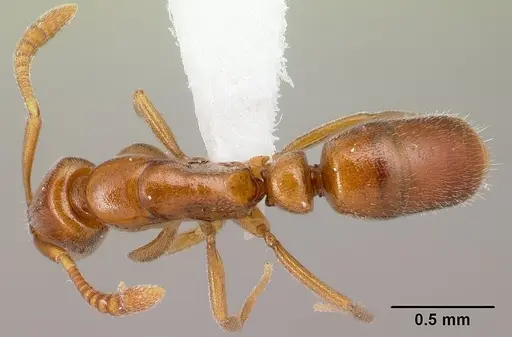
CASENT0226620
View on AntWeb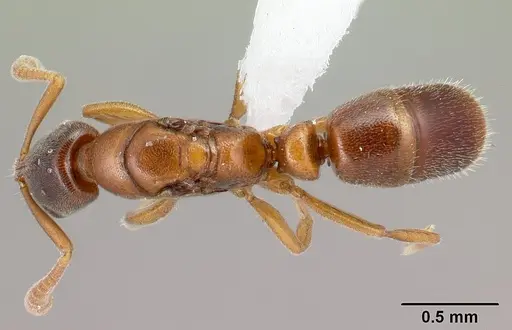
CASENT0226623
View on AntWeb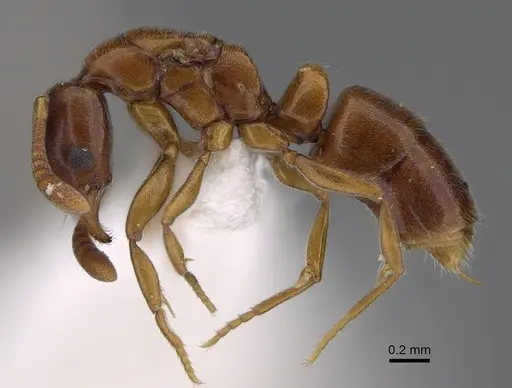
CASENT0902557
View on AntWeb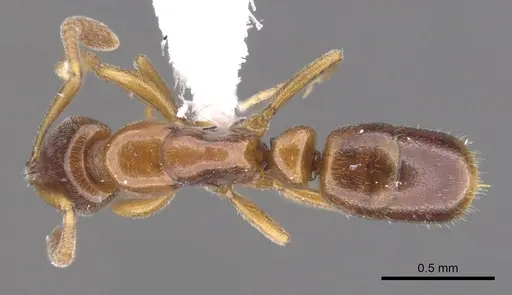
Literature
Loading...Loading products...