

Hypoponera nitidula
- Scientific Name
- Hypoponera nitidula
- Tribe
- Ponerini
- Subfamily
- Ponerinae
- Author
- Emery, 1890
- Distribution
- Found in 5 countries
Hypoponera nitidula Overview
Hypoponera nitidula is an ant species of the genus Hypoponera. It is primarily documented in 5 countries , including Costa Rica, Guatemala, Honduras. Detailed taxonomic data and occurrence records can be further explored via authoritative databases such as AntWeb or the Global Biodiversity Information Facility (GBIF).
Hypoponera nitidula
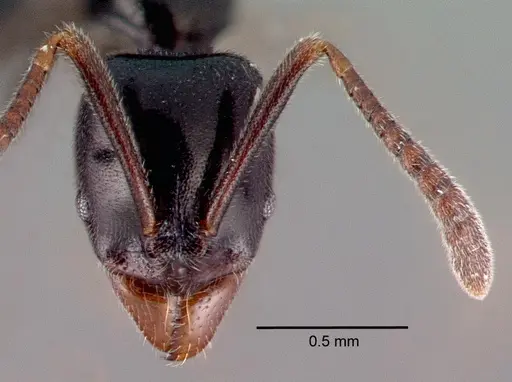
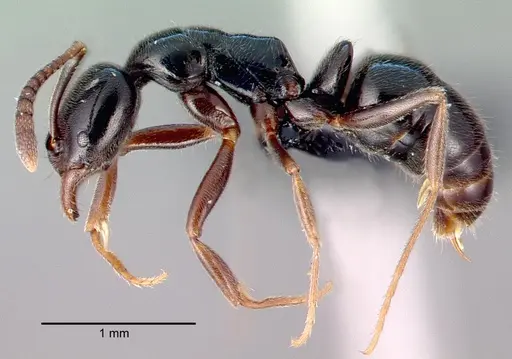
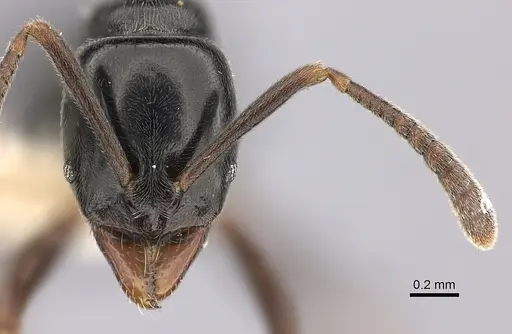
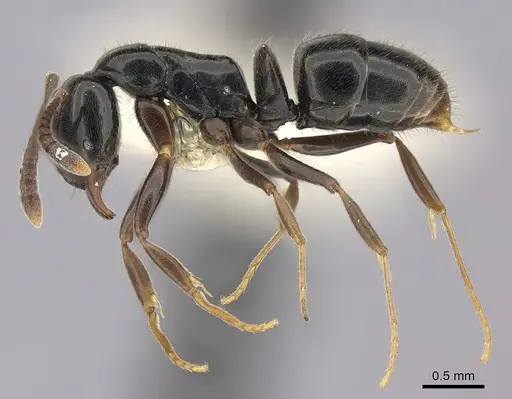
Hypoponera nitidula is a small, dark Ponerine ant native to the Neotropical region, found across Belize, Costa Rica, Guatemala, Honduras, and Mexico. Workers are black and nearly hairless, measuring around 2.5-3mm. This species is ground-dwelling, typically collected from leaf litter in tropical rainforests using Winkler extraction methods. Unlike many ants that nest above ground, H. nitidula prefers the damp forest floor environment. The species is notable for having ergatoid (wingless) males and intercastes, which are intermediate castes between workers and queens, a relatively uncommon trait in ants that gives them flexibility in colony reproduction.
Quick Summary
- Difficulty: Medium
- Origin & Habitat: Tropical Central America and southern Mexico. Found in lowland rainforest habitats, specifically in leaf litter and soil. Recorded in Chiapas, Tabasco, and Veracruz states in Mexico, as well as Costa Rica, Guatemala, Belize, and Honduras [1][2]. They thrive in humid, shaded forest floor environments and show some tolerance to human-modified landscapes like home gardens [3].
- Colony Type: Colony structure is not well documented. The species has ergatoid (wingless) males and intercastes, suggesting flexible reproductive options [4]. Likely monogyne (single queen) based on typical Ponerine patterns, though this needs confirmation.
- Colony: Monogyne
- Founding: Semi-claustral
- Size & Growth:
- Queen: Estimated 4-5mm based on genus patterns
- Worker: 2.5-3mm [5]
- Colony: Likely small to moderate, under 500 workers based on typical Ponerine colony sizes and leaf litter habitat
- Growth: Moderate, Ponerines typically develop slower than advanced ants
- Development: Estimated 8-12 weeks based on typical Ponerine development at 24-26°C (Ponerine ants generally have longer development times than Myrmicinae. Expect slower growth compared to Lasius or Tetramorium.)
- Antkeeping:
- Temperature: Keep at 24-28°C. These are tropical ants from lowland rainforests, so they need warm, stable temperatures. A heating cable on one side of the nest creates a gradient they can regulate themselves.
- Humidity: High humidity is critical. Keep the nest substrate consistently moist but not waterlogged, think damp forest floor. They naturally live in leaf litter where humidity stays high. Mist occasionally and use a water reservoir.
- Diapause: No, this is a tropical species that does not hibernate. Keep temperatures stable year-round.
- Nesting: Ponerines prefer dark, humid nesting sites. A Y-tong (acrylic) nest or plaster nest works well. Provide moist substrate (soil or sand mixture) that holds humidity. They prefer tight, enclosed chambers rather than open spaces. Avoid dry, airy nests.
- Behavior: Ponerine ants are generally more primitive in their behavior, they have a functional stinger and may use it if threatened. Workers are small but can deliver a mild sting. They are not aggressive toward humans but will defend their nest. Foraging is done individually rather than in trails. They are ground-dwellers and unlikely to climb well, reducing escape risk compared to arboreal species. Workers are relatively slow-moving compared to faster ants like Paratrechina.
- Common Issues: high humidity requirements can lead to mold if ventilation is poor, balance is key, tropical species cannot tolerate cool temperatures, keep above 24°C year-round, slow growth can frustrate beginners who expect rapid colony development, small colony size means losses have bigger impact, avoid disturbing founding colonies, Ponerines can be outcompeted by faster ants if housed in shared spaces
Housing and Nest Setup
Hypoponera nitidula does best in a humid, dark nest environment. A Y-tong (acrylic) nest or plaster formicarium works well because these materials hold moisture better than wooden or stone nests. Fill the outworld with leaf litter or moist soil to mimic their natural forest floor habitat. Keep the nest area dark, these ants prefer enclosed, dark chambers. A small water tube or reservoir in the outworld helps maintain humidity. Because they are small (2.5-3mm), ensure your escape barriers are adequate even though they are not strong climbers. [5]
Feeding and Diet
Ponerine ants are primarily predatory, using their stinger to subdue small prey. Feed small live prey like fruit flies, pinhead crickets, mealworms, and other small insects. They likely accept protein-rich foods more readily than sugar. In the wild, they hunt small arthropods in the leaf litter. Offer protein 2-3 times per week and remove uneaten prey within 24 hours to prevent mold. Sugar water or honey can be offered occasionally but is not a primary food source for this predatory species.
Temperature and Seasonal Care
As a tropical species from Central American lowlands, Hypoponera nitidula needs warm conditions year-round. Keep the nest at 24-28°C with minimal temperature fluctuations. A heating cable placed on part of the nest creates a temperature gradient. Room temperature may be too cool in winter, monitor with a thermometer. They do not undergo diapause or hibernation. Cool temperatures below 20°C can weaken or kill colonies. Avoid placing the nest near air conditioning vents or drafty windows. [1]
Behavior and Defense
This is a Ponerine ant, which means they retain a functional stinger from their more primitive evolutionary position. Workers may sting if they feel threatened, though the sting is mild due to their small size. They are not aggressive and will typically flee rather than attack. Foraging happens individually rather than in trails, workers hunt alone through the leaf litter. They are ground-dwelling and poor climbers, which makes escape prevention easier than for arboreal species. Colonies are relatively quiet and unobtrusive compared to faster, more active ant species. [4]
Colony Growth and Development
Ponerine ants typically grow more slowly than many common pet ants. Expect the first workers (nanitics) to appear around 2-3 months after founding, with development taking 8-12 weeks total. Colonies remain small, likely under a few hundred workers even at maturity. The presence of ergatoid males and intercastes suggests the colony has some flexibility in how it reproduces. Be patient with founding colonies, disturbing them frequently can cause queen stress and colony failure. Once established, growth is steady but slow compared to species like Lasius or Tetramorium. [4]
Frequently Asked Questions
How long does it take for Hypoponera nitidula to have first workers?
Expect first workers (nanitics) around 8-12 weeks after the queen lays eggs, assuming temperatures around 24-26°C. Ponerine ants develop slower than many common ant species, so patience is needed during the founding stage.
What do Hypoponera nitidula ants eat?
They are primarily predatory. Feed small live prey like fruit flies, small crickets, mealworms, and other tiny insects. Protein should be offered 2-3 times weekly. They may accept sugar water or honey occasionally, but protein is their main food source.
Can I keep Hypoponera nitidula in a test tube?
Yes, a test tube setup works for founding colonies. Keep it humid by ensuring the water reservoir doesn't dry out. Once the colony grows beyond 20-30 workers, consider moving to a more spacious Y-tong or plaster nest with room for expansion.
Do Hypoponera nitidula need hibernation?
No, they do not hibernate. This is a tropical species from Central America that needs warm temperatures year-round. Keep them at 24-28°C consistently. Cool temperatures can stress or kill the colony.
How big do Hypoponera nitidula colonies get?
Colonies likely remain small, probably under 500 workers at maturity. This is typical for leaf-litter Ponerine ants. They are not supercolonial and prefer small, contained colonies.
Are Hypoponera nitidula good for beginners?
They are intermediate in difficulty. The main challenges are their need for high humidity, warm temperatures, and slower growth compared to beginner-friendly species. If you can maintain humid, warm conditions and are patient, they can be rewarding.
When should I move Hypoponera nitidula to a formicarium?
Move them when the test tube becomes crowded or the colony reaches around 30-50 workers. Ponerines prefer tight, humid chambers, so a Y-tong or plaster nest with small chambers works better than large naturalistic setups.
Why is my Hypoponera nitidula colony dying?
Common causes include: temperatures below 24°C, dry humidity, mold from overwatering with poor ventilation, or disturbing the nest too often. Check that temperature is stable, humidity is high but not stagnant, and the queen is healthy.
Can I combine multiple Hypoponera nitidula queens?
This has not been documented. Ponerine queens are typically solitary foundresses. Combining unrelated queens is not recommended as it may result in fighting. If you catch multiple founding queens, house them separately.
References

This caresheet is licensed under CC BY-SA 4.0 .
CASENT0039771
View on AntWeb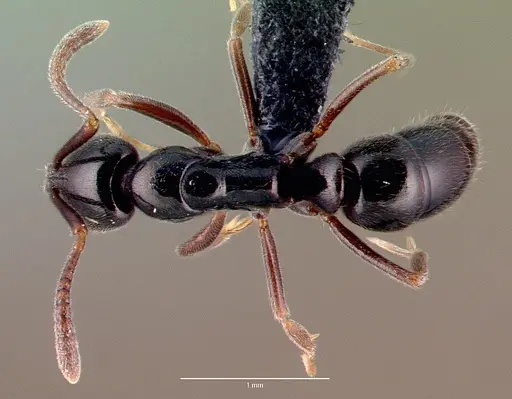
CASENT0073874
View on AntWeb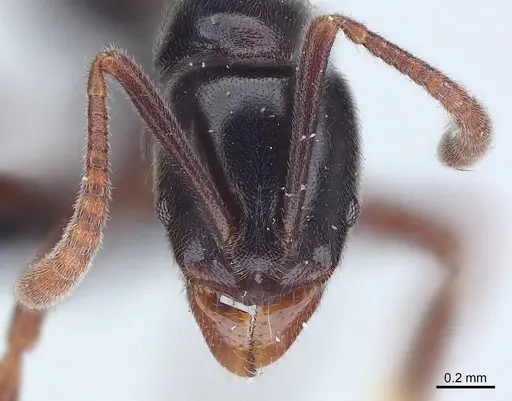
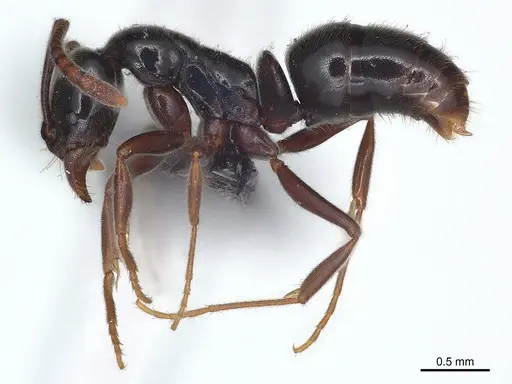
CASENT0073886
View on AntWeb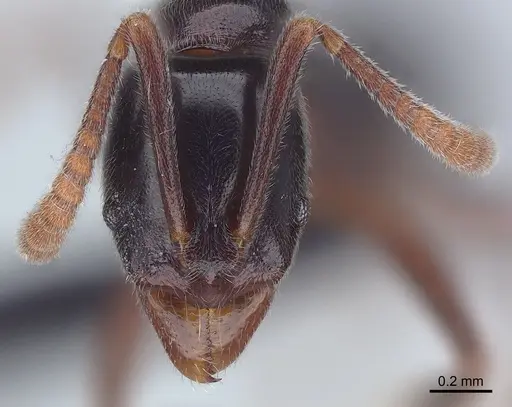
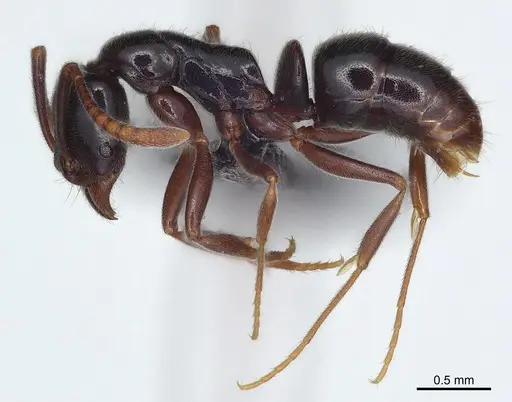
CASENT0260430
View on AntWeb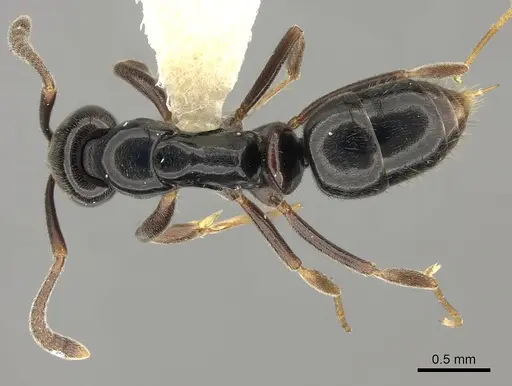
Literature
Loading...Loading products...