

Hypoponera nippona
- Scientific Name
- Hypoponera nippona
- Tribe
- Ponerini
- Subfamily
- Ponerinae
- Author
- Santschi, 1937
- Distribution
- Found in 4 countries
Hypoponera nippona Overview
Hypoponera nippona is an ant species of the genus Hypoponera. It is primarily documented in 4 countries , including China, Japan, Korea. Detailed taxonomic data and occurrence records can be further explored via authoritative databases such as AntWeb or the Global Biodiversity Information Facility (GBIF).
Hypoponera nippona
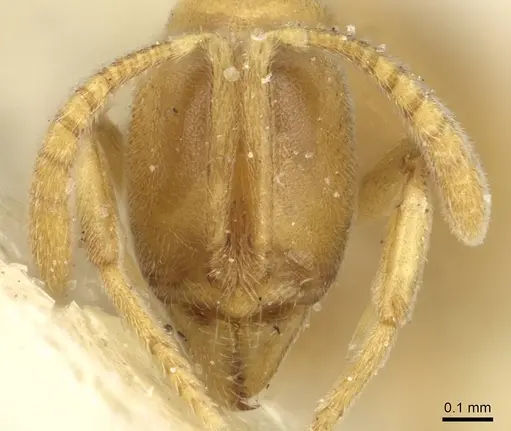
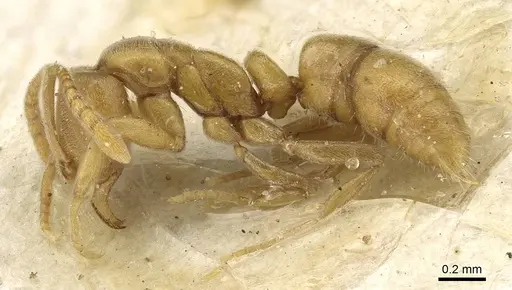
Hypoponera nippona is a tiny Ponerine ant native to East Asia, found in China, Japan, and Korea. Workers measure just under 2.5mm and have a distinctive yellow to yellowish-brown coloration. They can be identified by their single-faceted eyes positioned far from the clypeus, a deeply constricted metanotum, and a broad elliptical petiole. These ants nest in soil and are considered rather rare in their natural range [1][2]. Unlike many common house ants, Hypoponera nippona is a predatory species in the Ponerinae subfamily, meaning they hunt small prey rather than scavenge on sweets. Their colonies are monogynous (single queen) and form small, localized nests in the ground [3].
Quick Summary
- Difficulty: Medium
- Origin & Habitat: Native to East Asia including Japan, Korea, and China (Yunnan, Taiwan). They inhabit forest floor environments and nest in soil [1][2].
- Colony Type: Monogynous (single queen) and monodomous (single nest). Colonies remain small and localized [3].
- Colony: Monogyne
- Size & Growth:
- Queen: Unconfirmed, estimated 3-4mm based on genus (related Hypoponera species)
- Worker: Just under 2.5mm [1][2]
- Colony: Small, likely under 100 workers based on rarity and single-queen colony structure
- Growth: Moderate, estimated based on related Ponerine species
- Development: Estimated 6-10 weeks at optimal temperature based on genus-level data for similar Ponerines (Direct development data unavailable, estimates based on related species in the genus)
- Antkeeping:
- Temperature: Keep at room temperature around 20-24°C. They prefer moderate warmth without extreme heat. A gentle gradient allowing cooler areas is beneficial.
- Humidity: Maintain moderate to high humidity, these soil-nesting ants need damp substrate. Keep the nest substrate consistently moist but not waterlogged.
- Diapause: Likely requires winter dormancy given their temperate origin. A period of reduced temperatures (around 10-15°C) for 2-3 months during winter is recommended.
- Nesting: Soil-based nesting is natural. A naturalistic setup with moist soil or a plaster/acrylic nest with moisture chambers works well. Their tiny size requires tight chambers and excellent escape prevention.
- Behavior: Hypoponera nippona is a predatory ant that hunts small invertebrates. They are not aggressive toward humans but possess a functional stinger, though their small size makes it difficult for them to penetrate human skin. Workers are ground-dwelling and forage in soil and leaf litter. Because of their tiny size (under 2.5mm), escape prevention is critical, they can squeeze through remarkably small gaps. Colonies remain small and are relatively inactive compared to more common ant species.
- Common Issues: tiny size means escapes are likely without fine mesh barriers and tight-fitting lids, limited availability, this species is considered rare in the hobby, slow colony growth can frustrate beginners expecting rapid development, predatory diet requires live prey which is more demanding than feeding sugary liquids, soil-nesting requires careful humidity management to prevent mold and maintain proper moisture
Housing and Nest Setup
Hypoponera nippona is a tiny soil-nesting ant that requires careful housing choices. A naturalistic setup with moist soil in a small container works well, or you can use a plaster/acrylic nest with moisture chambers to maintain humidity. Because workers are under 2.5mm, standard test tubes can work but require excellent cotton placement to prevent flooding. The key is providing tight chambers scaled to their tiny size, avoid tall open spaces. Escape prevention is critical since they can slip through remarkably small gaps. Use fine mesh on any ventilation holes and ensure all connections are sealed. A small outworld area allows for feeding and waste management. Keep the nest area dark or covered, as these are ground-dwelling ants that prefer dim conditions.
Feeding and Diet
As a Ponerine ant, Hypoponera nippona is predatory and needs live small prey. Offer small soft-bodied insects like fruit flies, pinhead crickets, small mealworms, and other micro-arthropods. They likely accept protein sources like bloodworms, fish flakes, and other small protein items. Unlike many ants that readily accept sugar water, Ponerines are typically less interested in sweets, focus on providing varied protein sources. Feed every 2-3 days, removing any uneaten prey after 24 hours to prevent mold. A small water source should always be available. Because of their tiny size, prey items should be appropriately sized, nothing larger than their own body size.
Temperature and Seasonal Care
Keep your colony at moderate room temperatures between 20-24°C. They do not require extreme heat like some tropical species. A heating cable on one side of the nest can create a gentle gradient, allowing workers to regulate their own temperature by moving between areas. Given their temperate origin from Japan and Korea, expect a winter dormancy period. During late autumn through early spring, reduce temperatures to around 10-15°C for 2-3 months. This mimics their natural seasonal cycle and supports colony health. Do not feed during deep hibernation but ensure some moisture remains in the nest. Return to normal temperatures gradually in spring to trigger activity.
Colony Development and Growth
Hypoponera nippona colonies remain relatively small compared to common house ants. A mature colony likely contains under 100 workers. Growth is moderate, expect several months from founding to first workers (nanitics), and potentially a year or more to reach 20-30 workers. The queen lays eggs sequentially rather than in large batches, so colony expansion is gradual. Colonies are monogynous with a single queen, and there is no secondary queen adoption. Be patient with these ants, their slow, steady growth is normal for the species. Avoid disturbing the queen during founding, she needs quiet, stable conditions to raise her first brood.
Behavior and Observation
These ants are fascinating to observe due to their predatory hunting behavior. Workers search through soil and leaf litter for small invertebrates, using their stinger to subdue prey. Unlike many ants that form large foraging trails, Hypoponera nippona workers forage individually or in small groups. They are not aggressive and will flee rather than attack when threatened. Their small size and cryptic lifestyle make them less visible than larger ants, but careful observation reveals interesting behaviors. The colony remains relatively quiet and contained within their nest area. Nuptial flights occur in late August when reproductive alates (winged ants) are attracted to light [1][2].
Frequently Asked Questions
How long does it take for Hypoponera nippona to produce first workers?
Expect 6-10 weeks from egg to first worker at optimal temperature (around 22°C). This is an estimate based on related Ponerine species, as specific development data for this species is not available. The first workers (nanitics) will be smaller than mature workers.
Can I keep Hypoponera nippona in a test tube?
Yes, test tubes can work but require careful setup. Use small-diameter tubes and ensure the cotton is packed tightly to prevent flooding. Their tiny size (under 2.5mm) means they can escape through gaps that would hold larger ants. Cover the tube with a dark sleeve to mimic their natural soil-dark environment. Monitor humidity closely as test tubes dry out faster than naturalistic setups.
What do Hypoponera nippona eat?
They are predatory ants that need live small prey. Offer fruit flies, small soft-bodied insects, micro-arthropods like springtails, and small mealworms. They may accept protein like bloodworms or fish flakes, but live prey is ideal. Sugar sources are likely less important than for omnivorous ants. Feed protein every 2-3 days and remove uneaten prey.
How big do Hypoponera nippona colonies get?
Colonies remain relatively small, likely under 100 workers at maturity. They are considered rare and form localized single-queen colonies. This is significantly smaller than common ant species like Lasius or Camponotus, so do not expect rapid population explosion [1][2].
Do Hypoponera nippona need hibernation?
Yes, given their temperate origin from Japan and Korea, they likely require a winter dormancy period. Reduce temperatures to around 10-15°C for 2-3 months during late autumn through early spring. This mimics their natural seasonal cycle. Do not feed during deep hibernation but maintain light moisture in the nest.
Are Hypoponera nippona good for beginners?
This species is rated as medium difficulty. While not the easiest species, experienced antkeepers should find them manageable. The challenges include their tiny size (escape prevention), specific predatory diet (needing live prey), and slower growth. They are also rarely available in the antkeeping hobby. Beginners might prefer larger, more forgiving species.
When do Hypoponera nippona have nuptial flights?
In their native Japan (Kyoto), reproductive alates fly during late August and are attracted to light. This suggests evening or night flights in late summer. If keeping this species in captivity, timing mating flights to these natural conditions would be important for reproduction [1][2][3].
Why are my Hypoponera nippona dying?
Common causes include: escape (their tiny size allows them through standard barriers), improper humidity (too dry or too wet), lack of appropriate prey (they need live small invertebrates), and stress from disturbance during founding. Check that your setup has fine mesh, maintain consistent soil moisture, and ensure quiet conditions for the queen. Also verify they are not being attacked by mold or parasites.
Can I keep multiple Hypoponera nippona queens together?
No. This species is monogynous, meaning colonies have only one queen. Unlike some ants that can accept multiple queens, Hypoponera nippona will likely have territorial conflicts. Only keep one queen per colony setup [3].
References

This caresheet is licensed under CC BY-SA 4.0 .
CASENT0915202
View on AntWeb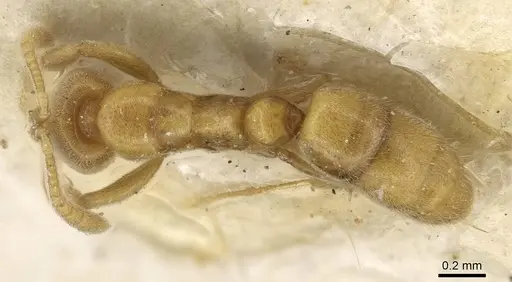
Literature
Loading...Loading products...