

Hypoponera molesta
- Scientific Name
- Hypoponera molesta
- Tribe
- Ponerini
- Subfamily
- Ponerinae
- Author
- Bolton & Fisher, 2011
- Distribution
- Found in 2 countries
Hypoponera molesta Overview
Hypoponera molesta is an ant species of the genus Hypoponera. It is primarily documented in 2 countries , including Congo, Democratic Republic of the, Gabon. Detailed taxonomic data and occurrence records can be further explored via authoritative databases such as AntWeb or the Global Biodiversity Information Facility (GBIF).
Hypoponera molesta
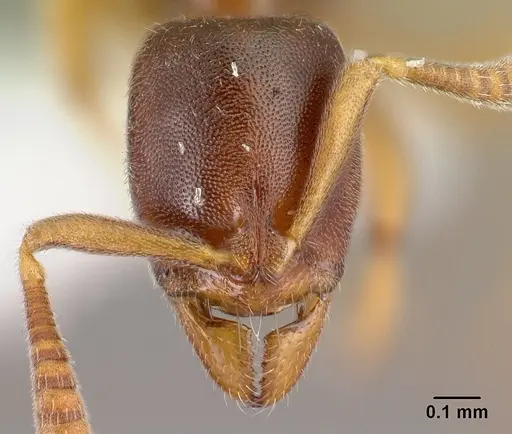
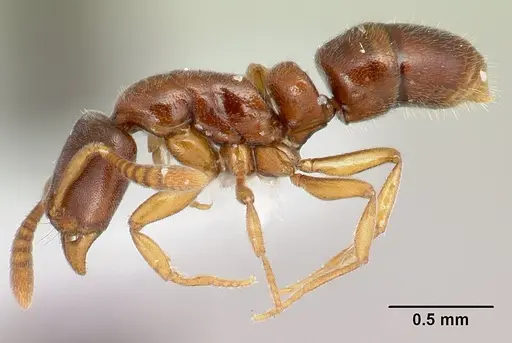
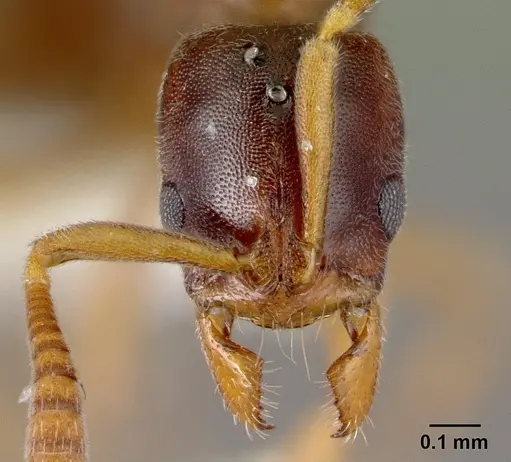
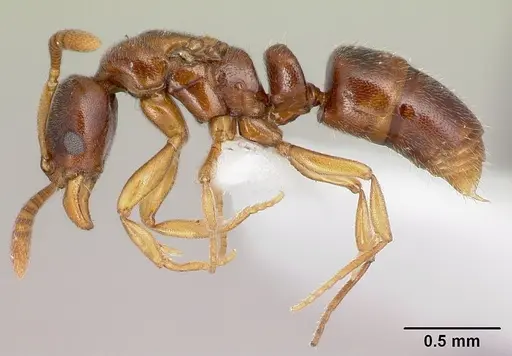
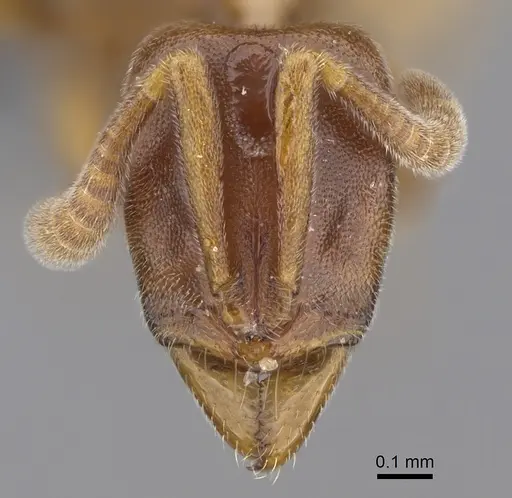
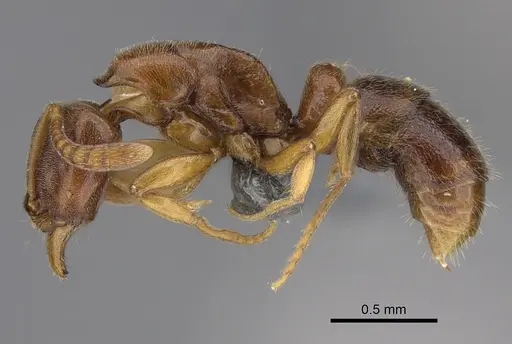
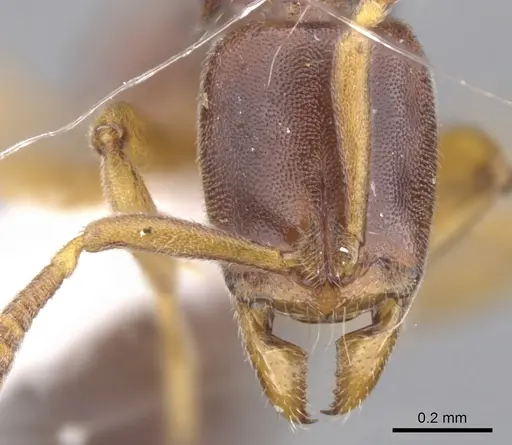
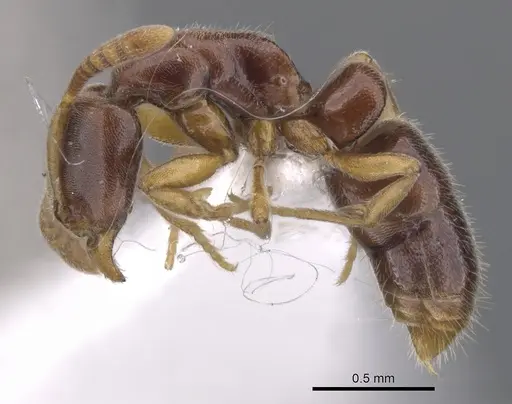
Hypoponera molesta is a tiny predatory ant species from the rainforests of Gabon and the Democratic Republic of Congo. Workers are small at only 0.60-0.64mm in head length, with a dark brown coloration and notably tiny eyes that typically have only 1-2 depigmented ommatidia [1]. This species belongs to the Hypoponera abeillei species group and is found in sifted leaf-litter from rainforest habitats [2]. The petiole node is characteristically very broad, and the first gastral segment is wider than the second [1].
This is a rarely kept species in the antkeeping hobby, and very little is known about its specific biology or captive care requirements. As a Ponerine ant, it is likely predatory, but the exact details of its diet, colony structure, and development have not been documented in scientific literature.
Quick Summary
- Difficulty: Unknown, likely Advanced
- Origin & Habitat: Rainforests of Gabon and Democratic Republic of Congo. Found in sifted leaf-litter and rotting wood in rainforest habitats [2][1].
- Colony Type: Unconfirmed, colony structure has not been documented in scientific literature.
- Size & Growth:
- Queen: Undescribed, queen measurements not available in scientific literature
- Worker: 0.60-0.64mm head length,0.46-0.48mm head width [1]
- Colony: Unknown, no colony size data available
- Growth: Unknown, no development data available
- Development: Unconfirmed, no direct measurements available. Based on typical Ponerine patterns, expect 6-10 weeks at warm temperatures, but this is an estimate. (Development timeline has not been studied. Ponerine ants typically have slower development than many Myrmicinae species.)
- Antkeeping:
- Temperature: Unknown, no thermal studies exist. Based on their tropical rainforest origin, aim for warm conditions around 24-28°C with a gradient. Monitor colony activity to adjust.
- Humidity: Likely high, rainforest leaf-litter species typically require humid conditions. Keep substrate consistently moist but not waterlogged. Aim for 70-80% humidity.
- Diapause: Unknown, no seasonal studies exist. As a tropical species, they likely do not require hibernation, but may have reduced activity periods.
- Nesting: Natural nesting: sifted leaf-litter and rotting wood in rainforest floors [2]. Captive recommendations: naturalistic setup with moist substrate, or a Y-tong/plaster nest with small chambers scaled to their tiny size. Their very small size means escape prevention must be excellent.
- Behavior: Not documented in scientific literature. As a Ponerine ant, they are likely predatory and may have stings suitable for subduing small prey. Their tiny eyes suggest they may rely more on chemical cues than visual navigation. Foraging style is unknown but they likely hunt small arthropods in the leaf-litter layer. Escape risk is high due to their minute size, use fine mesh barriers.
- Common Issues: very small size makes escape prevention critical, they can squeeze through standard barrier gaps, no species-specific care information exists, keepers must adapt from genus-level knowledge, slow development may frustrate beginners expecting rapid growth, humidity control is challenging, too dry causes mortality, too wet causes mold, predatory diet requires live prey which is more difficult to source and maintain than sugar water
Appearance and Identification
Hypoponera molesta workers are among the smallest ants in the genus, measuring only 0.60-0.64mm in head length and 0.46-0.48mm in head width [1]. They have a uniform dark brown coloration throughout the body. The most distinctive features include their extremely small eyes (typically only 1-2 depigmented ommatidia), a very broad petiole node, and the first gastral segment being wider than the second [1]. The antennae are relatively short, when laid straight back, the scape fails to reach the midpoint of the posterior head margin. The species is a member of the Hypoponera abeillei group, which can aid in identification for those familiar with the genus [2]. These are cryptic leaf-litter ants that are easily overlooked due to their tiny size.
Natural Habitat and Distribution
This species is known only from the rainforests of Gabon and the Democratic Republic of Congo in Central Africa [1][2]. Specimens have been collected by sifting through leaf-litter and rotting wood in rainforest habitats, typically at elevations around 600 meters [1]. The type locality in Gabon was collected from sifted leaf mold and rotten wood in a rainforest setting [1]. As a tropical rainforest species, they likely inhabit the warm, humid leaf-litter layer where they hunt small arthropods and avoid direct sunlight. The dense canopy and forest floor provide stable temperature and humidity conditions year-round.
Feeding and Diet
The specific diet of Hypoponera molesta has not been documented in scientific literature. However, as a member of the Ponerinae subfamily, they are almost certainly predatory, hunting small arthropods in the leaf-litter layer. Related Hypoponera species typically prey on tiny soil arthropods including springtails, mites, and other micro-arthropods. For captive care, you should offer small live prey such as live springtails, fruit flies, and other tiny insects. Given their minute size, standard ant prey items like mealworms would be too large. Sugar sources may be accepted but are not a primary food source for predatory Ponerines. Offer small live prey regularly and remove uneaten prey to prevent mold issues.
Nest Preferences and Housing
In the wild, Hypoponera molesta nests in sifted leaf-litter and rotting wood in rainforest floors [2]. For captive care, a naturalistic setup with moist substrate works well, a layer of humid soil or coco fiber with pieces of rotting wood or leaves for them to explore. Alternatively, a Y-tong (acrylic) or plaster nest with small chambers scaled to their tiny size can work. The chambers should be tight and narrow, these are very small ants that can escape through standard barrier gaps. Use fine mesh (0.5mm or smaller) for escape prevention. Keep the nest area consistently moist but not waterlogged, with some drier areas available for the ants to regulate their humidity preferences.
Temperature and Care Requirements
Specific temperature and humidity requirements have not been studied for this species. Based on their tropical rainforest origin in Central Africa, you should aim for warm, humid conditions. Target temperatures around 24-28°C with a gentle gradient allowing the ants to choose their preferred zone. Room temperature in most homes (20-24°C) may be suitable, but warmer conditions likely support better colony development. For humidity, aim for 70-80% relative humidity in the nest area, these rainforest leaf-litter ants do not tolerate drying well. Use a water reservoir or regular misting to maintain humidity, but ensure adequate ventilation to prevent mold buildup. Monitor your colony's activity levels and adjust conditions based on their behavior.
Colony Development and Growth
No specific data exists on the development timeline of Hypoponera molesta. Ponerine ants typically have slower development than many common ant species in the hobby, often taking 6-10 weeks from egg to worker at optimal temperatures. The queen size has not been described in scientific literature, but based on worker size, she would likely be around 4-5mm. Colony size in the wild is unknown, these are cryptic leaf-litter ants that are rarely encountered in large numbers. Expect slow growth initially, with founding colonies taking many months to produce their first workers (nanitics). Patience is essential with this species, as even under ideal conditions, development will be slower than more commonly kept ant species.
Frequently Asked Questions
How long does it take for Hypoponera molesta to produce first workers?
The egg-to-worker timeline has not been documented for this species. Based on typical Ponerine development patterns, expect 6-10 weeks at warm temperatures (around 26°C), but this is an estimate. Founding colonies may take several months to produce their first workers.
What do Hypoponera molesta ants eat?
As a Ponerine ant, they are predatory and likely hunt small arthropods. Feed tiny live prey such as springtails, fruit flies, and other small insects. Standard ant prey items like mealworms are too large. Sugar sources may be accepted but should not be the primary food.
What temperature and humidity do Hypoponera molesta need?
Specific requirements are unknown. Based on their tropical rainforest origin, aim for 24-28°C and 70-80% humidity. Keep substrate consistently moist but not waterlogged.
Can beginners keep Hypoponera molesta?
This species is not recommended for beginners. Almost no species-specific care information exists, and their tiny size makes escape prevention challenging. They likely require specific prey foods and have slow development. Only experienced antkeepers should attempt this species.
How big do Hypoponera molesta colonies get?
Colony size is unknown, no data exists on maximum colony size. As cryptic leaf-litter ants, they likely form smaller colonies than many common ant species, possibly under 100 workers.
Do Hypoponera molesta ants need hibernation?
Diapause requirements are unknown. As a tropical species from Central Africa, they likely do not require hibernation. However, they may have reduced activity periods during seasonal changes in their native habitat.
What type of nest should I use for Hypoponera molesta?
A naturalistic setup with moist substrate and small hiding spots works well, or a Y-tong/plaster nest with small chambers. Their very small size means escape prevention is critical, use fine mesh barriers.
Is Hypoponera molesta monogyne or polygyne?
Colony structure has not been documented in scientific literature. The number of queens in wild colonies is unknown.
Where is Hypoponera molesta found?
This species is known only from the rainforests of Gabon and the Democratic Republic of Congo in Central Africa [1][2].
References

This caresheet is licensed under CC BY-SA 4.0 .
CASENT0218482
View on AntWeb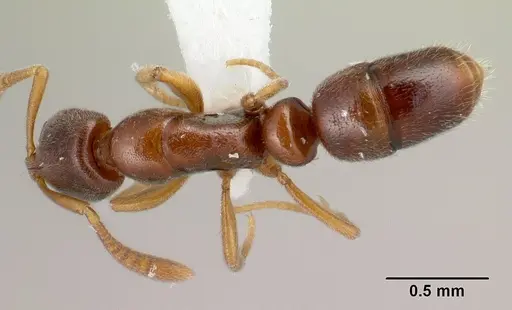
CASENT0218487
View on AntWeb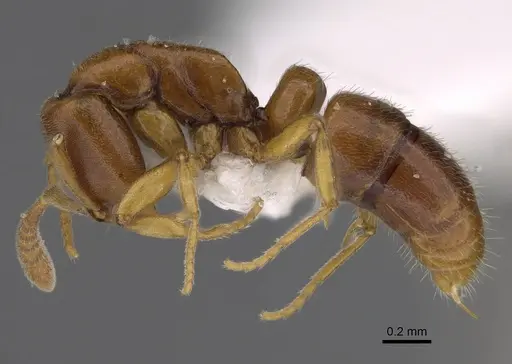
CASENT0218488
View on AntWeb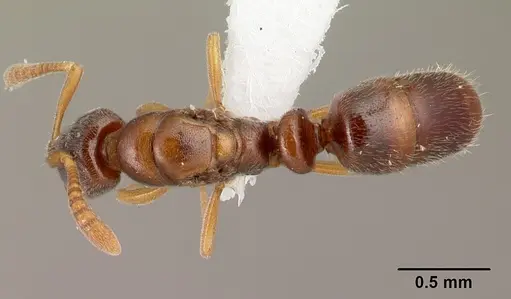
CASENT0361603
View on AntWeb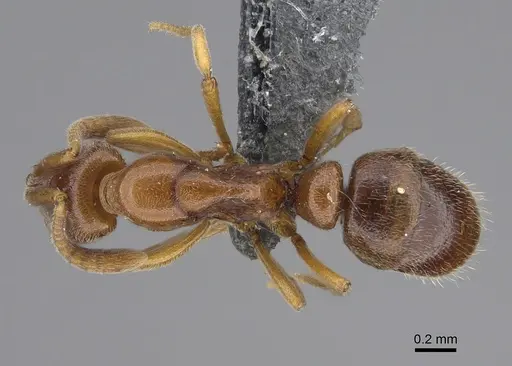
CASENT0902561
View on AntWeb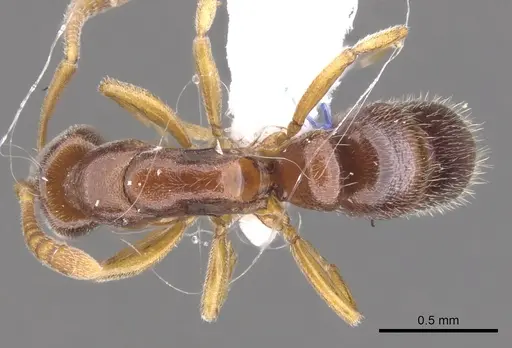
Literature
Loading...Loading products...