

Hypoponera lepida
- Scientific Name
- Hypoponera lepida
- Tribe
- Ponerini
- Subfamily
- Ponerinae
- Author
- Bolton & Fisher, 2011
- Distribution
- Found in 3 countries
Hypoponera lepida Overview
Hypoponera lepida is an ant species of the genus Hypoponera. It is primarily documented in 3 countries , including Cameroon, Ghana, Equatorial Guinea. Detailed taxonomic data and occurrence records can be further explored via authoritative databases such as AntWeb or the Global Biodiversity Information Facility (GBIF).
Hypoponera lepida
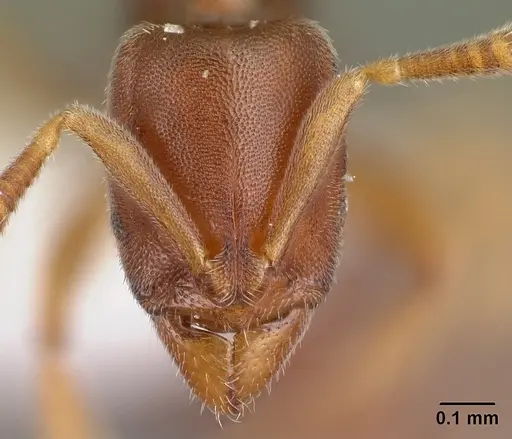
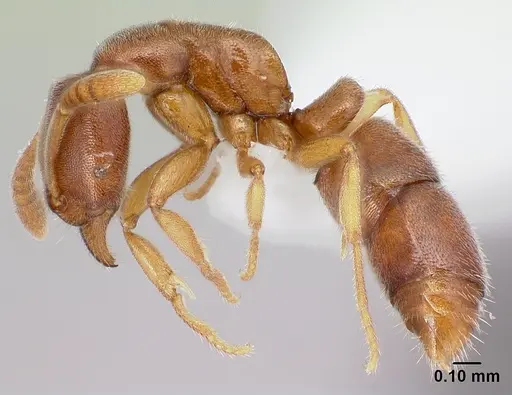
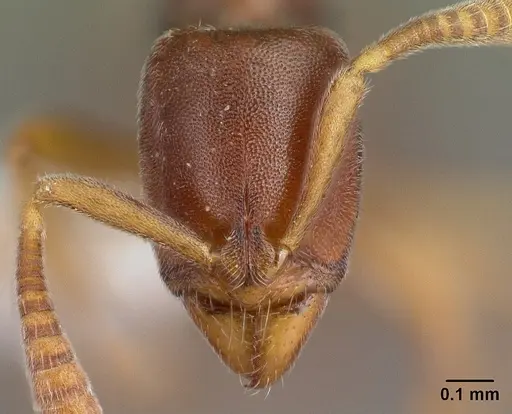
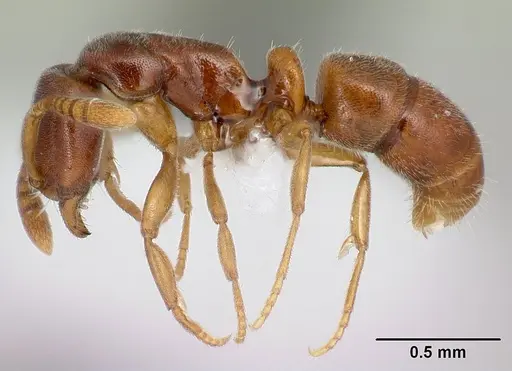
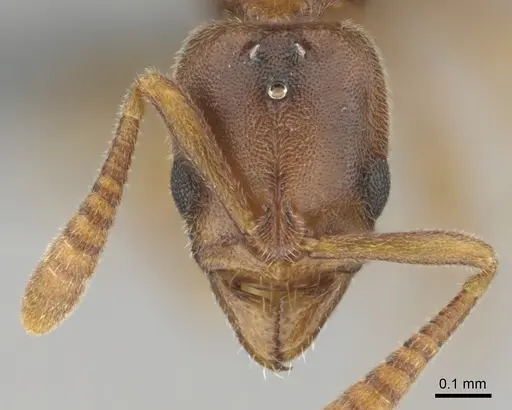
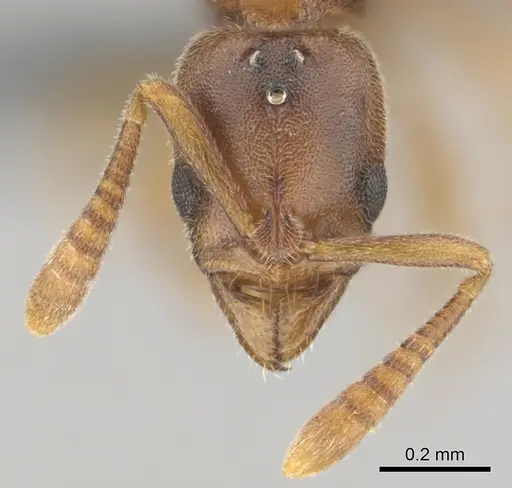
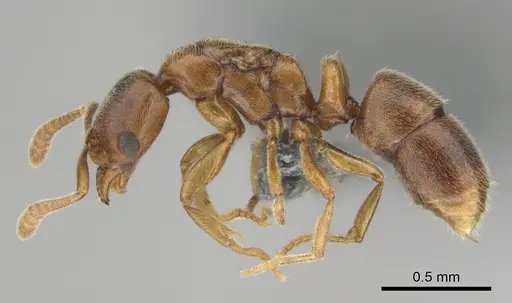
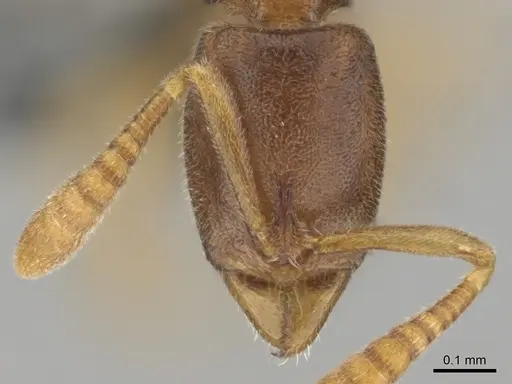
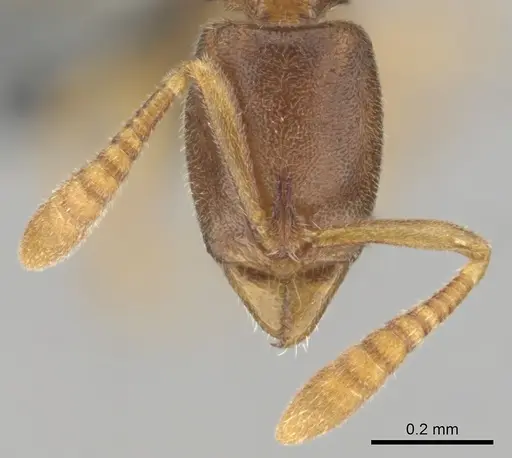
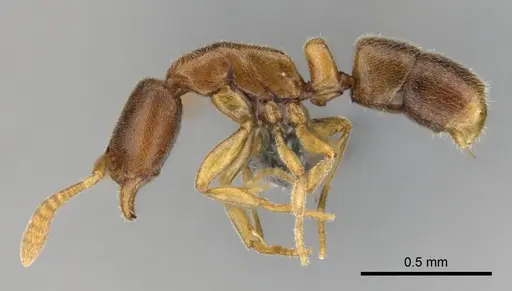
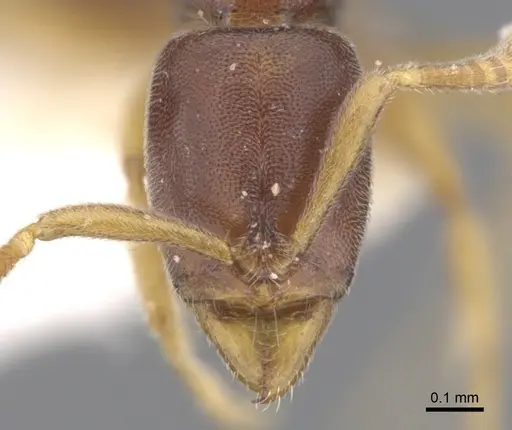
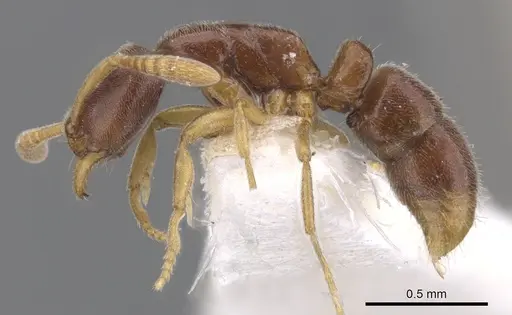
Hypoponera lepida is a tiny ponerine ant native to the rainforests of West and Central Africa, found in countries including Ghana, Nigeria, Cameroon, and the Central African Republic [1]. Workers measure just 0.53-0.58mm in head length, making them one of the smaller ant species kept in captivity, they're about the size of a grain of sand [1]. They are light to medium brown in color, and remarkably, many workers have no eyes at all, or just a single tiny eye spot that is barely visible . This species lacks the metanotal groove (the seam between the mesonotum and propodeum) that many other ants have, and has a distinctive smooth area at the base of the second abdominal segment .
What makes H. lepida unusual is its documented ergatoid queen, a wingless reproductive form that can serve as a replacement queen if the primary queen dies [2]. This is different from the typical large, winged queens most antkeepers expect. The species was formally described in 2011 by Bolton and Fisher, making it a relatively newly described species in the antkeeping hobby [1]. Their natural habitat is rainforest leaf-litter, where they likely hunt tiny prey among the decaying vegetation and soil.
Quick Summary
- Difficulty: Hard
- Origin & Habitat: Rainforest leaf-litter in West and Central Africa (Ghana, Nigeria, Cameroon, Central African Republic) [1]. They live in sifted leaf-litter collected from the rainforest floor [2].
- Colony Type: Single-queen colonies with documented ergatoid (wingless) replacement reproductives [2]. The presence of ergatoids means if the queen dies, a worker can potentially become reproductive.
- Colony: Monogyne
- Special: Gamergates
- Size & Growth:
- Queen: Ergatoid queens are wingless and smaller than typical ponerine queens, exact measurements not specified in available literature [2]
- Worker: 0.53-0.58mm head length (very small) [1]
- Colony: Unknown, likely small colonies typical of leaf-litter Hypoponera species
- Growth: Unknown, likely slow to moderate like other Ponerinae
- Development: 6-10 weeks (estimated based on typical Ponerinae development at warm temperatures) (Development time is unconfirmed for this specific species. Ponerine ants typically develop slower than myrmicines, so expect a longer timeline.)
- Antkeeping:
- Temperature: Keep at 24-28°C, they are tropical rainforest ants that need warm, stable conditions. A heating cable on part of the nest creates a useful gradient.
- Humidity: High humidity is essential, these ants live in rainforest leaf-litter. Keep the nest substrate consistently moist but not waterlogged. Mist the outworld occasionally and ensure water is always available.
- Diapause: No, as a tropical species, they do not require hibernation. Keep temperatures stable year-round.
- Nesting: Because of their tiny size and leaf-litter habitat, they need very small chambers. A Y-tong (AAC) nest with narrow passages or a small plaster nest works well. They do well in naturalistic setups with moist soil and leaf-litter material.
- Behavior: Hypoponera lepida is a cryptic, slow-moving ant that hunts tiny prey. Workers are nearly blind, so they likely rely on chemical signals and vibrations to find food and communicate. They are not aggressive and pose no threat to keepers. Their tiny size means escape prevention is critical, they can squeeze through gaps too small for most other ants. Handle with caution near open containers.
- Common Issues: escape prevention is critical, their tiny size means they can slip through the tiniest gaps, use fine mesh and tight-fitting lids, very small colony sizes mean losses have big impact, a few dead workers is significant in a colony of 20-50, high humidity needs can lead to mold if ventilation is poor, balance moisture with airflow, lack of documented care information means you are essentially pioneering husbandry for this species, ergatoid queens may be mistaken for workers by inexperienced keepers, learn to identify the slightly larger, reproductive individuals
Housing and Nest Setup
Hypoponera lepida requires careful housing due to its extremely small size. Standard test tubes may be too large for comfort, these ants are only about 0.5mm, so they need tight, small chambers. A Y-tong (AAC) nest with the smallest available passages works well, or you can use a small plaster nest with chambers scaled to their tiny size. Because they come from rainforest leaf-litter, they need consistently high humidity. Keep the nest material moist but not sitting in water. A naturalistic setup with a layer of moist rainforest soil and decaying leaves can mimic their natural environment well. Whatever nest type you choose, ensure it has excellent escape prevention, these ants can squeeze through gaps that other ants cannot pass. [1][2]
Feeding and Diet
As a Ponerine ant, H. lepida is predatory and likely hunts tiny arthropods in nature. In captivity, offer small live prey such as springtails, fruit flies, and other micro-arthropods. They are too small to tackle typical ant feeders like mealworms or crickets. You can also try offering very tiny pieces of insects. Sugar sources may be accepted, but their primary diet is likely protein. Feed small amounts of prey every few days, removing any uneaten food promptly to prevent mold. Because of their small size, even a single fruit fly is a substantial meal for their colony.
Temperature and Humidity
These are tropical rainforest ants from West and Central Africa, so they need warm, humid conditions. Keep the nest at 24-28°C consistently, avoid temperatures below 22°C or above 30°C. A small heating cable placed on part of the nest can create a temperature gradient, allowing the ants to choose their preferred zone. Humidity should be high, the nest substrate should feel consistently moist. However, balance this with some ventilation to prevent mold growth, which can be deadly for small colonies. A water tube connected to the nest helps maintain humidity through evaporation.
Colony Structure and Reproduction
Hypoponera lepida has an unusual colony structure for antkeepers to understand. Unlike most ants that have large, winged queens, this species produces ergatoid queens, wingless females that remain in the nest and can become replacement reproductives if the primary queen dies [2]. This means your colony may have one primary queen plus several potential replacement reproductives. The colony likely stays relatively small, probably under 100 workers even at maturity. Growth will be slow, expect months between major population increases. Be patient with these ants, they are long-lived but build their colonies gradually.
Handling and Observation
Observing Hypoponera lepida requires patience and the right equipment. Their tiny size means they are nearly invisible without good lighting and magnification. Workers move slowly and deliberately, relying on chemical cues rather than vision, many workers have no eyes at all, and those that do have only a single tiny ommatidium . When feeding or maintaining the colony, work in a contained area and check all seams and edges for escape routes. These ants are not aggressive and cannot sting humans, their stingers are too small to penetrate human skin. Enjoy watching their fascinating, cryptic behavior through magnification.
Common Challenges
Keeping Hypoponera lepida presents several challenges. First, their tiny size makes everything harder, escape prevention, feeding appropriate prey, and observation all require extra attention. Second, there is very little documented husbandry information for this species, so you may need to experiment to find what works. Third, their colony sizes remain small even at maturity, so each individual is precious, a few deaths matters more than in a colony of 500 workers. Finally, high humidity requirements can lead to mold problems if ventilation is inadequate. Start with a small colony and be prepared to adjust your setup based on how the ants respond.
Frequently Asked Questions
How long does it take for Hypoponera lepida to produce first workers?
The exact timeline is unconfirmed for this species, but based on typical Ponerinae development, expect 6-10 weeks from egg to worker at optimal temperatures (24-28°C). Ponerine ants generally develop slower than many other subfamilies.
Can I keep Hypoponera lepida in a test tube setup?
Standard test tubes may be too large and spacious for these tiny ants. They prefer tight, small chambers. A Y-tong nest with narrow passages or a small plaster/formicarium works better. If using test tubes, use very small diameter tubes with minimal water reservoir.
What do Hypoponera lepida eat?
They are predatory and eat tiny live prey. Offer springtails, fruit flies, and other micro-arthropods. They are too small to tackle standard ant feeder insects. Very small amounts of crushed insects may also be accepted.
How big do Hypoponera lepida colonies get?
Colony size is not well documented, but based on related species, they likely reach only 50-100 workers at maturity. These remain small colonies throughout their life.
Do I need to hibernate Hypoponera lepida?
No, they are tropical rainforest ants from Africa and do not require hibernation. Keep temperatures stable at 24-28°C year-round.
Why are my Hypoponera lepida workers dying?
Common causes include: escape-related deaths (they are tiny and easily lost), mold from excessive moisture, temperatures outside their 24-28°C range, or starvation if prey is too large for them to tackle. Check your setup carefully and ensure prey is appropriately sized.
Are Hypoponera lepida good for beginners?
No, this species is not recommended for beginners. Their tiny size, specific humidity needs, lack of documented husbandry, and escape risk make them a challenging species. They are better suited for experienced antkeepers interested in keeping unusual Ponerinae.
Can I keep multiple queens together?
This species has ergatoid (wingless) queens that serve as replacement reproductives within an established colony. However, combining unrelated foundress queens has not been documented and is not recommended. Stick to single-queen colonies.
When should I move them to a formicarium?
Move them when the test tube or founding setup becomes overcrowded or the water reservoir is depleted. However, given their small size and humidity needs, they may do best in a small, humid nest rather than a standard formicarium.
Is Hypoponera lepida invasive anywhere?
No, this species is native to West and Central Africa and has not been documented as invasive in any other region. There is no risk of ecological impact if specimens were lost.
References

This caresheet is licensed under CC BY-SA 4.0 .
CASENT0217351
View on AntWeb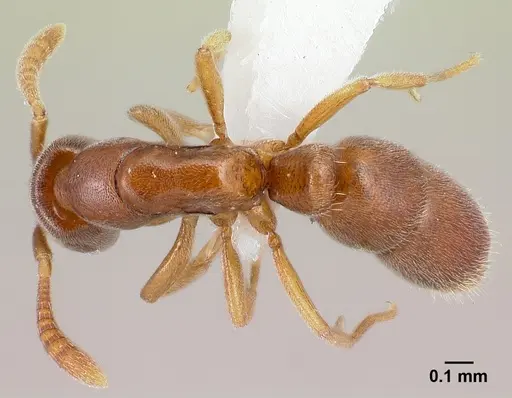
CASENT0218477
View on AntWeb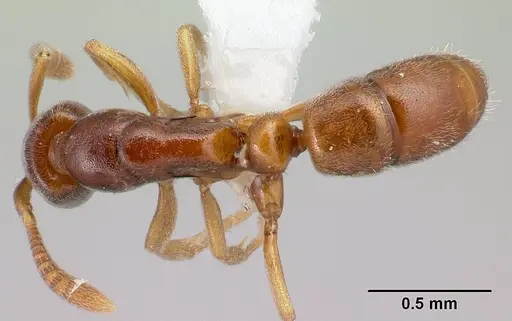
CASENT0417283
View on AntWeb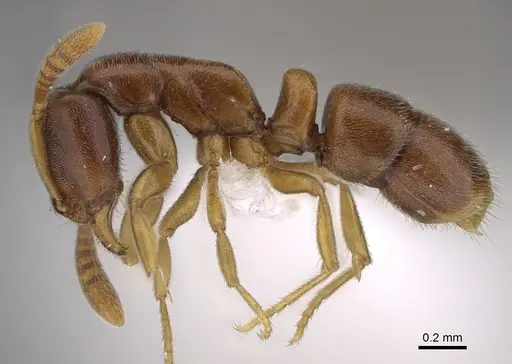
CASENT0815865
View on AntWeb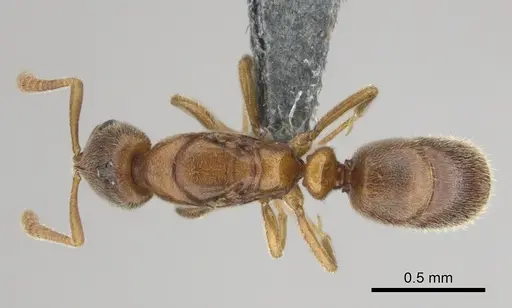
CASENT0815866
View on AntWeb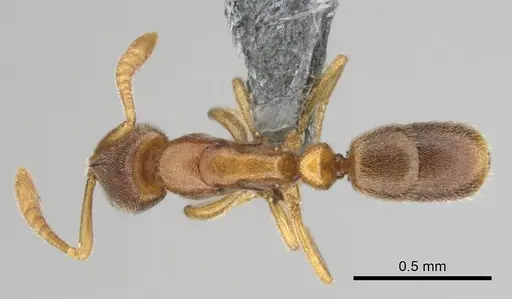
CASENT0902544
View on AntWeb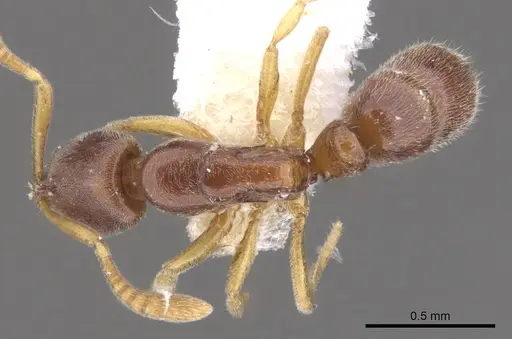
Literature
Loading...Loading products...