

Hypoponera johannae
- Scientific Name
- Hypoponera johannae
- Tribe
- Ponerini
- Subfamily
- Ponerinae
- Author
- Forel, 1891
- Distribution
- Found in 3 countries
Hypoponera johannae Overview
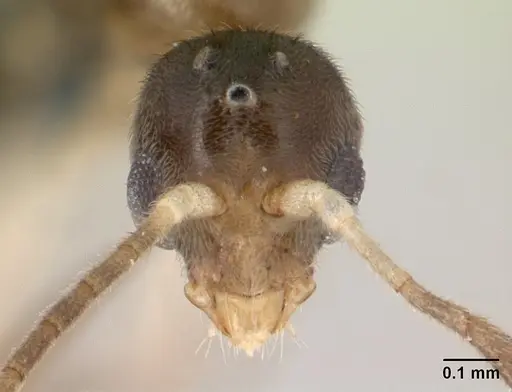
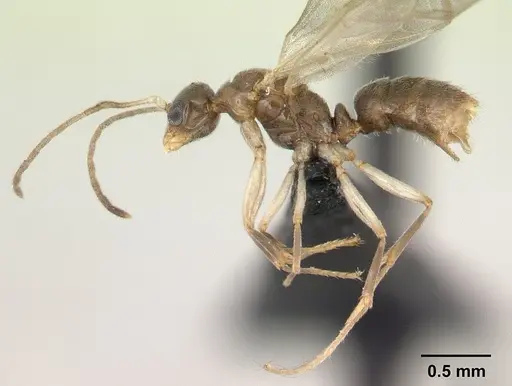
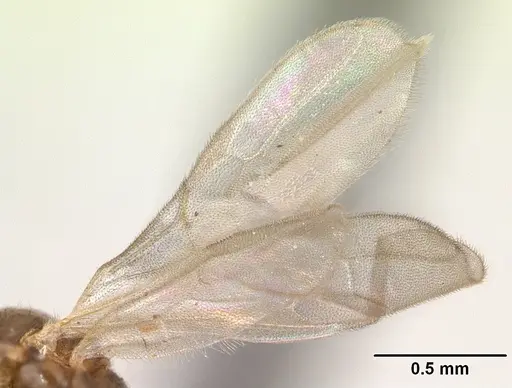
Hypoponera johannae is an ant species of the genus Hypoponera. It is primarily documented in 3 countries , including Madagascar, Mauritius, Mayotte. Detailed taxonomic data and occurrence records can be further explored via authoritative databases such as AntWeb or the Global Biodiversity Information Facility (GBIF).
Hypoponera johannae
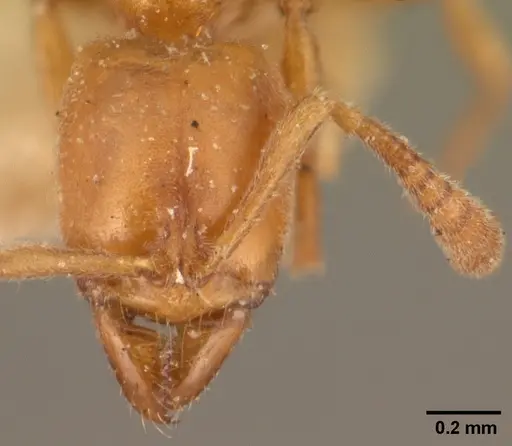
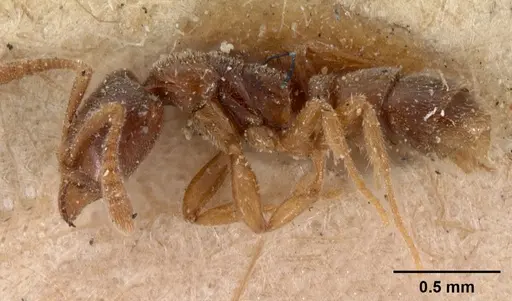
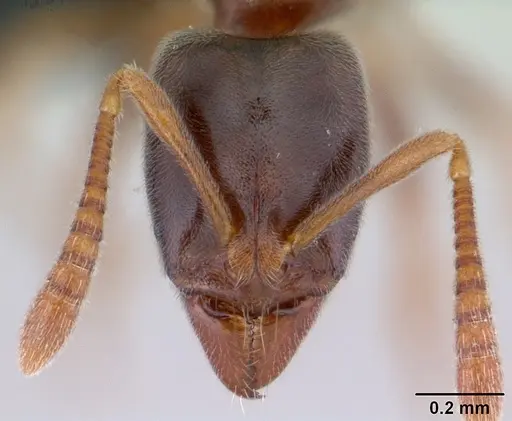
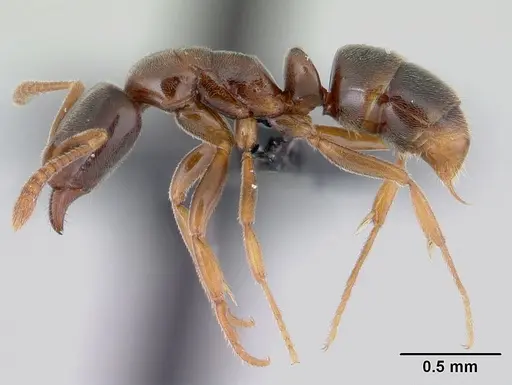
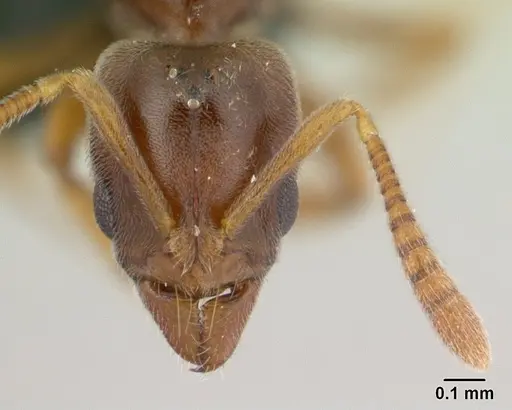
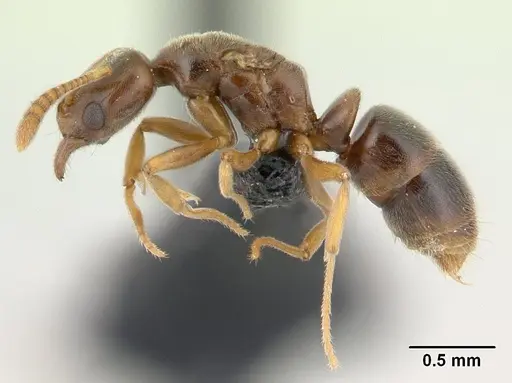
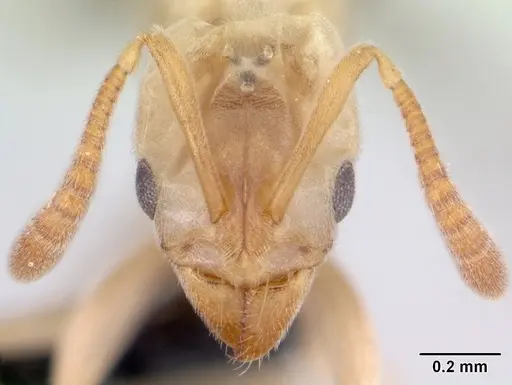
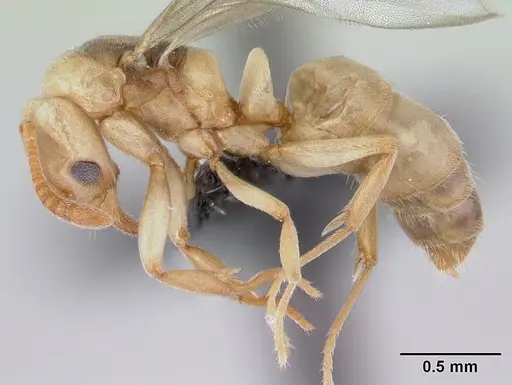
Hypoponera johannae is a small predatory ant species native to the Malagasy region, found across Madagascar, Mauritius, Mayotte, and the Seychelles. Workers are tiny at around 2.5-3mm, with the characteristic Ponerinae body shape, a compact mesosoma, distinct petiole, and relatively smooth body surface. The genus Hypoponera is known for their cryptic lifestyle, often nesting in soil, rotting wood, or under stones in shaded forest habitats. These ants are predatory, using their sting to subdue small prey. DNA barcode studies have revealed interesting diversity within this group, with multiple distinct lineages discovered even within single islands like Mauritius [1][2].
Quick Summary
- Difficulty: Medium
- Origin & Habitat: Native to the Malagasy region: Madagascar, Mauritius, Mayotte, and the Seychelles. Found in forest habitats, particularly in shaded, humid areas like forest floor microhabitats [3].
- Colony Type: Colony structure is unconfirmed. Based on related Ponerinae, likely single-queen (monogyne) colonies with moderate worker numbers.
- Size & Growth:
- Queen: Estimated 4-5mm based on genus patterns
- Worker: Estimated 2.5-3mm based on genus patterns
- Colony: Unknown, likely under 500 workers based on typical Ponerinae colony sizes
- Growth: Moderate, Ponerinae species typically develop more slowly than myrmicine ants
- Development: Estimated 6-10 weeks at optimal temperature based on related Ponerinae species (Development time is estimated from genus-level data, as species-specific studies are not available)
- Antkeeping:
- Temperature: Keep at 24-28°C, these are tropical ants requiring warm, stable conditions. A gentle gradient allowing cooler areas around 22°C is beneficial.
- Humidity: High humidity required, aim for 70-85%. Keep the nest substrate consistently moist but not waterlogged. These forest-floor ants need damp conditions.
- Diapause: Unlikely, being tropical, they probably do not require a true hibernation. However, slight temperature reduction during winter months may be appropriate.
- Nesting: Provide a moist nest setup, plaster, Y-tong, or test tube setups work well. They prefer tight, humid chambers and will nest in soil or small cavities. A naturalistic setup with moist substrate allows them to create their own chambers.
- Behavior: Hypoponera johannae is a cryptic, ground-nesting species. Workers are small and not particularly aggressive, but they possess a functional sting for subduing prey. They are primarily predatory, hunting small invertebrates. Foraging typically occurs at night or in shaded areas. Escape prevention should be excellent due to their tiny size, they can easily slip through standard barriers. They are not aggressive toward humans and their sting is mild.
- Common Issues: tiny size means escapes are likely without fine mesh barriers, high humidity requirements can lead to mold if ventilation is poor, predatory diet means they need regular live prey, sugar sources are unlikely to be accepted, slow development can frustrate keepers expecting fast growth, wild-caught colonies may harbor parasites that can devastate captive populations
Housing and Nest Setup
Hypoponera johannae requires a humid nest environment. Test tube setups work well for founding colonies, use a water reservoir that keeps the cotton consistently moist. For established colonies, Y-tong (acrylic) nests or plaster nests maintain humidity well. The chambers should be relatively small and tight-fitting, these are tiny ants that feel secure in compact spaces. Avoid large, open spaces in the nest. Provide a moist outworld area for foraging. Use fine mesh for escape prevention, these ants are extremely small and can squeeze through gaps that larger ants cannot pass.
Feeding and Diet
As a Ponerinae species, Hypoponera johannae is primarily predatory. Feed small live prey appropriate to their size: fruit flies, small pinhead crickets, springtails, and other tiny arthropods. They likely cannot tackle large prey items. Offer prey 2-3 times per week for established colonies. Sugar sources (honey, sugar water) are unlikely to be accepted, this is not a honeydew-feeding species. Some keepers report success offering tiny amounts of protein jelly or crushed insects, but live prey should form the core of their diet. Remove uneaten prey after 24 hours to prevent mold.
Temperature and Humidity
These tropical ants need warm, humid conditions. Maintain temperatures between 24-28°C year-round. A slight drop to 22-24°C during winter is acceptable but not required. Heating cables or mats on one side of the nest create a beneficial gradient. Humidity should remain high at 70-85%. The nest substrate should feel consistently moist but never waterlogged. Mist the outworld regularly and ensure the water reservoir in test tube setups stays filled. Poor humidity leads to colony decline and death.
Colony Development
Colony growth is typically moderate rather than rapid. The first workers (nanitics) may take 6-10 weeks to develop from egg, depending on temperature. Ponerinae colonies often remain relatively small compared to Formicinae or Myrmicinae. Expect gradual growth over months rather than explosive expansion. A healthy founding queen may produce 10-20 workers in the first year. Patience is key with this species, they are not fast-growing ants. Once established, colonies may reach several hundred workers over several years.
Behavior and Temperament
Hypoponera johannae is a cryptic species that avoids light and disturbance. Workers are small, dark, and move deliberately through the environment. They are not aggressive and will flee rather than attack. However, they possess a functional sting that they may use on prey. Foraging typically occurs in low light conditions. They do not form visible trails to food sources. The colony will remain hidden within the nest for much of the time. This is a 'watching from the shadows' species rather than an entertaining outworld forager.
Frequently Asked Questions
How long does it take for Hypoponera johannae to produce first workers?
Expect 6-10 weeks from egg to first worker at optimal temperature (24-28°C). This is slower than many common ant species. Patience is essential during the founding stage.
What do Hypoponera johannae ants eat?
They are predatory and need live small prey. Offer fruit flies, springtails, tiny crickets, or other small arthropods 2-3 times per week. They are unlikely to accept sugar sources like honey or sugar water.
Can I keep Hypoponera johannae in a test tube?
Yes, test tubes work well for founding colonies. Keep the water reservoir filled and maintain high humidity around the tube. They do well in test tubes until the colony reaches 50-100 workers.
Are Hypoponera johannae good for beginners?
They are considered medium difficulty. Their high humidity needs and predatory diet require more attention than sugar-feeding species. Not the best choice for a first ant, but manageable for intermediate keepers.
How big do Hypoponera johannae colonies get?
Colony size is not well documented, but based on related Ponerinae, they likely reach several hundred workers over several years. They are not large colony producers.
Do Hypoponera johannae need hibernation?
No, being a tropical species from the Malagasy region, they do not require hibernation. Maintain warm temperatures year-round (24-28°C).
Why are my Hypoponera johannae dying?
Common causes include: low humidity (keep substrate moist), too cold (maintain 24-28°C), lack of live prey (they need protein), or escape through tiny gaps (use fine mesh). Check all three before assuming disease.
When should I move Hypoponera johannae to a formicarium?
Move to a larger nest setup (Y-tong or plaster) when the colony reaches 50-100 workers and the test tube becomes crowded. Ensure the new setup maintains high humidity.
Can I keep multiple queens together?
Combining unrelated queens has not been documented for this species. Based on typical Ponerinae behavior, it is not recommended. Start with a single founding queen.
References

This caresheet is licensed under CC BY-SA 4.0 .
CASENT0060272
View on AntWeb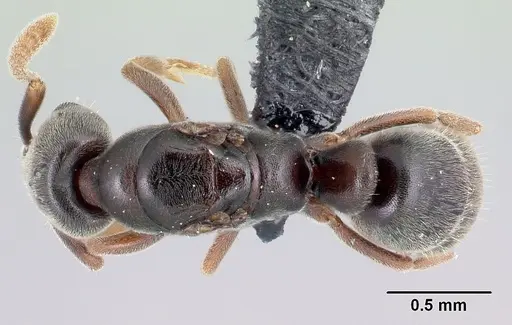
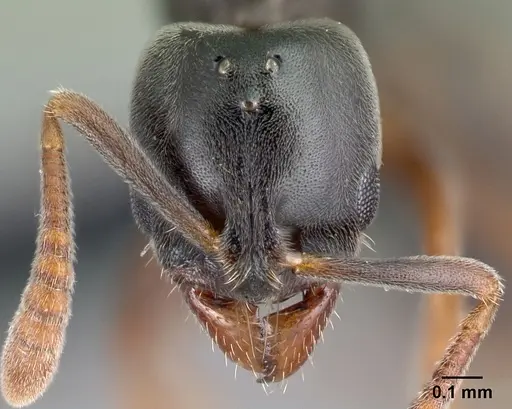
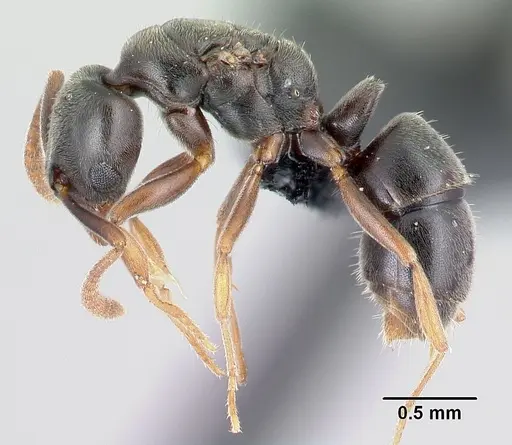
CASENT0101018
View on AntWeb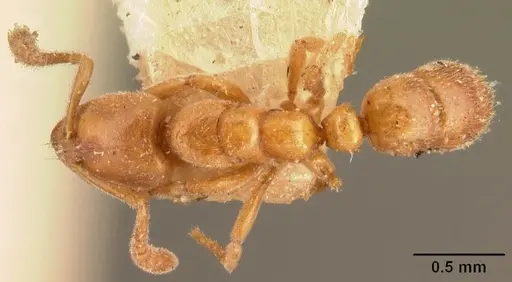
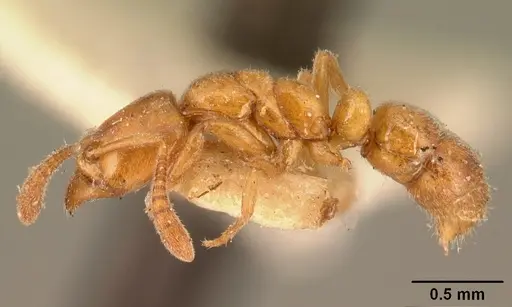
CASENT0101019
View on AntWeb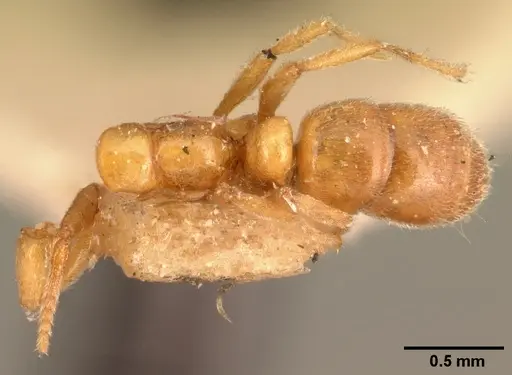

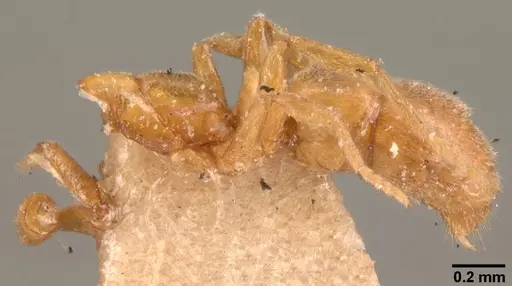
CASENT0101498
View on AntWeb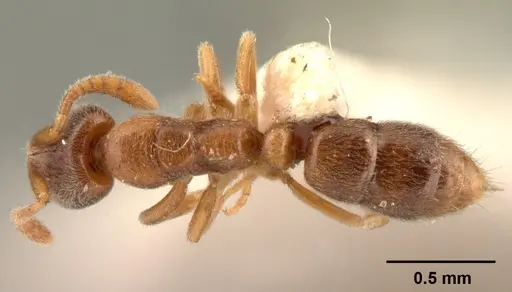
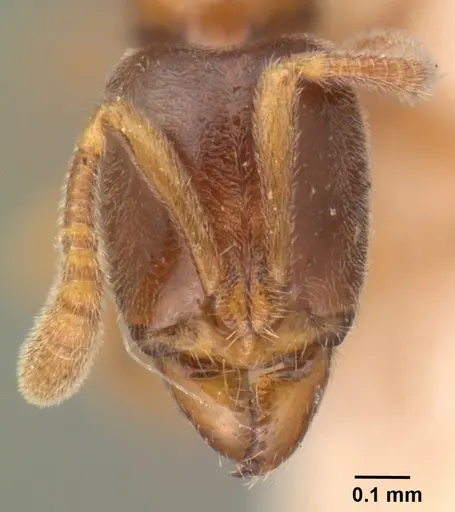
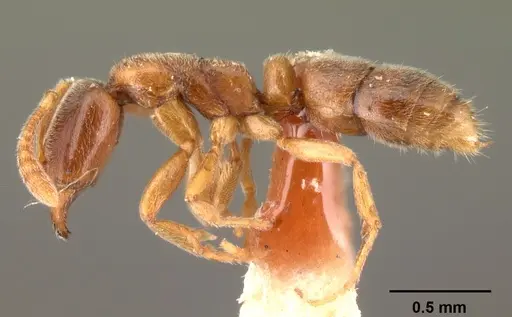
CASENT0102139
View on AntWeb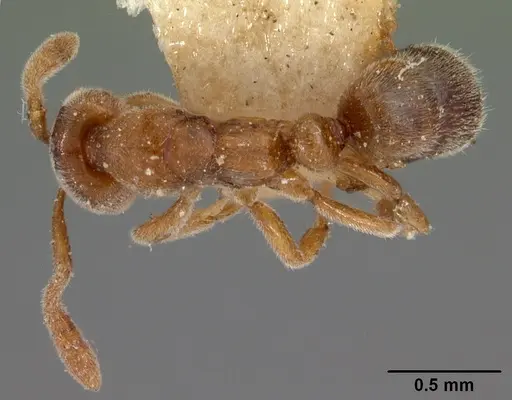
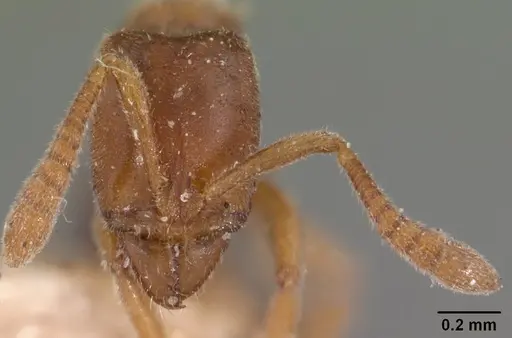
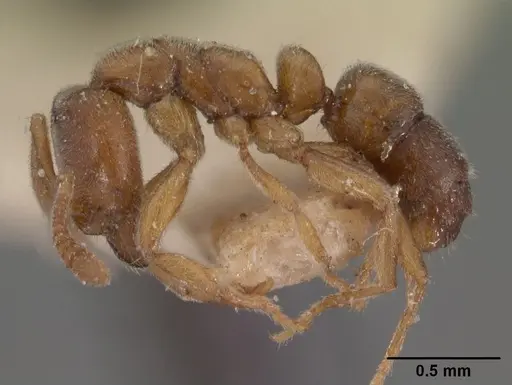
CASENT0102140
View on AntWeb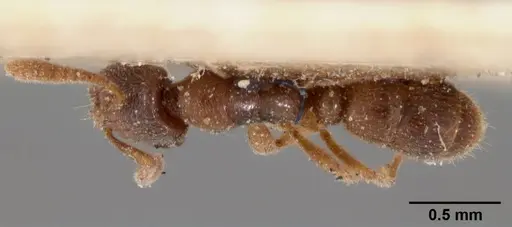
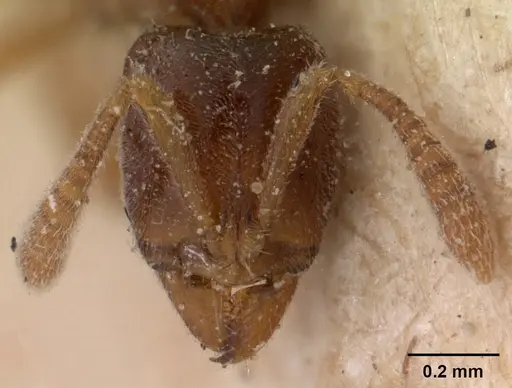
CASENT0132574
View on AntWeb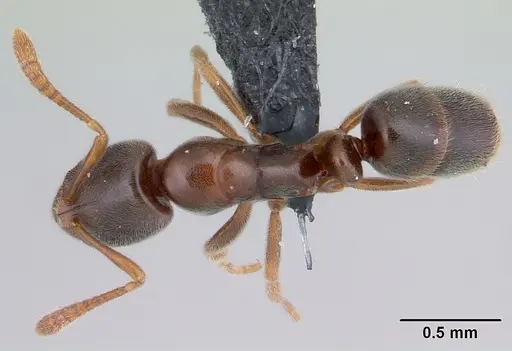
CASENT0132622
View on AntWeb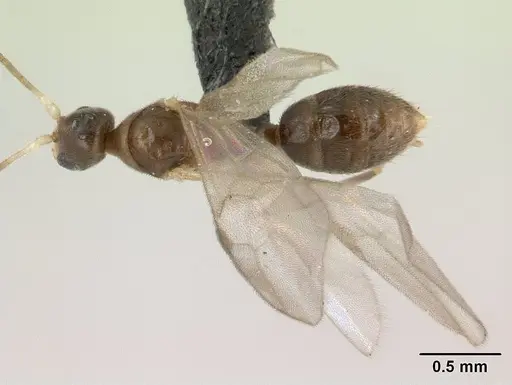
CASENT0132716
View on AntWeb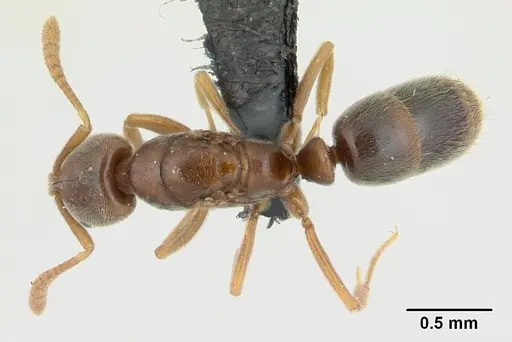
CASENT0133883
View on AntWeb
Literature
Loading...Loading products...