

Hypoponera inexorata
- Scientific Name
- Hypoponera inexorata
- Tribe
- Ponerini
- Subfamily
- Ponerinae
- Author
- Wheeler, 1903
- Common Name
- Orange Crypt Ant
- Distribution
- Found in 2 countries
Hypoponera inexorata Overview
Hypoponera inexorata (commonly known as the Orange Crypt Ant) is an ant species of the genus Hypoponera. It is primarily documented in 2 countries , including Mexico, United States of America. Detailed taxonomic data and occurrence records can be further explored via authoritative databases such as AntWeb or the Global Biodiversity Information Facility (GBIF).
Hypoponera inexorata - "Orange Crypt Ant"
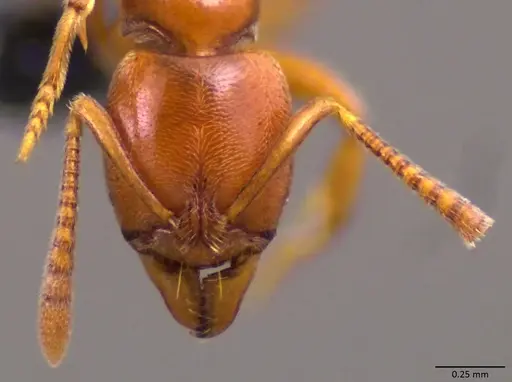
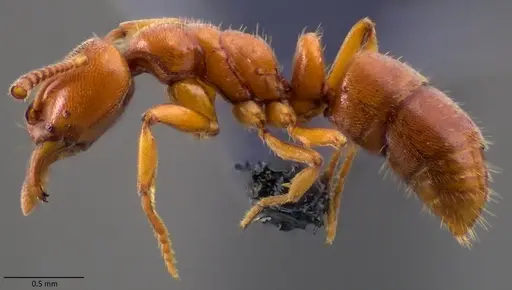
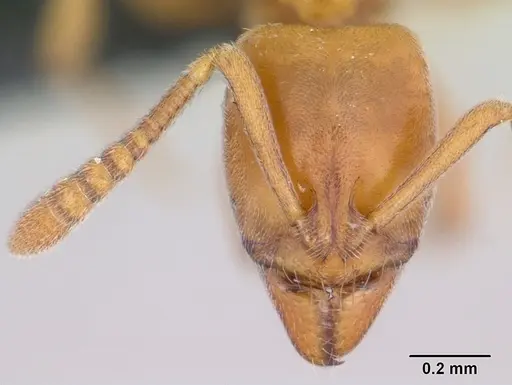
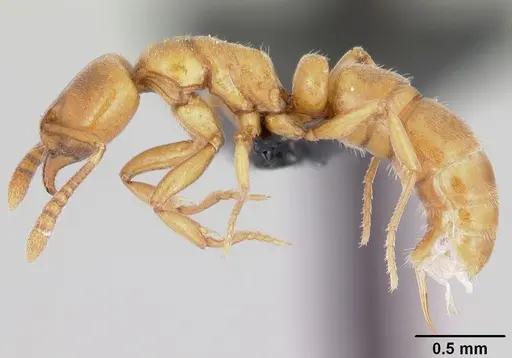
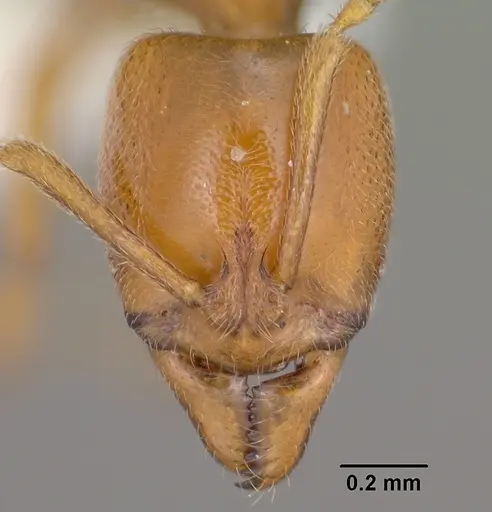
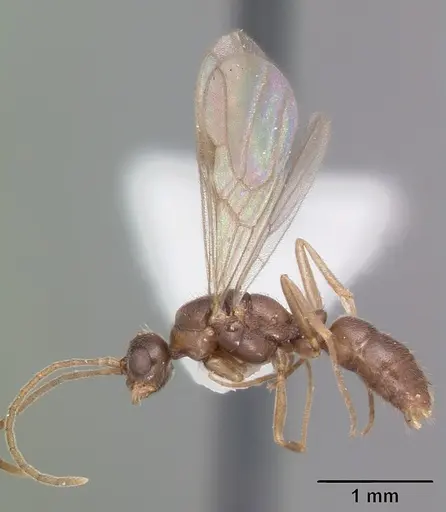
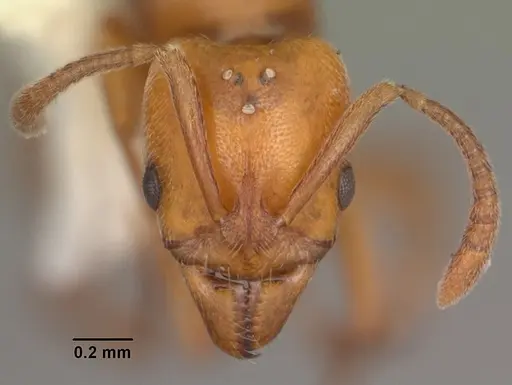
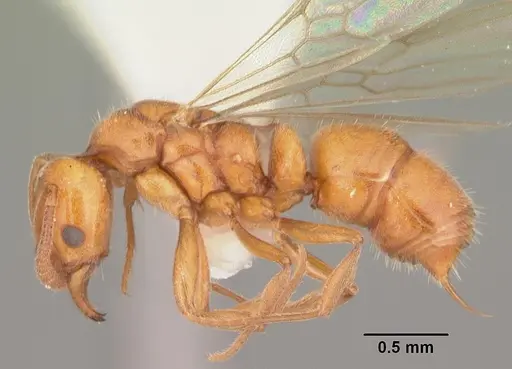
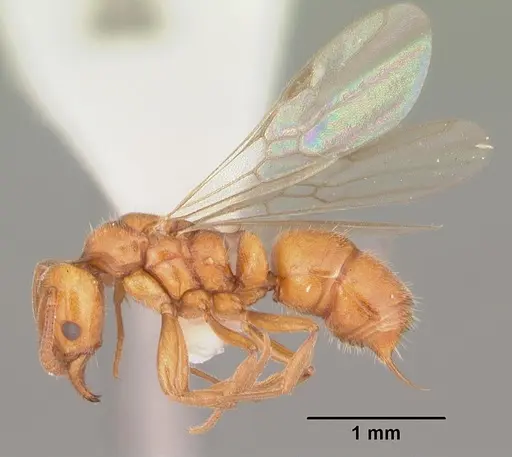
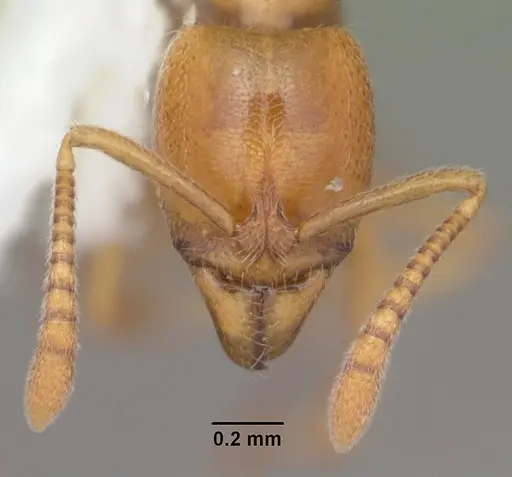
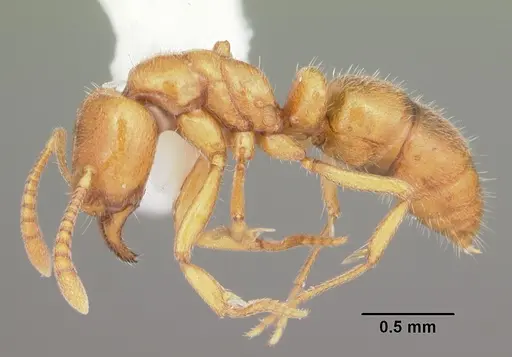
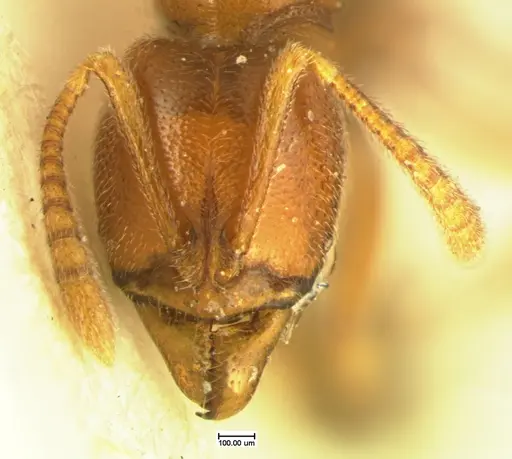
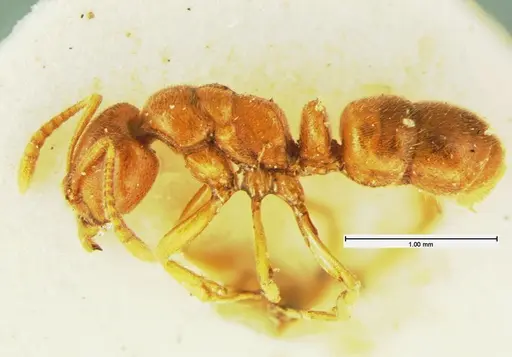
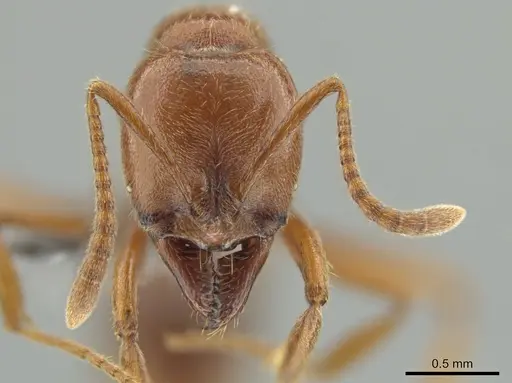
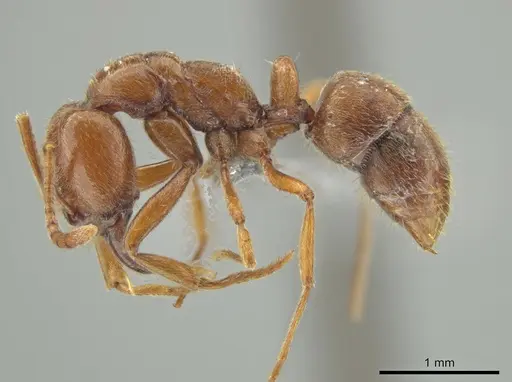
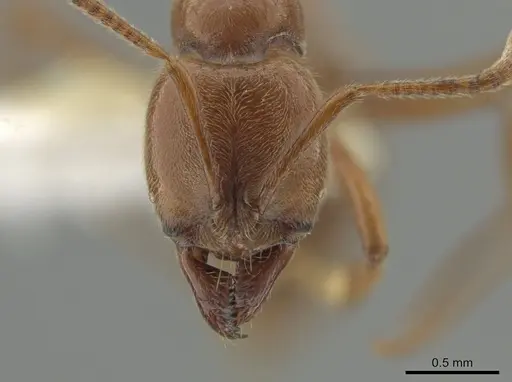
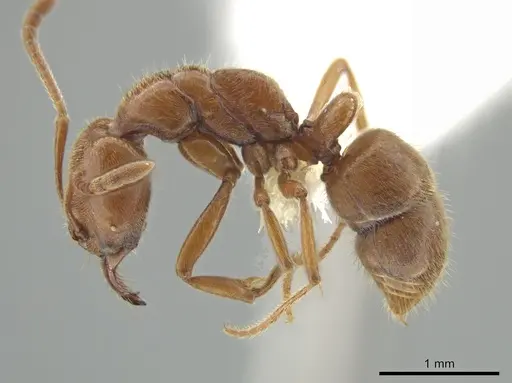
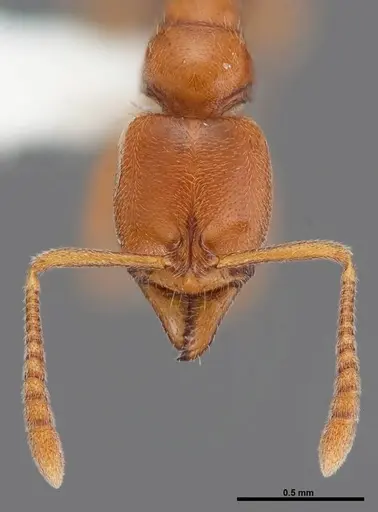
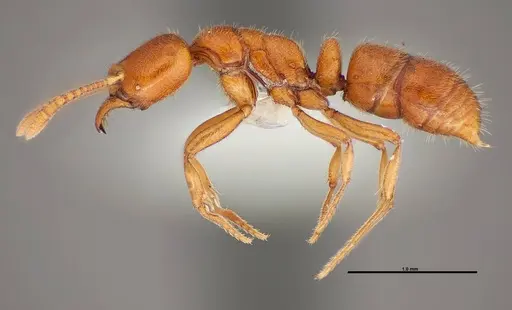
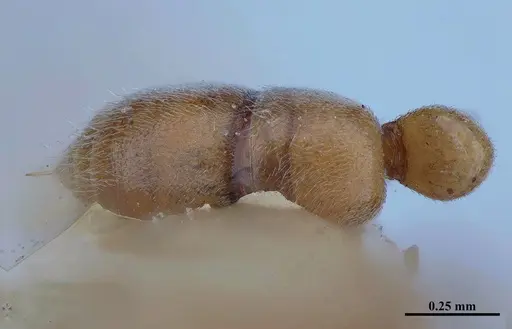
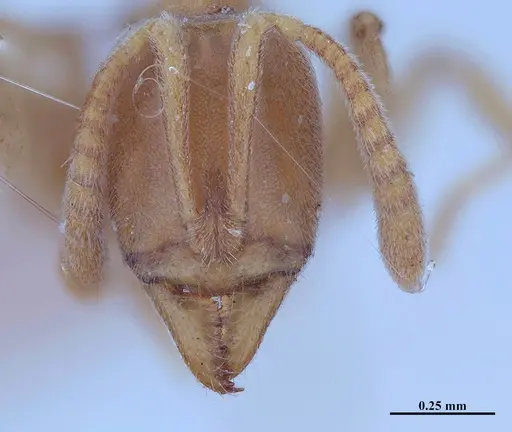
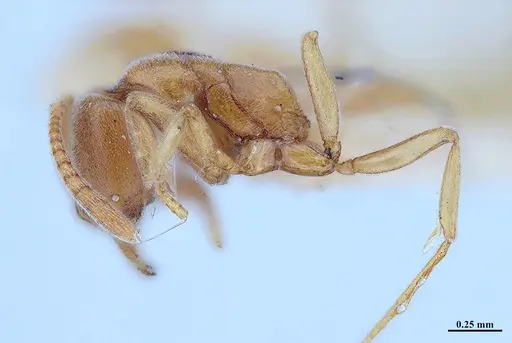
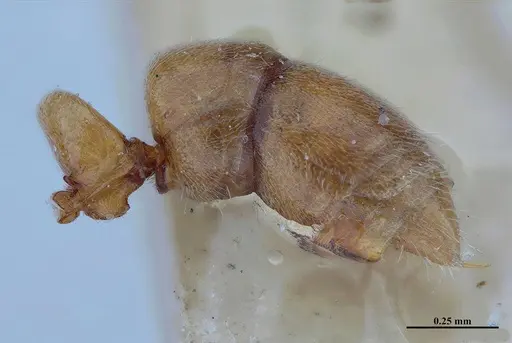
Hypoponera inexorata is a small subterranean ant species native to the southern United States, Mexico, and Costa Rica. Workers measure 2.75-3.25mm and have a distinctive yellowish-orange to rusty coloration that makes them stand out among North American ants [1]. They are recognized by their very small eyes (only 3-4 ommatidia), a head that is longer than broad with a concave back, and most notably, mandibles with a sinuate (curved inward) outer border, a feature that takes some practice to spot but separates them from similar species [1]. Queens are slightly larger at 3.25mm when dealated [1].
This species is a true underground dweller. Nests are found below the soil surface, sometimes under stones, and colonies are often located near other ant species [1]. Colonies are remarkably small, typically under 20 workers, making them one of the smallest colony sizes you'll encounter in antkeeping [1]. Their subterranean lifestyle and tiny colony size make them one of the harder ant species to find and study, which explains why they are rarely collected despite being widespread across the southeastern US and into Central America [1][2].
Quick Summary
- Difficulty: Hard
- Origin & Habitat: Southern United States (South Carolina to Texas and Arizona), Mexico, and Costa Rica. Found in dry coastal hammocks, Florida scrub, sandhill habitats, and prairie remnants. Nests underground, sometimes under stones [1][2][3].
- Colony Type: Small colonies with typically one queen, though colonies with multiple dealated queens have been observed (up to 4 queens in one colony) [1][4]. Colony size remains very small at under 20 workers in most cases [1].
- Colony: Monogyne
- Size & Growth:
- Queen: 3.25mm (dealated) [1], estimated from species description
- Worker: 2.75-3.25mm [1]
- Colony: Under 20 workers typical, maximum around 32 workers recorded [1][4]
- Growth: Slow, small colony size indicates slow development [1]
- Development: Unknown, no direct development data available for this species (Development timeline has not been studied. Based on typical Ponerinae patterns, expect several months from egg to first worker.)
- Antkeeping:
- Temperature: Keep at room temperature, roughly 20-24°C. This species is found across a wide range from Arizona (5400 ft elevation, cooler) to tropical Costa Rica, suggesting adaptability. Start at room temperature and observe colony activity [3].
- Humidity: Moderate, they nest underground and have been found in dry habitats like sandhills as well as prairie areas. Keep substrate moderately moist but allow some drying between waterings. The Mississippi prairie habitat suggests they can handle some dryness [4][5].
- Diapause: Unknown, no specific data on overwintering requirements. The wide distribution from temperate regions (South Carolina, Arizona) to tropical (Costa Rica) suggests some cold tolerance, but specific diapause needs are unconfirmed.
- Nesting: Underground nester, they need soil or a deep substrate to burrow into. A test tube setup with soil or a plaster nest with a soil chamber works well. They are often found under stones in the wild, so include a flat stone or similar cover in the outworld if using a naturalistic setup [1].
- Behavior: This is a calm, non-aggressive species that spends most of its time underground. Workers are small and rarely seen on the surface. They are not known to be aggressive and do not pose any sting threat to humans due to their tiny size. Escape risk is low, their small size means they could potentially squeeze through very small gaps, but they are not active escape artists like some other species. They are often found nesting near other ant species, suggesting a tolerant temperament [1][6].
- Common Issues: small colony size means slow growth and less activity to observe, this can be disappointing for keepers expecting active colonies, subterranean lifestyle means you will rarely see workers outside the nest, making them a 'hidden' ant, queens are extremely difficult to find due to their underground nesting and small colony size, wild-caught colonies may be hard to establish as they are rarely found and may have already declined, no established captive breeding lines exist, most keepers will need to find wild-caught queens
Finding and Acquiring a Colony
Hypoponera inexorata is one of the harder ant species to acquire because they nest underground and form tiny colonies. Your best bet is finding a dealated queen or small colony in the wild. Look in dry habitats with sandy or loose soil, they have been found under stones in Texas limestone areas and in soil around grass clumps in Mississippi prairies [1][4]. The best time to find queens is June-July when alates have been collected in Florida [1]. Since colonies are so small (under 20 workers), you may find just a queen and a handful of workers rather than a large colony. Be patient, these ants are rarely collected and there are no established captive breeding lines.
Housing and Nest Setup
These ants need a setup that accommodates their subterranean lifestyle. A test tube setup works well for founding colonies, fill the tube about 1/3 with water, plug with cotton, then add the queen. For established colonies, a plaster nest with a soil chamber or a naturalistic setup with deep substrate (at least 2-3 inches) allows them to burrow. Include a flat stone or piece of bark in the outworld since they are often found under stones in the wild [1]. Because colonies stay small (under 20 workers), you don't need a large setup, a small formicarium or a well-designed test tube setup is sufficient. Keep the nest area dark or covered, as subterranean ants prefer dim conditions.
Feeding and Diet
Like other Ponerinae ants, Hypoponera inexorata is likely predatory or omnivorous. They probably hunt small invertebrates like springtails, mites, and other tiny arthropods found in soil. Offer small live prey items, fruit flies, pinhead crickets, and most importantly, small soft-bodied prey like mealworms or tiny insects. They may also accept sugar sources, though this is not confirmed. Feed small amounts of protein every few days and remove any uneaten prey after 24 hours. Given their tiny worker size, prey items should be appropriately small, think fruit flies and small mealworm pieces rather than full mealworms. [1]
Temperature and Seasonal Care
Keep these ants at room temperature, roughly 20-24°C. Their wide distribution from Arizona (5400 ft elevation, cooler climate) to Costa Rica (tropical) suggests they can adapt to various temperatures within this range. No specific heating is required if your room stays in this range. Regarding diapause, the data is unclear. They are found in temperate areas (South Carolina, Arizona) and tropical areas (Costa Rica), so populations from the north may need a cool period while tropical populations may not. If your colony becomes less active in winter, you can reduce temperatures slightly (to around 15-18°C) for a few months, but this is optional based on colony response. [3][2]
Understanding Their Lifestyle
This is a species for patient keepers who enjoy observing subtle ant behavior. Unlike active ants that constantly forage in the open, Hypoponera inexorata spends most of its time underground. You will see less activity than with most ant species, workers will rarely venture far from the nest. Their small colony size (under 20 workers) also means fewer workers to observe. The reward is keeping a unique, rarely-kept species with interesting biology. They are often found near other ant species in the wild, suggesting they are not aggressive toward other ants [1]. One interesting note: they do not remove seeds, so they are not seed-harvesting like some ants [1].
Frequently Asked Questions
How long does it take for Hypoponera inexorata to produce first workers?
The exact development timeline is unknown, it has not been directly studied. Based on typical Ponerinae development patterns, expect 2-4 months from egg to first worker at room temperature (20-24°C). Their small colony size suggests slow growth, so be patient.
Can I keep multiple Hypoponera inexorata queens together?
While colonies with multiple dealated queens have been observed in the wild (up to 4 queens in one colony), combining unrelated foundress queens has not been documented. It is not recommended, stick with a single queen for your colony.
How big do Hypoponera inexorata colonies get?
Colonies remain very small, typically under 20 workers. The largest colony recorded had 32 workers [1][4]. Do not expect large, active colonies. This is a species for keepers who appreciate subtle behavior, not impressive numbers.
What do Hypoponera inexorata eat?
They are likely predatory like other Ponerinae ants. Offer small live prey such as fruit flies, small mealworms, and other tiny arthropods. They may accept sugar water, but this is not confirmed. Feed small amounts of protein every few days.
Are Hypoponera inexorata good for beginners?
No, this species is not recommended for beginners. They are difficult to find in the wild (subterranean, tiny colonies), there are no captive breeding lines, colonies grow very slowly, and their hidden lifestyle means less to observe. They are a species for experienced antkeepers interested in unusual species.
Do Hypoponera inexorata need hibernation?
Diapause requirements are unknown. Their range spans from temperate (South Carolina, Arizona) to tropical (Costa Rica), so needs may vary by population. If your colony slows in winter, a cool period around 15-18°C for 2-3 months may be appropriate, but this is optional.
References

This caresheet is licensed under CC BY-SA 4.0 .
ANTWEB1060074
View on AntWeb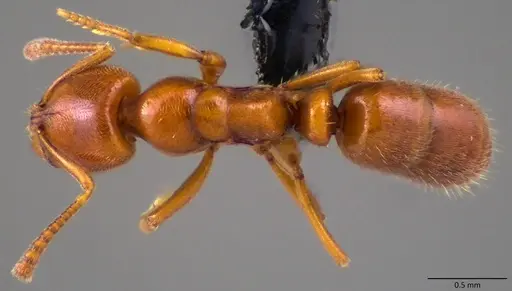
CASENT0065779
View on AntWeb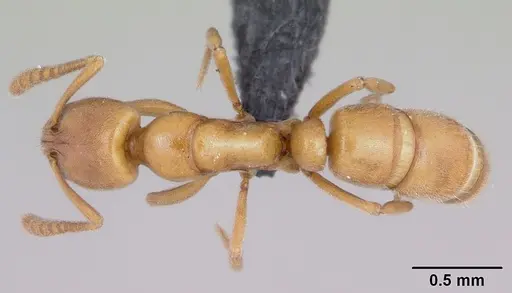
CASENT0102904
View on AntWeb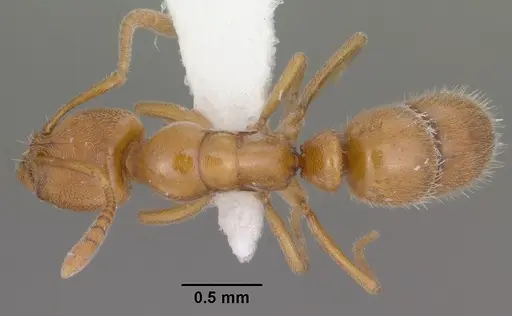
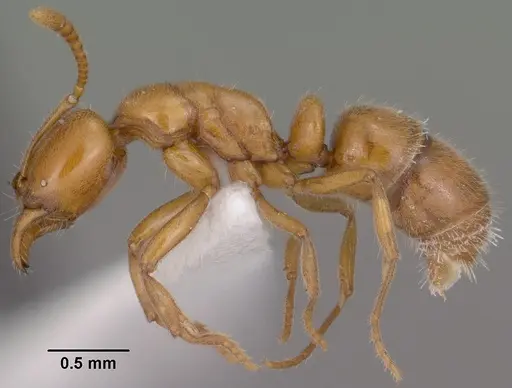
CASENT0103954
View on AntWeb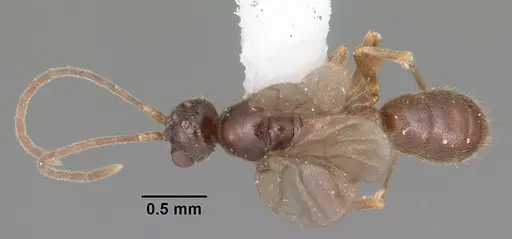
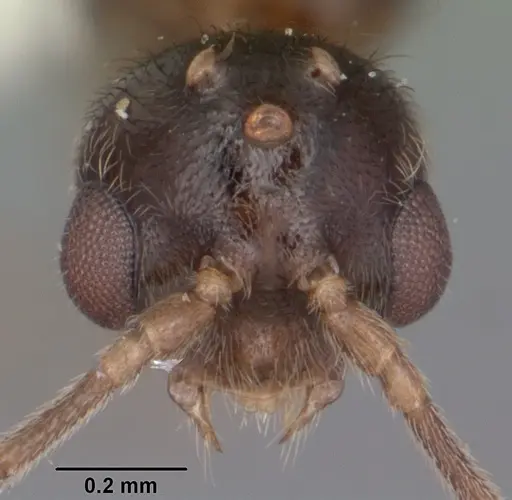
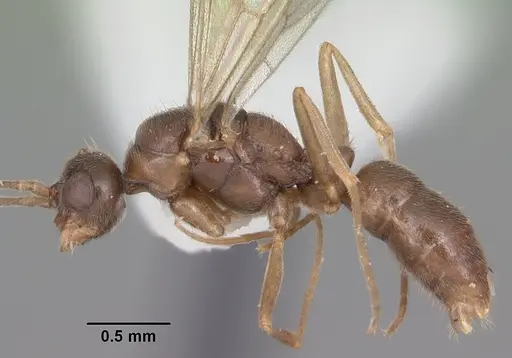
CASENT0103955
View on AntWeb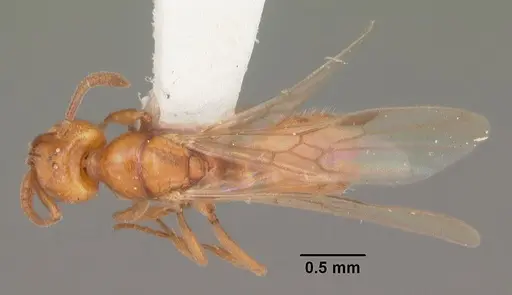
CASENT0103956
View on AntWeb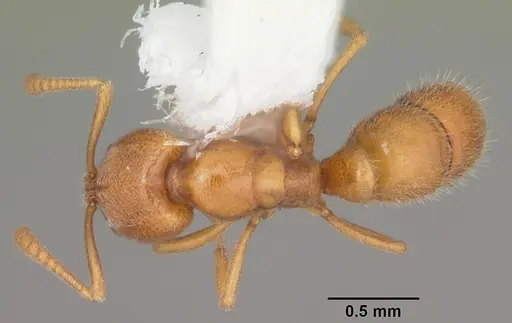
CASENT0105616
View on AntWeb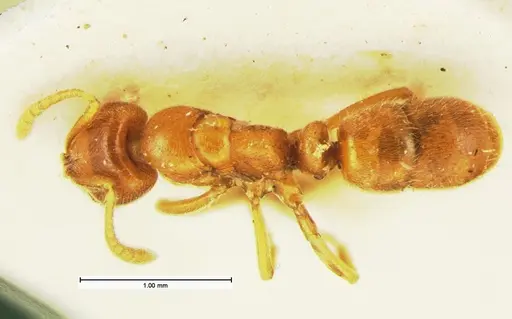
CASENT0647598
View on AntWeb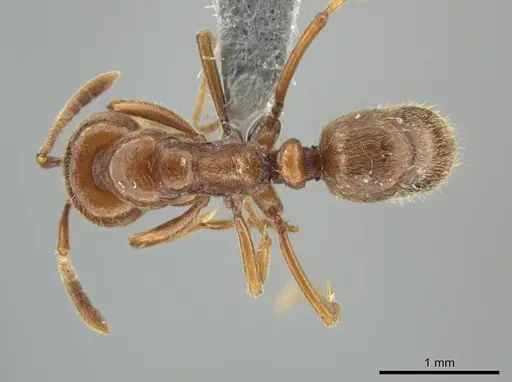
CASENT0647600
View on AntWeb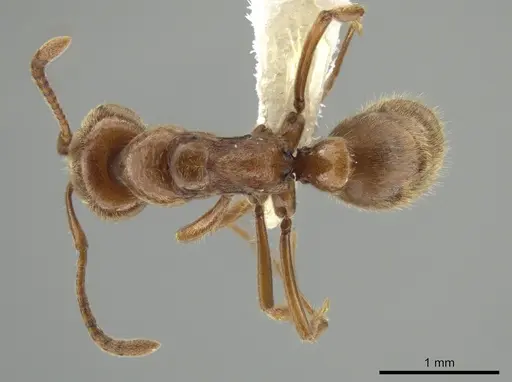
FMNHINS0000088658
View on AntWeb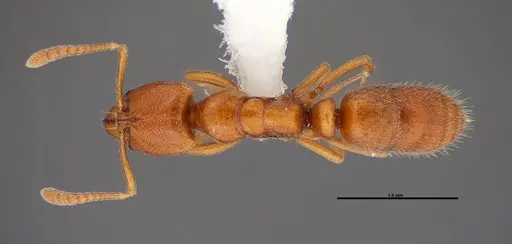
MHNGENTO00094413
View on AntWeb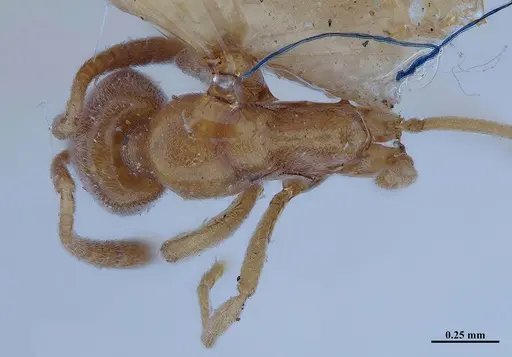
Literature
Loading...Loading products...