

Hypoponera foeda
- Scientific Name
- Hypoponera foeda
- Tribe
- Ponerini
- Subfamily
- Ponerinae
- Author
- Forel, 1893
- Distribution
- Found in 1 countries
Hypoponera foeda Overview
Hypoponera foeda is an ant species of the genus Hypoponera. It is primarily documented in 1 countries , including Jamaica. Detailed taxonomic data and occurrence records can be further explored via authoritative databases such as AntWeb or the Global Biodiversity Information Facility (GBIF).
Hypoponera foeda
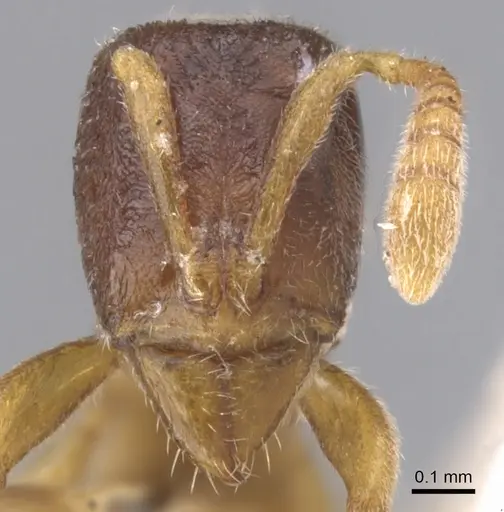
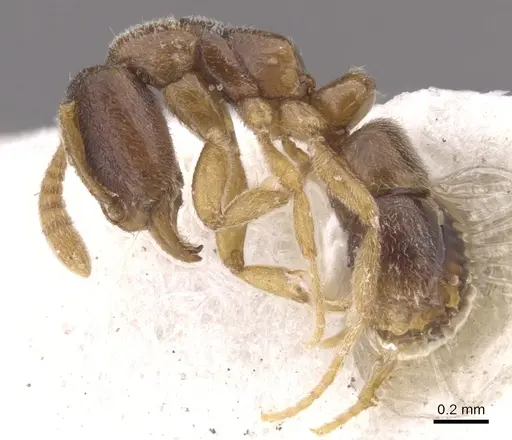
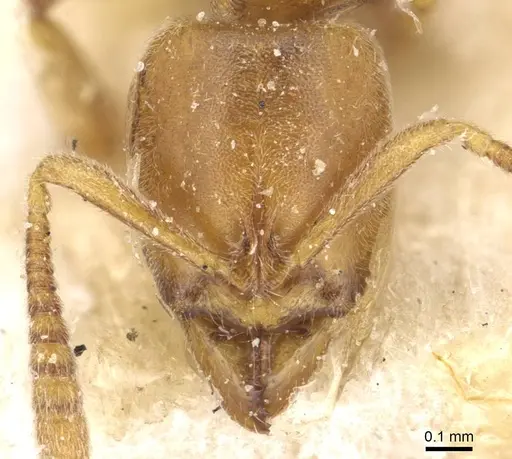
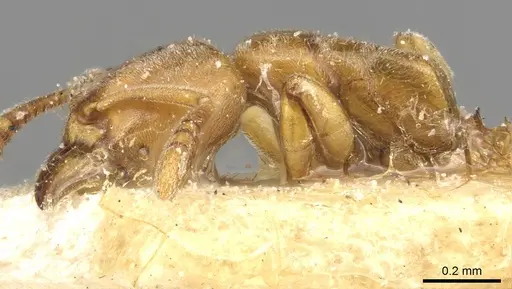
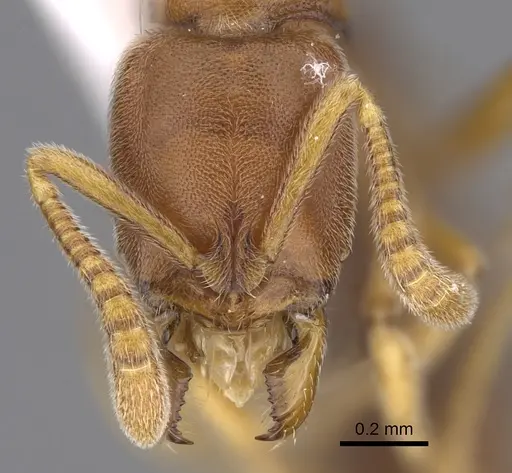
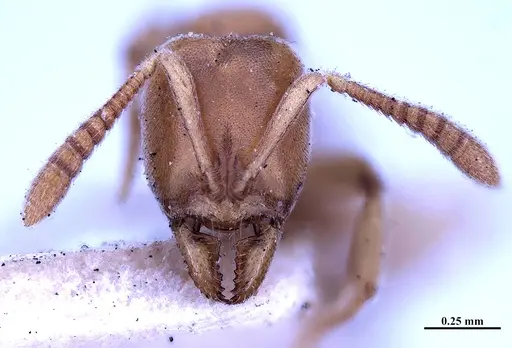
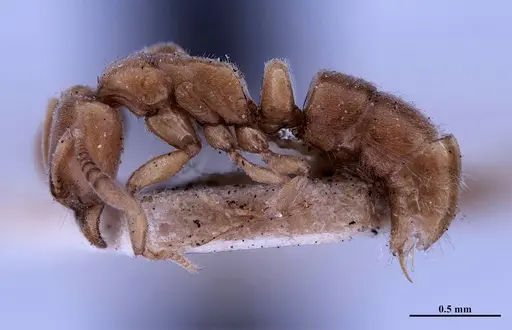
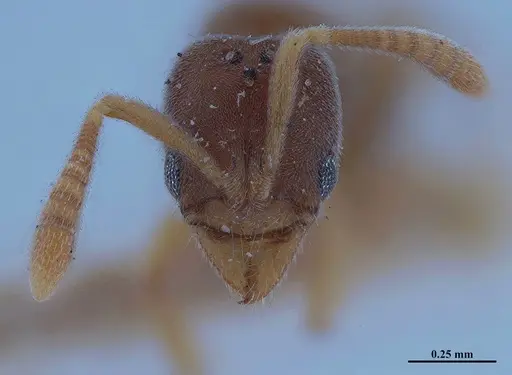
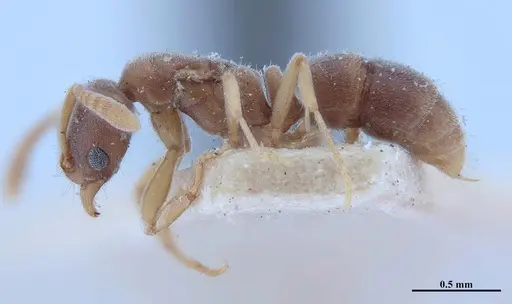
Hypoponera foeda is a small Ponerine ant native to the Neotropical region, ranging from Mexico through Central America to Brazil and the Caribbean islands. Workers measure 1.9-2.7mm and display considerable color variation, from yellowish-orange to dark brown. They closely resemble the smaller Hypoponera punctatissima but can be distinguished by their small eyes containing only 5-6 facets. Queens are slightly larger at 2.5mm and are wingless, which is unusual among Ponerine ants. This species nests under rocks, in sod, and beneath the bark of rotten logs in damp forest environments.
Quick Summary
- Difficulty: Medium
- Origin & Habitat: Neotropical region including Brazil, Colombia, Greater Antilles, and Mexico. Found exclusively in native forest areas, typically under rocks, sod, and the bark of rotten logs in damp, shaded locations [1][2].
- Colony Type: Colony structure is not fully documented. The species has intercastes (intermediate forms between queens and workers) and ergatoid males (wingless, worker-like males), which suggests flexible reproductive systems [3]. Single-queen colonies are likely based on typical Hypoponera patterns.
- Colony: Monogyne
- Size & Growth:
- Queen: 2.5mm [2]
- Worker: 1.9-2.7mm [2]
- Colony: Unknown, likely small to moderate based on typical Hypoponera colony sizes
- Growth: Moderate, inferred from typical Ponerine development patterns
- Development: Estimated 6-10 weeks based on related Ponerine species at optimal temperature. No specific development data available for this species. (Development timeline is estimated from genus-level data. Temperature will significantly affect development speed.)
- Antkeeping:
- Temperature: Keep around 24-28°C. As a tropical species, they need warm, stable conditions. A heating cable on one side of the nest creates a suitable gradient.
- Humidity: High humidity is essential, these ants naturally live in damp forest floor habitats. Keep the nest substrate consistently moist but not waterlogged. Provide a water tube for drinking access.
- Diapause: Unknown for this species. Tropical ants typically do not require hibernation, but a slight cooling period during winter months may be beneficial. Monitor colony activity levels.
- Nesting: Prefers damp, enclosed spaces. Test tubes with cotton and a water reservoir work well for founding colonies. For established colonies, a Y-tong or plaster nest with moisture retention suits their needs. They naturally nest under rocks and in rotting wood, so avoid overly dry environments.
- Behavior: Hypoponera foeda is a secretive, ground-nesting ant that prefers dark, humid microhabitats. Workers are small and not particularly aggressive, but they possess a functional sting. They are primarily predatory, hunting small invertebrates in the soil. Escape prevention is important due to their small size, use fine mesh barriers and tight-fitting lids. Workers are slow-moving and spend most of their time underground.
- Common Issues: high humidity requirements mean mold can develop quickly if ventilation is poor, small size makes escape prevention critical, they can squeeze through standard test tube openings, tropical species may struggle with temperature drops below 20°C, wild-caught colonies may carry parasites that affect captive survival, slow colony growth can lead to keeper impatience and overfeeding
Housing and Nest Setup
Hypoponera foeda requires a humid, enclosed nest environment that mimics their natural forest floor habitat. For founding colonies, a standard test tube setup works well, fill the tube one-third with water, plug with cotton, and place the queen in darkness. The cotton should be tight enough to prevent flooding but allow moisture to evaporate. Cover the setup with a dark cloth for the first few weeks as queens prefer dark, quiet conditions during founding. For established colonies, a Y-tong (acrylic) nest or plaster formicarium provides better space and humidity control. Whatever setup you choose, ensure excellent escape prevention, these tiny ants can slip through gaps that larger species would never attempt. [1][2]
Feeding and Diet
As a Ponerine ant, Hypoponera foeda is primarily predatory, hunting small soil invertebrates. In captivity, offer small live prey such as fruit flies, pinhead crickets, and small mealworms. They likely accept protein-rich foods like crushed insects and commercial ant jelly. Sugar sources may be accepted occasionally, but protein should form the bulk of their diet. Feed every 2-3 days, removing any uneaten prey after 24 hours to prevent mold. Always provide a fresh water source, a small test tube with a cotton plug works well.
Temperature and Humidity
Maintain temperatures between 24-28°C for optimal colony health and development. These tropical ants are sensitive to cold and will become sluggish below 22°C. Use a heating cable on one side of the nest to create a temperature gradient, allowing workers to regulate their own temperature by moving between warmer and cooler areas. Humidity is critical, aim for 70-80% relative humidity within the nest. The substrate should feel consistently damp but never waterlogged. A moisture gradient works well, with some areas damper than others so ants can choose their preferred microclimate.
Colony Development
The colony development timeline for Hypoponera foeda is not directly documented, but based on related Ponerine species, expect 6-10 weeks from egg to first worker at optimal temperature. Queens are wingless (apterous) and measure 2.5mm, which is unusual among Ponerines. The presence of intercastes and ergatoid males suggests this species has flexible reproductive mechanisms [3]. Workers are small at 1.9-2.7mm and vary in color from yellowish to dark brown. Growth is likely moderate, patience is key as small Ponerine colonies develop more slowly than many common house ants.
Behavior and Temperament
Hypoponera foeda is a secretive, ground-dwelling species that prefers dark, humid environments. Workers are not aggressive and will flee rather than confront threats. However, they possess a functional sting that can be used defensively. They are primarily nocturnal or crepuscular, becoming more active in low-light conditions. Workers hunt individually for small prey rather than coordinating mass raids. Their small size and slow movement make them less dramatic than larger Ponerines like Odontomachus, but their interesting social structure and secretive nature make them rewarding to observe. [2]
Frequently Asked Questions
How long does it take for Hypoponera foeda to produce first workers?
The exact timeline is unconfirmed, but based on related Ponerine species, expect 6-10 weeks from egg to first worker at optimal temperature (24-28°C). Be patient, small colonies grow slowly.
What do Hypoponera foeda ants eat?
They are predatory ants that hunt small invertebrates. Feed small live prey like fruit flies, pinhead crickets, and small mealworms. Protein-rich foods and occasional sugar water may also be accepted.
What temperature do Hypoponera foeda ants need?
Keep them warm at 24-28°C. They are tropical ants sensitive to cold and will become sluggish below 22°C. A small heating cable on part of the nest can help maintain optimal temperatures.
Are Hypoponera foeda ants good for beginners?
They are rated as medium difficulty. Their high humidity requirements and small size make them slightly more challenging than common house ants. They are best suited for keepers with some antkeeping experience who can maintain stable, humid conditions.
How big do Hypoponera foeda colonies get?
Colony size is not well documented, but based on related species, they likely remain small (under 100 workers). They are not fast-growing colony builders.
Do Hypoponera foeda ants need hibernation?
As a tropical species, they do not require true hibernation. However, a slight temperature reduction during winter months (down to around 20-22°C) may be beneficial and mimic natural seasonal changes.
Why are my Hypoponera foeda ants dying?
Common causes include: temperature too low (below 20°C), humidity too low or too high (mold), poor escape prevention, or stress from disturbance. Ensure dark, quiet conditions and consistent moisture levels.
Can I keep multiple Hypoponera foeda queens together?
Combining unrelated queens has not been documented for this species. Based on typical Hypoponera behavior, single-queen colonies are most stable. Do not attempt to introduce multiple foundress queens.
References

This caresheet is licensed under CC BY-SA 4.0 .
CASENT0902570
View on AntWeb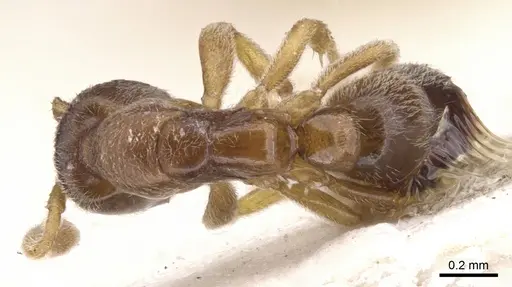
CASENT0915196
View on AntWeb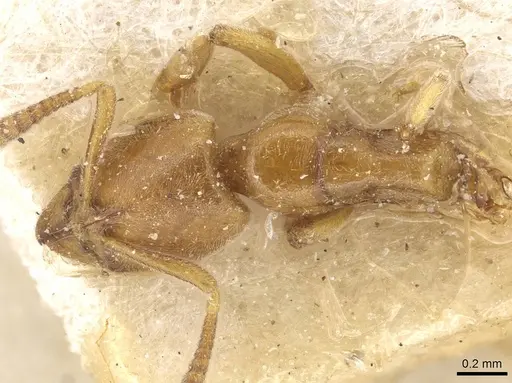
CASENT0923399
View on AntWeb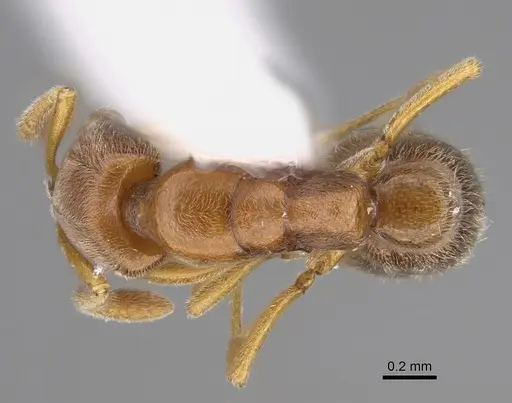
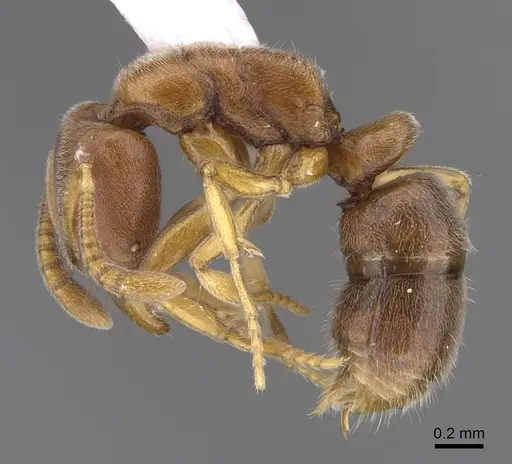
MHNGENTO00094395
View on AntWeb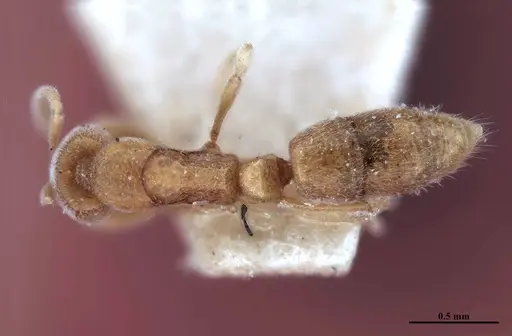
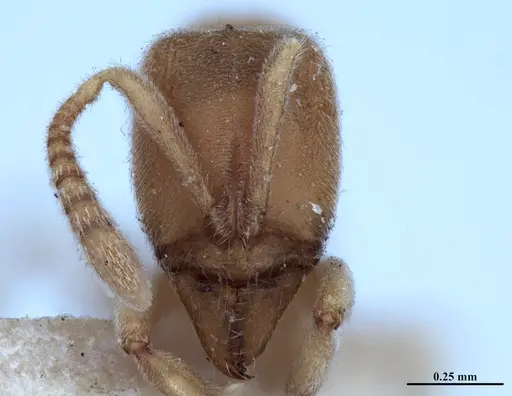
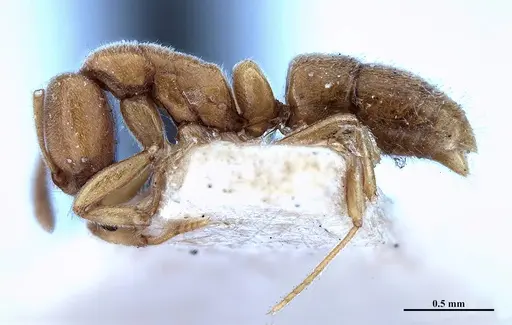
MHNGENTO00094401
View on AntWeb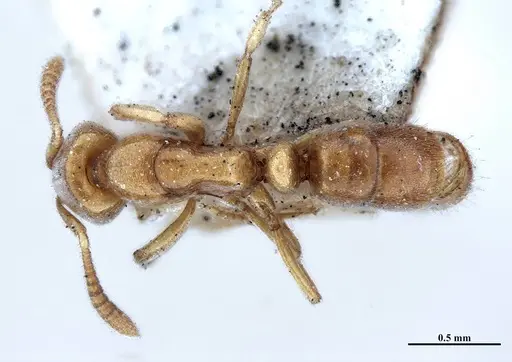
MHNGENTO00094407
View on AntWeb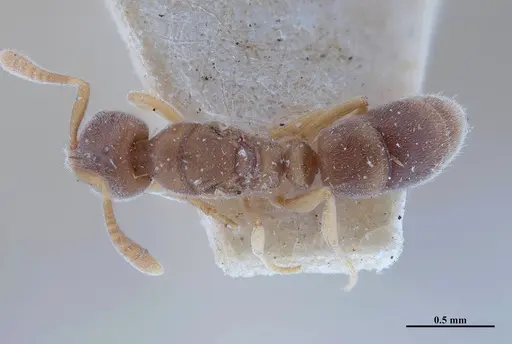
Literature
Loading...Loading products...