

Hypoponera fiebrigi
- Scientific Name
- Hypoponera fiebrigi
- Tribe
- Ponerini
- Subfamily
- Ponerinae
- Author
- Forel, 1908
- Distribution
- Found in 1 countries
Hypoponera fiebrigi Overview
Hypoponera fiebrigi is an ant species of the genus Hypoponera. It is primarily documented in 1 countries , including Colombia. Detailed taxonomic data and occurrence records can be further explored via authoritative databases such as AntWeb or the Global Biodiversity Information Facility (GBIF).
Hypoponera fiebrigi
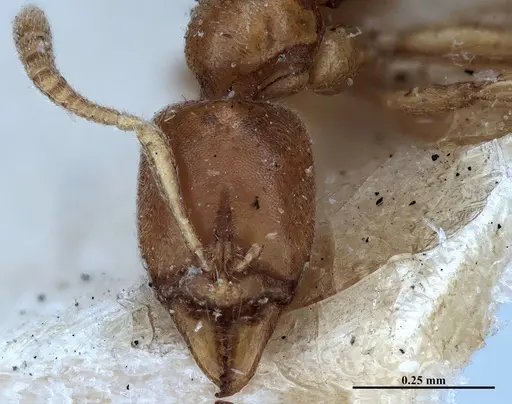
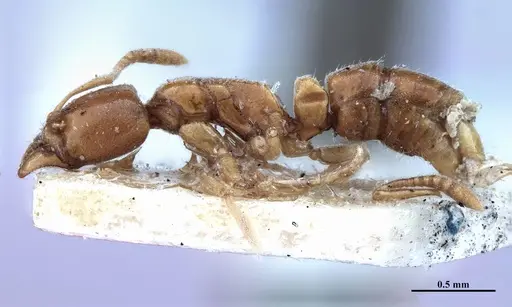
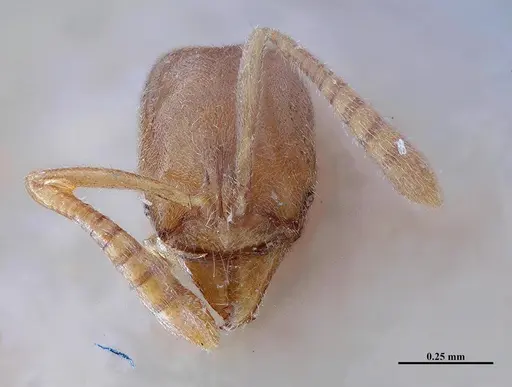
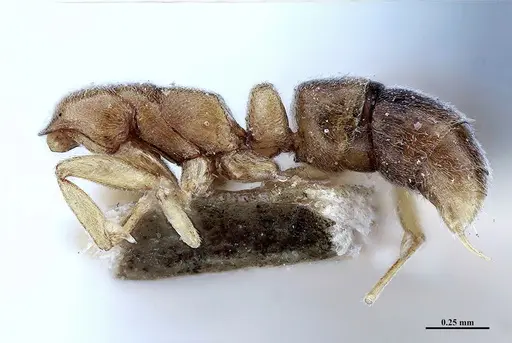
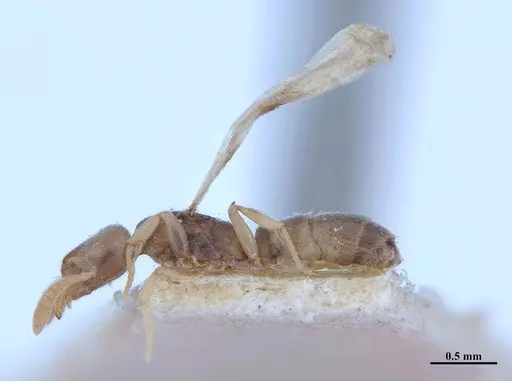
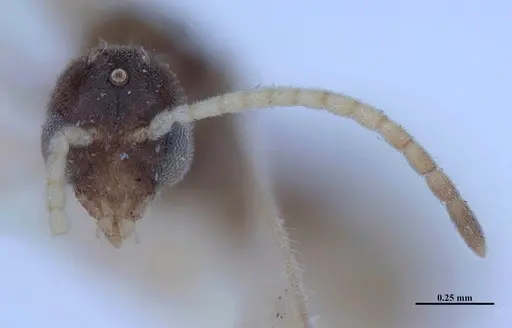
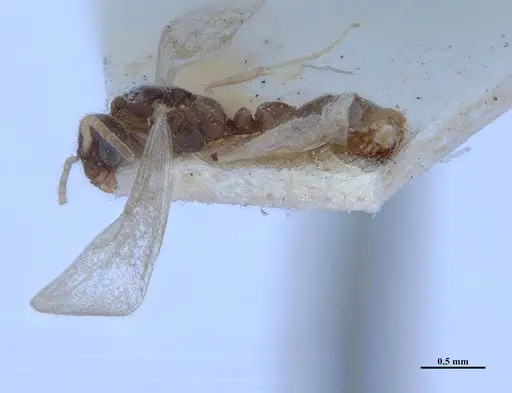
Hypoponera fiebrigi is a tiny yellow ponerine ant native to the Neotropical region, originally described from Paraguay and now known across northern Argentina, Colombia, and surrounding areas [1]. Workers measure just 2.27mm, making them one of the smaller ant species you'll encounter [2]. They have remarkably simple eyes, each eye consists of just a single lens facet, meaning they have very poor vision and rely almost entirely on chemical signals to navigate [2]. Their yellow coloration and cryptic lifestyle help them blend into leaf litter and soil environments where they nest.
These ants belong to the Ponerinae subfamily, which contains more primitive ants that typically retain a functional sting. They are classified as 'cryptic species' in Argentina, meaning they spend most of their time hidden in concealed microhabitats [3]. In the wild, they inhabit premontane and montane forest environments in the Yungas region of Argentina [4]. This species may be synonymous with Hypoponera aliena, though this remains uncertain [2].
Quick Summary
- Difficulty: Medium
- Origin & Habitat: Native to the Neotropical region, originally described from Paraguay, with confirmed records in Colombia (Magdalena department) and northern Argentina (Misiones, Yungas) [1][2][5]. In Argentina, they are found in premontane and montane forest habitats at higher elevations [4]. The Caldenal district record represents a new finding for that Argentine region [6].
- Colony Type: Colony structure is unconfirmed. Based on typical Hypoponera patterns, likely single-queen colonies, though this has not been directly documented for this specific species.
- Size & Growth:
- Queen: Unknown, not directly measured in available literature
- Worker: 2.27mm total length,0.78mm Weber length [2]
- Colony: Unknown, no colony size data available
- Growth: Unknown, growth rate has not been documented
- Development: Unconfirmed, no direct development data exists for this species. Based on typical Ponerine patterns, estimate 6-10 weeks at optimal temperature. (Development timeline is unconfirmed. Related Hypoponera species typically take 6-10 weeks from egg to worker at warm temperatures.)
- Antkeeping:
- Temperature: Aim for roughly 22-26°C. They inhabit subtropical to tropical forests, so they prefer warm conditions. A heating cable on one side of the nest creates a temperature gradient they can choose between.
- Humidity: Keep substrate consistently moist but not waterlogged. These forest-floor ants need damp conditions, the substrate should feel damp to the touch with some slightly drier areas available.
- Diapause: Unknown for this species. Argentine populations experience temperate seasons and may require a cool period, but specific requirements are unconfirmed.
- Nesting: Use a naturalistic setup with moist substrate (soil or sand-clay mix) or a Y-tong/plaster nest with tight chambers scaled to their tiny size. They are secretive and prefer dark, concealed nesting areas.
- Behavior: These ants are cryptic and secretive, they spend most of their time hidden in the nest or moving through substrate. They have very poor vision due to their single-facet eyes, so they rely entirely on chemical pheromone trails [2]. Workers are small at 2.27mm and can easily escape through tiny gaps. They are likely predatory on small soil micro-arthropods like other cryptic Ponerines. Handle with care as they may sting, the sting is functional though small.
- Common Issues: escape prevention is critical, their tiny 2.27mm size means they can squeeze through the smallest gaps in equipment, poor vision makes them prone to wandering outside established trails, use excellent barrier coatings like fluon, slow colony growth is common with Ponerine ants and can frustrate beginners who overfeed or disturb the nest, cryptic behavior means you may not see the colony for days, this is normal, not a sign of problems, wild-caught colonies may contain parasites that can devastate captive populations
Housing and Nest Setup
Hypoponera fiebrigi is a tiny, secretive ant that needs a setup matching its cryptic nature. A naturalistic terrarium-style setup works well, use a container filled with moist soil or a sand-clay mixture that allows them to create underground chambers. Alternatively, a Y-tong (acrylic) nest with narrow chambers and passages scaled to their 2.27mm worker size provides good visibility while maintaining the dark, humid conditions they prefer. Because they have such poor vision, avoid bright lighting near the nest area, they do best in subdued lighting conditions. The outworld should be simple with minimal obstacles since they rely on chemical trails rather than visual navigation. [2][3]
Feeding and Diet
Like other Ponerine ants, Hypoponera fiebrigi is likely predatory on small soil invertebrates. Offer small live prey such as springtails, fruit flies, tiny crickets, and other micro-arthropods. They are small predators and cannot take large prey items. Sugar sources may be accepted occasionally, but protein-rich live food should form the primary diet. Feed small amounts every few days and remove any uneaten prey after 24 hours to prevent mold. Their poor vision means they likely locate food through chemical cues and vibrations rather than sight.
Temperature and Humidity
These ants come from subtropical to tropical forest environments in Paraguay, Colombia, and Argentina, so they need warm, humid conditions. Maintain temperatures in the 22-26°C range, a heating cable on one side of the nest creates a gradient they can regulate themselves. Humidity is critical: keep the substrate consistently moist but not waterlogged. The nest should have some condensation present without being dripping wet. Allow some drier areas in the setup so the ants can self-regulate their moisture exposure. Avoid cold drafts and sudden temperature drops. [4]
Behavior and Temperament
Hypoponera fiebrigi is a cryptic species that avoids light and open spaces. Workers are small, yellow, and move slowly through leaf litter and soil. Their single-facet eyes give them very poor vision, so they navigate using pheromone trails and chemical communication [2]. They belong to the Ponerine subfamily, which means they retain a functional sting, while small, it can still penetrate human skin and may cause mild discomfort. These ants are not aggressive and will retreat rather than confront threats. They are most active at night or in dim conditions. Colonies are likely small and secretive, with queens probably remaining hidden in the nest after founding.
Colony Establishment and Growth
Establishing a colony of this species requires patience. The founding queen likely seals herself in a claustral chamber (based on genus patterns), living off stored fat reserves until her first workers emerge. Initial colony growth is slow, the first workers (nanitics) will be tiny and the colony may remain small for months. Do not disturb the nest during the founding phase. Once the colony is established with several workers, growth remains gradual compared to faster species like Lasius or Camponotus. A mature colony likely contains only dozens to perhaps a few hundred workers, as is typical for small cryptic Ponerines. Resist the urge to overfeed or expand the setup prematurely.
Frequently Asked Questions
How long does it take for Hypoponera fiebrigi to produce first workers?
The egg-to-worker timeline is unconfirmed for this species. Based on typical Ponerine ant development, expect 6-10 weeks at optimal warm temperatures (around 24-26°C). The first workers will be nanitics, smaller than fully grown workers.
Can I keep Hypoponera fiebrigi in a test tube setup?
Yes, a test tube setup can work for founding colonies. Use a small test tube with a water reservoir and cotton plug, keeping it horizontal so the queen can retreat to the moist end. Cover the tube with something opaque since these cryptic ants avoid light. For established colonies, transfer to a naturalistic setup with moist substrate.
What do Hypoponera fiebrigi ants eat?
They are likely predatory on small soil invertebrates. Feed small live prey like springtails, fruit flies, tiny crickets, and other micro-arthropods. Small amounts of sugar water may be accepted occasionally, but protein should be the primary food source.
Are Hypoponera fiebrigi good for beginners?
They are rated as Medium difficulty. They require more patience than beginner species due to slow growth, cryptic behavior, and specific humidity needs. They are fascinating ants to watch but require more experience with humidity control and escape prevention compared to common beginner species.
How big do Hypoponera fiebrigi colonies get?
Colony size is unconfirmed for this species. Based on their tiny worker size (2.27mm) and cryptic lifestyle, colonies likely reach dozens to a few hundred workers at maturity, not the thousands seen in larger ant species.
Do Hypoponera fiebrigi need hibernation?
Diapause requirements are unknown. Argentine populations experience seasonal temperature changes and may benefit from a cool period (15-18°C) during winter months. However, specific hibernation requirements have not been documented for this species.
Why are my Hypoponera fiebrigi escaping?
Their tiny 2.27mm size means they can escape through remarkably small gaps. Use excellent escape prevention: tight-fitting lids, fine mesh on any ventilation, and apply fluon or barrier tape around the edges of the outworld. Check all seams and connections in your setup regularly.
Can I keep multiple queens together?
Combining unrelated queens of this species has not been documented. Based on typical Hypoponera behavior, single-queen colonies are most likely. Do not attempt to house multiple founding queens together unless you have specific documentation for this species.
When should I move them to a formicarium?
Wait until the colony has at least 20-30 workers before considering a formicarium or larger naturalistic setup. Premature transfer can stress the colony. A naturalistic terrarium-style setup works better than traditional formicariums for these secretive ants.
References

This caresheet is licensed under CC BY-SA 4.0 .
MHNGENTO00094396
View on AntWeb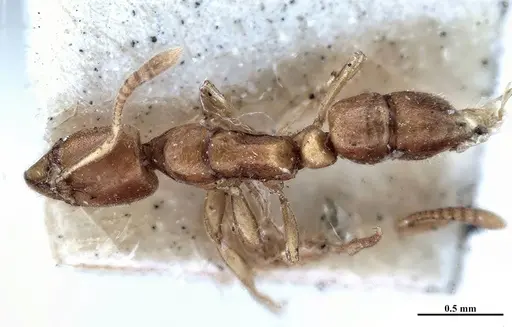
MHNGENTO00094397
View on AntWeb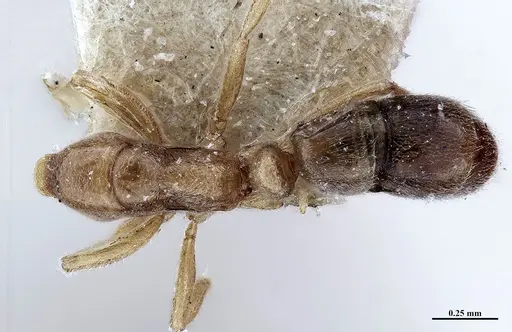
MHNGENTO00094408
View on AntWeb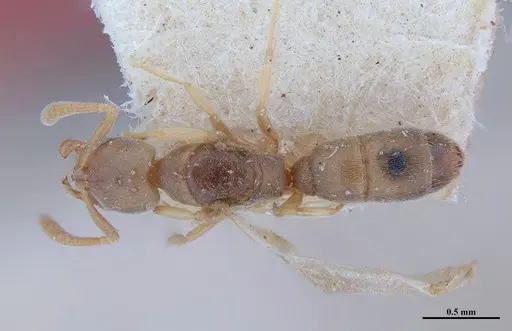
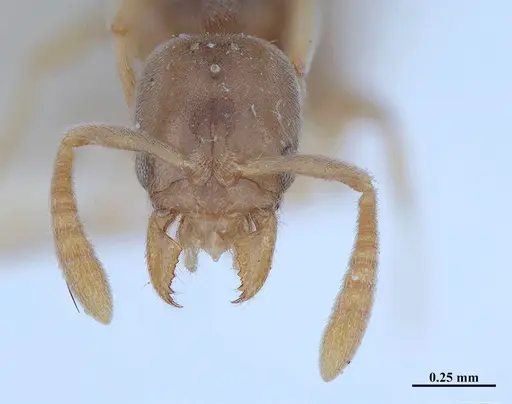
MHNGENTO00094409
View on AntWeb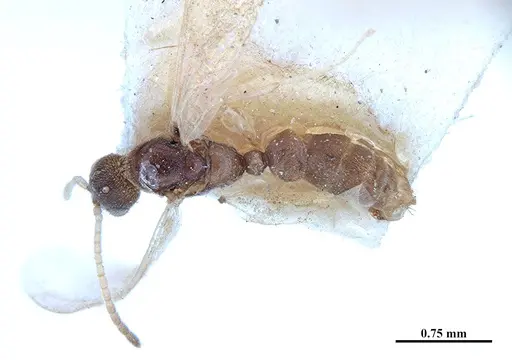
Literature
Loading...Loading products...