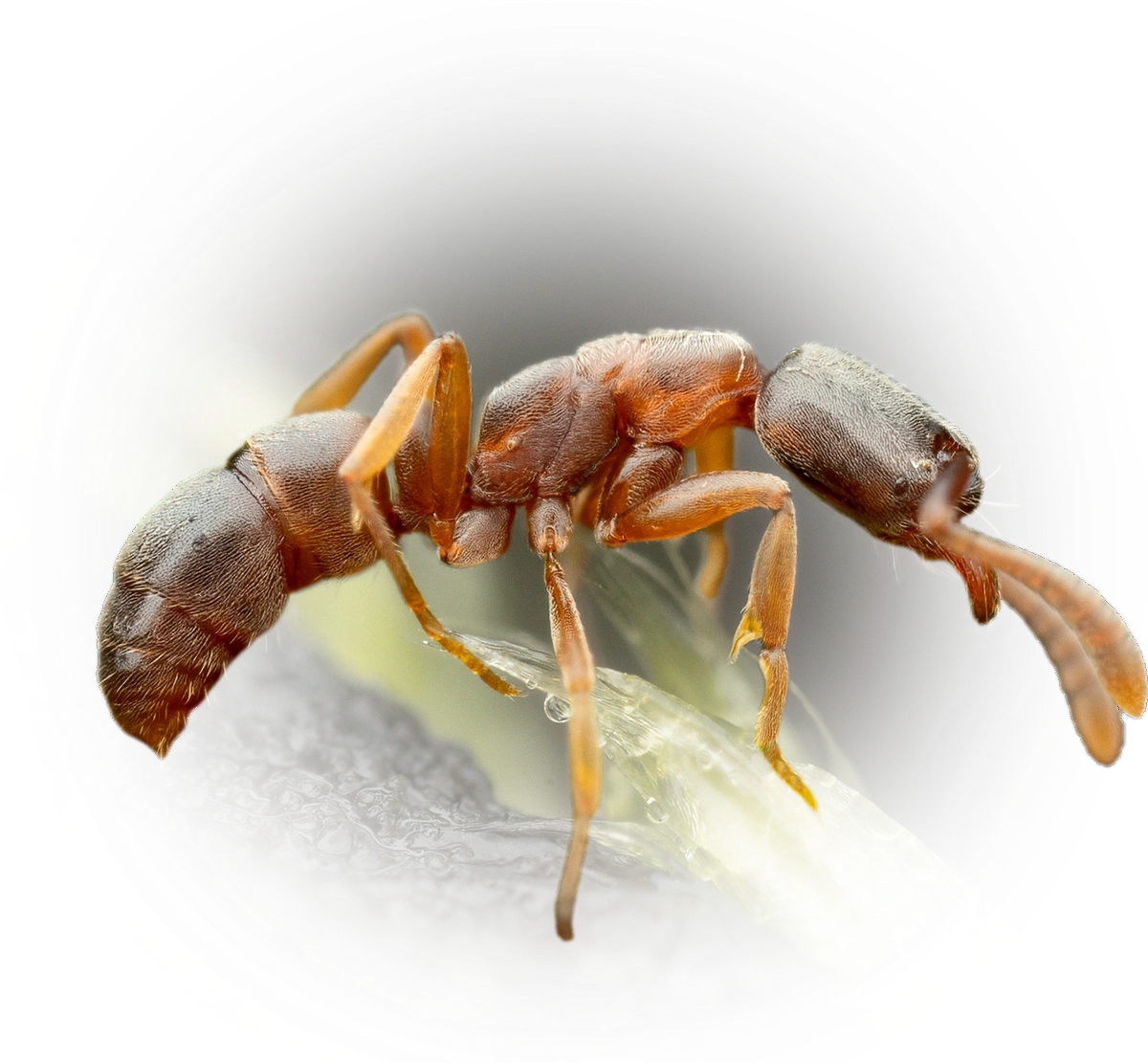

Hypoponera eduardi
- Scientific Name
- Hypoponera eduardi
- Tribe
- Ponerini
- Subfamily
- Ponerinae
- Author
- Forel, 1894
- Distribution
- Found in 12 countries
Hypoponera eduardi Overview
Hypoponera eduardi is an ant species of the genus Hypoponera. It is primarily documented in 12 countries , including Switzerland, Cuba, Spain. Detailed taxonomic data and occurrence records can be further explored via authoritative databases such as AntWeb or the Global Biodiversity Information Facility (GBIF).
Hypoponera eduardi
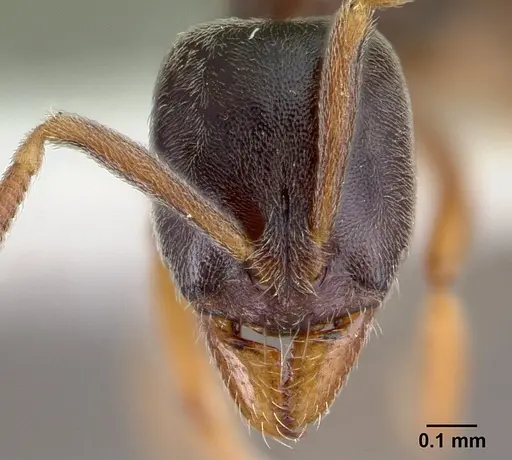
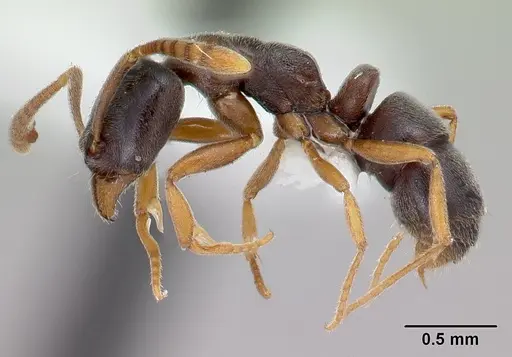
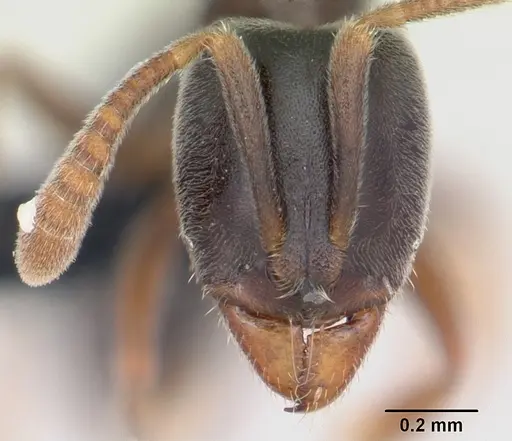
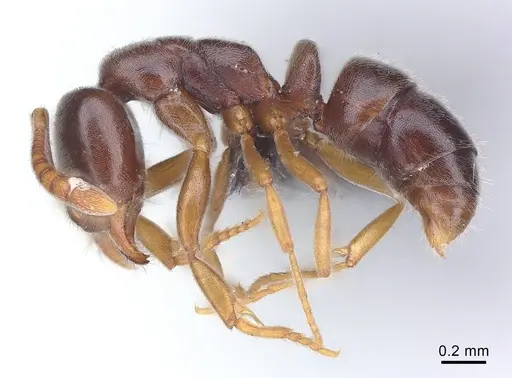
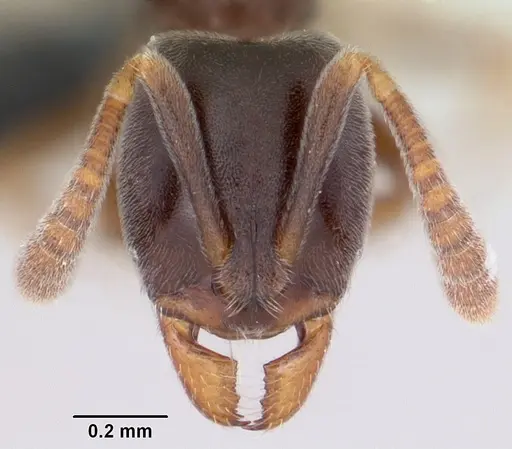
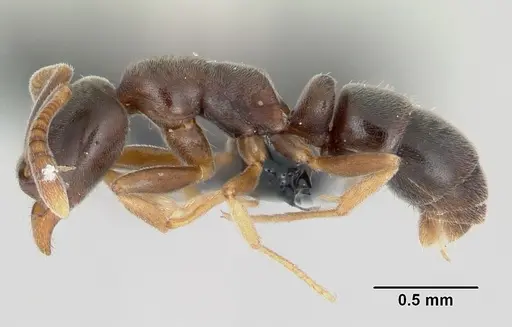
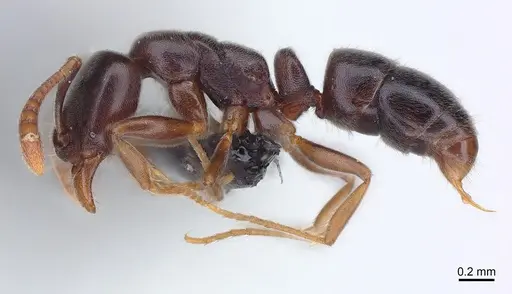
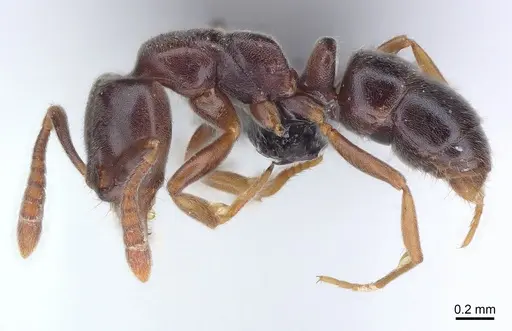
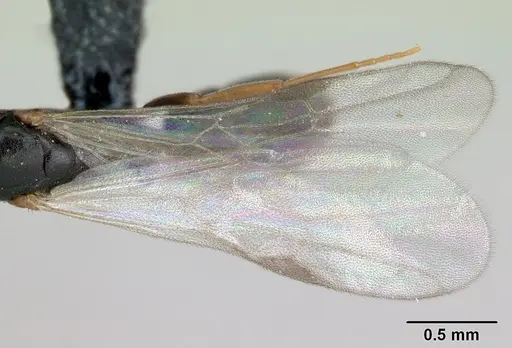
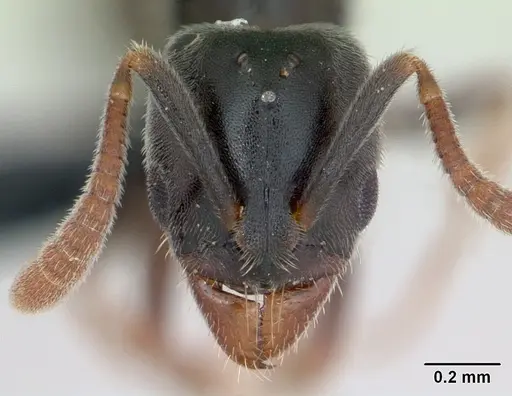
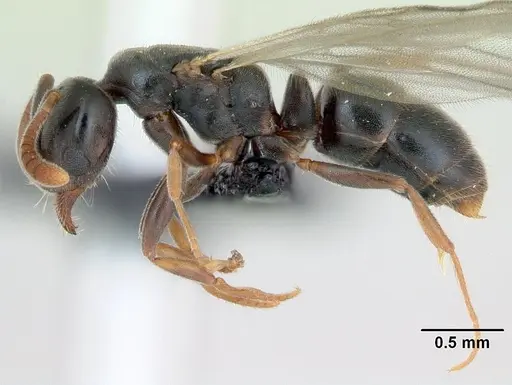
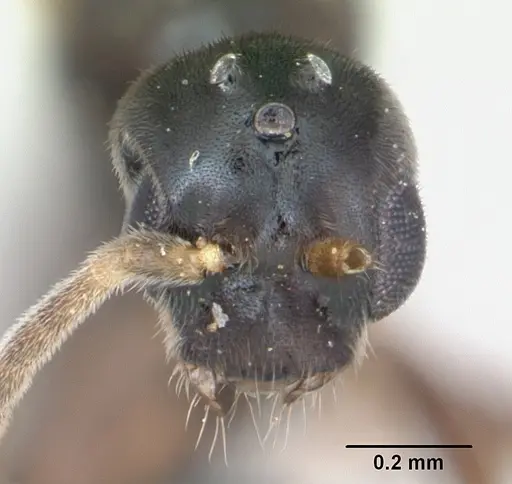
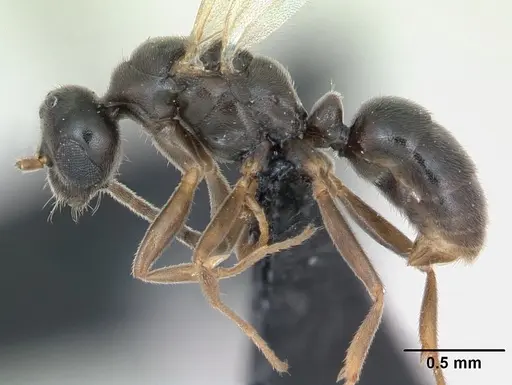
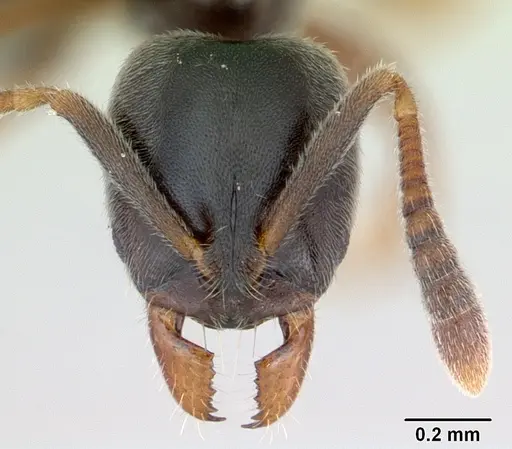
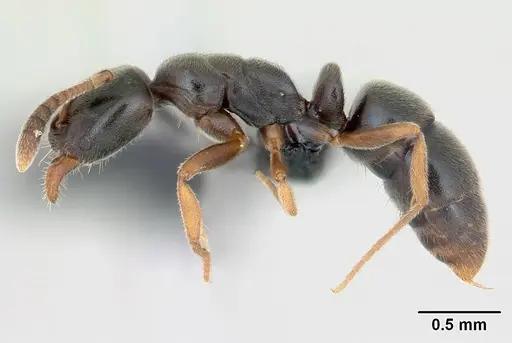
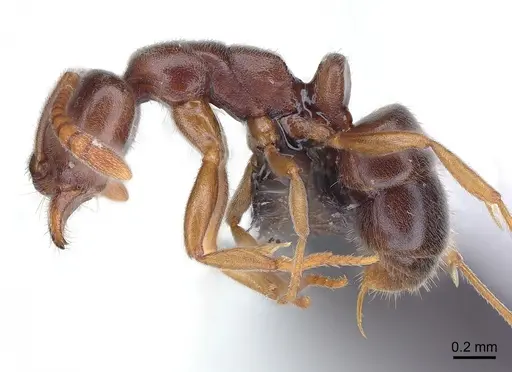
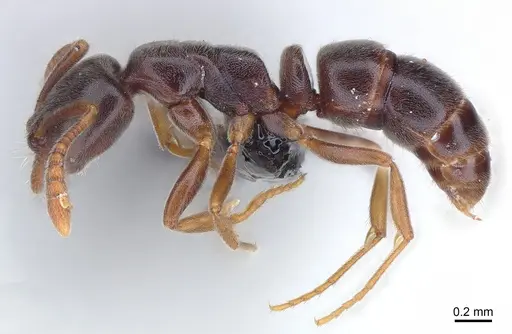
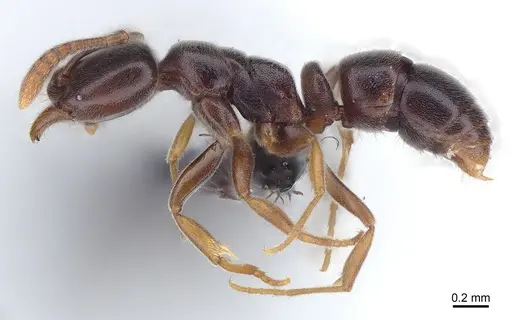
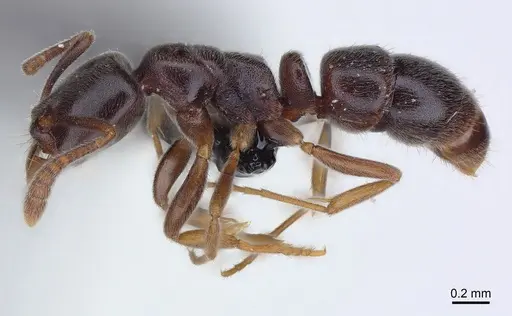
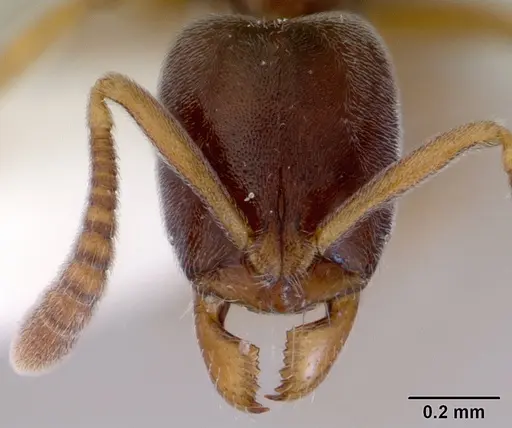
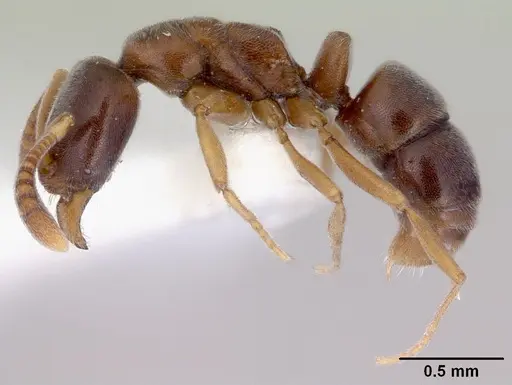
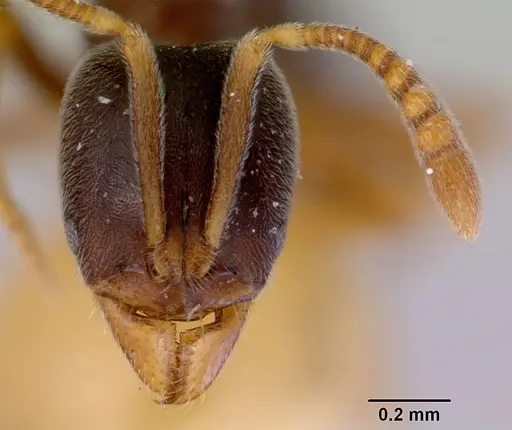
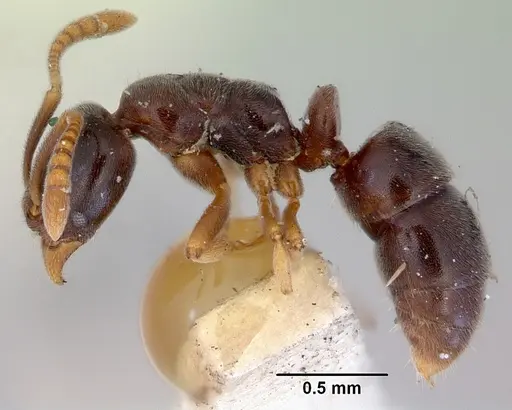
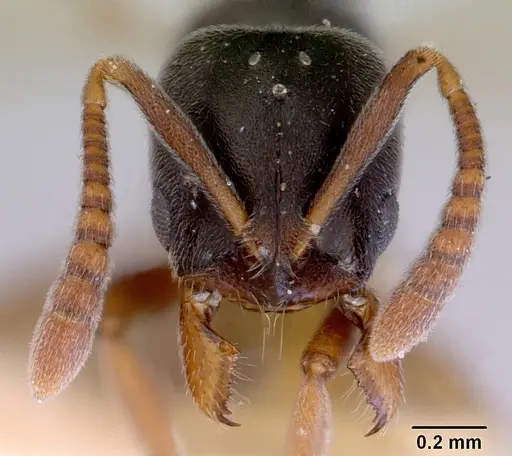
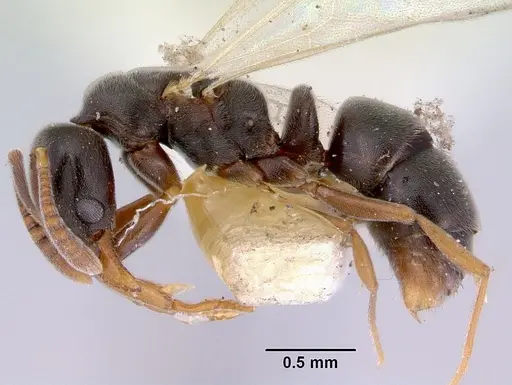
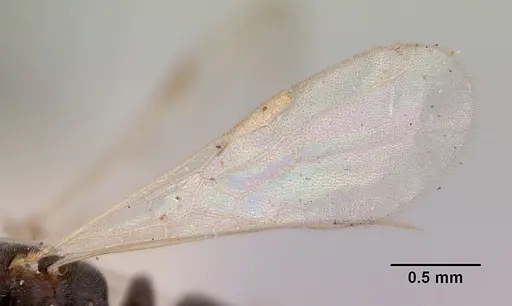
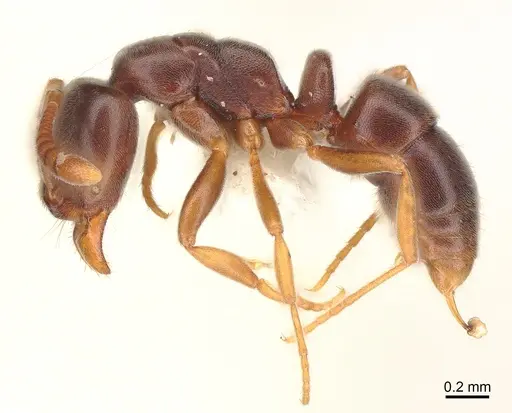
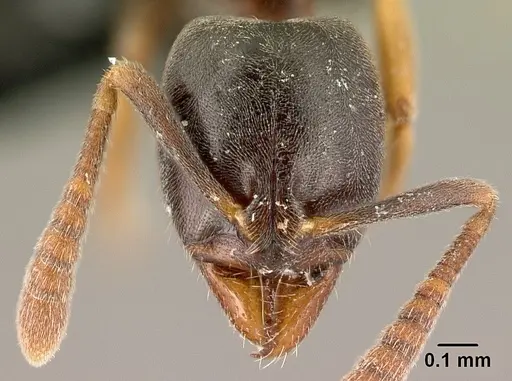
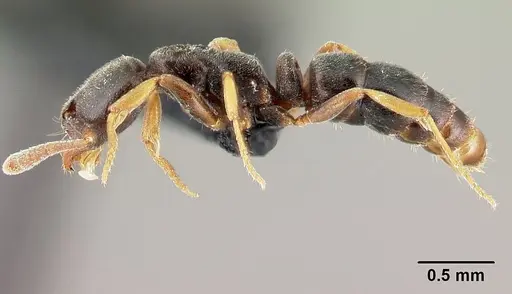
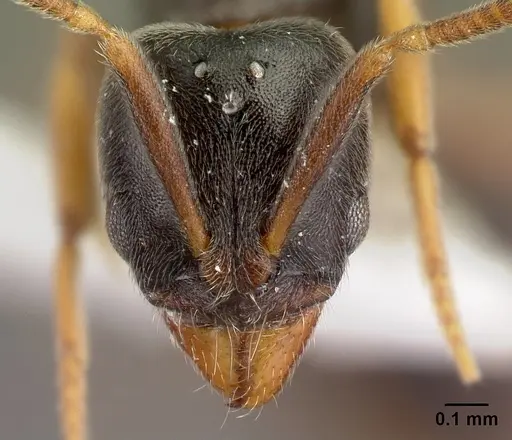
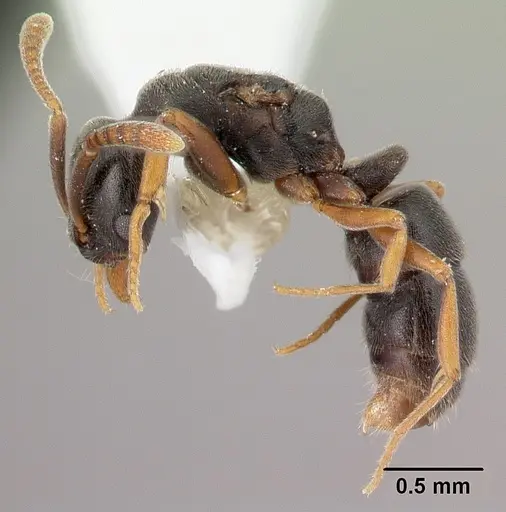
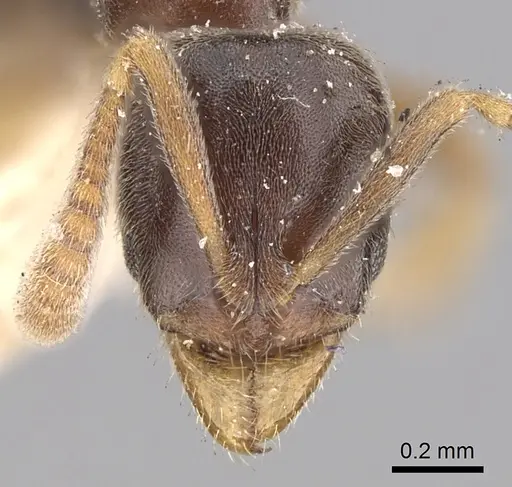
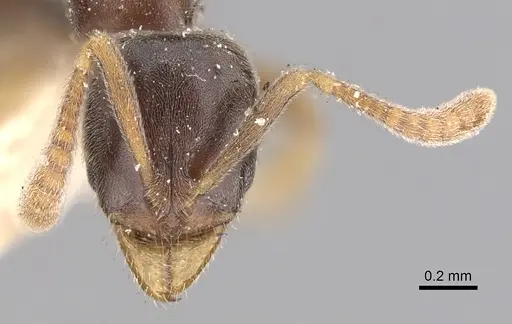
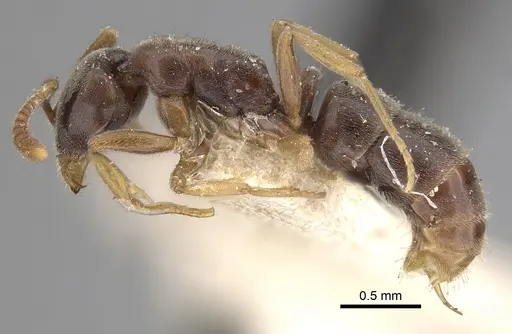
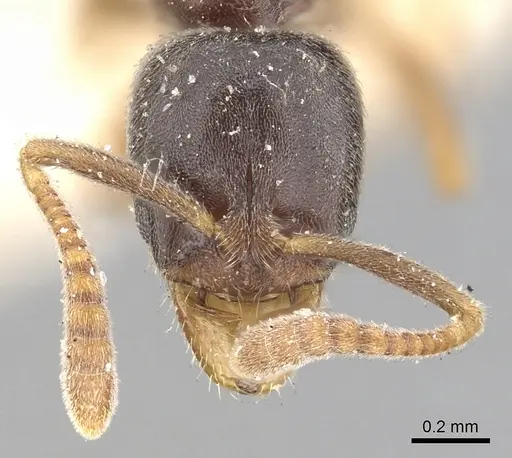
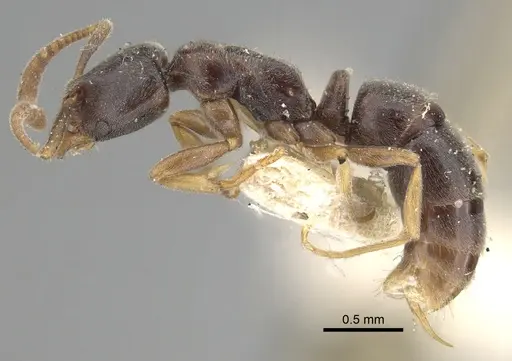
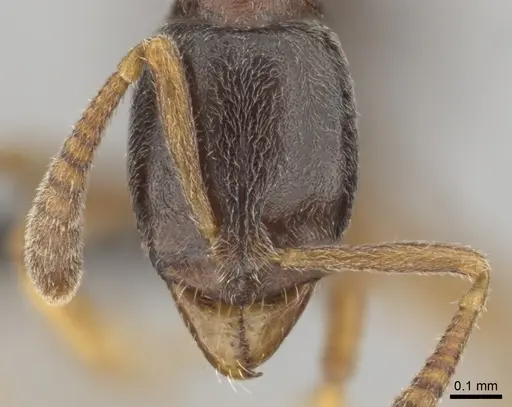
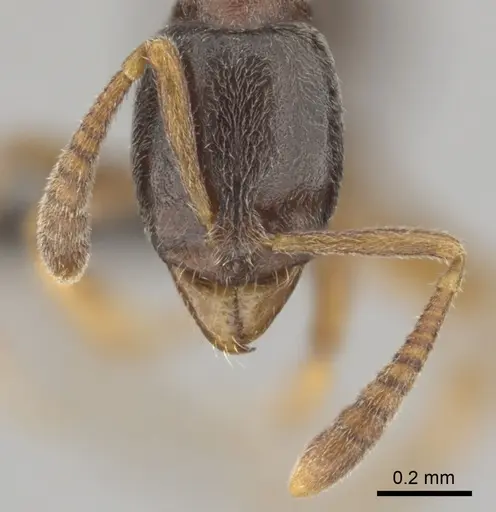
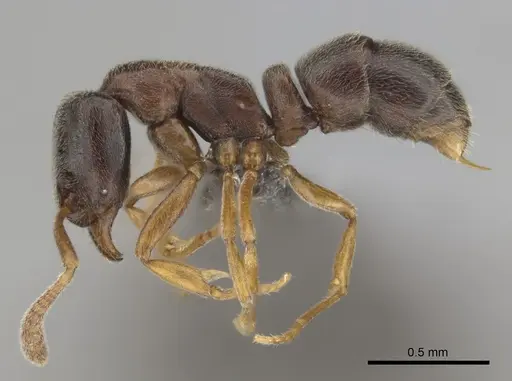
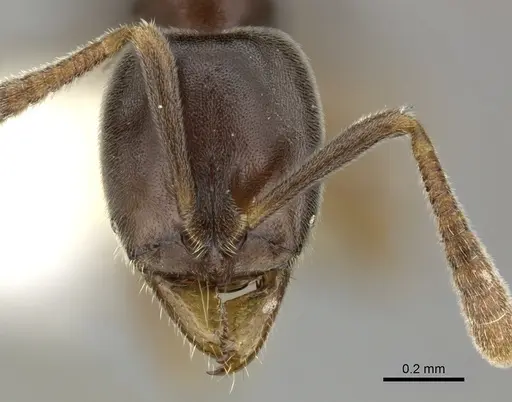
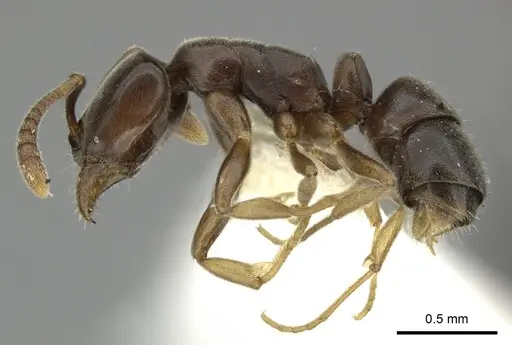
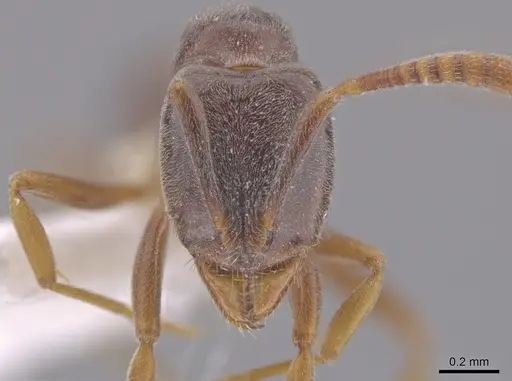
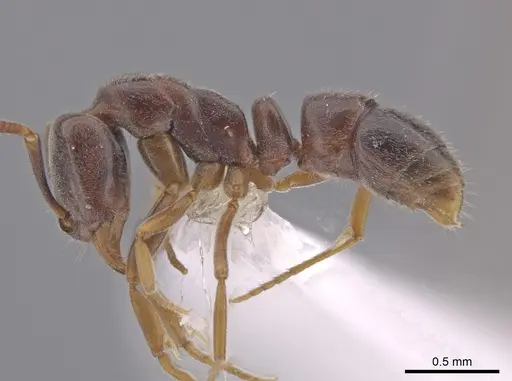
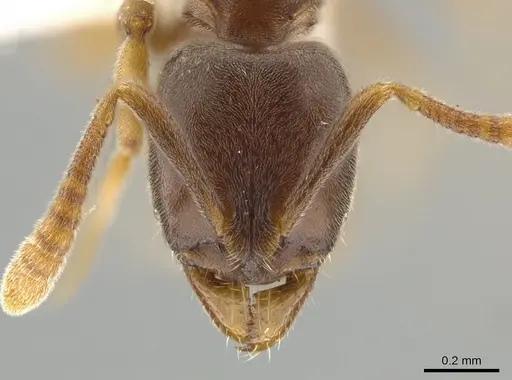
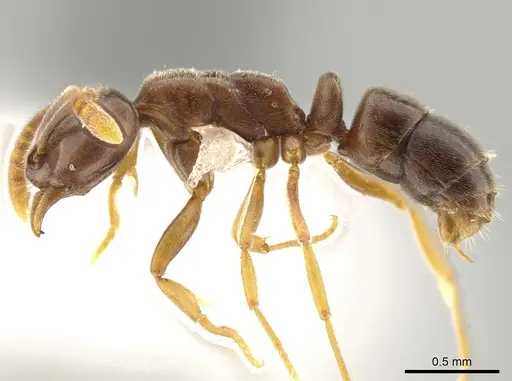
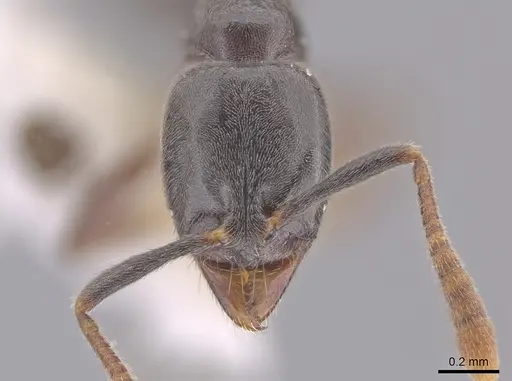
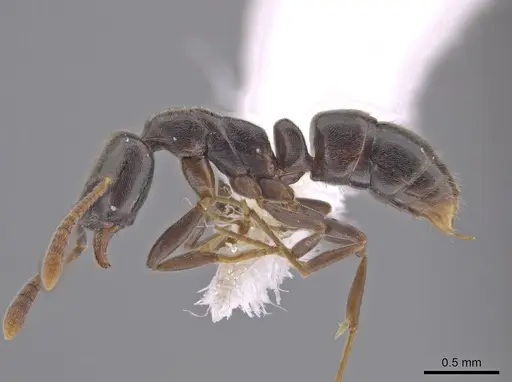
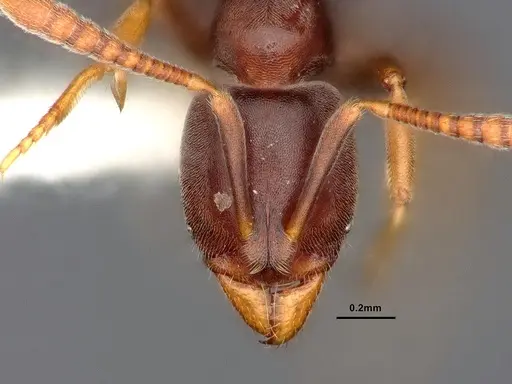
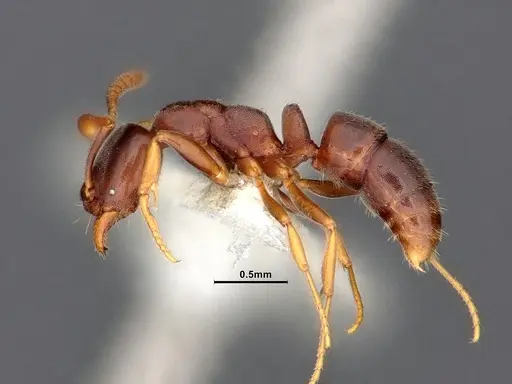
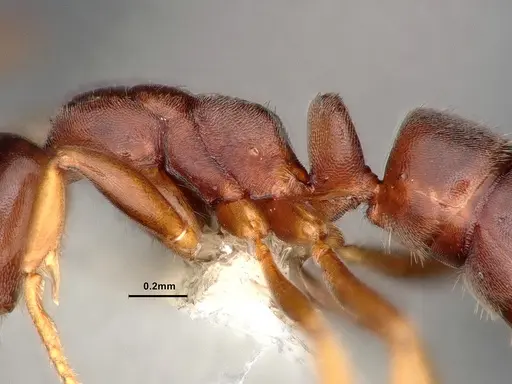
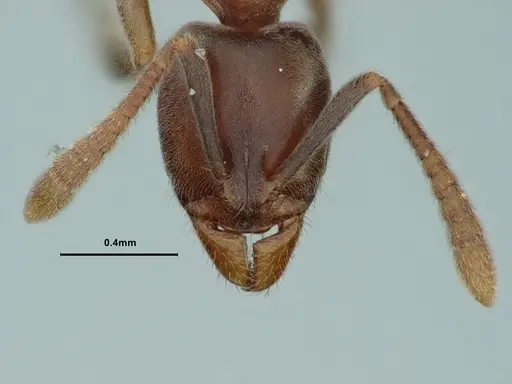
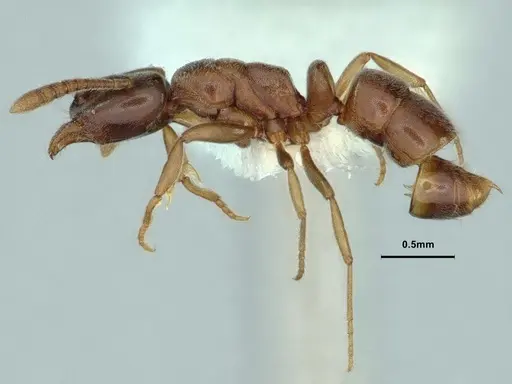
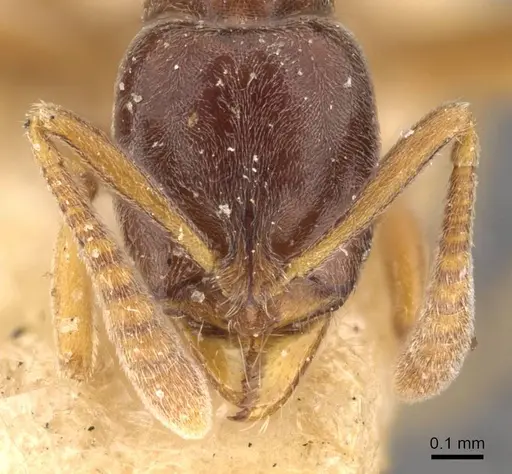
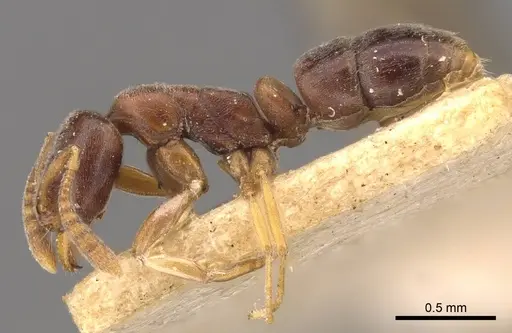
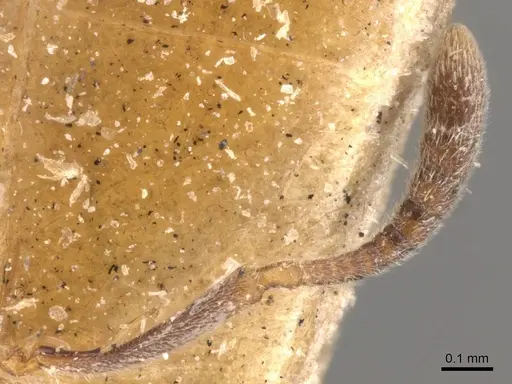
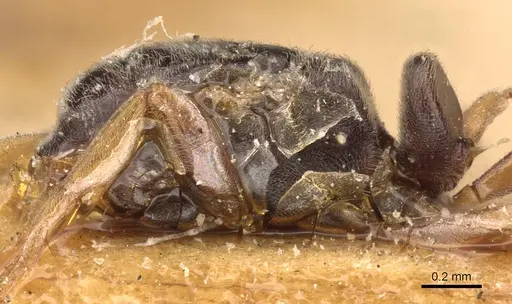
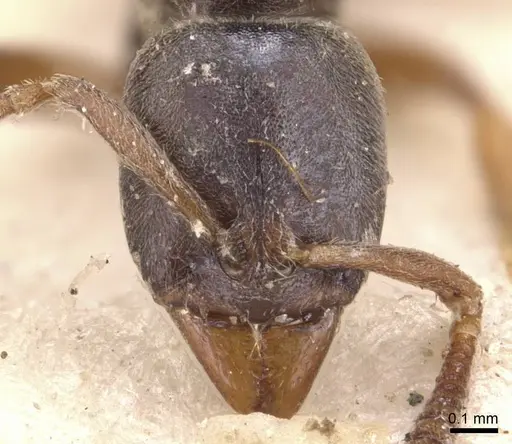
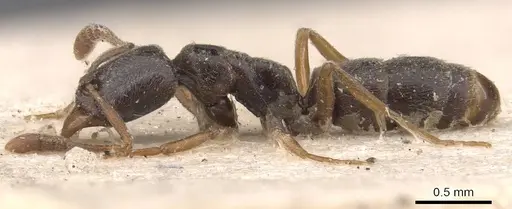
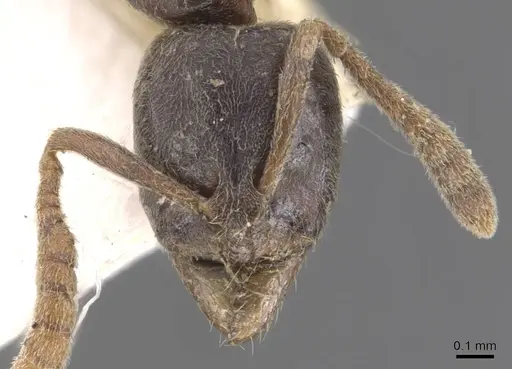
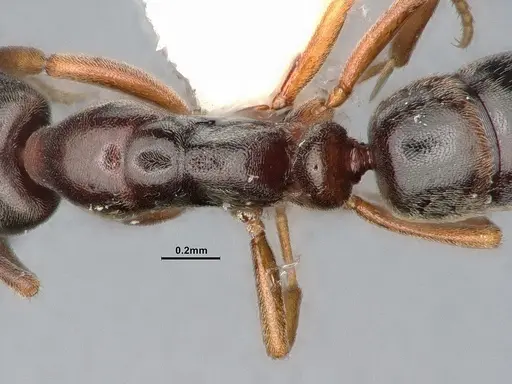
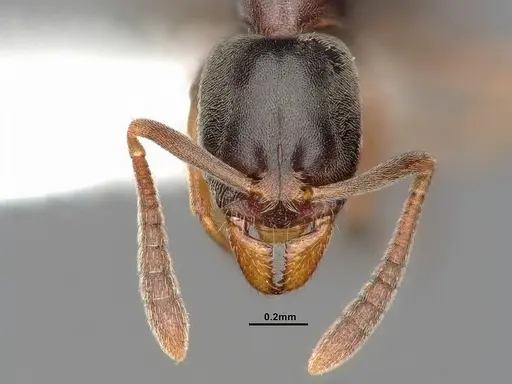
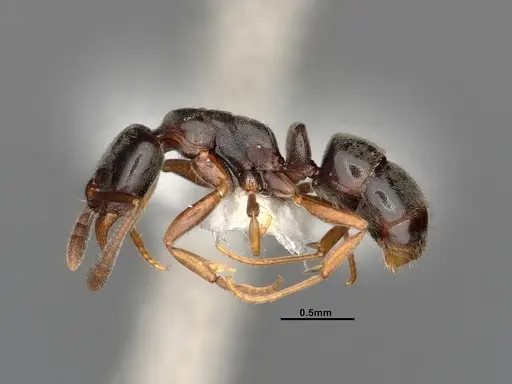
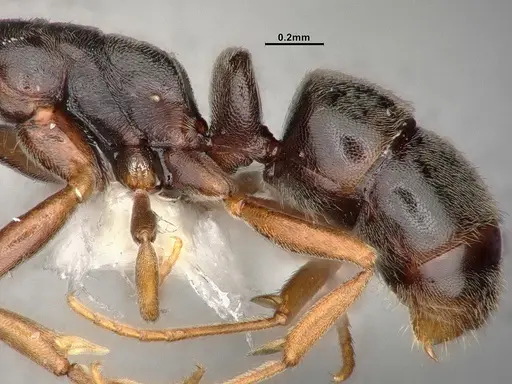
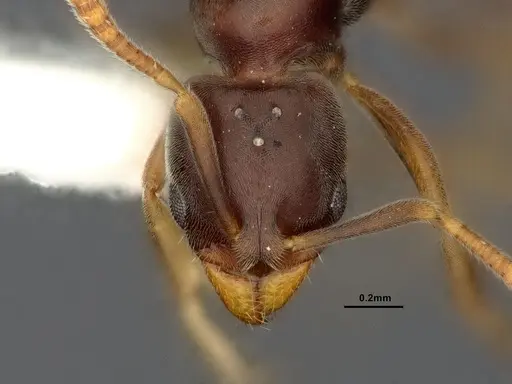
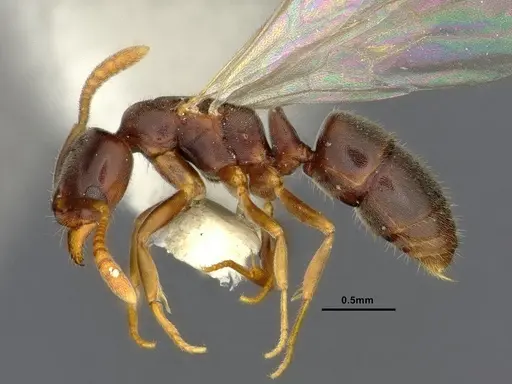
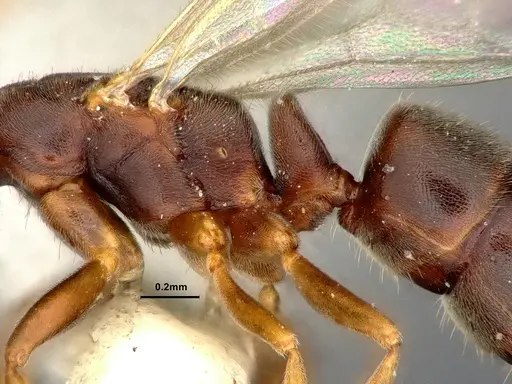
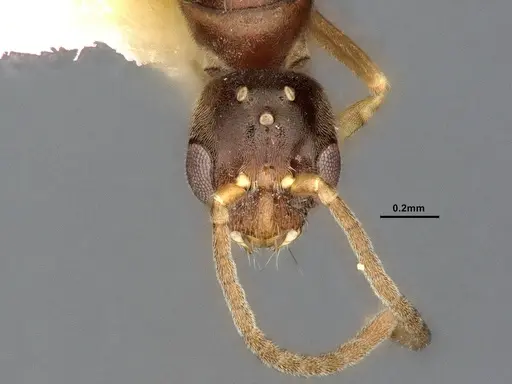
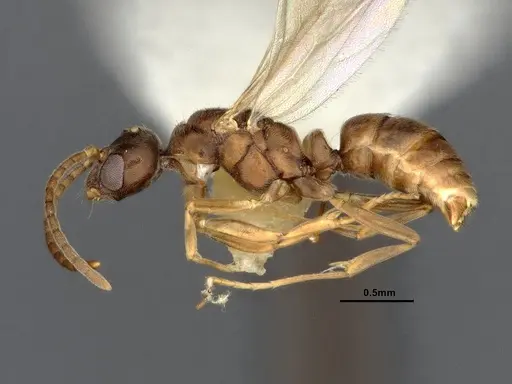
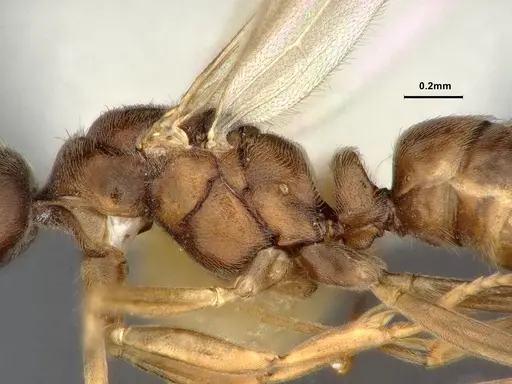
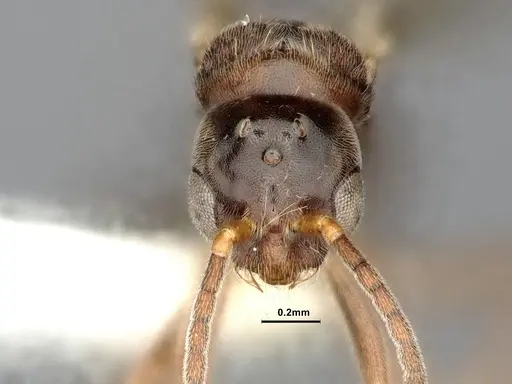
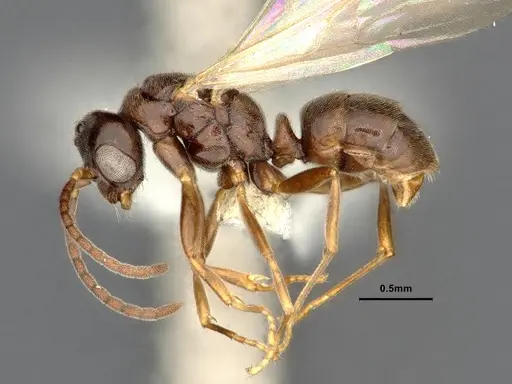
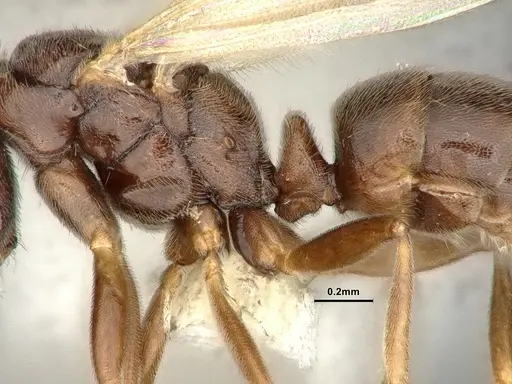
Hypoponera eduardi is a small, dark brown to nearly black Ponerine ant native to the Mediterranean region but now widespread across many parts of the world as a tramp species. Workers measure 2.5-3.5mm with small but visible eyes, and have a distinctive densely punctate body surface. This species is remarkable for its complex social structure, colonies produce not only normal winged queens but also worker-queen intercastes called ergatoids, and males can be either winged or wingless (ergatoid). The species nests under flat stones in damp, shaded soil and has hypogean (subterranean) habits, making it challenging to spot in the wild. It has been recorded across the Mediterranean, Macaronesian islands, New Zealand, and various oceanic islands, demonstrating exceptional dispersal ability.
Quick Summary
- Difficulty: Easy
- Origin & Habitat: Mediterranean region, native to North Africa and circum-Mediterranean areas, now widespread as a tramp species across multiple continents including New Zealand, Chile, and various islands [1][2]. Found in damp, shaded habitats including stream valleys with deciduous forests, under stones near water, and in leaf litter [3][4].
- Colony Type: Polygynous (multi-queen) colonies with documented ergatoid replacement reproductives. Colonies can contain many queens and typically consist of dozens to thousands of workers [5][4][6].
- Colony: Polygyne
- Founding: Claustral
- Size & Growth:
- Queen: 3-3.8mm [7], both alate queens and ergatoid (wingless) intercastes produced [1]
- Worker: 2.5-3.5mm minor workers,3-3.5mm major workers [7][8]
- Colony: Dozens to thousands of workers per colony [9][6]
- Growth: Moderate
- Development: 6-10 weeks (estimated based on typical Ponerine development patterns) (Development time not directly studied for this species. Males mate with females inside their cocoons, which is unusual among ants [10].)
- Antkeeping:
- Temperature: Keep at 20-24°C. This is a Mediterranean species that prefers moderate warmth but can tolerate cooler conditions. Avoid temperatures above 28°C.
- Humidity: High humidity required, nest substrate should be consistently moist but not waterlogged. These ants naturally nest in damp soil near water sources. Provide a water tube and keep the nest area humid.
- Diapause: Yes, a winter rest period is recommended. Reduce temperature to 10-15°C for 2-3 months during winter, mimicking Mediterranean seasonal patterns.
- Nesting: Y-tong (AAC) or plaster nests work well. Provide a moist nest chamber since they naturally nest in damp soil. Test tubes with water reservoirs are also suitable for founding colonies. Keep nest dark, these are hypogean ants that prefer dark, concealed spaces.
- Behavior: Non-aggressive and cryptic. Workers are small, slow-moving, and tend to hide when disturbed. When threatened, they typically curl up and play dead rather than attack. They have a functional sting but rarely use it. Escape risk is moderate, their small size means they can slip through small gaps, so use standard barrier methods. Foraging is done in leaf litter and soil, hunting small invertebrates.
- Common Issues: high humidity is critical, colonies fail if kept too dry, subterranean habits mean they avoid light, so provide dark nesting areas, colonies can be slow to establish due to small colony size at founding, escape prevention needed despite small size, they can squeeze through standard test tube barriers
Housing and Nest Setup
Hypoponera eduardi does best in setups that mimic its natural subterranean lifestyle. Y-tong (AAC) nests or plaster nests with moist chambers work well. These ants are hypogean, meaning they naturally live underground in dark, humid conditions. The nest should be kept dark, exposure to light causes stress and may trigger escape attempts. A test tube setup with a water reservoir works perfectly for founding colonies. For established colonies, provide a formicarium with multiple connected chambers. The outworld should be simple since these ants are not particularly active foragers. Escape prevention is important despite their small size, use fluon on tube connections and ensure any gaps are sealed. [4][5]
Feeding and Diet
These are predatory ants that hunt small soil invertebrates. In captivity, they readily accept small live prey such as springtails, fruit flies, and small mealworms. They are insectivorous by nature and should receive regular protein feedings, small prey items offered 2-3 times per week. They may also accept other protein sources like chopped insects or commercially available ant foods. Sugar sources are not typically accepted as a primary food, their diet consists mainly of small arthropods. Unlike many ants, they do not tend aphids or collect honeydew. Feed them in the evening since they are more active at night. [9]
Temperature and Seasonal Care
Keep your colony at 20-24°C for optimal activity and brood development. This Mediterranean species can tolerate temperatures down to around 15°C but grows slowly in cool conditions. During winter (roughly November-February in the Northern Hemisphere), reduce temperatures to 10-15°C to provide a diapause period. This mimics their natural seasonal cycle and helps maintain colony health. Do not feed heavily during diapause, reduce feeding to once every 2-3 weeks. Return to normal temperatures gradually in spring. Avoid temperatures above 28°C as this can stress the colony. [6][8]
Colony Structure and Reproduction
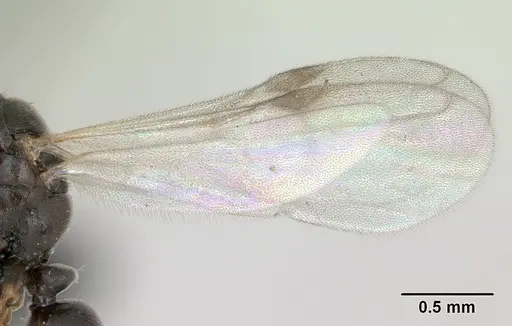
Hypoponera eduardi has one of the most complex social structures among ants. Colonies are polygynous, meaning they contain multiple queens. Beyond normal winged queens, they produce worker-queen intercastes called ergatoids, these are workers that have developed queen-like features including larger eyes. Males come in two forms: normal winged males and wingless ergatoid males. Unusually, males mate with females inside their cocoons before the females emerge [10]. This means colony foundation can happen internally without nuptial flights in some cases. When introducing additional queens to an established colony, do so gradually and monitor for aggression, polygynous colonies are generally tolerant of multiple egg-laying queens.
Behavior and Handling
This is one of the most docile ant species you can keep. Workers are non-aggressive and when disturbed, they typically curl up and play dead rather than attempting to sting or bite. They have a functional sting but rarely use it, and their small size means it would have minimal effect on humans anyway. The ants are cryptic and prefer to stay hidden in the nest or within leaf litter in the outworld. They are not good climbers and spend most of their time on the substrate surface or underground. Their slow, deliberate movements make them fascinating to observe. They are not escape artists in the traditional sense but their small size means they can slip through tiny gaps if not properly sealed. [4]
Common Problems and Solutions
The most common issue is keeping the nest too dry, these ants require consistently moist substrate. Check humidity daily and refill water tubes as needed. Colonies may appear inactive if temperatures are too low, ensure the nest is in a warm location. If workers constantly try to escape, check for vibrations or light sources disturbing them. Poor growth can result from inadequate protein, ensure they receive regular small prey items. Founding colonies can be slow to develop, be patient and avoid disturbing the queen. If mold appears, reduce humidity slightly and remove any uneaten food promptly. Their hypogean nature means they may seem inactive during daylight hours, this is normal.
Frequently Asked Questions
Can I keep Hypoponera eduardi in a test tube?
Yes, test tubes work well for founding colonies. Use a standard test tube with a water reservoir, and keep it horizontal so the ants can choose their preferred humidity level. Cover the tube with something opaque since these ants prefer darkness.
How long until first workers appear in Hypoponera eduardi?
Expect 6-10 weeks from founding to first workers (nanitics), depending on temperature. Warmer temperatures (22-24°C) speed development, while cooler conditions slow it down. Be patient, this species grows moderately compared to some faster species.
What do Hypoponera eduardi eat?
They are predatory insects that hunt small soil invertebrates. Feed them small live prey like springtails, fruit flies, or small mealworms 2-3 times per week. They are not interested in sugar water or honey, protein is their primary food source.
Are Hypoponera eduardi good for beginners?
Yes, they are considered easy to keep. They are non-aggressive, tolerate a range of conditions, and have simple dietary needs. The main requirements are maintaining high humidity and providing darkness. Their slow growth may require patience.
Do Hypoponera eduardi need hibernation?
Yes, a winter diapause is recommended. Reduce temperatures to 10-15°C for 2-3 months during winter. This mimics their natural Mediterranean seasonal cycle and helps maintain colony health. Reduce feeding during this period.
How big do Hypoponera eduardi colonies get?
Colonies can reach several thousand workers in the wild. In captivity, they typically reach dozens to a few hundred workers. Growth is moderate, expect several months to a year to establish a substantial colony.
Can I keep multiple queens together?
Yes, this species is naturally polygynous (multi-queen). However, when introducing unrelated foundress queens, do so gradually and monitor for aggression. Established colonies generally tolerate multiple queens well.
Why is my Hypoponera eduardi colony hiding?
This is normal behavior, they are hypogean (subterranean) ants that prefer dark, concealed spaces. They will emerge at night to forage. Ensure their nest is covered and avoid exposing them to bright light.
When should I move Hypoponera eduardi to a formicarium?
Move them when the test tube becomes crowded or the water reservoir needs frequent refilling. A good indicator is when you see workers consistently foraging in the outworld. For polygynous colonies, ensure the formicarium has enough chambers for all queens.
References

This caresheet is licensed under CC BY-SA 4.0 .
ANTWEB1060014
View on AntWeb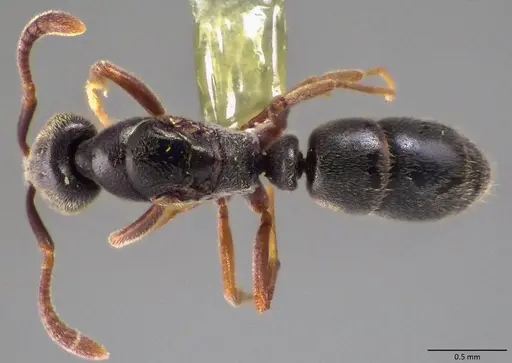
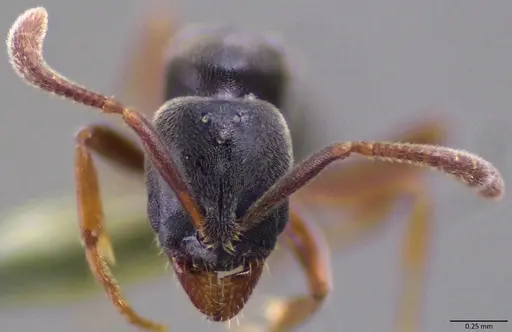
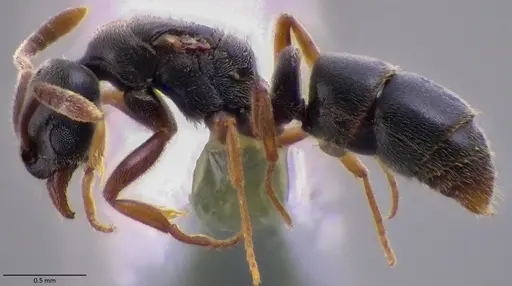
CASENT0010995
View on AntWeb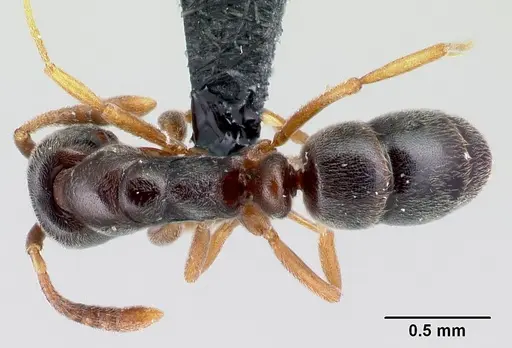
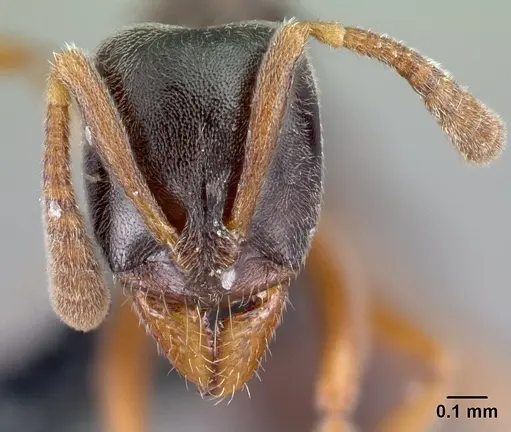
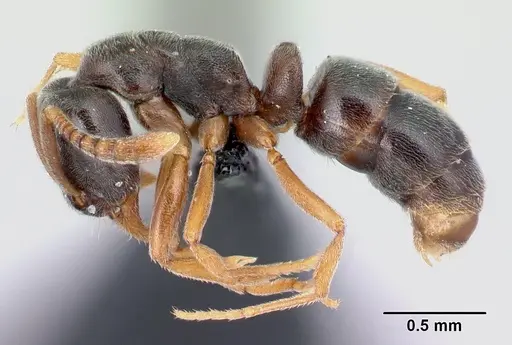
CASENT0010996
View on AntWeb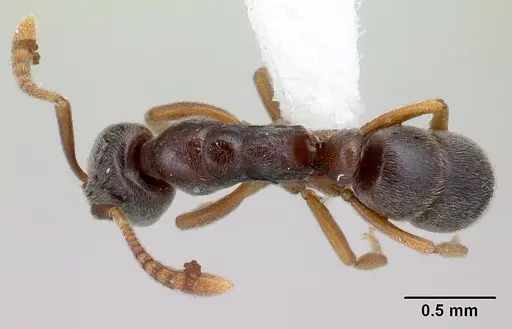
CASENT0060055
View on AntWeb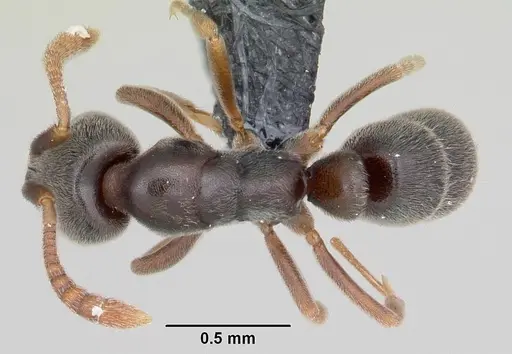
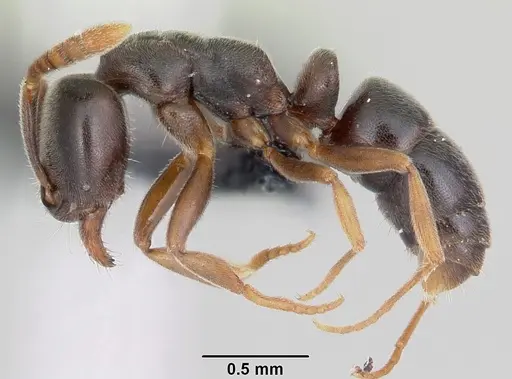
CASENT0060057
View on AntWeb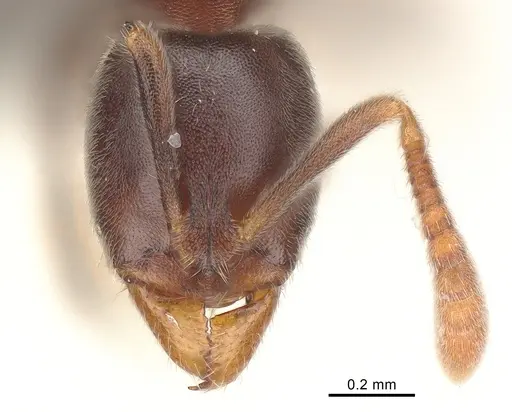
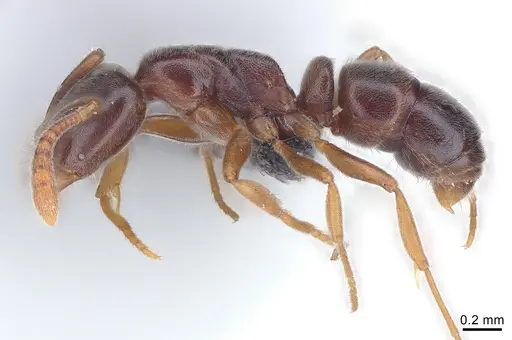
CASENT0060273
View on AntWeb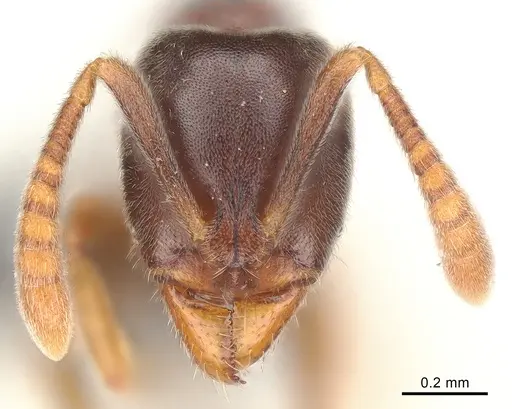
CASENT0063130
View on AntWeb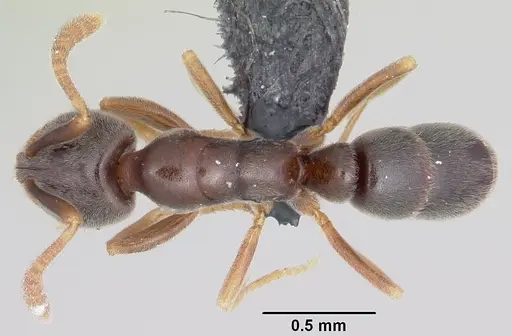
CASENT0125382
View on AntWeb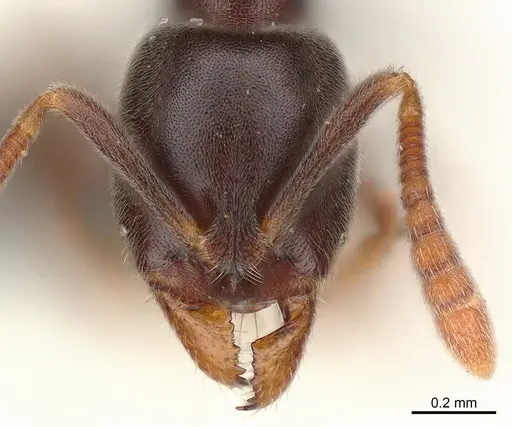
CASENT0135031
View on AntWeb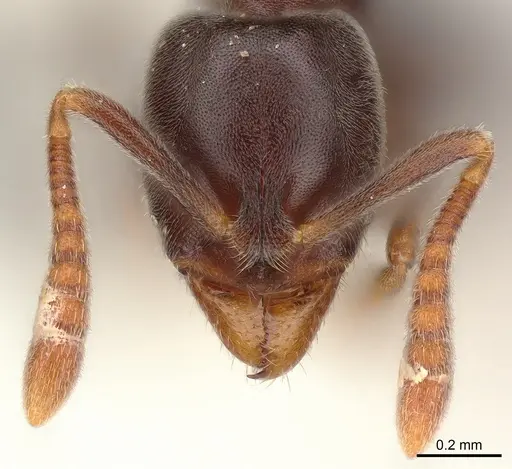
CASENT0135262
View on AntWeb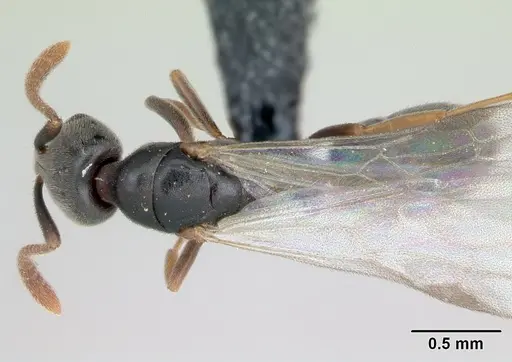
CASENT0135263
View on AntWeb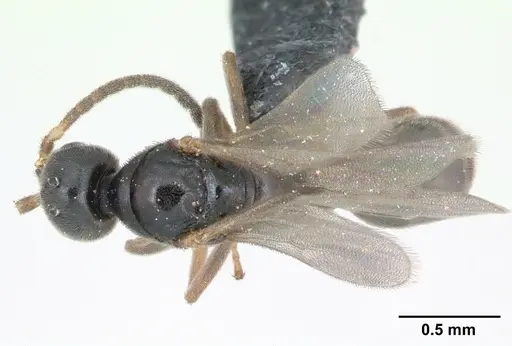
CASENT0135494
View on AntWeb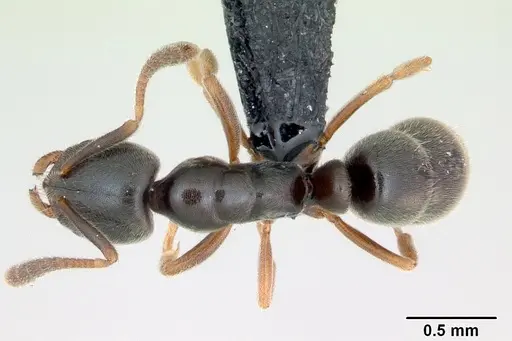
CASENT0135512
View on AntWeb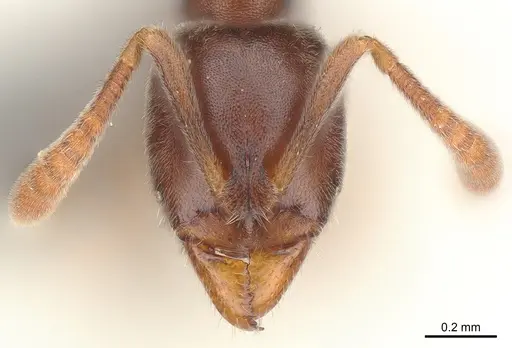
CASENT0161152
View on AntWeb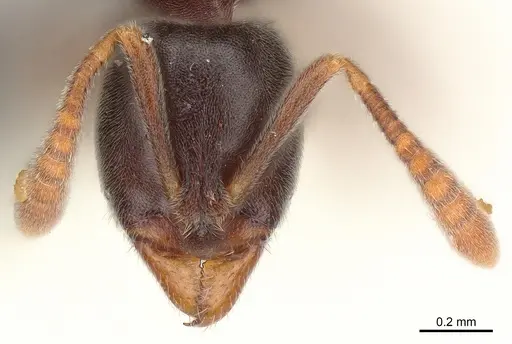
CASENT0161173
View on AntWeb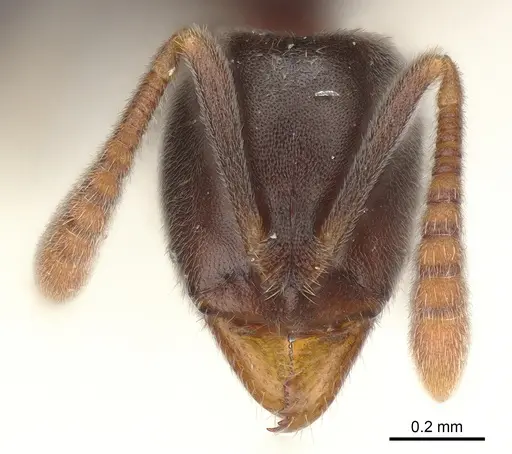
CASENT0161195
View on AntWeb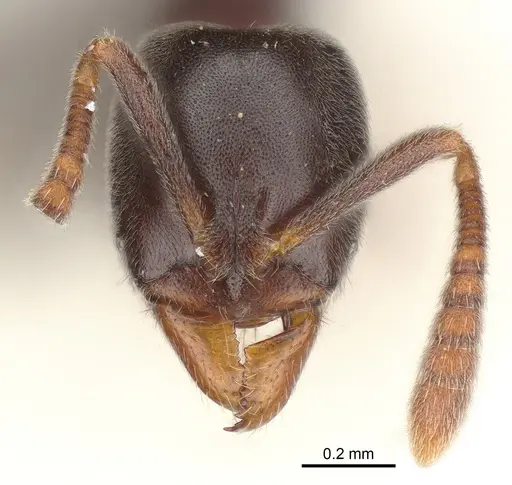
CASENT0172333
View on AntWeb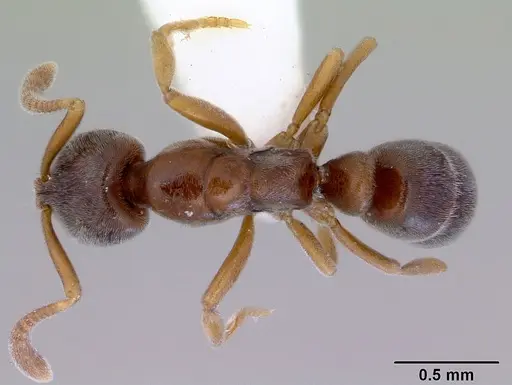
CASENT0172334
View on AntWeb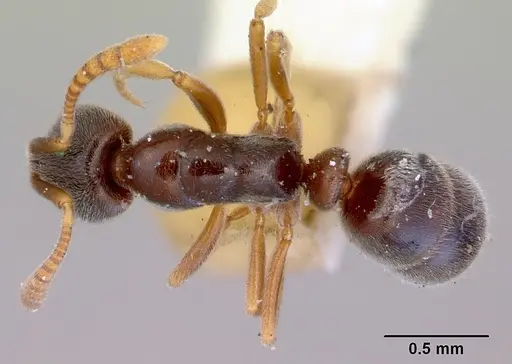
CASENT0172335
View on AntWeb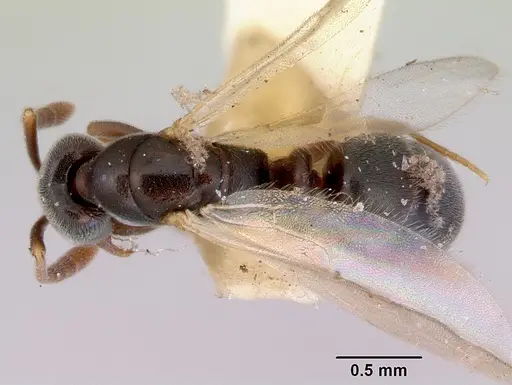
CASENT0175220
View on AntWeb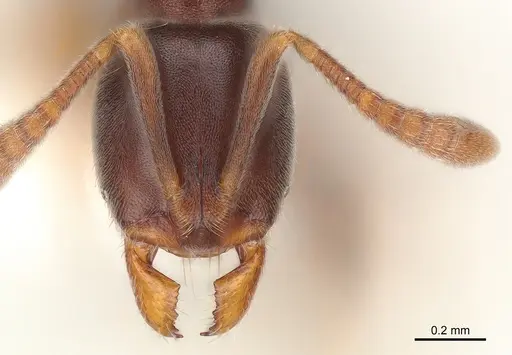
CASENT0191483
View on AntWeb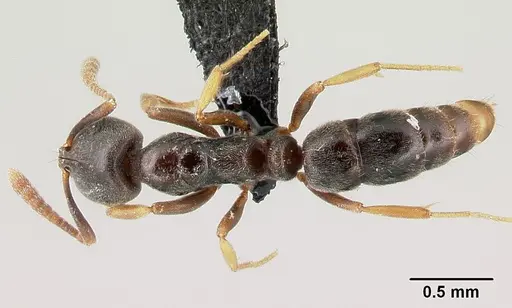
CASENT0217345
View on AntWeb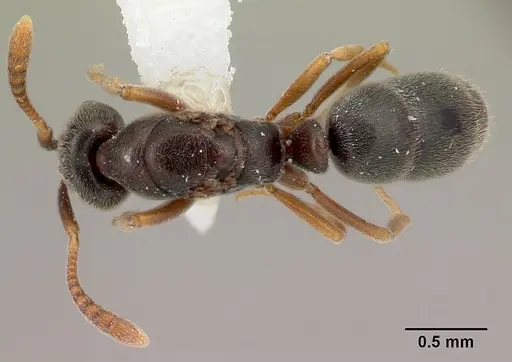
CASENT0249874
View on AntWeb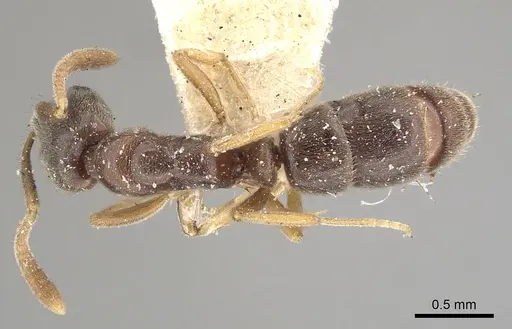
CASENT0249875
View on AntWeb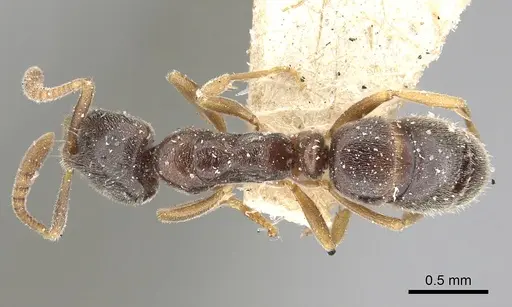
CASENT0256232
View on AntWeb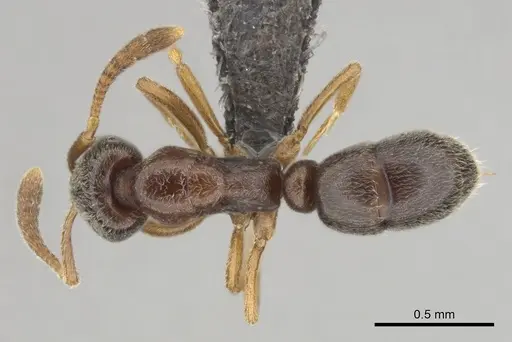
CASENT0270524
View on AntWeb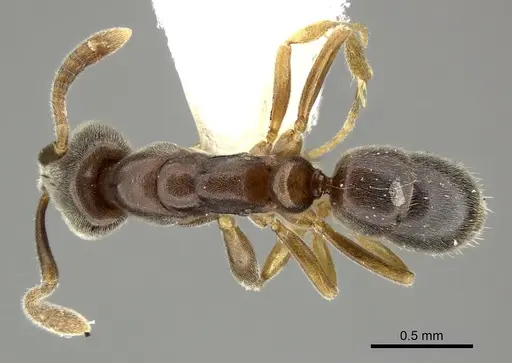
CASENT0381249
View on AntWeb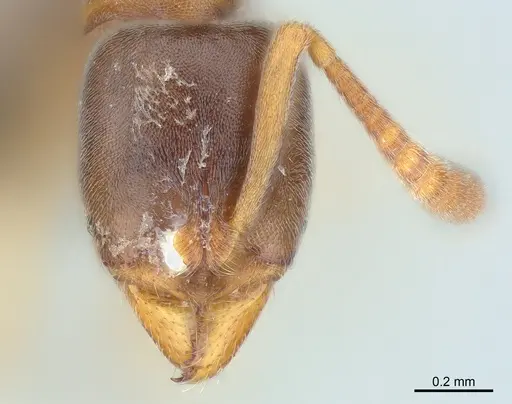
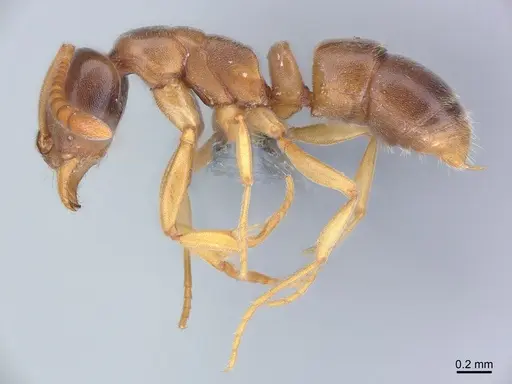
CASENT0381252
View on AntWeb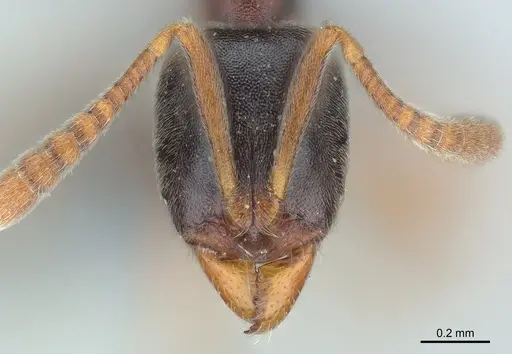
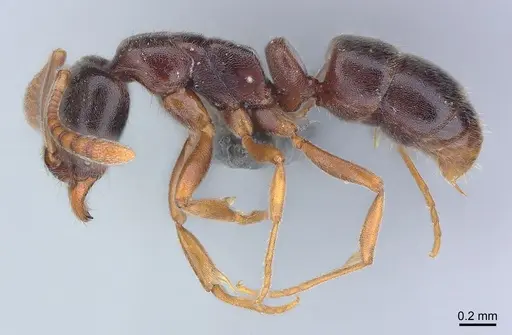
CASENT0630098
View on AntWeb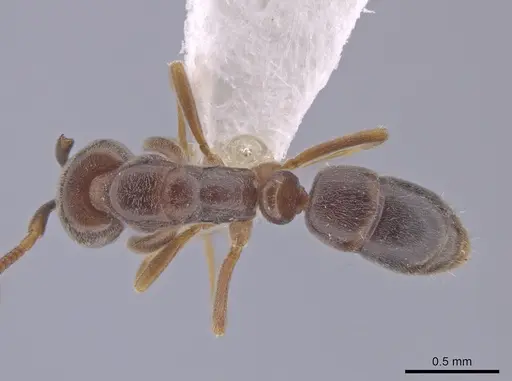
CASENT0650651
View on AntWeb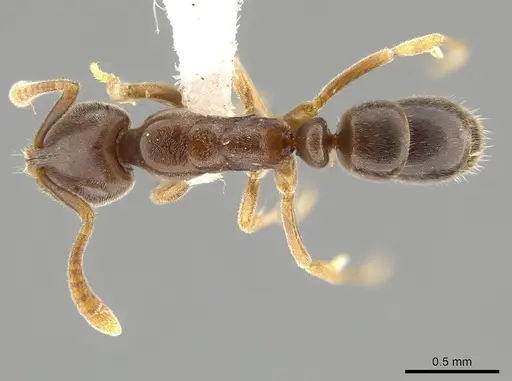
CASENT0654256
View on AntWeb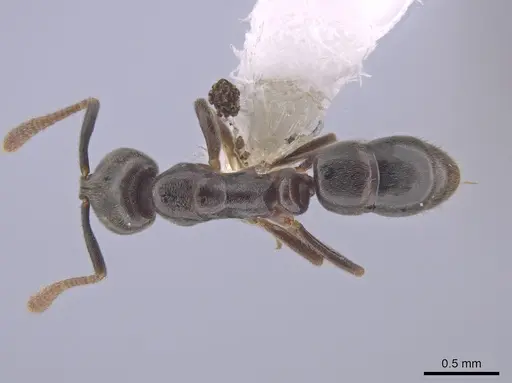
CASENT0884387
View on AntWeb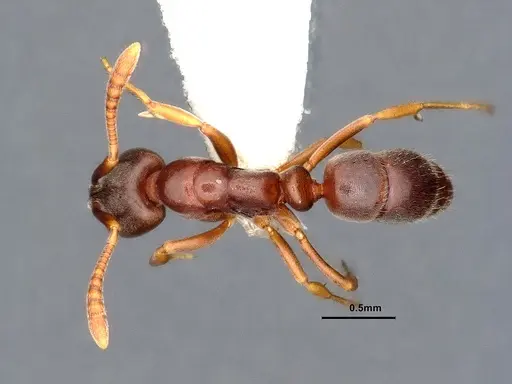
CASENT0886863
View on AntWeb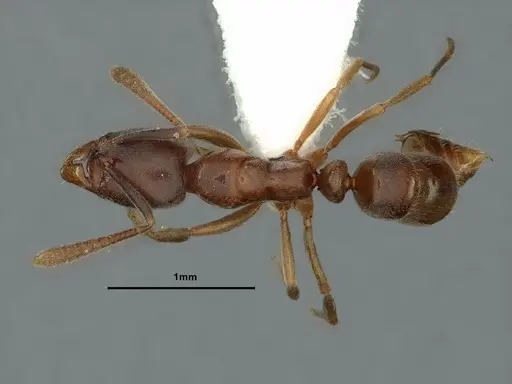
CASENT0898518
View on AntWeb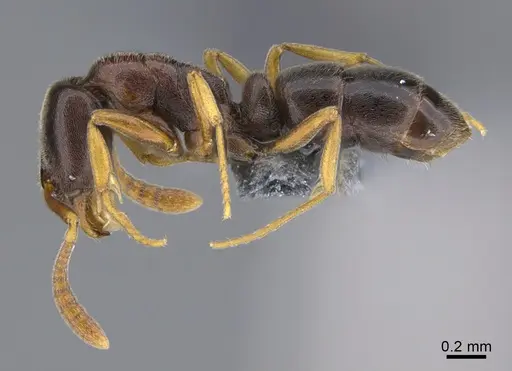
CASENT0898520
View on AntWeb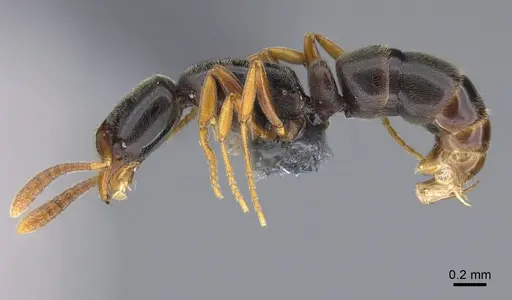
CASENT0907299
View on AntWeb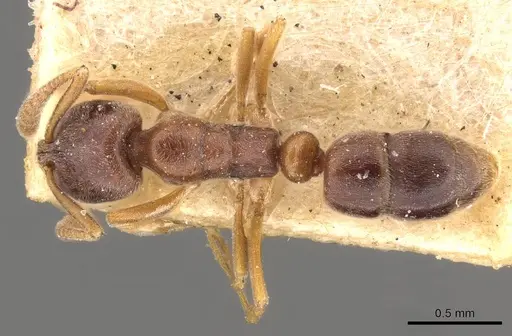
CASENT0907300
View on AntWeb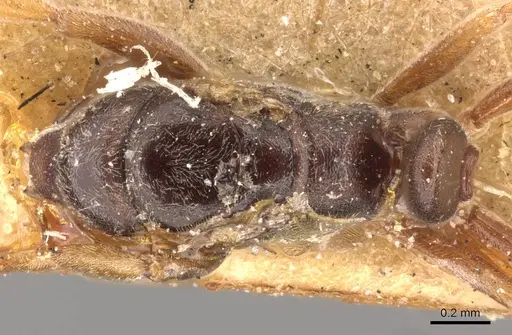
CASENT0907309
View on AntWeb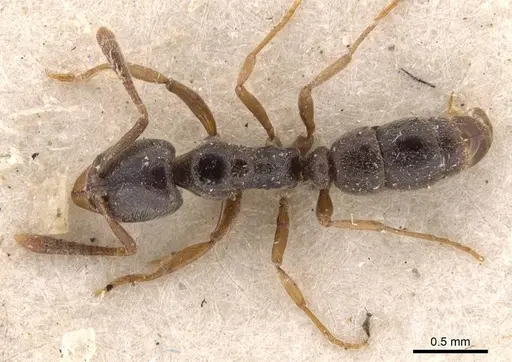
CASENT0907331
View on AntWeb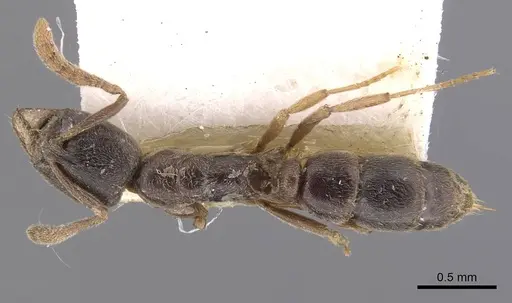
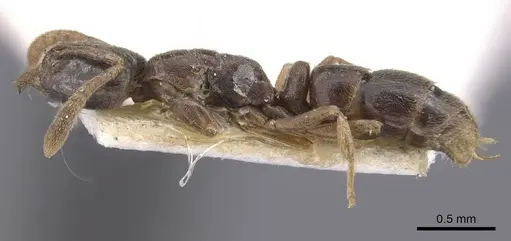
CASENT0915868
View on AntWeb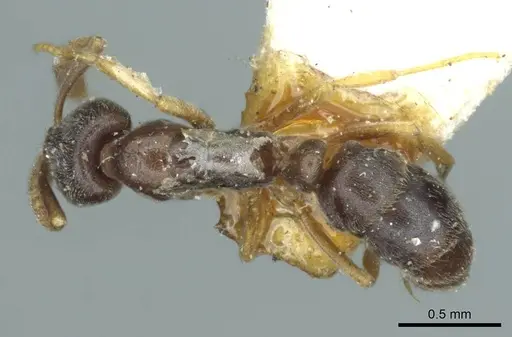
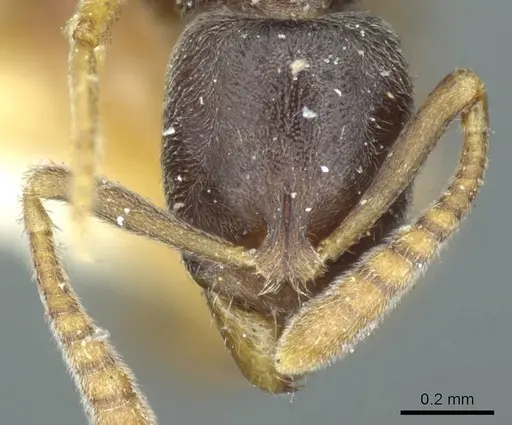
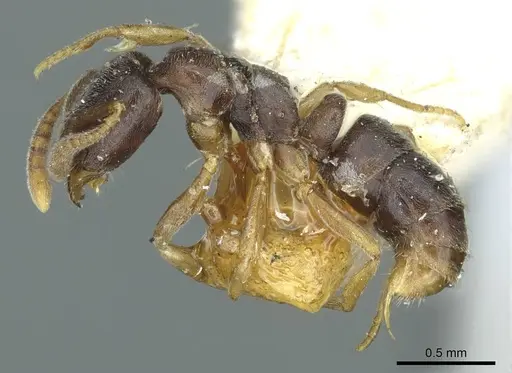
CASENT4031633
View on AntWeb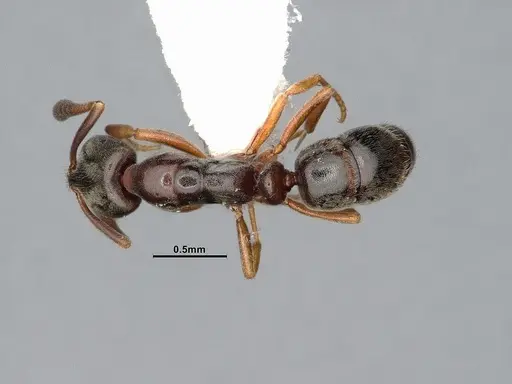
CASENT4032668
View on AntWeb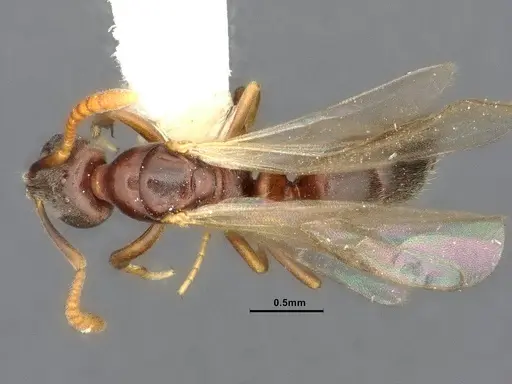
CASENT4032670
View on AntWeb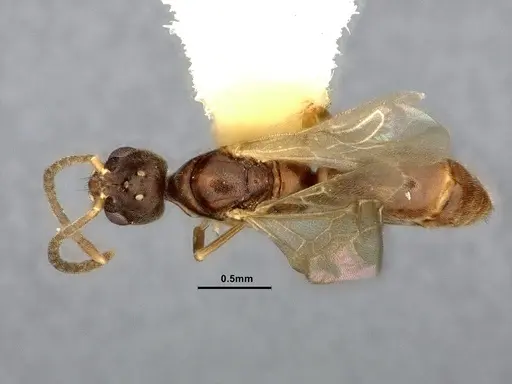
CASENT4032671
View on AntWeb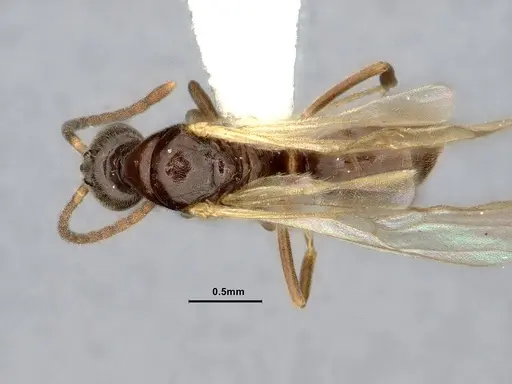
Literature
Loading...Loading products...