

Hypoponera distinguenda
- Scientific Name
- Hypoponera distinguenda
- Tribe
- Ponerini
- Subfamily
- Ponerinae
- Author
- Emery, 1890
- Distribution
- Found in 7 countries
Hypoponera distinguenda Overview
Hypoponera distinguenda is an ant species of the genus Hypoponera. It is primarily documented in 7 countries , including Argentina, Brazil, Colombia. Detailed taxonomic data and occurrence records can be further explored via authoritative databases such as AntWeb or the Global Biodiversity Information Facility (GBIF).
Hypoponera distinguenda
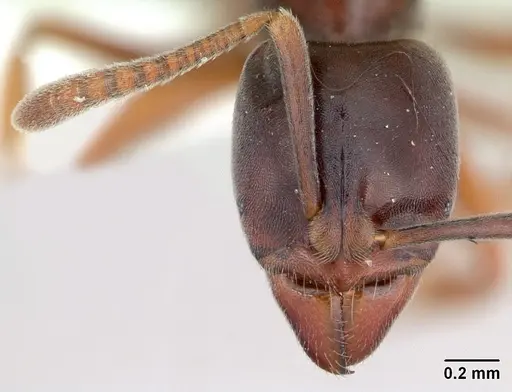
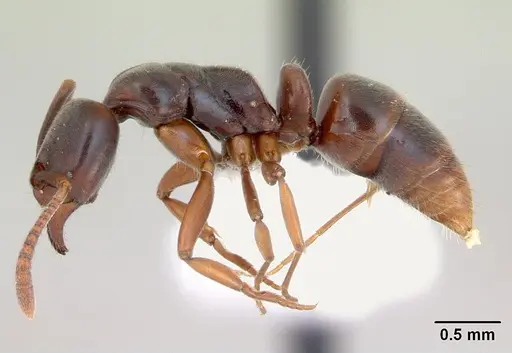
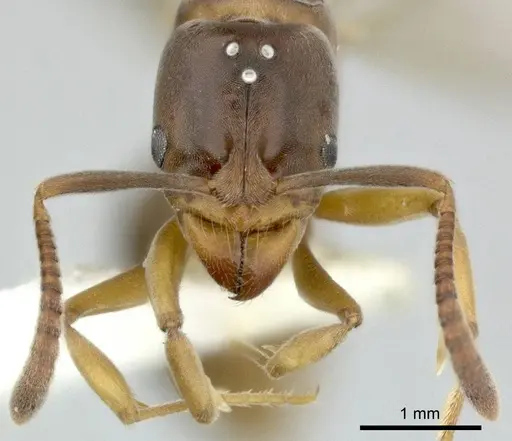
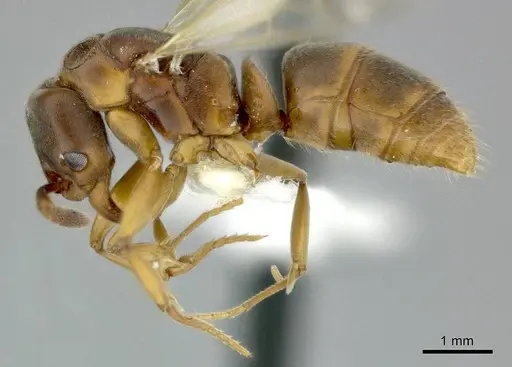
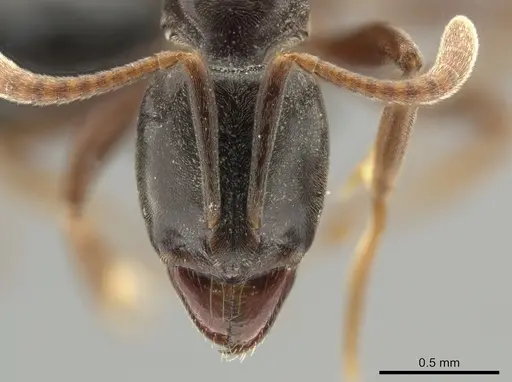
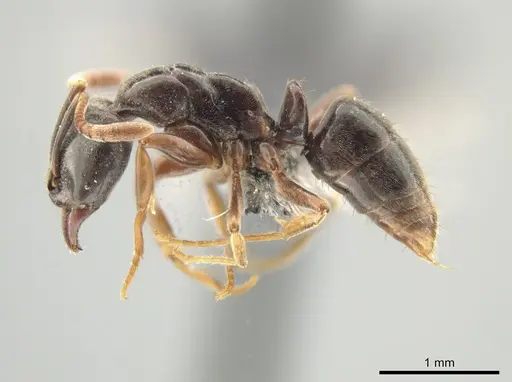
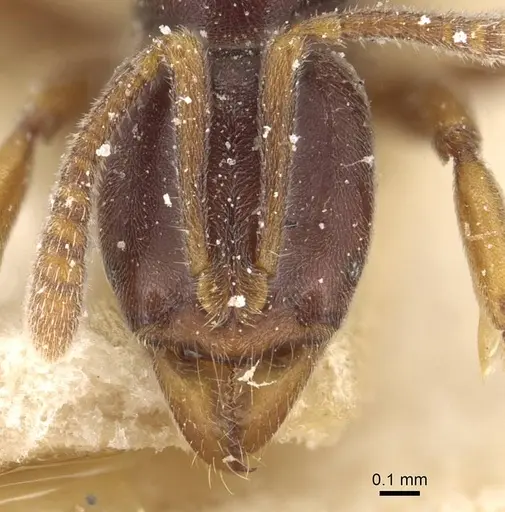
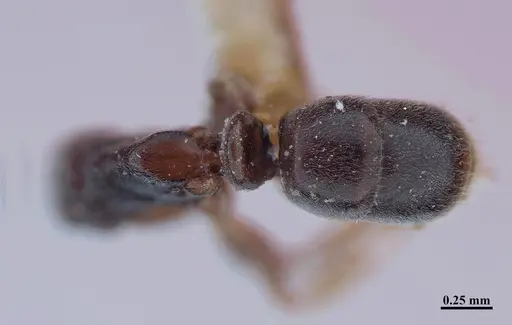
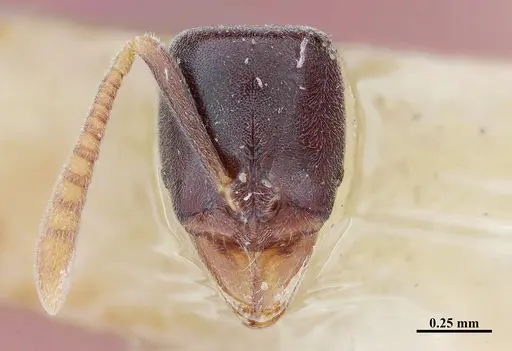
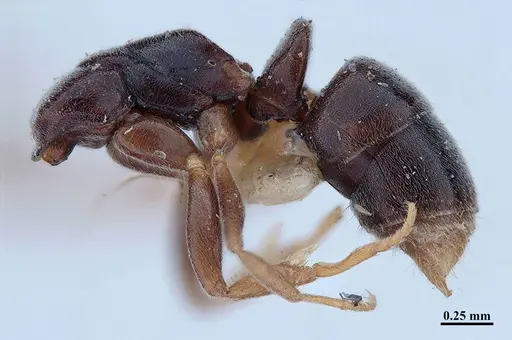
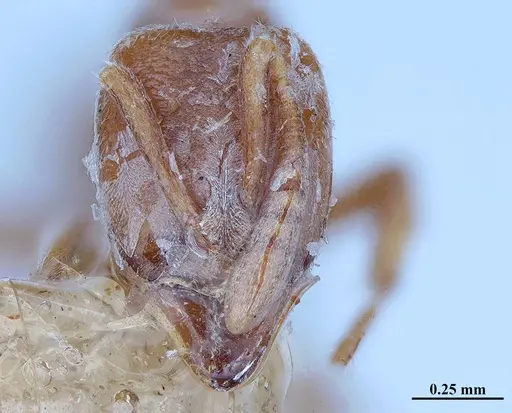
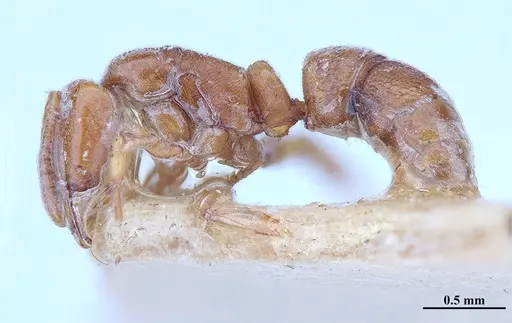
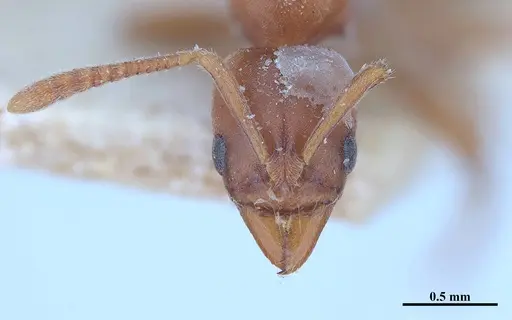
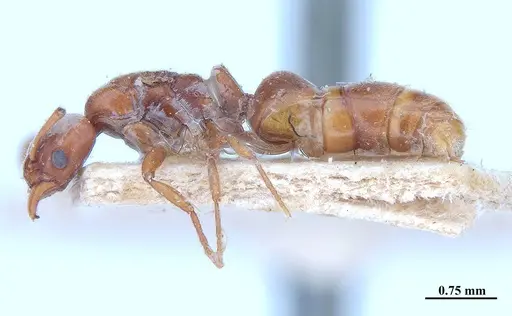
Hypoponera distinguenda is a small Ponerine ant native to the Neotropical region, ranging from Costa Rica down through Colombia, Ecuador, Brazil, and into Argentina. Workers measure approximately 3-4mm in length with a reddish-brown body, lighter brown scape, and yellowish-brown funicle [1]. This species is a specialized predator known for hunting earthworms, and uniquely, they are strong swimmers capable of moving at 4.6cm/s on water surfaces [2]. They inhabit leaf litter layers in tropical and subtropical forests, making them a cryptic ground-dwelling species that forages primarily at night [3].
Quick Summary
- Difficulty: Medium
- Origin & Habitat: Neotropical region, found across Colombia, Ecuador, Brazil, Paraguay, Argentina, Venezuela, Costa Rica and surrounding countries. Inhabits leaf litter in tropical and subtropical forests, often found in humid forest floor environments [1][4].
- Colony Type: Likely monogyne (single queen) based on typical genus patterns. Ergatoid (wingless) replacement reproductives may be present as documented in related Hypoponera species.
- Colony: Monogyne
- Size & Growth:
- Queen: Unconfirmed, estimated 5-6mm based on genus [1]
- Worker: 3-4mm [5][1]
- Colony: Likely small to moderate (under 500 workers) based on typical Ponerine patterns and cryptic litter-dwelling lifestyle
- Growth: Moderate, Ponerines typically develop slower than many Myrmicines
- Development: Estimated 8-12 weeks at optimal tropical temperatures based on related Ponerine species (Development likely temperature-dependent, warmer conditions within safe range may accelerate development)
- Antkeeping:
- Temperature: Keep at 24-28°C (warm tropical conditions). A gentle gradient allowing workers to self-regulate is ideal. Room temperature within this range is acceptable [1]
- Humidity: High humidity (70-85%), these are forest floor ants that need consistently moist substrate. Keep the nest area damp but not waterlogged [1]
- Diapause: No, being a tropical species, they do not require hibernation. Maintain warm conditions year-round
- Nesting: Naturalistic setup with moist substrate (soil/peat mix) works well. Y-tong or plaster nests with high humidity chambers are suitable. They prefer tight, humid chambers scaled to their small size [1]
- Behavior: Cryptic and secretive, these ants spend most of their time hidden in the leaf litter and are rarely seen on the surface. They are predatory and will hunt small invertebrates, especially earthworms. Workers are not aggressive toward humans and rarely sting. Their small size and secretive nature make them a 'watch-only' species, fascinating to observe in their nest but not particularly interactive. Escape risk is moderate due to their small size, standard barriers are usually sufficient [2][3].
- Common Issues: colonies often fail when kept too dry, moisture is critical for this litter-dwelling species, slow growth can lead to keeper impatience and overfeeding, which causes mold problems, tiny workers can slip through standard test tube barriers, use fine mesh and tight-fitting lids, predatory diet means they need live prey, sugar water alone will not sustain them, wild-caught colonies may carry parasites that can devastate captive populations
Housing and Nest Setup
Hypoponera distinguenda is a small, cryptic ant that thrives in humid, naturalistic setups. The best housing options include Y-tong nests, plaster nests with high humidity chambers, or fully naturalistic setups with a soil/peat substrate mix. Because they are leaf-litter dwellers, they prefer tight chambers and narrow passages scaled to their tiny 3-4mm worker size. Avoid tall, open spaces that would make them feel exposed. The nest substrate should remain consistently moist, think damp forest floor. A water reservoir or moisture wicking system helps maintain humidity. Place the nest in a dark or low-light area, as these ants are secretive and prefer to stay hidden. The outworld can be simple with a small foraging area, they are not active foragers in the open. [1][2]
Feeding and Diet
As a Ponerine ant, H. distinguenda is a specialized predator. In the wild, they have been observed predating on earthworms [6][7], making them one of the few ants that regularly hunts earthworms rather than just scavenging. In captivity, their primary food should be small live prey such as micro-crickets, fruit flies, pinhead crickets, and small mealworms. They will likely accept other small invertebrates. Sugar sources may be accepted occasionally but should not be relied upon as a primary food, these are obligate predators. Feed protein prey 2-3 times per week, offering only what the colony can consume within a day or two to avoid mold. Remove uneaten prey promptly.
Temperature and Humidity
Being a Neotropical species, H. distinguenda requires warm, humid conditions year-round. Maintain temperatures between 24-28°C, this is the warm end of what most antkeepers use, reflecting their tropical origin. A slight temperature gradient allows workers to choose their preferred zone. Humidity is critical: aim for 70-85% relative humidity in the nest area. The substrate should feel consistently damp but never waterlogged. A moisture reservoir connected to the nest or regular light misting (when condensation disappears) helps maintain proper humidity. Never let the nest dry out completely, this is the most common cause of colony failure with this species. Room temperature within the acceptable range is fine, additional heating may be needed in cooler climates. [1][4]
Behavior and Observation
Hypoponera distinguenda is a cryptic species, you will see less activity than with many common ant species. Workers spend most of their time hidden in the nest or foraging quietly through the substrate rather than marching openly across the outworld. This makes them a 'display' species rather than an interactive one. They are not aggressive and rarely sting. Their most remarkable behavioral trait is their ability to swim, they are classified as strong swimmers among ants and can traverse water surfaces at speeds around 4.6cm/s [2]. This is an unusual adaptation for a ground-dwelling ant and likely helps them survive in flood-prone forest habitats. Observation is best done through the nest walls or by carefully disturbing the substrate to see them move. They are most active at night, reflecting their nocturnal foraging habits.
Colony Founding and Growth
Colony founding behavior has not been directly documented for this species. Based on typical Hypoponera patterns, the queen likely seals herself in a small chamber and raises the first brood alone (claustral founding), living off stored fat reserves until nanitic workers emerge. The founding chamber should be kept humid and dark. Once the first workers (nanitics) emerge, they will be smaller than normal workers and the colony can begin accepting small prey. Growth is moderate, Ponerine ants typically develop slower than many Myrmicine species. Expect 8-12 weeks from egg to first worker at optimal temperatures. Colonies likely remain small (under 500 workers) even at maturity, reflecting their cryptic, litter-dwelling lifestyle. Patience is essential with this species. [1]
Common Problems and Solutions
The biggest challenge with H. distinguenda is maintaining proper humidity. These ants are highly sensitive to drying and colonies will fail if the substrate dries out even briefly. Use moisture wicking systems or check humidity daily. Their small size (3mm) means they can escape through gaps that larger ants cannot, so use fine mesh on any ventilation and ensure all connections are tight. Overfeeding is another common issue, excess prey decays quickly in humid setups, causing mold that can kill the colony. Remove uneaten prey within 48 hours. Wild-caught colonies may carry internal parasites that are difficult to detect and treat, starting with a captive-born colony is strongly recommended. Finally, their slow growth tests keeper patience, resist the urge to overfeed or disturb the nest frequently.
Frequently Asked Questions
How long does it take for Hypoponera distinguenda to produce first workers?
Expect 8-12 weeks from egg to first worker at optimal temperatures (24-28°C). This is slower than many common ant species due to their Ponerine biology.
What do Hypoponera distinguenda ants eat?
They are specialized predators. Feed small live prey like micro-crickets, fruit flies, pinhead crickets, and small mealworms. They have been observed predating earthworms in the wild.
Are Hypoponera distinguenda good for beginners?
They are rated Medium difficulty. The main challenges are maintaining high humidity and providing a proper predatory diet. Experienced antkeepers will have more success.
How big do Hypoponera distinguenda colonies get?
Likely under 500 workers at maturity. They are cryptic, litter-dwelling ants that maintain smaller colonies than many common species.
Can I keep multiple queens together?
Not recommended. There is no documented research on combining unrelated queens of this species, and they are likely single-queen (monogyne) colonies.
Why is my Hypoponera distinguenda colony dying?
The most common cause is drying out, these forest floor ants need consistently humid conditions. Other issues include overfeeding causing mold, parasites from wild-caught colonies, or escapes due to their tiny size.
References

This caresheet is licensed under CC BY-SA 4.0 .
CASENT0173712
View on AntWeb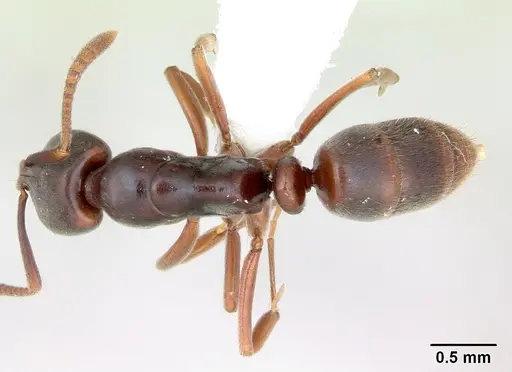
CASENT0173713
View on AntWeb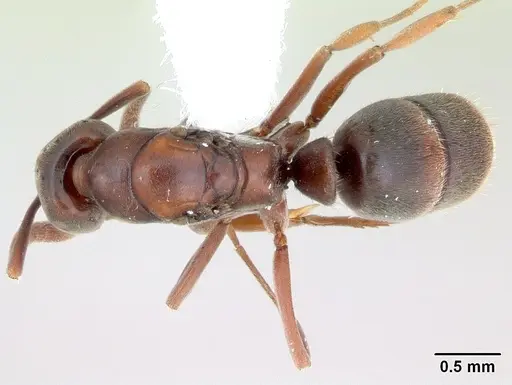
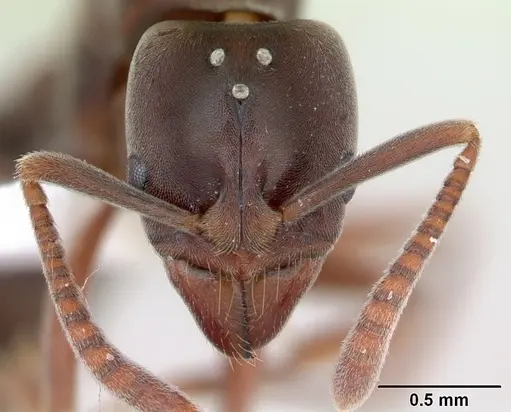
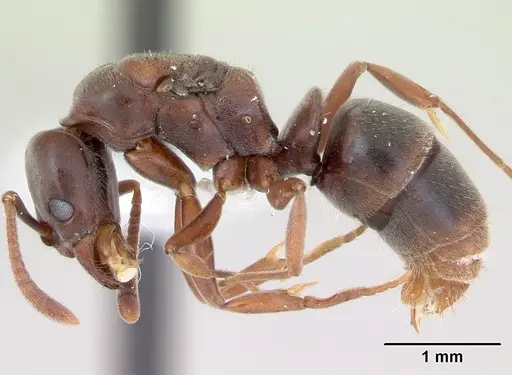
CASENT0246289
View on AntWeb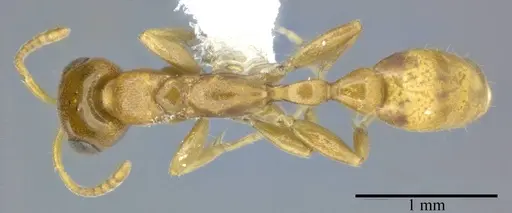
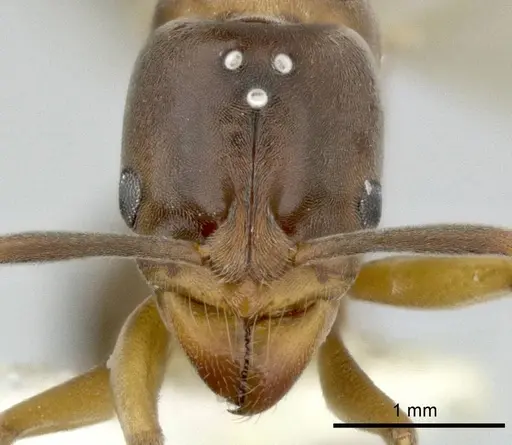
CASENT0649079
View on AntWeb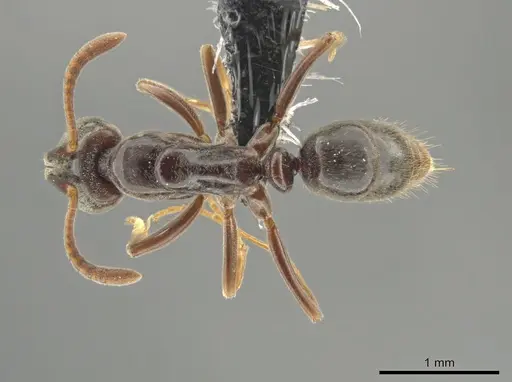
CASENT0915193
View on AntWeb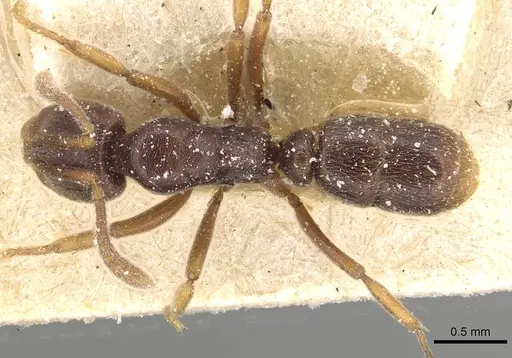
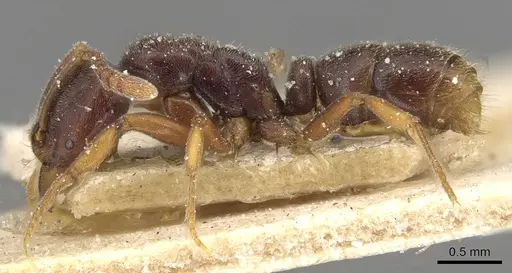
MHNGENTO00094399
View on AntWeb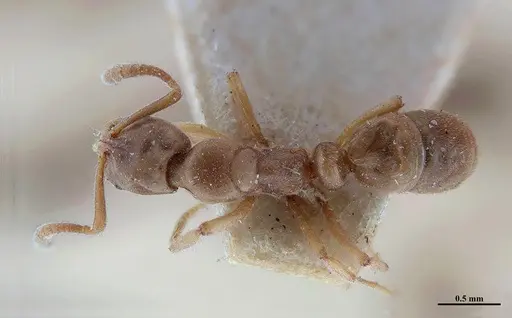
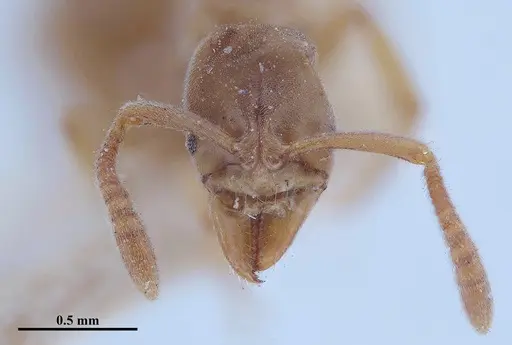
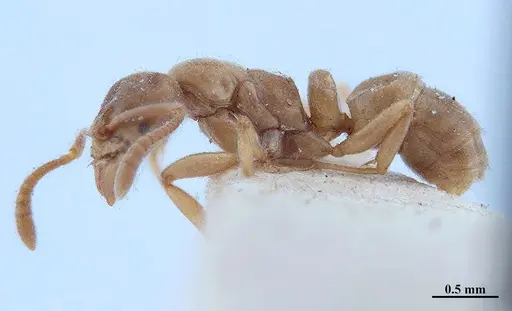
MHNGENTO00094400
View on AntWeb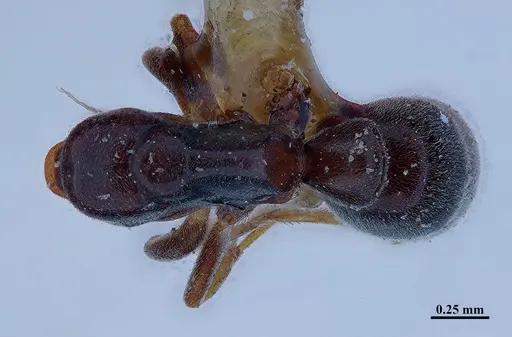
MHNGENTO00094410
View on AntWeb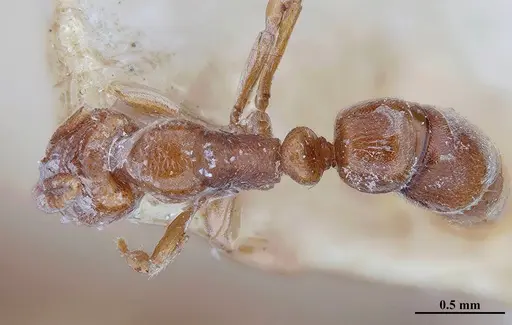
MHNGENTO00094412
View on AntWeb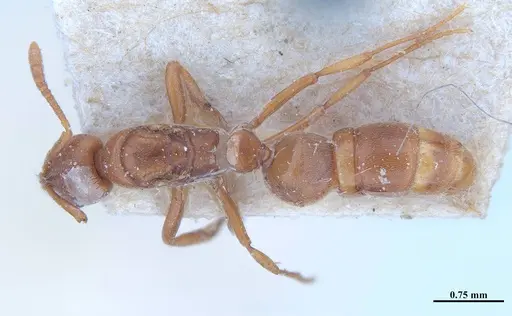
Literature
Loading...Loading products...