

Hypoponera dis
- Scientific Name
- Hypoponera dis
- Tribe
- Ponerini
- Subfamily
- Ponerinae
- Author
- Bolton & Fisher, 2011
- Distribution
- Found in 1 countries
Hypoponera dis Overview
Hypoponera dis is an ant species of the genus Hypoponera. It is primarily documented in 1 countries , including Tanzania, United Republic of. Detailed taxonomic data and occurrence records can be further explored via authoritative databases such as AntWeb or the Global Biodiversity Information Facility (GBIF).
Hypoponera dis
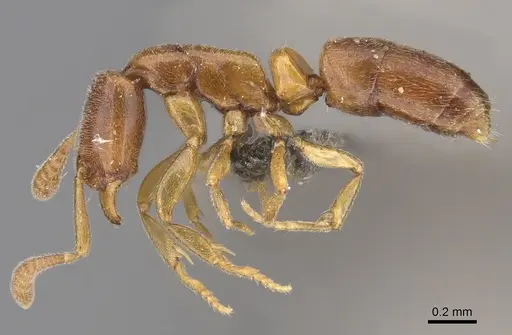
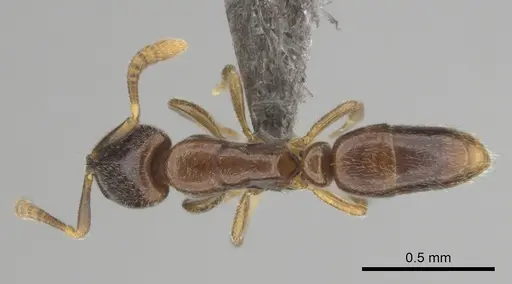
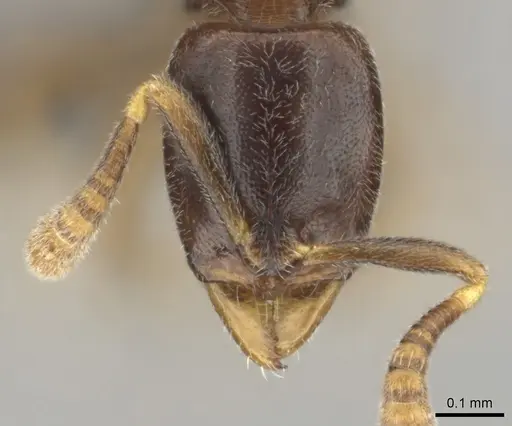
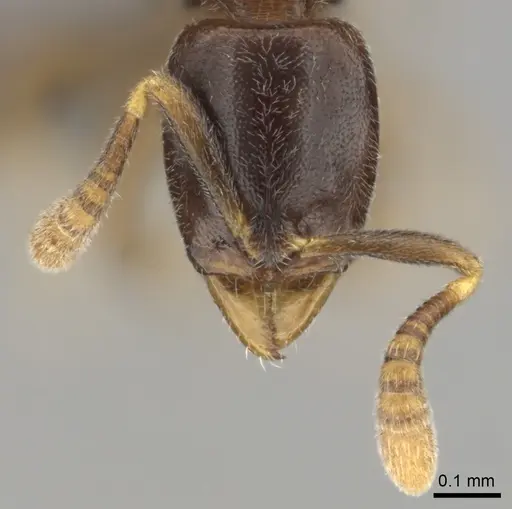
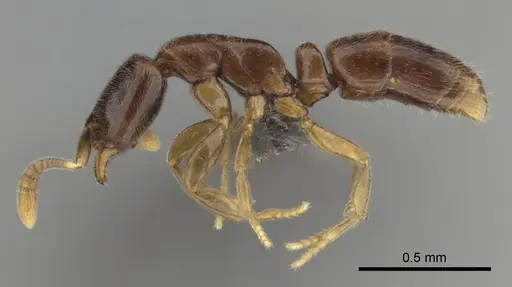
Hypoponera dis is a tiny predatory ant measuring around 3mm in total length, with workers measuring 0.38-0.40mm in head width [1]. These ants are light to medium brown in color and belong to the Ponerinae subfamily, known for their potent stings. They lack eyes entirely, which is typical for this genus and reflects their cryptic, leaf-litter dwelling lifestyle [1]. The species was formally described in 2011 by Bolton and Fisher, originally from Tanzania's Mafia Island, though it also appears to have a broad Neotropical distribution across Central and South America [2][3]. In the wild, these ants are specialized predators that have been observed hunting earthworms, making them fascinating for antkeepers interested in predatory species [4][5].
Quick Summary
- Difficulty: Medium
- Origin & Habitat: Found across the Neotropics from Guatemala down to Argentina, including Ecuador, Peru, Brazil, Bolivia, Paraguay, and Colombia. In Colombia, recorded in Amazonas, Cundinamarca, La Guajira, Magdalena, Meta, Putumayo, and Valle del Cauca [2][3]. They inhabit primary forest leaf litter and are typically collected using Winkler traps in moist, shaded forest environments [1]. This is a ground-dwelling, cryptic species that lives in the forest floor layer.
- Colony Type: Likely monogyne (single queen) based on typical genus patterns. Colonies appear to reach moderate sizes of several hundred workers based on related species.
- Colony: Monogyne
- Size & Growth:
- Queen: Undescribed, estimated 4-5mm based on genus
- Worker: 0.38-0.40mm head width,3mm total length [1][2]
- Colony: Likely several hundred workers based on related species
- Growth: Moderate
- Development: Estimated 6-10 weeks at optimal temperature based on genus patterns (Development time is inferred from related Ponerinae species, specific data for H. dis is unavailable)
- Antkeeping:
- Temperature: Keep around 22-26°C. They are a tropical species that thrives in warm, stable conditions [6]. A gentle gradient allowing workers to self-regulate is ideal.
- Humidity: High humidity is essential, think damp forest floor. Keep the nest substrate consistently moist but not waterlogged. These leaf-litter ants need humid conditions to prevent desiccation.
- Diapause: Unknown for this species. Most tropical Ponerinae do not require true hibernation, but a slight cool period during winter months may be beneficial.
- Nesting: Use a naturalistic setup with moist substrate (soil or plaster) that can hold humidity. A Y-tong or acrylic nest with a chamber depth scaled to their tiny size works well. Provide a moisture source and ensure excellent escape prevention, their small size means they can squeeze through tiny gaps.
- Behavior: These are cryptic, slow-moving predators. Workers forage individually through leaf litter rather than forming obvious trails. They possess a potent sting for their size and can tackle prey much larger than themselves, including earthworms [4][5]. They are not aggressive toward humans but will sting if threatened. Escape prevention is critical due to their tiny size, use fine mesh and tight-fitting barriers. They are also capable swimmers, which is unusual for ground-dwelling ants [6].
- Common Issues: escape prevention is critical, they are tiny and can squeeze through the smallest gaps, colonies may fail if humidity drops too low, these forest-floor ants need constant moisture, slow growth compared to common ants can frustrate beginners, predatory diet means they need live prey, they won't accept just sugar water, wild-caught colonies may have parasites that kill them in captivity
Housing and Nest Setup
Hypoponera dis is a tiny leaf-litter ant that needs careful housing. Use a naturalistic setup with moist substrate (a mix of soil and organic matter works well) or a Y-tong/plaster nest that can hold humidity. The chambers should be small and tight-fitting, these are very small ants. A water reservoir or regular misting helps maintain the moisture levels they need. Because of their tiny size, escape prevention must be excellent. Use fine mesh on any ventilation holes and ensure all connections are sealed. A small outworld for foraging allows you to observe their predatory behavior. [1][2]
Feeding and Diet
These are specialized predators. In the wild, they have been observed predating on earthworms [4][5], which is unusual among ants. In captivity, offer small live prey such as springtails, fruit flies, small mealworms, and other tiny arthropods. They are unlikely to accept sugar water or honey as a primary food source, protein from live prey is essential. Feed them small prey items 2-3 times per week, adjusting based on colony size and consumption. Remove uneaten prey to prevent mold.
Temperature and Humidity
Keep these ants warm and humid. Aim for temperatures around 22-26°C, which matches their tropical forest floor habitat. A slight temperature gradient allows the colony to self-regulate. Humidity is critical, the nest substrate should remain consistently moist but never waterlogged. These ants are adapted to the damp, stable conditions of primary forest leaf litter. A heating cable on one side of the nest can help maintain warmth while preserving humidity on the other side. [6]
Behavior and Temperament
Hypoponera dis is a cryptic, solitary forager. Workers move slowly through the substrate rather than forming foraging trails. They possess a functional sting that they use to subdue prey, and they can tackle surprisingly large prey items for their size. They are not aggressive toward the colony but will sting if directly threatened. One remarkable trait is their swimming ability, they are classified as strong swimmers among Ponerinae ants [6]. This likely helps them navigate the complex, waterlogged environments of their forest floor habitat.
Colony Development
Colony growth is likely moderate, typical of Ponerinae ants. The first workers (nanitics) will be smaller than mature workers. Expect 6-10 weeks from egg to first worker at optimal temperature, though specific data for this species is lacking. Colonies likely reach several hundred workers based on related species. The queen is likely claustral (seals herself in to raise the first brood alone on stored fat reserves), though this hasn't been directly documented for H. dis.
Frequently Asked Questions
How long does it take for Hypoponera dis to produce first workers?
Specific data is unavailable, but based on related Ponerinae species, expect 6-10 weeks from egg to first worker at optimal temperature (22-26°C).
What do Hypoponera dis ants eat?
They are predators that need live prey. Offer small live insects like springtails, fruit flies, and tiny mealworms. They have been observed predating on earthworms in the wild.
Are Hypoponera dis good for beginners?
They are considered medium difficulty. Their small size, humidity requirements, and predatory diet make them more challenging than common ants like Lasius or Camponotus.
What temperature do Hypoponera dis need?
Keep them at 22-26°C. They are tropical ants that need warm, stable conditions.
How big do Hypoponera dis colonies get?
Based on related species, colonies likely reach several hundred workers. Specific colony size data for H. dis is not available.
Can I keep multiple queens together?
Colony structure is not well documented for this species. Based on typical genus patterns, they likely form single-queen colonies. Combining unrelated queens is not recommended.
Do Hypoponera dis need hibernation?
This is a tropical species, so true hibernation is not required. However, a slight cool period during winter months may be beneficial.
Why are my Hypoponera dis dying?
Common causes include low humidity (they need consistently moist conditions), escape through tiny gaps, and lack of appropriate live prey. They are sensitive to drying out.
What type of nest is best for Hypoponera dis?
A naturalistic setup with moist substrate or a Y-tong/plaster nest that holds humidity well. Chambers should be small and tight-fitting due to their tiny size.
References

This caresheet is licensed under CC BY-SA 4.0 .


Literature
Loading...Loading products...