

Hypoponera confinis
- Scientific Name
- Hypoponera confinis
- Tribe
- Ponerini
- Subfamily
- Ponerinae
- Author
- Roger, 1860
- Distribution
- Found in 10 countries
Hypoponera confinis Overview
Hypoponera confinis is an ant species of the genus Hypoponera. It is primarily documented in 10 countries , including American Samoa, Fiji, Indonesia. Detailed taxonomic data and occurrence records can be further explored via authoritative databases such as AntWeb or the Global Biodiversity Information Facility (GBIF).
Hypoponera confinis
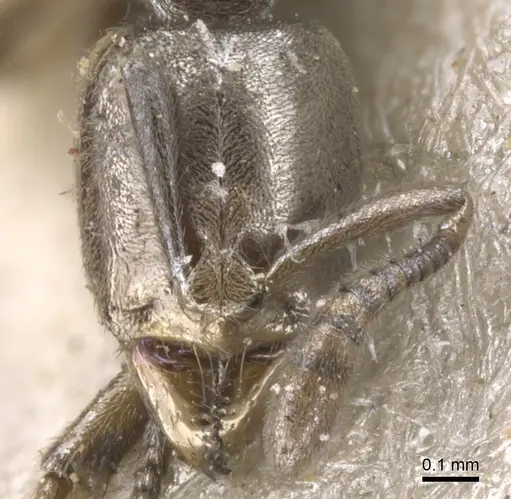
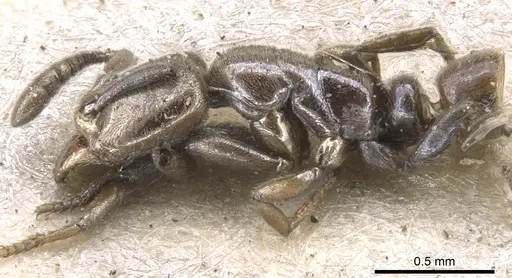
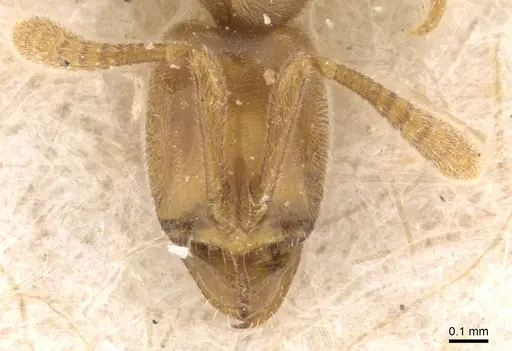
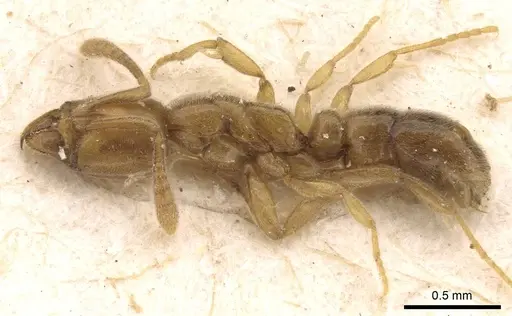
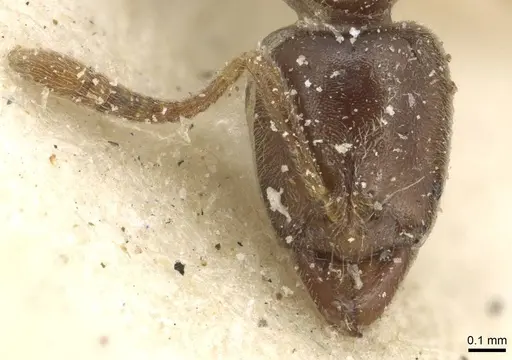
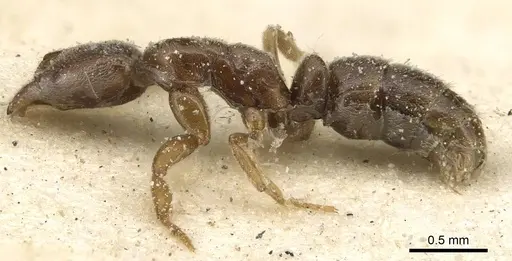
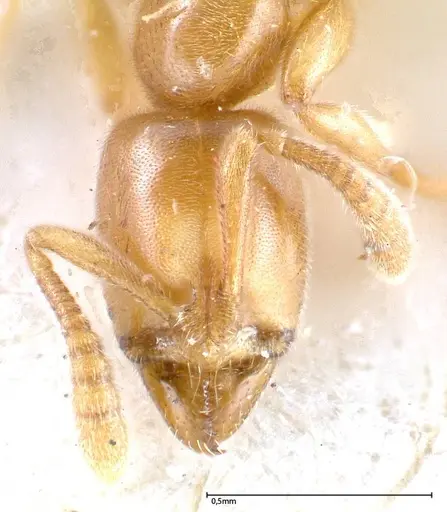
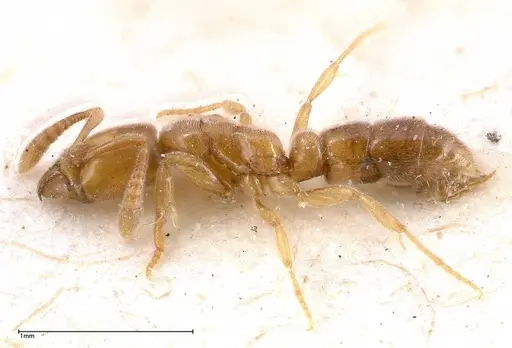
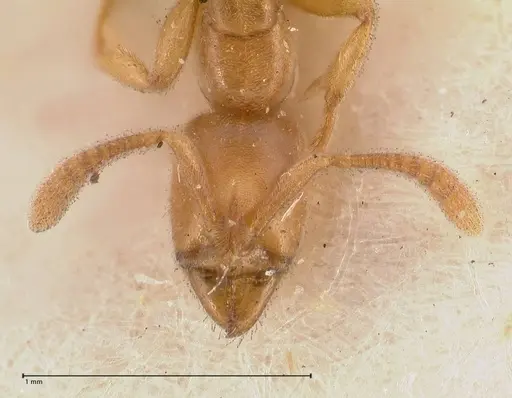
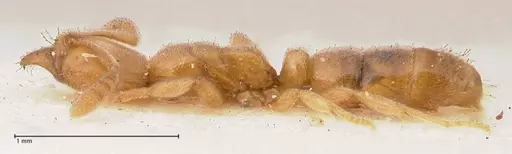
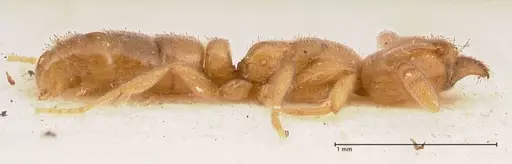
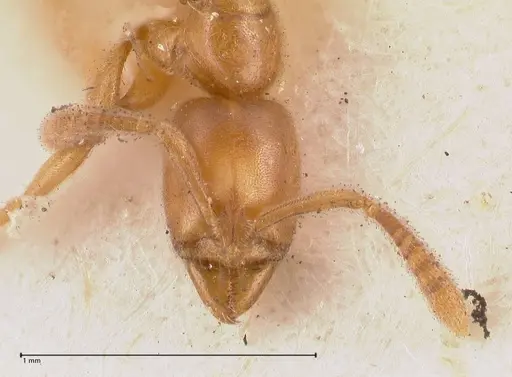
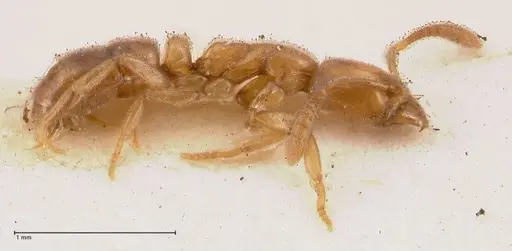
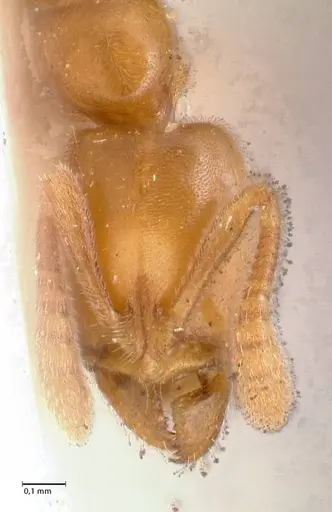
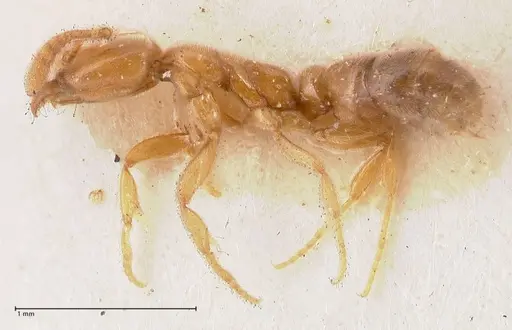
Hypoponera confinis is a small, cryptic ponerine ant native to the Indo-Pacific region. Workers measure about 2.5-3mm and are light yellowish brown to orange-brown in color [1][2]. They have tiny, vestigial eyes with only 4-6 ommatidia, making them nearly blind [3][4]. The species is identified by the distinctive cross-ribs at the base of the second gastral tergite [4]. These ants nest in small colonies in soil, rotting wood, and leaf litter in moist, shaded habitats [5][4]. Found across Sri Lanka, India, Bangladesh, Southeast Asia, and Pacific islands, H. confinis has also been introduced to regions like New Zealand [6][7].
Quick Summary
- Difficulty: Medium
- Origin & Habitat: Indo-Pacific region including Sri Lanka, India, Bangladesh, Philippines, Singapore, China, Indonesia, New Guinea, and Pacific islands. In India, found at elevations from 425m to 2800m in both forested and non-forested habitats [4][8]. Lives in soil, rotting wood, and leaf litter in moist, shaded areas [5][4].
- Colony Type: Colony structure is not well-studied. Likely single-queen based on typical Ponerinae patterns.
- Size & Growth:
- Queen:{.size-link} 3.5mm [2]
- Worker:{.size-link} 2.5-3mm [1][2]
- Colony: Small colonies, typically just a few dozen workers per nest in the wild [5]
- Growth: Moderate
- Development: 8-12 weeks, estimated based on typical Ponerinae development (No specific development data available for this species. Related ponerine ants typically take 2-3 months from egg to first worker at tropical temperatures.)
- Antkeeping:
- Temperature: Keep at 24-28°C. This is a tropical/subtropical species found in warm regions across the Indo-Pacific. A heating cable on one side of the nest creates a suitable gradient.
- Humidity: High humidity required. In the wild, they inhabit leaf litter and soil in moist forested habitats. Keep the nest substrate consistently damp but not waterlogged. Provide a water tube as a moisture source.
- Diapause: No, this is a tropical species that does not require hibernation. Maintain warm conditions year-round [7].
- Nesting: Small chambers in soil or rotting wood. A naturalistic setup with moist substrate works well, or a Y-tong/plaster nest with small chambers scaled to their tiny size. They prefer tight, humid spaces [5][4].
- Behavior: These are small, cryptic ants that spend most of their time hidden in leaf litter and soil. They are predatory, hunting small invertebrates. Workers are not aggressive and rarely sting humans, their sting is too weak to penetrate human skin. They are not escape artists due to their small size, but standard barrier precautions still apply. Activity level is low, they are slow-moving and secretive.
- Common Issues: small size makes escape prevention important, use fine mesh barriers, colonies stay small, which may disappoint keepers expecting rapid growth, wild-caught colonies may have parasites that are difficult to treat, requires high humidity, drying out kills colonies quickly, slow colony growth tests keeper patience, WARNING: This species is listed as Critically Endangered in Sri Lanka, it is illegal to collect queens in this country [9], This species is classified as invasive/tramp in some regions, do not release any specimens [10][6]
Housing and Nest Setup
Hypoponera confinis is a tiny ant that needs appropriately scaled housing. Use small test tubes for founding colonies, with the cotton end packed tight to prevent escapes. Once the colony reaches 15-20 workers, you can move them to a small formicarium or keep them in a test tube setup with an outworld. A Y-tong nest with narrow chambers or a small plaster nest works well for established colonies. These ants prefer dark, humid spaces, avoid bright lighting near the nest area. Add a water tube connected to the nest to maintain humidity through evaporation. [5][4]
Feeding and Diet
Like other Ponerine ants, H. confinis is predatory and needs small live invertebrates. Offer small prey like fruit flies, pinhead crickets, small mealworms, and micro-arthropods. They likely accept protein-based liquids and small insect pieces. Feed every 2-3 days, removing uneaten prey after 24 hours. Sugar sources are not typically important for this species, they get their energy from prey. A small outworld makes feeding easier and lets you observe foraging behavior.
Temperature and Humidity
Keep your colony at 24-28°C for optimal activity and growth. This species comes from tropical and subtropical regions, so warmth is essential. Use a heating cable on one side of the nest to create a temperature gradient, place it on top of the nest material, not underneath, to avoid drying out the substrate. High humidity is critical, aim for 70-80% relative humidity inside the nest. The substrate should feel consistently moist but never waterlogged. A water tube or damp cotton ball in the outworld helps maintain humidity. [7]
Colony Growth Expectations
Hypoponera confinis forms small colonies. In the wild, colonies are found in leaf litter and soil samples in low numbers, typically just a few dozen workers per nest [5]. Growth is slow compared to many common ant species. A founding queen may take several months to produce her first workers, and the colony will remain small even at maturity. Do not expect the rapid growth seen in species like Lasius or Camponotus. Patience is key, a healthy colony might reach 50-100 workers over 1-2 years under good conditions.
Behavior and Observation
These are secretive ants that spend most of their time hidden in the nest substrate. Workers are slow-moving and not particularly aggressive. They are nearly blind, relying on chemical cues to navigate and find prey. You may rarely see them outside the nest, they emerge primarily to forage. Observation is easiest when feeding: place prey in the outworld and watch workers emerge to retrieve it. The small size and cryptic behavior make them a 'watching' species rather than an 'interacting' species. [4][3]
Frequently Asked Questions
How long does it take for Hypoponera confinis to produce first workers?
Expect 8-12 weeks from founding to first workers, though this is estimated since specific development data is not available. The exact timeline depends on temperature, warmer conditions (around 26-28°C) speed development, while cooler temperatures slow it down.
What do Hypoponera confinis ants eat?
They are predatory ants that need small live invertebrates. Feed small prey like fruit flies, micro crickets, small mealworms, or springtails. They likely accept small insect pieces and protein liquids, but live prey should be the primary food source.
How big do Hypoponera confinis colonies get?
Small, likely under 100 workers at maturity. This is a cryptic leaf-litter species that forms modest colonies. Do not expect large colonies.
Do Hypoponera confinis need hibernation?
No. This is a tropical/subtropical species that does not require hibernation. Keep them warm year-round at 24-28°C.
What is the best nest type for Hypoponera confinis?
Small, humid nests work best. A Y-tong with narrow chambers, small plaster nest, or a naturalistic setup with moist soil and leaf litter. They prefer dark, tight spaces.
Are Hypoponera confinis good for beginners?
They are moderate difficulty. The main challenges are maintaining high humidity and accepting that colonies stay small and grow slowly. If you want an active, visible ant, choose a different species. If you enjoy watching cryptic, secretive ants, this species is rewarding.
Can I keep multiple queens together?
Not recommended. There is no documented evidence that unrelated queens can found colonies together successfully. Stick to single-queen colonies.
Why are my Hypoponera confinis dying?
The most common causes are: drying out (they need high humidity), temperatures too cold (keep warm), or poor nutrition (they need live prey). Check that the nest substrate stays moist and temperature stays in the 24-28°C range.
Where is Hypoponera confinis found in the wild?
Across the Indo-Pacific: Sri Lanka, India, Bangladesh, Philippines, Singapore, China, Indonesia, New Guinea, and Pacific islands including Samoa, Tonga, and Fiji. It has also been introduced to New Zealand.
Report an Issue
The current care sheet is based fully on literature. See inconsistencies, or something that's incorrect? Please , it will be resolved after review from an admin. Contributing to the blogs tab also helps providing information, to make us be able to further improve the caresheets. Thank you for your support!
References

This caresheet is licensed under CC BY-SA 4.0 .
CASENT0178377
View on AntWeb
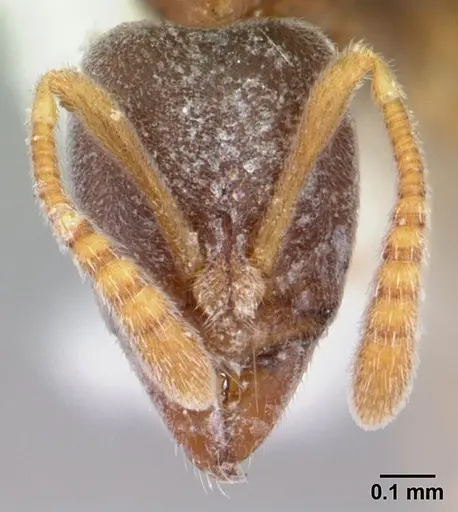

CASENT0178378
View on AntWeb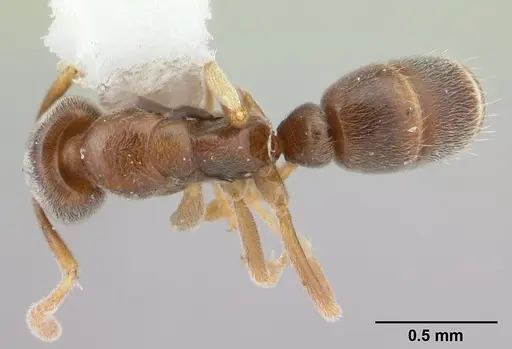
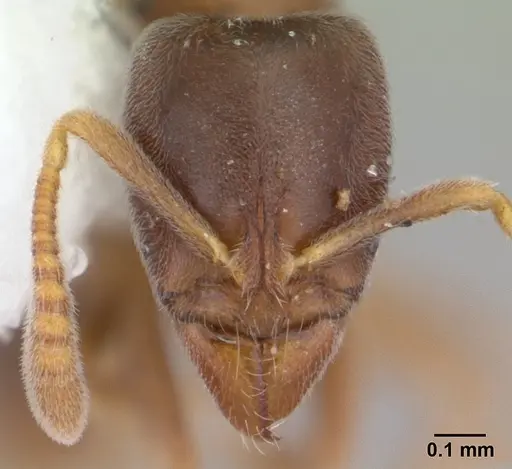
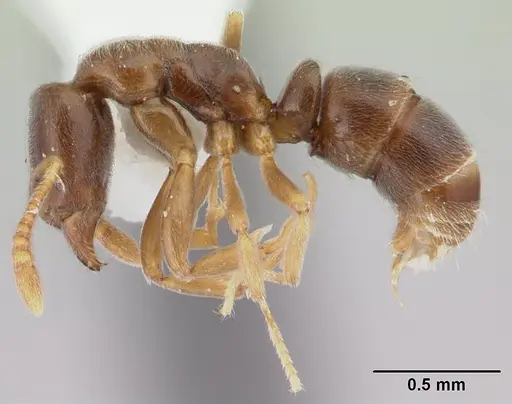
CASENT0186525
View on AntWeb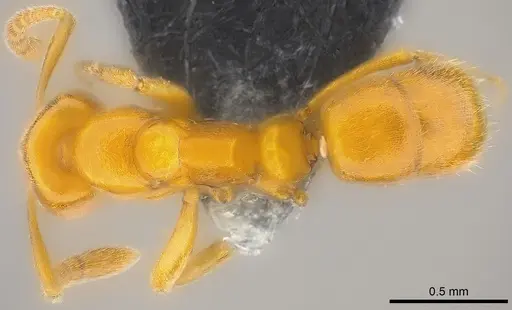
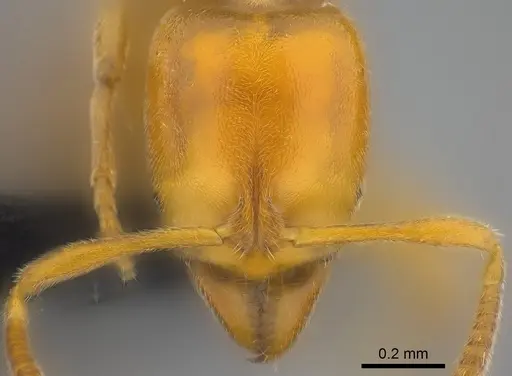
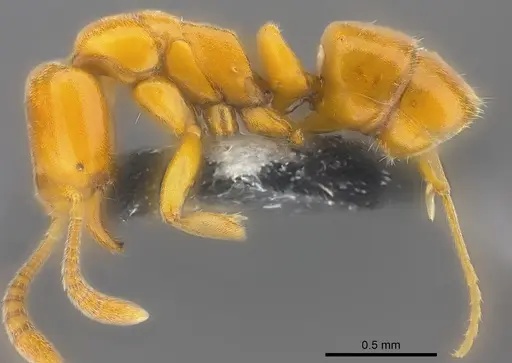
CASENT0902565
View on AntWeb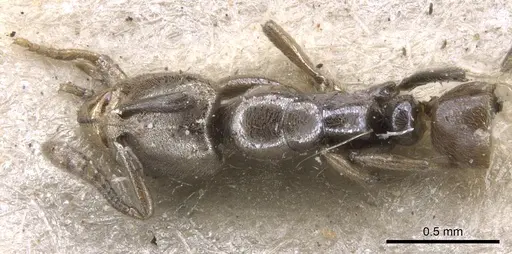
CASENT0907306
View on AntWeb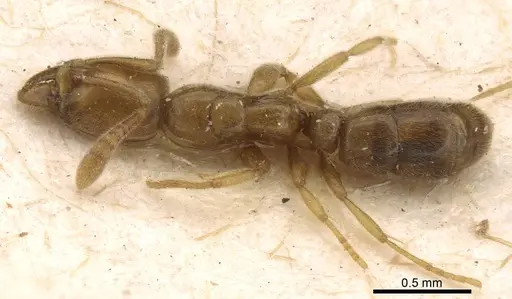
CASENT0915191
View on AntWeb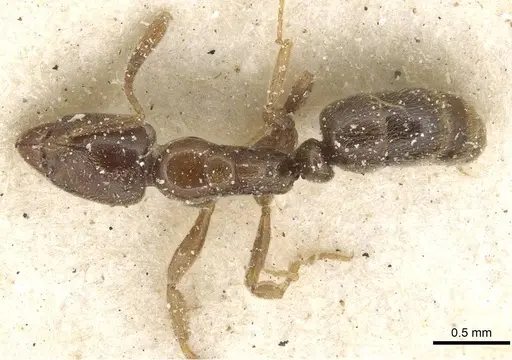
FOCOL0358
View on AntWeb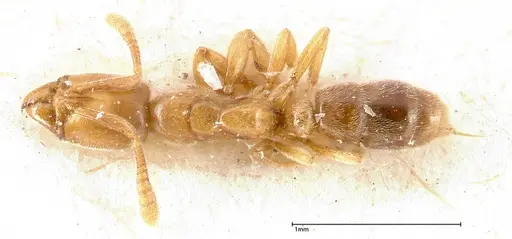
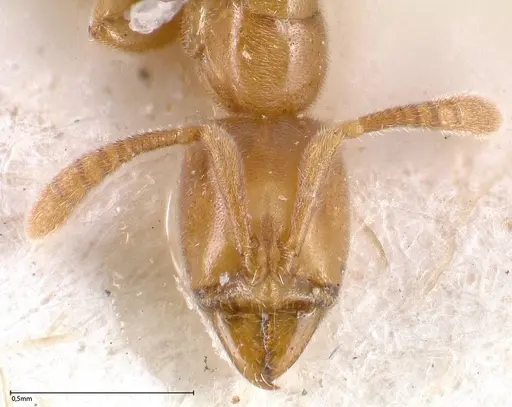
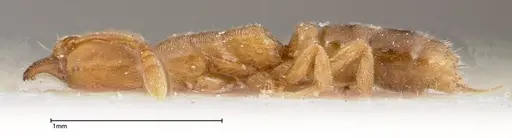
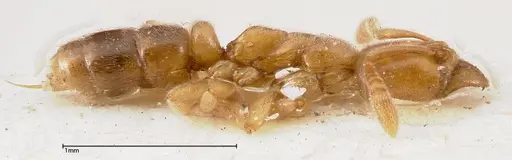
FOCOL0359
View on AntWeb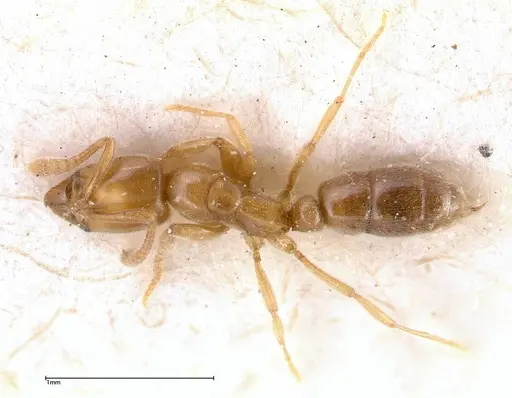
FOCOL0989
View on AntWeb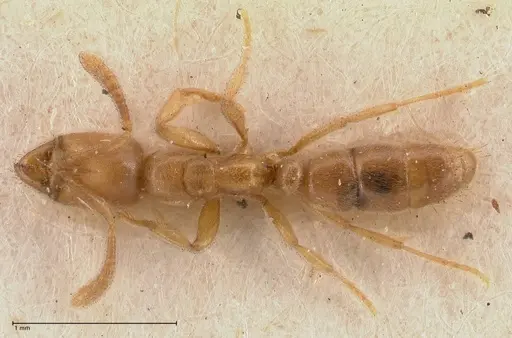
FOCOL0990
View on AntWeb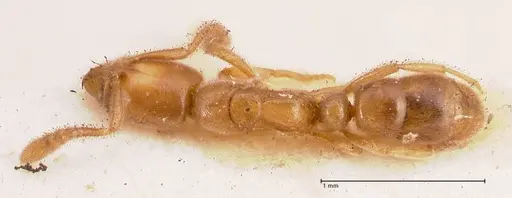
FOCOL0991
View on AntWeb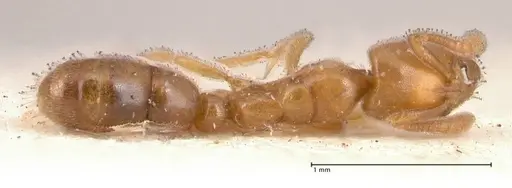
Literature
Loading...Loading products...