

Hypoponera coeca
- Scientific Name
- Hypoponera coeca
- Tribe
- Ponerini
- Subfamily
- Ponerinae
- Author
- Santschi, 1914
- Distribution
- Found in 11 countries
Hypoponera coeca Overview
Hypoponera coeca is an ant species of the genus Hypoponera. It is primarily documented in 11 countries , including Central African Republic, Congo, Côte d'Ivoire. Detailed taxonomic data and occurrence records can be further explored via authoritative databases such as AntWeb or the Global Biodiversity Information Facility (GBIF).
Hypoponera coeca
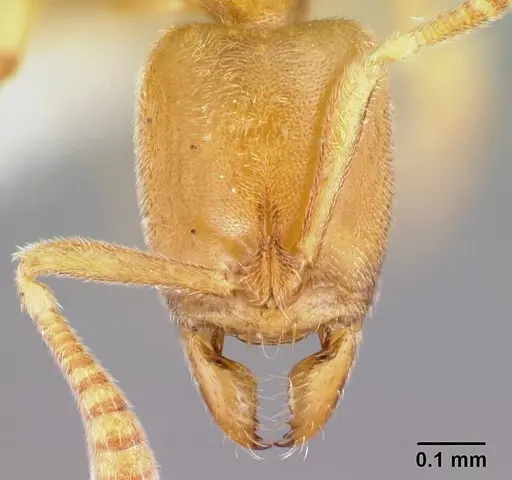
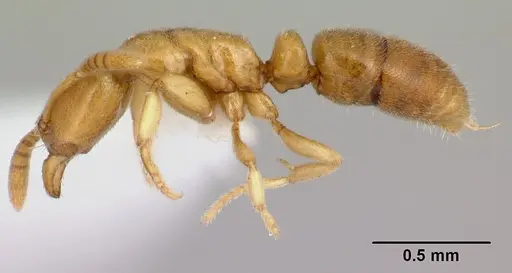
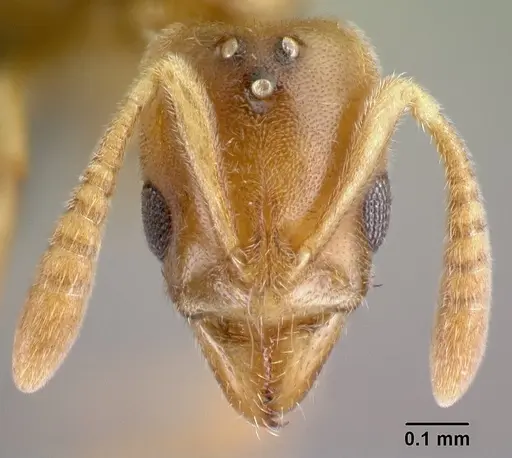
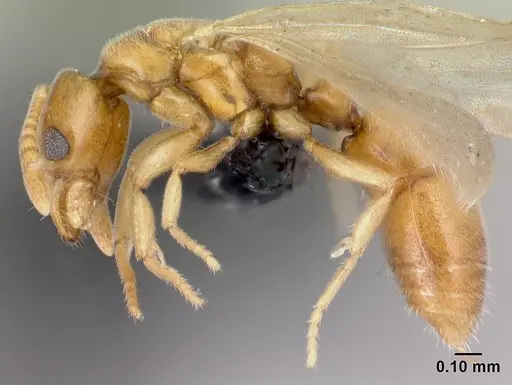
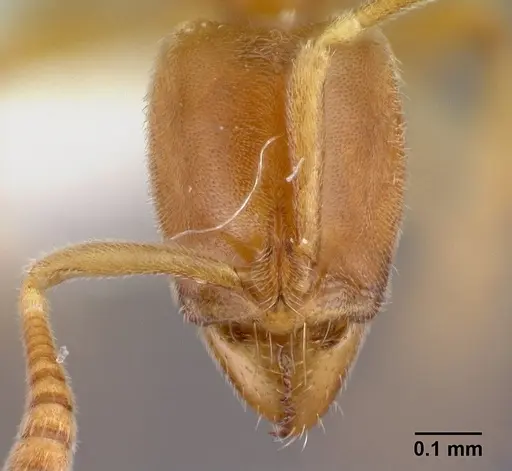
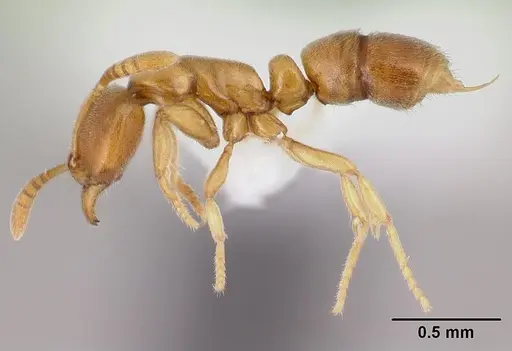
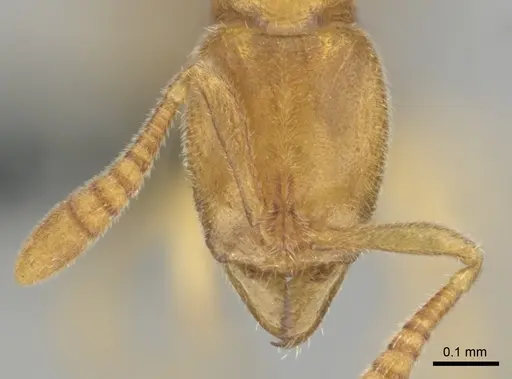
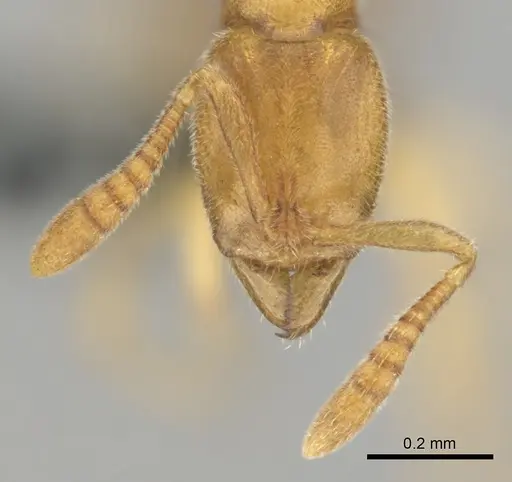
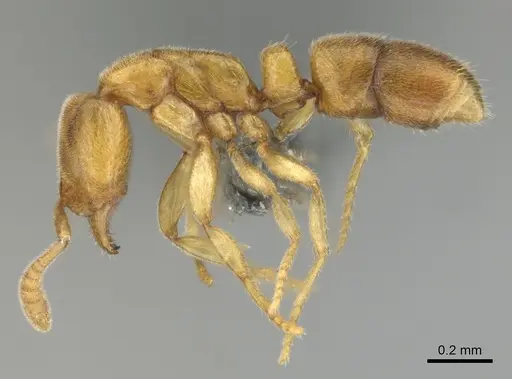
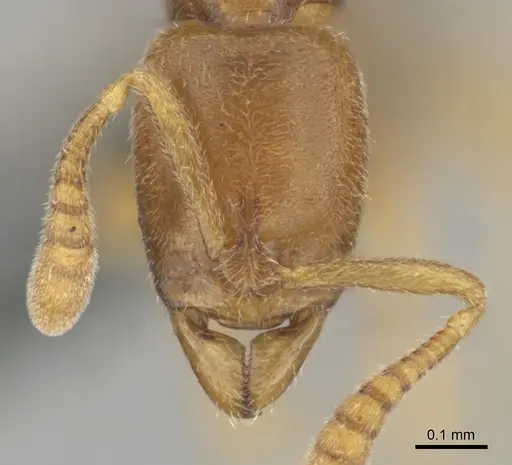
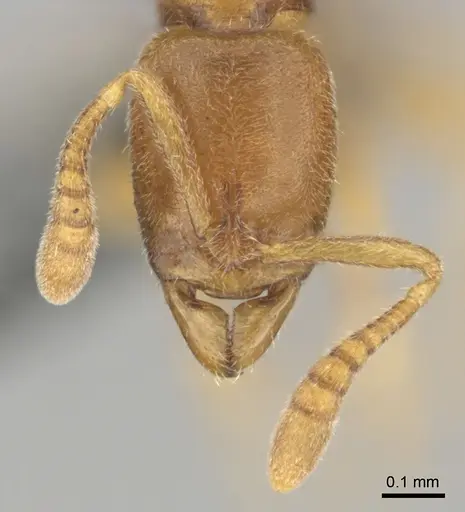
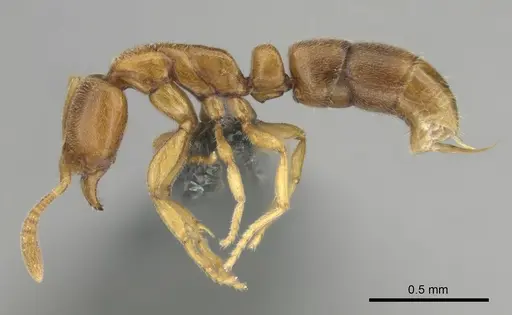
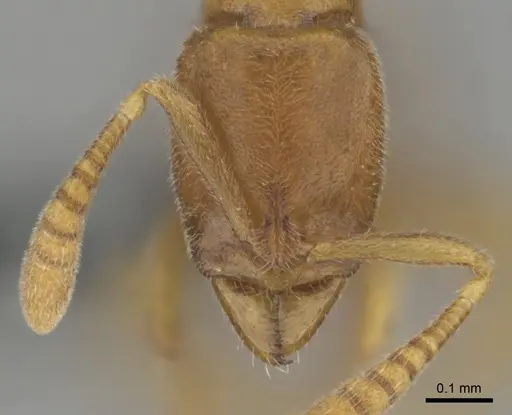
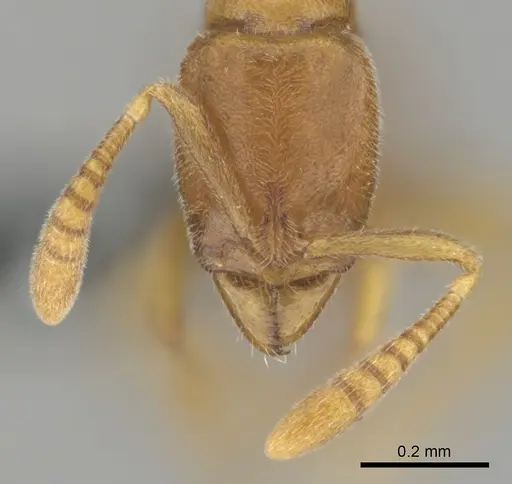
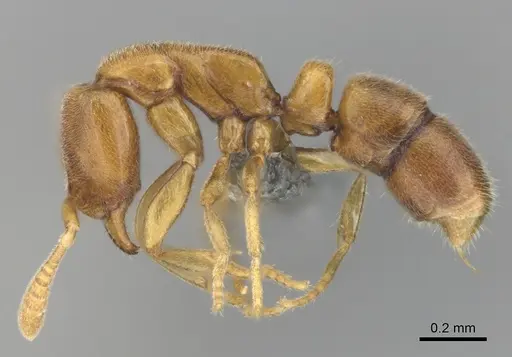
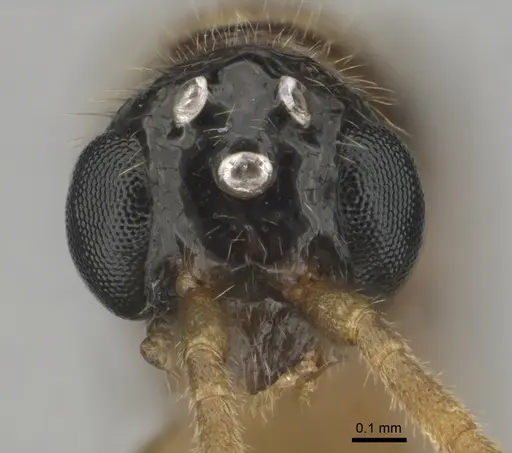
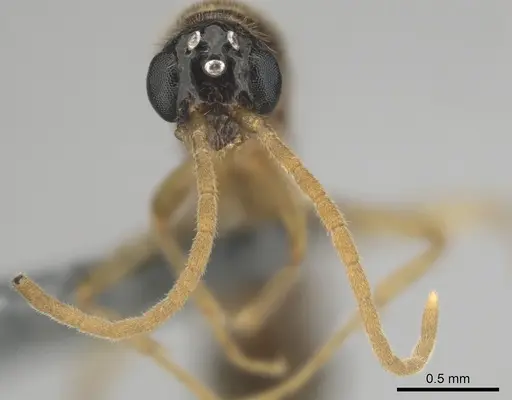
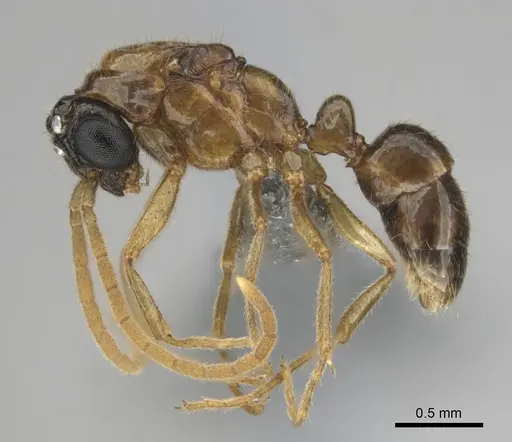
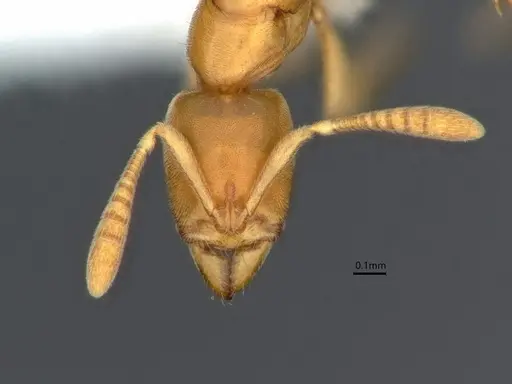
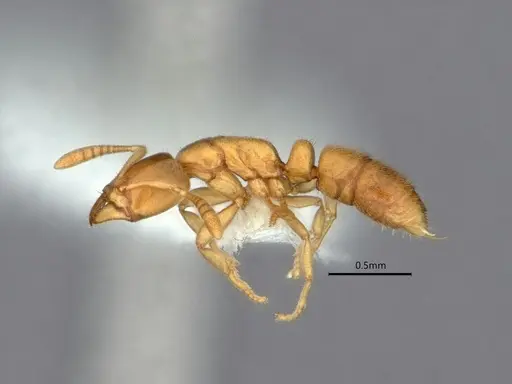
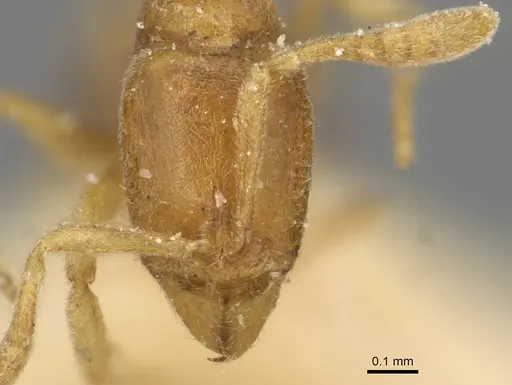
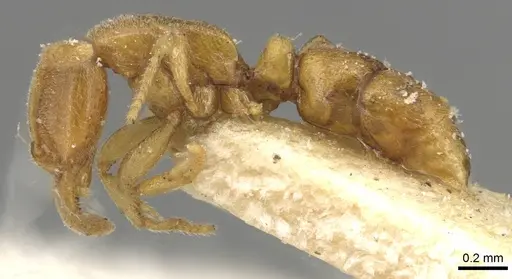
Hypoponera coeca is a tiny yellow ant species native to sub-Saharan Africa's rainforests. Workers measure just 2.0-2.3mm and are characterized by their nearly complete lack of eyes, a trait so consistent that the species name 'coeca' means 'blind' in Latin [1]. This small ponerine ant is remarkably widespread and commonly found in leaf litter and rotting wood samples across much of tropical Africa, from Ghana and Nigeria to Kenya and South Africa [1]. The species may actually represent a complex of multiple similar species that are difficult to distinguish [1].
Quick Summary
- Difficulty: Medium
- Origin & Habitat: Sub-Saharan Africa, found in rainforest environments in leaf litter and rotting wood on the forest floor [2]
- Colony Type: Colony structure is not well documented. Based on genus patterns, likely single-queen colonies with relatively small colony sizes.
- Size & Growth:
- Queen: Unconfirmed, genus estimates suggest 3-4mm
- Worker: 2.0-2.3mm [1]
- Colony: Likely small, under 100 workers based on typical Hypoponera patterns
- Growth: Moderate, inferred from genus patterns
- Development: Estimated 6-10 weeks based on related Ponerinae species (Development time is not specifically documented for this species. Estimates based on typical Ponerinae development at tropical temperatures.)
- Antkeeping:
- Temperature: Keep at 24-28°C, these are tropical rainforest ants that need warm, stable conditions
- Humidity: High humidity required, rainforest floor species. Keep substrate consistently moist but not waterlogged. Provide a water tube as their primary water source.
- Diapause: Unknown for this species, tropical ants may not require formal hibernation but may slow down during cooler periods
- Nesting: Naturalistic setup works best, they nest in leaf litter and rotting wood. A Y-tong or plaster nest with moist substrate mimics their natural environment. Provide plenty of hiding spots and clutter in the outworld.
- Behavior: Hypoponera coeca is a shy, cryptic species that avoids light and activity. Workers are slow-moving and typically forage through leaf litter and decaying wood. They are predatory on small invertebrates. Their tiny size and near-blindness make them vulnerable to escape, use fine mesh barriers. They are not aggressive and rarely sting.
- Common Issues: tiny size makes escape prevention critical, they can squeeze through standard mesh, high humidity needs can lead to mold if ventilation is poor, slow growth may cause keepers to overfeed or disturb the colony, wild-caught colonies may contain parasites that are difficult to detect, limited available information means care is largely based on genus-level inference
Natural History and Distribution
Hypoponera coeca is one of the most widespread Hypoponera species in sub-Saharan Africa, found across a broad band of tropical regions from West Africa (Ghana, Nigeria, Cameroon) through Central Africa (Gabon, Congo, Democratic Republic of Congo) to East Africa (Kenya, Tanzania, Uganda) and as far south as South Africa [1]. These ants are quintessential forest-floor species, living almost exclusively in leaf litter and rotting wood on the rainforest floor [2]. Their near-complete lack of eyes is an adaptation to life in dark, humid microhabitats where vision is of little use. The species may actually represent multiple cryptic species that look nearly identical but are genetically distinct, researchers have noted subtle variations in petiole shape and size across different populations that suggest this [1].
Housing and Nest Setup
Because Hypoponera coeca naturally lives in leaf litter and rotting wood, a naturalistic setup works best for captive care. A Y-tong (acrylic) nest or plaster nest with chambers scaled to their tiny 2mm size provides good visibility while mimicking their preferred dark, humid environment. The nest substrate should be kept consistently moist but never waterlogged, these ants come from rainforest floor conditions where humidity is constantly high. In the outworld, provide plenty of debris, leaves, and small hiding structures so they can forage naturally. A water tube should always be available. Because they are tiny and nearly blind, escape prevention must be excellent, use fine mesh barriers and check that all connections are tight.
Feeding and Diet
Hypoponera coeca is predatory like most Ponerinae ants, hunting small invertebrates in leaf litter. In captivity, offer small live prey such as springtails, fruit flies, and other tiny arthropods. They likely accept some sugar sources, though this is not confirmed for this specific species. Feed small amounts of protein prey 2-3 times per week, removing any uneaten prey after 24 hours. The key is offering appropriately-sized prey, these tiny ants cannot tackle large insects. A varied diet of different small prey types will help ensure nutritional balance.
Temperature and Humidity
As a tropical rainforest species from sub-Saharan Africa, Hypoponera coeca requires warm and humid conditions. Keep the nest area at 24-28°C, which mimics the stable temperatures of the forest floor in tropical regions. A slight temperature gradient allows the colony to self-regulate. Humidity is critical, the nest substrate should feel consistently damp to the touch. Use a hydration setup that maintains moisture over time without requiring constant misting. Poor humidity will quickly stress these delicate ants. Avoid placing the nest near air conditioning or heating vents that could cause rapid drying.
Colony Development and Growth
Specific development data for Hypoponera coeca is not documented in scientific literature. Based on related Ponerinae species, expect 6-10 weeks from egg to first worker at optimal temperature. Colonies likely remain small, probably under 100 workers in mature colonies. The first workers (nanitics) will be very small, reflecting the tiny queen and worker size of this species. Growth is typically slow compared to faster-growing genera like Lasius or Camponotus. Patience is essential, do not overfeed or disturb the colony in an attempt to speed up development. A healthy founding queen should produce her first workers within 2-3 months under good conditions.
Frequently Asked Questions
How long does it take for Hypoponera coeca to produce first workers?
Specific data is not available, but based on related Ponerinae species, expect 6-10 weeks from egg to first worker at optimal temperature (24-28°C).
What do Hypoponera coeca ants eat?
They are predatory ants that hunt small invertebrates. Feed them tiny live prey like springtails, fruit flies, and other micro-arthropods. Sugar sources may be accepted but are not confirmed.
Are Hypoponera coeca good for beginners?
This species is rated as medium difficulty. While their care requirements are straightforward (warm, humid conditions), their tiny size and limited available information make them better suited for keepers with some experience.
How big do Hypoponera coeca colonies get?
Based on typical Hypoponera patterns, colonies likely reach under 100 workers. They are small colonies compared to many common ant species.
Do Hypoponera coeca need hibernation?
As a tropical species, formal hibernation is not required. They may slow down during cooler periods, but a full diapause is not necessary.
Why are my Hypoponera coeca dying?
Common causes include: low humidity (they need consistently damp conditions), poor escape prevention (they are tiny and can escape through standard mesh), and stress from disturbance during founding. Ensure high humidity and fine mesh barriers.
Can I keep multiple queens together?
Colony structure is not well documented for this species. Based on genus patterns, single-queen colonies are likely. Combining unrelated queens is not recommended without documented evidence of polygyny.
What nest type is best for Hypoponera coeca?
A Y-tong (acrylic) or plaster nest with moist substrate works well. The chambers should be small and scaled to their tiny 2mm size. Keep the nest humid and dark.
Why are my Hypoponera coeca not foraging?
They are cryptic, slow-moving ants that prefer dark, humid environments. They may simply be staying in the nest during daylight hours. Offer prey in the evening and ensure the outworld is not too bright or dry.
References

This caresheet is licensed under CC BY-SA 4.0 .
CASENT0012681
View on AntWeb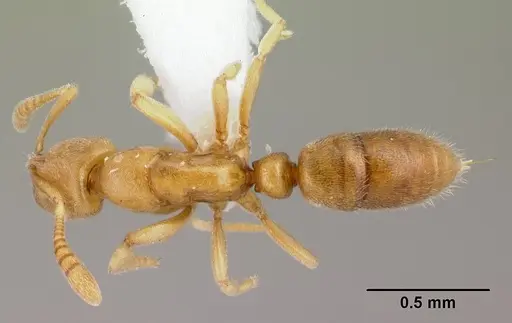
CASENT0086326
View on AntWeb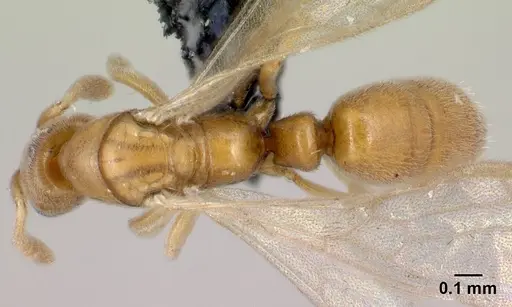
CASENT0217332
View on AntWeb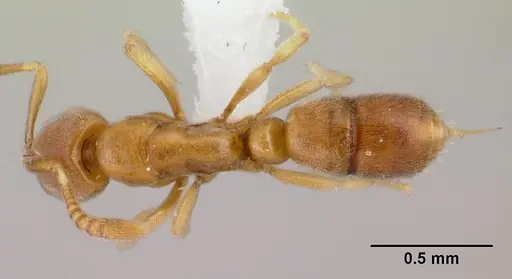
CASENT0815586
View on AntWeb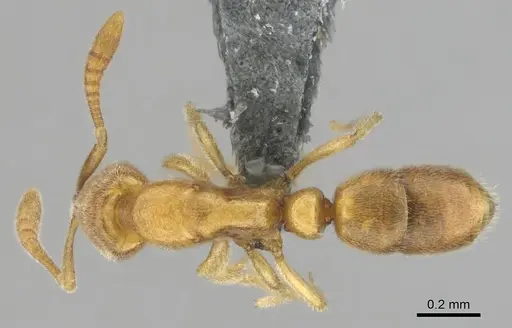
CASENT0815774
View on AntWeb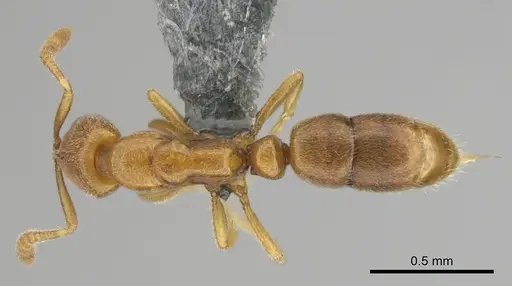
CASENT0815828
View on AntWeb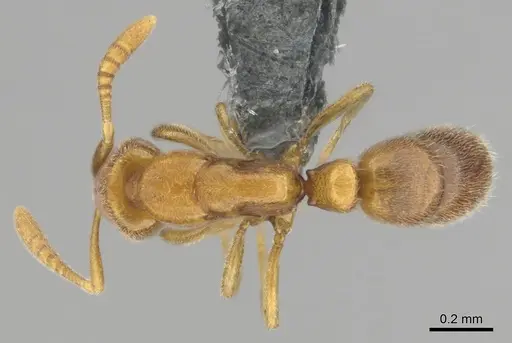
CASENT0815877
View on AntWeb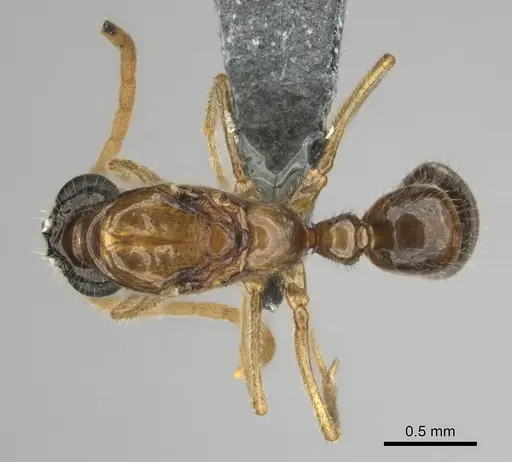
CASENT0882086
View on AntWeb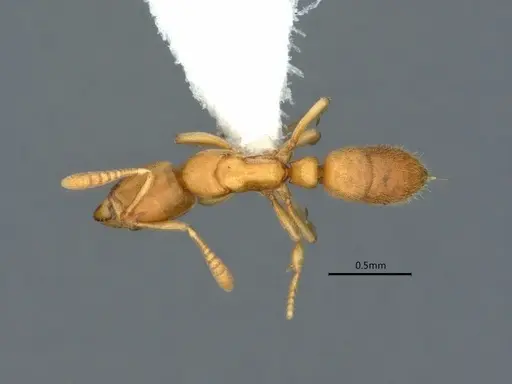
CASENT0915189
View on AntWeb
CASENT0915200
View on AntWeb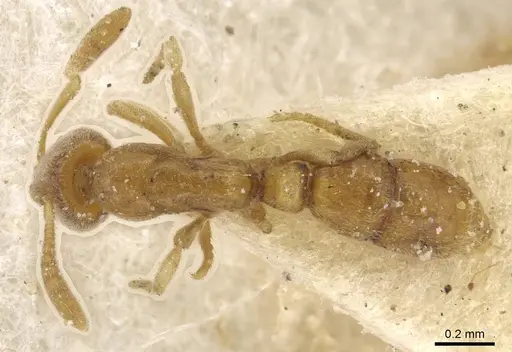
Literature
Loading...Loading products...