

Hypoponera aprora
- Scientific Name
- Hypoponera aprora
- Tribe
- Ponerini
- Subfamily
- Ponerinae
- Author
- Bolton & Fisher, 2011
- Distribution
- Found in 1 countries
Hypoponera aprora Overview
Hypoponera aprora is an ant species of the genus Hypoponera. It is primarily documented in 1 countries , including Tanzania, United Republic of. Detailed taxonomic data and occurrence records can be further explored via authoritative databases such as AntWeb or the Global Biodiversity Information Facility (GBIF).
Hypoponera aprora
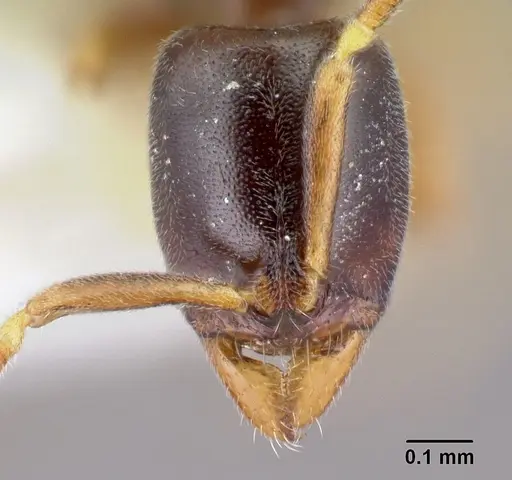
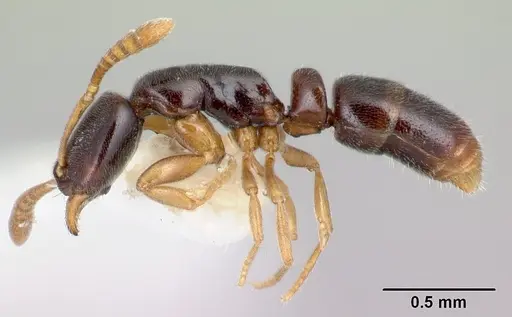
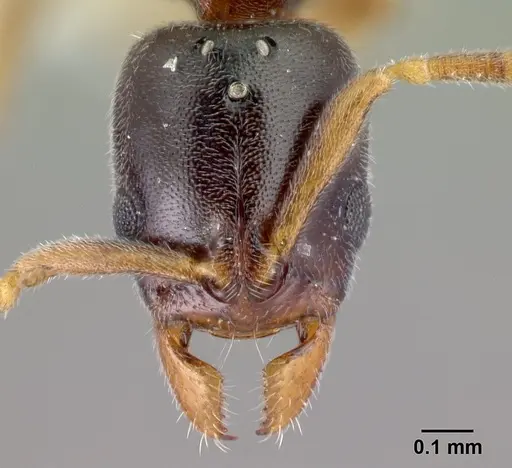
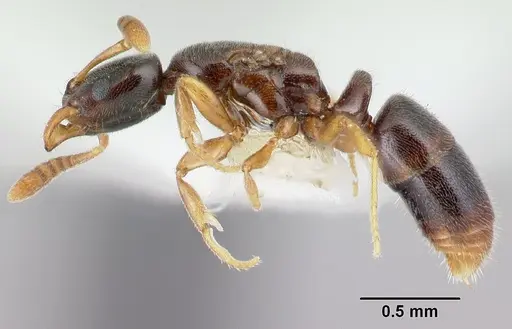
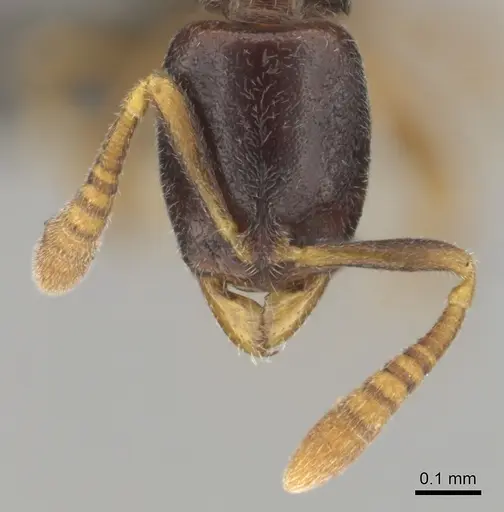
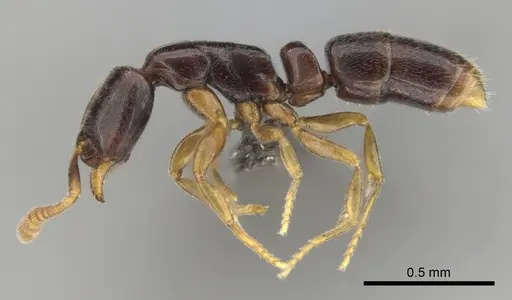
Hypoponera aprora is an extremely rare ponerine ant described in 2011 from Tanzania. Workers are tiny at just 0.51-0.53mm in head length, with a glossy dark brown to blackish brown coloration [1]. This species belongs to the occidentalis complex of the Hypoponora abeillei group and is immediately distinguished from all its Afrotropical and West Palaearctic relatives by its lack of the prora on the first gastral sternite [1]. The species is known only from the type specimens collected in Kilindi Forest Reserve at 1015m elevation via Winkler sampling of primary forest leaf litter [1]. Almost nothing is known about this species' biology in the wild or in captivity, it has never been kept by antkeepers and no observations exist on colony structure, founding behavior, or captive requirements.
Quick Summary
- Difficulty: Expert
- Origin & Habitat: Only known from Kilindi Forest Reserve in the Tanga Region of Tanzania, East Africa. Specimens were collected from primary forest leaf litter at 1015m elevation using Winkler sampling [1]. This indicates they live in the forest floor layer of tropical highland rainforest.
- Colony Type: Unknown. Only workers and a single dealate queen have been collected, the queen was not described [1]. No data exists on whether colonies are single-queen (monogyne) or multi-queen (polygyne).
- Size & Growth:
- Queen: Unknown, collected but not described [1]
- Worker: 0.51-0.53mm head length,0.40-0.41mm head width [1]
- Colony: Unknown, estimated under 100 workers based on tiny worker size and limited specimens collected
- Growth: Unknown
- Development: Unconfirmed, no data exists on development timeline for this species (Related Hypoponera species typically develop in 6-10 weeks, but this is an estimate only)
- Antkeeping:
- Temperature: Inferred 22-26°C based on Tanzanian highland forest origin. Adjust based on colony activity.
- Humidity: Inferred 60-80%, primary forest leaf litter dwellers need consistently moist substrate. Keep the nesting area damp but not waterlogged.
- Diapause: Unknown, as a tropical species, year-round activity is likely but no data exists
- Nesting: Inferred preference for moist, dark spaces. Likely accepts test tubes with cotton-plugged water reservoirs or naturalistic setups with damp soil/leaf litter. Their tiny size means chambers must be very small scale.
- Behavior: Almost nothing is documented about behavior. Based on genus patterns, they are likely cryptic surface-dwellers that forage in leaf litter and upper soil layers. Their tiny size suggests slow, deliberate movement. Escape prevention is critical due to their minute size, they can squeeze through standard test tube barriers. Ponerine ants have stingers but these tiny ants are unlikely to penetrate human skin. Exercise caution when handling.
- Common Issues: no captive data exists, this species has never been kept in captivity so all care is speculative, tiny size means escapes are likely without fine mesh barriers and careful setup, slow or nonexistent colony growth due to lack of established feeding protocols, wild-caught colonies may have parasites or fail to adapt to captivity, difficulty obtaining this species, only known from type locality
Why This Species Is So Challenging
Hypoponera aprora represents one of the most poorly known ants in the hobby. It was only described in 2011 and has been collected exactly once, from primary forest leaf litter in Tanzania's Kilindi Forest Reserve [1]. The entire scientific knowledge consists of eight workers and one queen specimen. No observations exist on their behavior, diet, colony structure, or any aspect of their biology. This means there are no established care protocols, no feeding guides, and no experienced keepers to turn to for advice. Before considering keeping this species, you must accept that you would be essentially pioneering its captive care through experimentation. This makes it suitable only for highly experienced antkeepers who understand that most attempts may fail and who can afford to lose the colony.
Housing and Setup
Based on their collection method (Winkler sampling from leaf litter), these ants almost certainly live in the forest floor layer among decomposing leaves and soil. In captivity, a small test tube setup with a consistent water reservoir would be the best starting point, the tiny worker size means you need to scale down everything. The tube should have a tight-fitting cotton barrier and you may need to add additional barriers like fluon to prevent escapes. A naturalistic setup with damp soil and leaf litter could also work, but would make observation difficult. Keep the setup in complete darkness as they are likely photophobic. The nesting area should remain consistently moist but never sitting in water.
Feeding and Diet
No direct data exists on what Hypoponera aprora eats. However, related Hypoponera species are typically predators or omnivores that forage for small invertebrates in leaf litter. You should offer tiny prey items like springtails, fruit flies, and other micro-arthropods. Given their minute size, even small fruit fly pieces may be too large. Sugar sources are unlikely to be accepted, these are not honeydew-feeding ants. Start with live prey and observe carefully. Be prepared to experiment with different foods and accept that getting them to feed may require significant trial and error. Do not expect established feeding protocols.
Temperature and Environment
The collection locality at 1015m elevation in Tanzania suggests a warm but not hot environment. Estimate temperatures around 22-26°C as a starting point. The highland forest origin means they likely experience some seasonal variation but not extreme temperatures. A small heating cable on one side of the nest can create a gradient if your room temperature is below this range. Humidity is critical, forest floor dwellers need consistently moist substrate. Monitor condensation levels and rehydrate before the substrate fully dries. Avoid temperature or humidity fluctuations as you have no data on their tolerance ranges.
Frequently Asked Questions
Is Hypoponera aprora available for purchase?
No. This species is only known from a handful of specimens collected in 2005 in Tanzania. It has never been collected for the antkeeping hobby and no colonies exist in captivity. You will not find this species for sale.
How do I care for Hypoponera aprora?
No established care protocol exists because this species has never been kept in captivity. You would be pioneering its care entirely through experimentation. Start with a small test tube setup at 22-26°C with consistently moist substrate, offer tiny live prey, and expect to encounter many failures along the way. Only expert antkeepers should attempt this.
What does Hypoponera aprora eat?
Unknown with certainty. Based on related species, they likely prey on tiny invertebrates in leaf litter. Offer springtails, micro-arthropods, or tiny fruit fly pieces. Do not expect sugar acceptance. Getting them to accept food may require extensive experimentation.
How big do Hypoponera aprora colonies get?
Unknown. The largest known collection consisted of only 8 workers. Based on their tiny size and the limited specimens collected, colonies are likely small, probably under 100 workers even at maturity.
Can beginners keep Hypoponera aprora?
Absolutely not. This species has no captive history, no established protocols, and no available stock. Even experienced antkeepers would struggle with the complete lack of data. Do not attempt this species unless you are an expert with extensive experience pioneering new species.
Where does Hypoponera aprora live?
Only known from Kilindi Forest Reserve in Tanzania's Tanga Region. Specimens were collected from primary forest leaf litter at 1015m elevation. This is the only known locality for this species.
Do Hypoponera aprora queens need hibernation?
Unknown. As a Tanzanian species from a relatively high elevation, they may experience mild seasonal variation but are unlikely to require true hibernation. The lack of any captive data means this is entirely uncertain.
How long do Hypoponera aprora workers live?
Unknown. No data exists on worker longevity for this species or related members of the genus.
Is Hypoponera aprora aggressive?
No behavioral data exists. Based on genus patterns, they are likely cryptic and non-aggressive, avoiding confrontation rather than engaging it. Their tiny size and cryptic lifestyle suggest they pose no threat to keepers.
References

This caresheet is licensed under CC BY-SA 4.0 .
CASENT0192382
View on AntWeb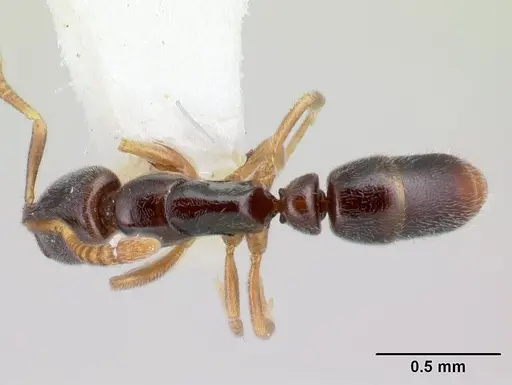
CASENT0192385
View on AntWeb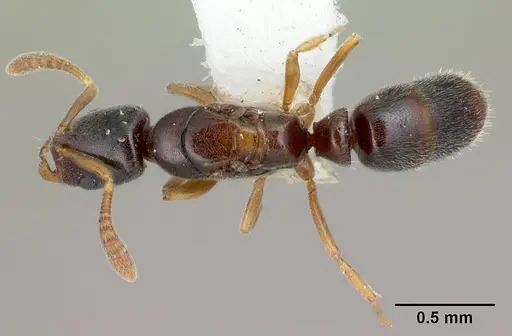
CASENT0250762
View on AntWeb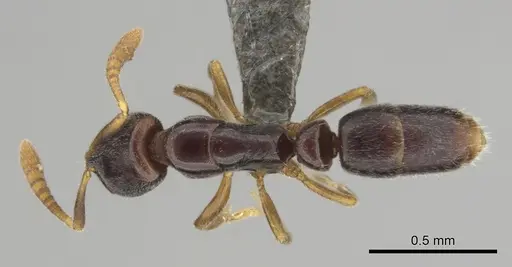
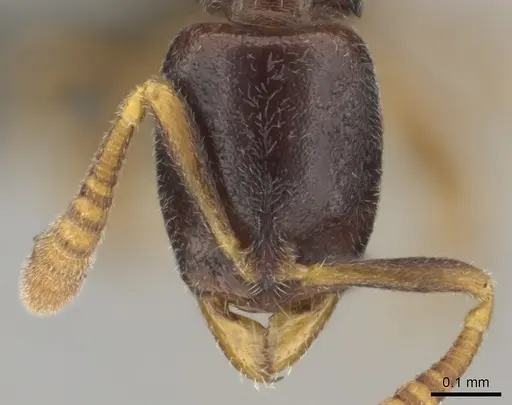
CASENT0820678
View on AntWeb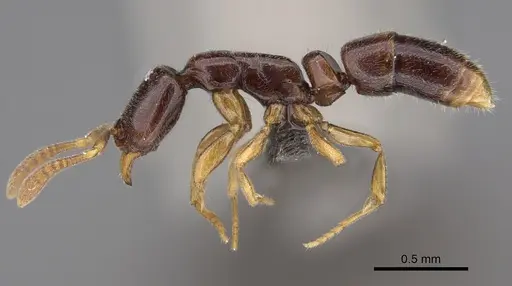
Literature
Loading...Loading products...