

Hylomyrma mariae
- Scientific Name
- Hylomyrma mariae
- Tribe
- Pogonomyrmecini
- Subfamily
- Myrmicinae
- Author
- Ulysséa, 2021
- Distribution
- Found in 1 countries
Hylomyrma mariae Overview
Hylomyrma mariae is an ant species of the genus Hylomyrma. It is primarily documented in 1 countries , including Colombia. Detailed taxonomic data and occurrence records can be further explored via authoritative databases such as AntWeb or the Global Biodiversity Information Facility (GBIF).
Hylomyrma mariae
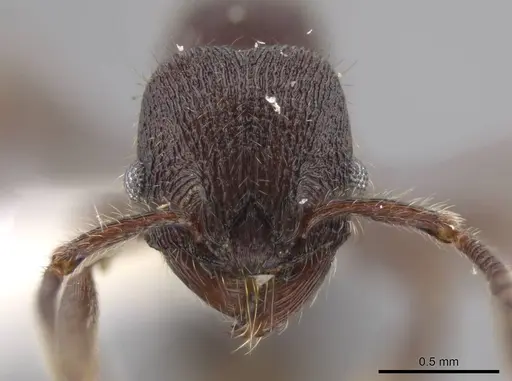
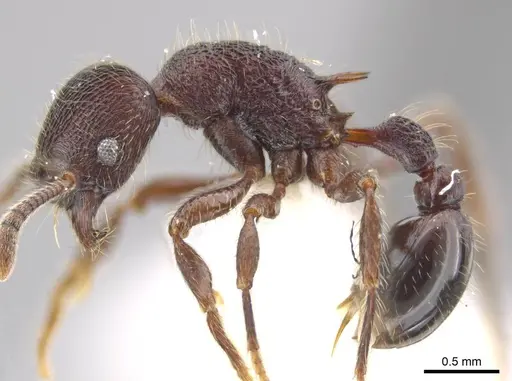
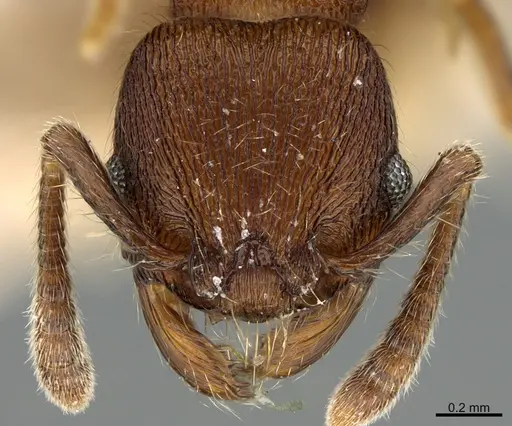
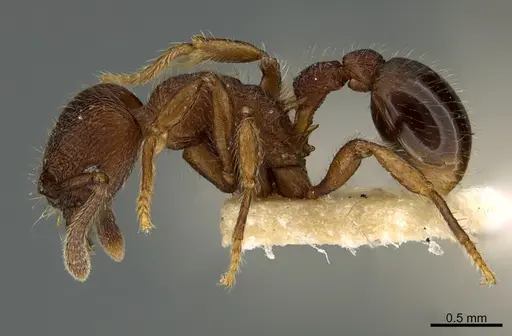
Hylomyrma mariae is a midsized Myrmicine ant native to northern Colombia. Workers measure 4.85-5.23mm with a shiny dark integument and distinctive striation patterns, the head has irregular longitudinal striae that diverge toward the rear, while the mesosoma and petiole show rugose striations. The eyes are notably drop-shaped, and the first gastral segment bears long striae extending into its first third. Queens are slightly larger at 5.54mm. This species was only recently described in 2021 and is known from just two localities in Colombia's Magdalena region, collected at elevations between 1340 and 2200m from rotten wood and leaf-litter samples. The species was named in honor of Maria do Espírito Santo da Silva, a Brazilian conservationist who campaigned against Amazon deforestation.
Quick Summary
- Difficulty: Unknown, species has never been kept in captivity
- Origin & Habitat: Northern Colombia (Magdalena region), elevations 1340-2200m. Collected from rotten wood, humus, and leaf-litter in highland forest habitats [1].
- Colony Type: Unconfirmed, colony structure has not been documented
- Size & Growth:
- Queen: 5.54mm [1]
- Worker: 4.85-5.23mm [1]
- Colony: Unknown, only known from wild-caught specimens
- Growth: Unknown
- Development: Unknown, no captive breeding data exists (Development timeline has not been studied. Related Myrmicinae of similar size typically require 6-10 weeks at optimal temperature, but this is an estimate only.)
- Antkeeping:
- Temperature: Unknown, no captive data exists. Based on highland Colombian origin (1340-2200m elevation), likely prefers cooler temperatures than tropical lowland species. Estimate: 18-24°C, adjust based on colony behavior.
- Humidity: Likely requires moderate to high humidity based on collection from rotten wood and leaf-litter. Keep substrate consistently moist but not waterlogged.
- Diapause: Unknown, no seasonal data available. Highland origin suggests potential for cooler winter conditions.
- Nesting: In the wild, colonies have been found in rotten wood and humus. Captive recommendations would be similar to other small Myrmicinae, a test tube setup initially, moving to a naturalistic or plaster nest as the colony grows. Keep nesting material moist.
- Behavior: Behavior is unstudied in captivity. Based on genus-level observations of related species, they are likely ground-nesting and may be somewhat secretive. Escape risk is moderate given worker size around 5mm, standard barrier methods should suffice. No data on sting potency, but Myrmicinae ants can sting and some Hylomyrma species are known to have functional stingers.
- Common Issues: this species has never been kept in captivity so all care recommendations are estimates based on related species, no captive breeding data exists, colony establishment from wild-caught queens may be challenging, highland origin means temperature requirements are uncertain and may differ from typical tropical ants, escape prevention is unknown but standard barriers should work for 5mm workers, no information on diet acceptance, start with standard ant foods and observe
Discovery and Taxonomy
Hylomyrma mariae was formally described in 2021 by Mônica Antunes Ulysséa and Carlos Roberto Brandão as part of a comprehensive taxonomic revision of the genus Hylomyrma. The species is known only from two localities in Colombia's Magdalena department: Cincinnati (the type locality) and San Pedro de la Sierra-Pico Yerbabuena. The type series was collected between 1730-2200m elevation using Berlese-Tüllgren funnels, which extract small invertebrates from leaf-litter and decaying wood samples. The species was named in honor of Maria do Espírito Santo da Silva (1956-2011), a Brazilian conservationist who dedicated her life to fighting deforestation in the Amazon rainforest [1].
Identification and Distinguishing Features
Hylomyrma mariae can be identified by several distinctive morphological features. The head has irregular longitudinal striae that diverge toward the posterior margin, this is a key diagnostic character that separates it from similar species. The eyes are notably drop-shaped rather than oval. The mesosoma and petiole have rugose striation, and the dorsal margin of the petiole is discontinuous. A subtriangular projection is present on the mesoventral surface of the petiole. The first gastral segment bears long striae extending into its first third. This species is most similar to Hylomyrma adelae (found in Bolivia) and Hylomyrma dandarae (found in Colombia), but can be separated by the combination of these characters, particularly the drop-shaped eye and the specific striation patterns on the head and gaster [1].
Natural Habitat and Distribution
This species is known only from northern Colombia, specifically the Magdalena department, at elevations between 1340 and 2200 meters above sea level. This highland distribution suggests it prefers cooler, more temperate conditions than many Neotropical lowland ant species. Specimens have been collected from rotten wood, humus, and leaf-litter using Berlese-Tüllgren funnels, indicating it is a ground-dwelling species that nests in decaying organic material on the forest floor. The limited distribution data means this species may have very specific habitat requirements that could make captive husbandry challenging to replicate [1].
Keeping Hylomyrma mariae in Captivity
Since this species has never been documented in the antkeeping hobby, all recommendations are speculative and based on related species and natural history data. Start with standard Myrmicinae care protocols: a test tube setup for founding colonies, maintaining moderate to high humidity (the rotten wood collection data supports this), and keeping temperatures cooler than typical tropical ants, perhaps in the 18-24°C range. Begin with a varied diet including protein sources (small insects, mealworms) and sugar water, observing what the colony accepts. Given the highland origin, consider providing a temperature gradient so the ants can self-regulate. This species would be considered an expert-level species due to the complete lack of captive husbandry data, document any observations carefully as they would contribute valuable information to our understanding of this rarely kept genus. [1]
Similar Species and Related Hylomyrma
Hylomyrma is a small Neotropical genus of Myrmicinae ants that remains poorly studied both in the wild and in captivity. The genus contains around 20 described species, many of which were only recently described in the 2021 revision. Hylomyrma mariae is similar to H. adelae (found in Bolivia) and H. dandarae (found in Colombia), with these three species forming a closely related group. Unlike some other Hylomyrma species that have been occasionally kept by ant enthusiasts, H. mariae has no documented captive history. Keepers interested in this species may find more information by researching care for related species in the genus, though significant differences may exist [1].
Frequently Asked Questions
Is Hylomyrma mariae available in the antkeeping hobby?
No, this species has never been documented in the antkeeping hobby. It is known only from scientific specimens collected in Colombia and was only formally described in 2021. Finding a colony would be extremely difficult, and wild collection would require permits.
How do I care for Hylomyrma mariae ants?
Care recommendations are entirely speculative since this species has never been kept in captivity. Based on its highland Colombian origin (1340-2200m elevation) and collection from rotten wood and leaf-litter, start with moderate to high humidity, temperatures in the 18-24°C range, and a moist nesting substrate. Begin with standard ant foods and observe what the colony accepts. This should be considered an expert-level species due to complete lack of captive data.
What do Hylomyrma mariae ants eat?
Diet has not been documented for this species. As a Myrmicinae ant, they likely accept a varied diet including small insects, honey, and sugar water. Start with standard ant husbandry foods and observe acceptance. The collection from leaf-litter suggests they may be generalist foragers.
How big do Hylomyrma mariae colonies get?
Maximum colony size is unknown, this species is only known from a handful of wild-caught specimens. Related Myrmicinae of similar size typically form colonies of several hundred workers, but this is an estimate only.
What temperature do Hylomyrma mariae ants need?
Optimal temperature is unknown. Based on highland Colombian origin (1340-2200m elevation), they likely prefer cooler conditions than tropical ants. Start around 18-24°C and observe colony behavior. A temperature gradient allows ants to self-regulate.
How long does it take for Hylomyrma mariae to raise first workers?
Development timeline has not been studied. Based on related Myrmicinae of similar size, expect 6-10 weeks from egg to worker at optimal temperature, but this is a rough estimate only.
Is Hylomyrma mariae a good species for beginners?
No, this species would not be suitable for beginners. It has never been kept in captivity, there is no captive husbandry data, and the limited natural history information makes reliable care recommendations impossible. Consider more established species like Lasius, Camponotus, or Tetramorium for beginner antkeepers.
Where does Hylomyrma mariae live in the wild?
Hylomyrma mariae is found only in northern Colombia (Magdalena department) at elevations between 1340 and 2200 meters. Colonies have been collected from rotten wood, humus, and leaf-litter on the forest floor.
Can I keep multiple Hylomyrma mariae queens together?
Colony structure (monogyne vs polygyne) has not been documented for this species. Without this information, combining unrelated queens is not recommended. Do not attempt pleometrosis with this species.
References

This caresheet is licensed under CC BY-SA 4.0 .
CASENT0637787
View on AntWeb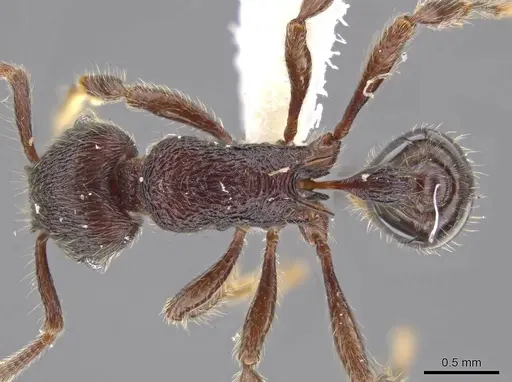
CASENT0923625
View on AntWeb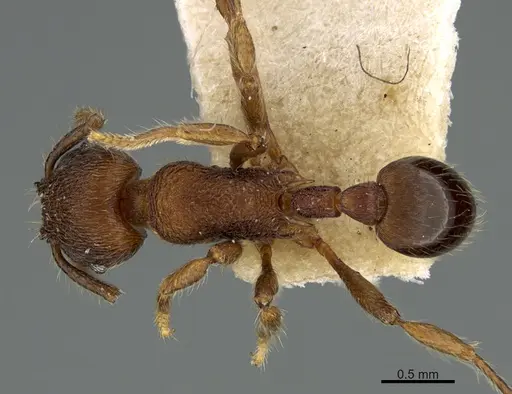
Literature
Loading...Loading products...