

Hylomyrma jeronimae
- Scientific Name
- Hylomyrma jeronimae
- Tribe
- Pogonomyrmecini
- Subfamily
- Myrmicinae
- Author
- Ulysséa, 2021
- Distribution
- Found in 2 countries
Hylomyrma jeronimae Overview
Hylomyrma jeronimae is an ant species of the genus Hylomyrma. It is primarily documented in 2 countries , including Costa Rica, Panama. Detailed taxonomic data and occurrence records can be further explored via authoritative databases such as AntWeb or the Global Biodiversity Information Facility (GBIF).
Hylomyrma jeronimae
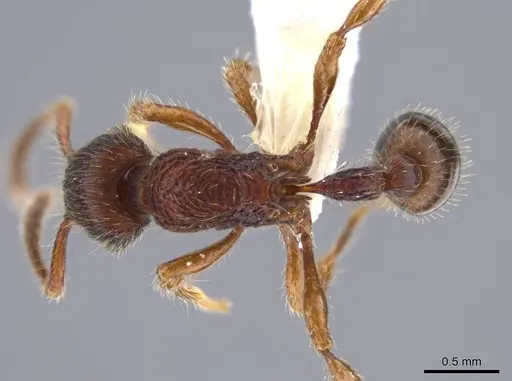
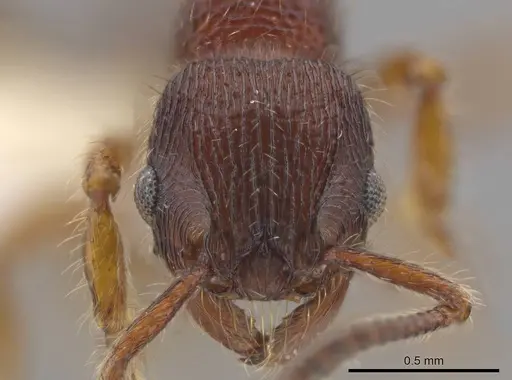
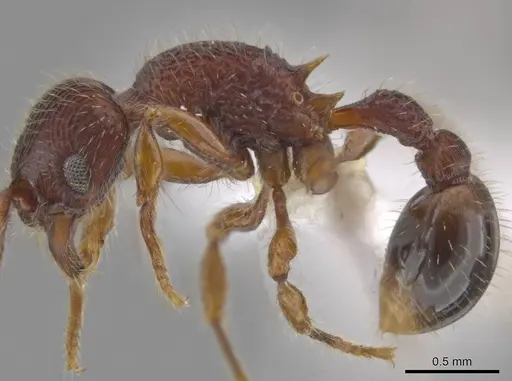
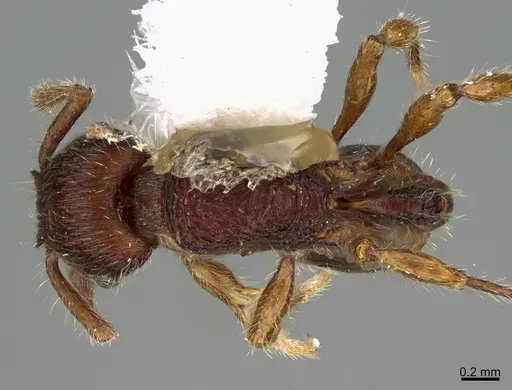
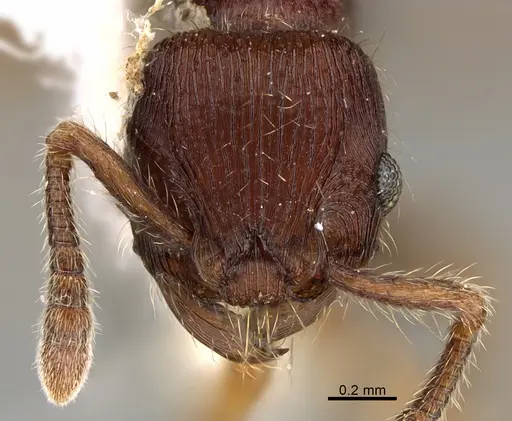
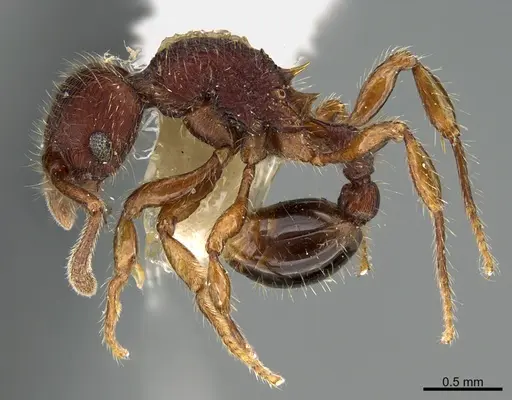
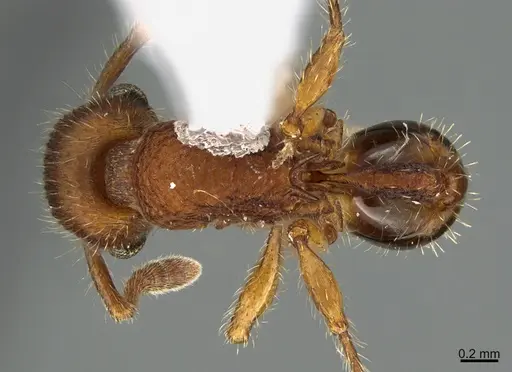
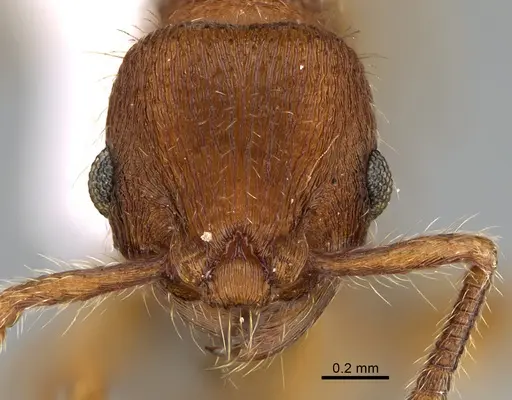
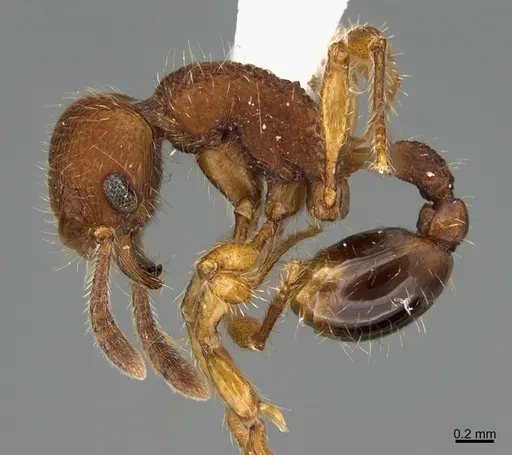
Hylomyrma jeronimae is a small Neotropical ant species native to Costa Rica and Panama. Workers measure 4.3-4.5mm with a distinctive appearance featuring regular to irregular striae on the head that diverge toward the posterior margin, reniform (kidney-shaped) eyes, and striation on the mesosoma running in multiple directions. The gaster has striation restricted to the basal region. Queens are larger at 5.1-5.2mm. This species was only described in 2021,making it one of the newer additions to the ant-keeping hobby. They inhabit forested areas at elevations between 180-950 meters, typically found in leaf-litter which suggests they nest in fallen logs, rotten wood, or natural cavities in soil [1][2].
Quick Summary
- Difficulty: Medium
- Origin & Habitat: Costa Rica and Panama. Inhabits forested areas at elevations from 180-950m, collected primarily from leaf-litter suggesting nests in fallen logs, rotten wood, between leaves, or inside natural cavities of superficial soil layers [1][2].
- Colony Type: Unconfirmed colony structure. No published data on whether colonies are single-queen (monogyne) or multi-queen (polygyne). Based on typical Hylomyrma patterns, likely single-queen but this is an inference.
- Size & Growth:
- Queen: 5.08-5.18 mm [1]
- Worker: 4.31-4.47 mm [1]
- Colony: Unknown, no colony size data published
- Growth: Unknown, no development data available for this species
- Development: Estimated 6-10 weeks based on typical Myrmicinae development at tropical temperatures. No direct data for this species. (This is a genus-level estimate. Actual development time may vary. Related Neotropical Myrmicinae typically develop faster in warm conditions.)
- Antkeeping:
- Temperature: Keep at 22-26°C. This range is inferred from their natural habitat in lowland to mid-elevation Neotropical forests which are warm year-round. Provide a gentle temperature gradient allowing workers to self-regulate.
- Humidity: Keep moderately humid, around 60-80%. Their natural habitat in leaf-litter and rotting wood suggests they prefer damp but not waterlogged conditions. Provide moisture through a water reservoir connected to the nest, but ensure ventilation prevents stagnation.
- Diapause: Unknown, no published data on overwintering requirements. As a Neotropical species from relatively stable elevations (180-950m), they may not require a true diapause but may slow down during cooler periods.
- Nesting: Provide a naturalistic setup with access to rotting wood, cork, or similar materials. A Y-tong (AAC) nest or plaster nest with chambers scaled to their small size works well. They prefer dark, confined spaces similar to their natural nesting in leaf-litter and rotten wood cavities.
- Behavior: Behavior is not directly documented in scientific literature. Based on genus-level observations, they are likely docile and non-aggressive. Workers are small (4.3-4.5mm) so escape prevention should be moderate, they can fit through small gaps but are not among the tiniest ants. Foraging likely occurs in the leaf-litter layer, searching for small prey and honeydew. No documented sting reports for this specific species, but related Hylomyrma species have stingers though they are small and rarely penetrate human skin.
- Common Issues: limited data means care recommendations are largely inferred from genus patterns rather than species-specific research, no documented development timeline makes growth tracking uncertain, colony type (single vs multiple queens) is unconfirmed, so combining queens is not recommended, as a newly described species (2021), captive breeding success stories are rare, wild-caught colonies may carry parasites or face adaptation challenges to captive conditions
Nest Preferences and Housing
Hylomyrma jeronimae naturally nests in rotting wood, fallen logs, leaf-litter, and natural cavities in superficial soil layers. For captive care, provide a nest that mimics these dark, humid conditions. A Y-tong (AAC) nest works well because it provides darkness and can be connected to an outworld. Alternatively, a plaster nest or a naturalistic setup with cork pieces and moist substrate allows them to create their own chambers. The nest chambers should be appropriately scaled to their small worker size (4.3-4.5mm). Keep the nest area humid but ensure some ventilation to prevent mold. A water reservoir connected to the nest helps maintain consistent moisture without frequent misting. The outworld can be decorated with leaf-litter, small stones, and pieces of rotting wood to encourage natural foraging behavior. [1][2]
Feeding and Diet
The specific diet of Hylomyrma jeronimae has not been documented, but based on typical Hylomyrma behavior and their leaf-litter habitat, they likely forage for small invertebrates and honeydew. Offer a varied diet including small live prey such as fruit flies, pinhead crickets, or small mealworms. Sugar sources like honey water or sugar water should be provided regularly, as many Myrmicinae ants readily accept carbohydrates. Since they are small ants, portion sizes should be tiny, a few drops of sugar water and prey items smaller than their head width. Feed every 2-3 days and remove uneaten prey after 24 hours to prevent mold. Fresh water should always be available.
Temperature and Environmental Conditions
As a Neotropical species from Costa Rica and Panama, Hylomyrma jeronimae prefers warm, stable temperatures. Aim for 22-26°C in the nest area, with a gentle gradient allowing workers to move between warmer and cooler zones. Room temperature within this range is often sufficient. If your colony shows signs of sluggishness, a small heating cable on one side of the nest can help, but always provide unheated areas so ants can self-regulate. Humidity should be moderate at 60-80%. Their natural habitat in leaf-litter and rotting wood provides consistent moisture. Use a water reservoir connected to the nest to maintain humidity through evaporation. Avoid both excessive dryness and waterlogged conditions. [1]
Colony Establishment and Growth
Since Hylomyrma jeronimae was only described in 2021,there is limited captive breeding data available. Queens measure 5.1-5.2mm and are larger than workers, which is typical for claustral founding in many Myrmicinae. However, the exact founding behavior (whether queens seal themselves in and live off stored fat, or must forage during founding) has not been documented. Based on typical genus patterns, expect claustral founding, the queen seals herself in a chamber and raises the first brood alone on stored energy reserves. First workers (nanitics) will be smaller than normal workers. Growth rate is unknown but is estimated at 6-10 weeks from egg to first worker based on related Neotropical Myrmicinae. Patience is essential, as small leaf-litter ants often develop more slowly than larger species. [1]
Behavior and Temperament
Specific behavioral observations for Hylomyrma jeronimae are not published, but the genus is generally known for docile, non-aggressive colonies. Workers are small at 4.3-4.5mm and likely forage in the leaf-litter layer rather than making prominent foraging trails. They probably hunt small prey and collect honeydew from aphids or scale insects. Escape risk is moderate, they are small enough to fit through small gaps, so ensure your formicarium has tight-fitting lids and that any connections between nest and outworld are secure. They do not have a potent sting, though related species may have small stingers that rarely penetrate human skin. Overall, they are considered peaceful colony residents suitable for observation of typical ant behaviors.
Frequently Asked Questions
How long does it take for Hylomyrma jeronimae to produce first workers?
The exact development time is unknown as this species was only described in 2021. Based on typical Myrmicinae development patterns for Neotropical species, expect approximately 6-10 weeks from egg to first worker at optimal temperatures (22-26°C). This is an estimate, actual times may vary.
What do Hylomyrma jeronimae ants eat?
Their specific diet has not been documented, but they likely accept small live prey (fruit flies, small crickets, pinhead crickets) and sugar sources (honey water, sugar water). Feed small portions every 2-3 days and always provide fresh water.
Are Hylomyrma jeronimae good for beginners?
This species is rated as Medium difficulty. While not the most challenging ant, there is limited captive care data available since it was only described in 2021. Beginners may find the lack of species-specific information challenging. However, if you have experience with other small Myrmicinae, this species should be manageable.
What temperature do Hylomyrma jeronimae ants need?
Keep them at 22-26°C. This range is inferred from their Neotropical forest habitat in Costa Rica and Panama. A gentle temperature gradient allowing workers to self-regulate is ideal.
What size colony do Hylomyrma jeronimae colonies reach?
Colony size data is not published. Based on their small worker size (4.3-4.5mm) and leaf-litter habitat, colonies are likely moderate in size, possibly reaching a few hundred workers at most.
Can I keep multiple Hylomyrma jeronimae queens together?
The colony structure (monogyne vs polygyne) is unconfirmed for this species. Until more data is available, it is not recommended to combine unrelated queens. Single-queen colonies are the safest approach.
Do Hylomyrma jeronimae need hibernation?
Diapause requirements are unknown. As a Neotropical species from relatively stable elevations (180-950m), they likely do not require a true hibernation. They may slow down during cooler periods but probably do not need extended cold exposure.
Where is Hylomyrma jeronimae native to?
This species is native to Costa Rica and Panama in Central America. They inhabit forested areas at elevations between 180-950 meters.
References

This caresheet is licensed under CC BY-SA 4.0 .
Literature
Loading...Loading products...