

Hylomyrma columbica
- Scientific Name
- Hylomyrma columbica
- Tribe
- Pogonomyrmecini
- Subfamily
- Myrmicinae
- Author
- Forel, 1912
- Distribution
- Found in 1 countries
Hylomyrma columbica Overview
Hylomyrma columbica is an ant species of the genus Hylomyrma. It is primarily documented in 1 countries , including Colombia. Detailed taxonomic data and occurrence records can be further explored via authoritative databases such as AntWeb or the Global Biodiversity Information Facility (GBIF).
Hylomyrma columbica
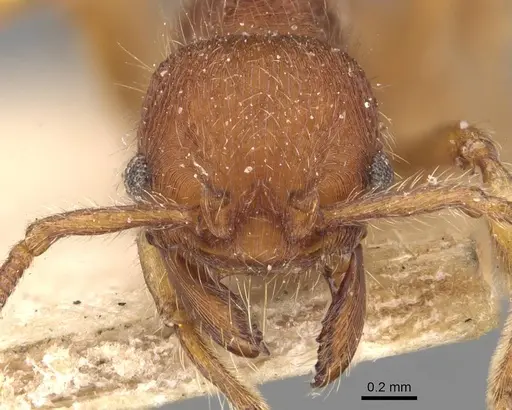
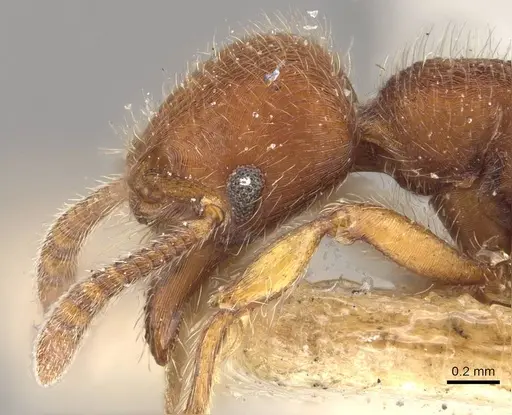
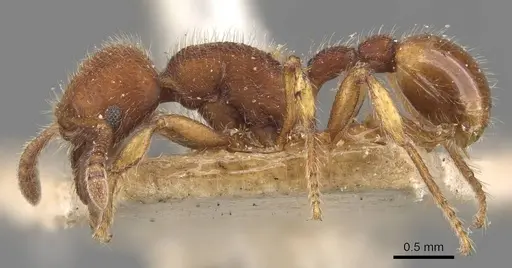
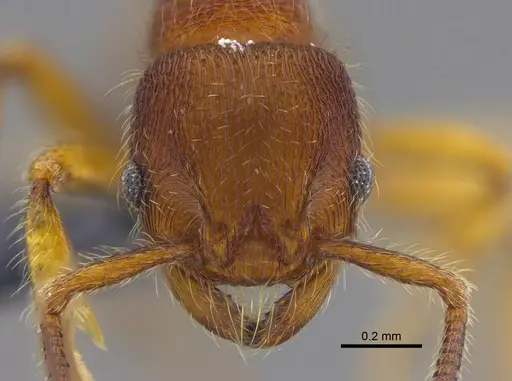
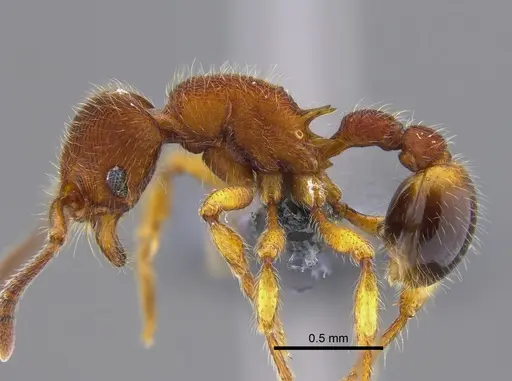
Hylomyrma columbica is a small myrmicine ant native to northern South America. Workers measure 4.50-4.86 mm with a shiny integument and distinctive striated sculpture, they have regular longitudinal striae on the head and long striae on the first abdominal segment. The eyes are drop-shaped. This species is only known from Colombia's La Guajira and Magdalena regions plus western Venezuela, where it lives in the Sierra Nevada de Santa Marta area [1]. Queens were only described in 2021,making this a relatively newly understood species in the antkeeping hobby [1].
What makes Hylomyrma columbica interesting is its leaf-litter dwelling lifestyle. These ants nest in fallen logs, rotten wood, or shallow soil cavities, and workers sometimes forage on vegetation, unusual behavior for a Myrmicinae ant. Their small size and shiny appearance make them an attractive species for keepers interested in less common tropical ants [1][2].
Quick Summary
- Difficulty: Medium
- Origin & Habitat: Native to northern Colombia and western Venezuela, specifically the Sierra Nevada de Santa Marta region in La Guajira and Magdalena departments. They live in tropical dry forest environments, nesting in leaf-litter, fallen logs, rotten wood, and shallow soil cavities [3][4][1][2].
- Colony Type: Colony structure is unconfirmed. No published data exists on whether they are monogyne (single queen) or polygyne (multiple queens). The genus Hylomyrma is poorly studied in captivity.
- Size & Growth:
- Queen: 5.12 mm [1], only recently described in 2021
- Worker: 4.50-4.86 mm [1]
- Colony: Unknown, no colony size data published
- Growth: Unknown, no development timing data available
- Development: Estimated 6-8 weeks based on typical Myrmicinae development at tropical temperatures (Development time is unconfirmed for this species. Estimate based on genus-level patterns for small Myrmicinae in tropical conditions.)
- Antkeeping:
- Temperature: Keep at 24-28°C. This species comes from tropical Colombia/Venezuela, so warmth is important. A gentle gradient with a heating cable on one side of the nest works well
- Humidity: High humidity is essential. They naturally live in leaf-litter and rotting wood environments, keep substrate consistently moist but not waterlogged. Provide a humid outworld area
- Diapause: No, being a tropical species from near the equator, they do not require hibernation or winter rest
- Nesting: They naturally nest in rotting wood, leaf-litter, and shallow soil cavities. In captivity, a naturalistic setup with rotten wood pieces or cork bark works well. Y-tong or plaster nests with high humidity also suit them. They prefer tight, humid chambers over dry spaces [1][2]
- Behavior: This is a shy, non-aggressive species. Workers are small and likely forage individually rather than in raiding parties. Their small size (under 5mm) means escape prevention is critical, they can squeeze through standard gaps. They may show unusual foraging behavior on low vegetation, as evidenced by specimens found in plant material in quarantine [1]. Not known to sting, their stinger is present but too small to penetrate human skin effectively.
- Common Issues: escape prevention is critical due to their tiny size, use fine mesh and tight-fitting lids, humidity management is challenging, too dry and colonies fail, too wet and mold becomes a problem, slow colony growth is typical for this genus, beginners may lose patience, no captive breeding data exists, wild-caught colonies may have high stress mortality, diet acceptance is unknown, may require live prey rather than pre-killed options
Nest Preferences and Housing
Hylomyrma columbica naturally nests in rotting wood, fallen logs, leaf-litter, and shallow soil cavities in tropical forests. In captivity, a naturalistic setup works best, provide pieces of rotting wood, cork bark, or a thick layer of humid leaf-litter material. The key is maintaining consistently high humidity while allowing some dry areas for the ants to regulate themselves. Y-tong (acrylic) nests with narrow chambers also work well, as do plaster nests that can hold moisture. Avoid dry setups, these ants will not thrive in arid conditions. Test tube setups can work for founding colonies if the cotton is kept moist, but transfer to a more naturalistic setup once the colony reaches 10-20 workers [1][2].
Feeding and Diet
The diet of Hyloryrma columbica is not directly studied, but being a Myrmicinae, they likely are omnivorous with a preference for protein. In the wild, they probably scavenge small insects and tend aphids for honeydew. For captive colonies, offer small live prey like fruit flies, pinhead crickets, or small mealworms. Sugar sources like diluted honey or sugar water may be accepted, but protein should form the bulk of their diet. Feed every 2-3 days for established colonies, removing uneaten prey after 24 hours. Since this species may forage on vegetation, they might accept food placed on low surfaces or plant material in the outworld
Temperature and Humidity Requirements
As a tropical species from Colombia and Venezuela, Hylomyrma columbica needs warm, humid conditions. Keep the nest area at 24-28°C, a heating cable on one side creates a temperature gradient that lets ants choose their comfort zone. Room temperature may be too cold if your home is below 24°C. Humidity is critical: maintain substrate moisture similar to a damp forest floor. The substrate should feel consistently moist but never waterlogged. Mist the outworld regularly and consider a water reservoir in your formicarium. Poor humidity is one of the most common causes of colony failure with this species. Adequate ventilation helps prevent mold while maintaining humidity
Behavior and Colony Dynamics
This is a shy, non-aggressive species that likely forages individually or in small groups rather than organizing large raids. Workers are small (under 5mm) and quick-moving. The genus name Hylomyrma means 'wood ant' in Greek, referring to their nesting preference. One unusual trait noted in research is that workers have been found foraging on vegetation, specimens were recovered from plant fibers in a quarantine station, suggesting they sometimes climb rather than just staying on the ground. They are not known to sting humans effectively. Colonies are likely small to moderate in size based on the worker measurements, but no published colony size data exists. Queen was only described in 2021,indicating this species has received very little research attention [1].
Acquiring and Establishing a Colony
Hylomyrma columbica is rarely available in the antkeeping hobby and may only be obtained through wild-caught queens during nuptial flights. The timing of nuptial flights is unknown, in their tropical habitat, they may fly year-round or during rainy seasons. If you find a founding queen, she should be housed in a small test tube setup with a water reservoir. The founding chamber should be humid but not wet. Since claustral vs semi-claustral founding is unconfirmed for this species, provide a small prey item after 1-2 weeks just in case she needs to forage. Once workers emerge (estimated 6-8 weeks), gradually introduce them to a larger setup. Wild-caught colonies may have high initial mortality due to stress, parasites, or unsuitable founding conditions, quarantine and careful observation are essential
Frequently Asked Questions
How long does it take for Hylomyrma columbica to produce first workers?
Exact timing is unknown, but based on typical Myrmicinae development in tropical conditions, expect 6-8 weeks from egg to first worker. This is an estimate since no published development data exists for this species.
What do Hylomyrma columbica ants eat?
They likely accept small live prey like fruit flies, pinhead crickets, and small mealworms. Sugar sources may be accepted, but protein should form the main diet. This is inferred from genus patterns since specific feeding data is unavailable.
Are Hylomyrma columbica good for beginners?
This species is not ideal for complete beginners due to high humidity requirements and limited available information. Intermediate antkeepers with experience maintaining humid tropical species will have better success.
What temperature should I keep Hylomyrma columbica at?
Keep nest areas at 24-28°C. Being from tropical Colombia and Venezuela, they need warm conditions. A heating cable on part of the nest creates a gradient they can regulate themselves.
How big do Hylomyrma columbica colonies get?
Colony size is unknown, no published data exists on maximum colony size. Based on worker size, colonies are likely small to moderate (probably under a few hundred workers).
Can I keep multiple Hylomyrma columbica queens together?
No data exists on colony structure for this species. Combining unrelated queens is not recommended without evidence they can form polygyne colonies.
Do Hylomyrma columbica need hibernation?
No, being a tropical species from near the equator, they do not require hibernation or winter rest. Keep them warm year-round.
What type of nest should I use for Hylomyrma columbica?
Naturalistic setups with rotting wood, cork bark, or humid leaf-litter material work best. Y-tong or plaster nests with good moisture retention also suit them. Avoid dry setups.
Why is my Hylomyrma columbica colony dying?
The most likely causes are low humidity (critical for this species), temperatures below 24°C, or stress from wild-caught origins. Ensure high humidity, adequate warmth, and minimal disturbance.
References

This caresheet is licensed under CC BY-SA 4.0 .
CASENT0907676
View on AntWeb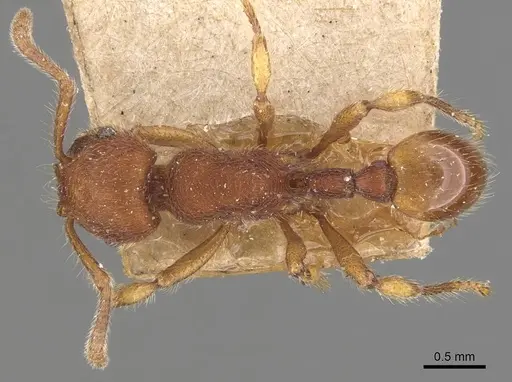
CBUMAGENT41872
View on AntWeb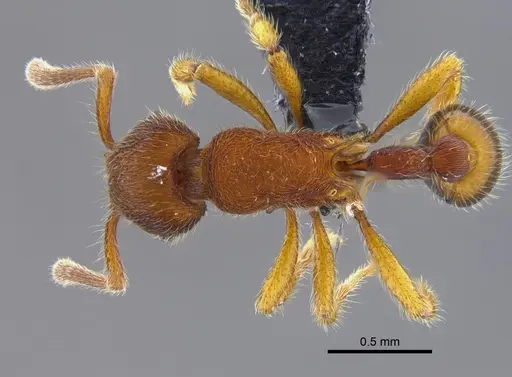
Literature
Loading...Loading products...