

Huberia brounii
- Scientific Name
- Huberia brounii
- Tribe
- Crematogastrini
- Subfamily
- Myrmicinae
- Author
- Forel, 1895
- Distribution
- Found in 1 countries
Huberia brounii Overview
Huberia brounii is an ant species of the genus Huberia. It is primarily documented in 1 countries , including New Zealand. Detailed taxonomic data and occurrence records can be further explored via authoritative databases such as AntWeb or the Global Biodiversity Information Facility (GBIF).
Huberia brounii
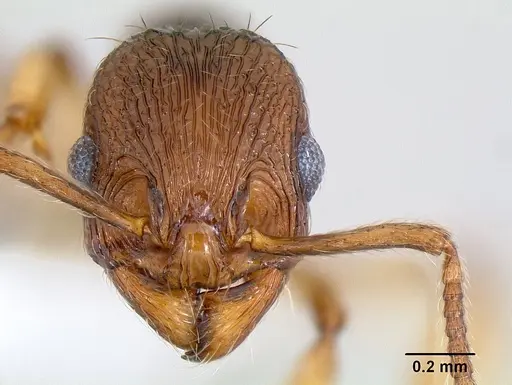
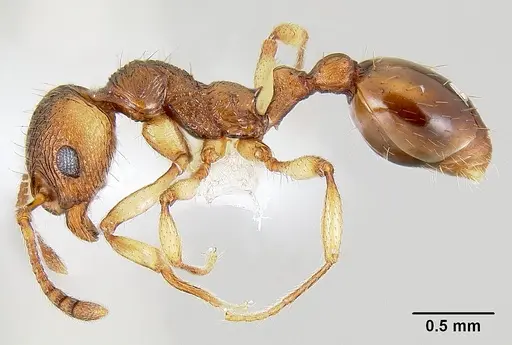
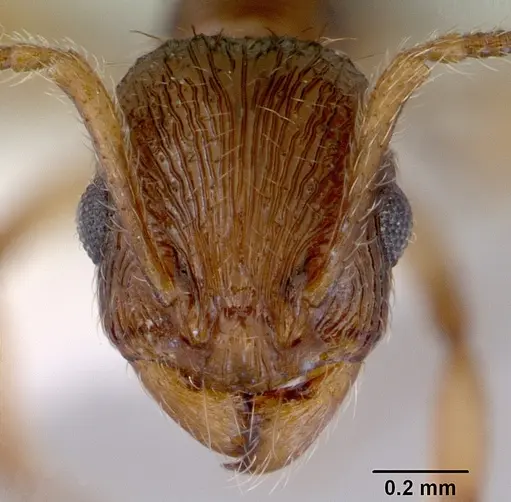
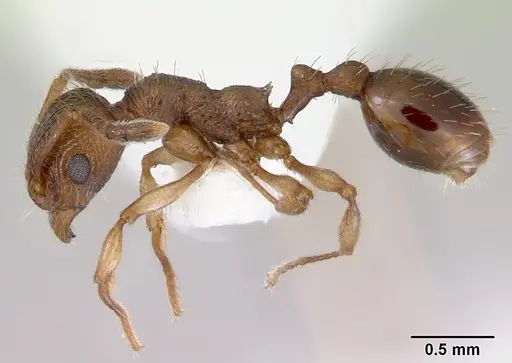
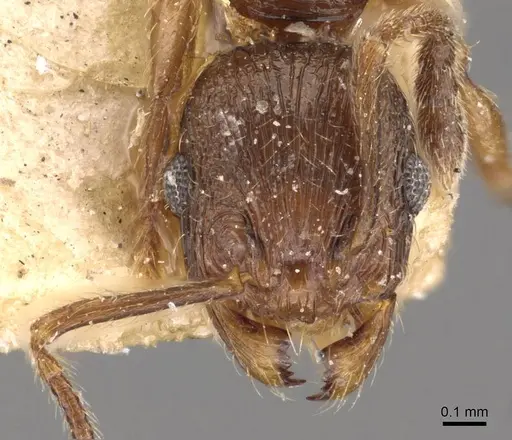
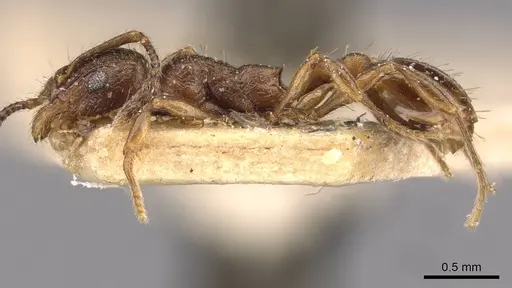
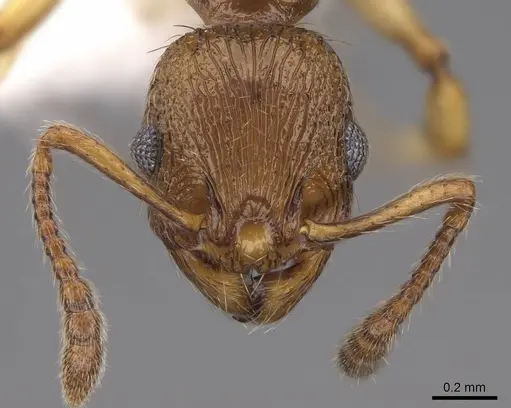
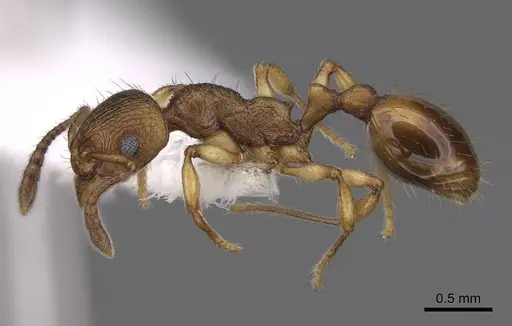
Huberia brounii is a tiny ant native to New Zealand, measuring just 3.2-3.5mm for workers. They have a rusty brown to dark brown body with noticeably lighter yellowish legs, antennae, and mandibles. The head and alitrunk have sharp longitudinal striations, while the gaster is mostly smooth and shiny. This species forms small colonies in the leaf litter of woodland areas, much like their northern hemisphere cousins in the genus Stenamma. They are considered a rare species in the wild, found in both the North and South Islands of New Zealand, including Nelson, Westland, and various parts of the North Island around Rotorua [1][2].
Quick Summary
- Difficulty: Medium
- Origin & Habitat: Endemic to New Zealand, found in both North and South Islands, particularly in Nelson, Westland, and areas around Rotorua. They nest in leaf litter of woodland areas [1][2].
- Colony Type: Small colonies with a single queen. Colonies are typically modest in size, similar to other litter-dwelling ants [1].
- Colony: Monogyne
- Founding: Claustral
- Size & Growth:
- Queen: Larger than workers, exact measurements not specified [1]
- Worker: 3.2-3.5mm [1]
- Colony: Small colonies, likely under 100 workers based on typical litter ant patterns [1]
- Growth: Moderate, estimated based on similar Myrmicinae species
- Development: 6-10 weeks estimated based on related Myrmicinae species (Development time is estimated as no specific study exists for this species. Temperature will significantly affect development speed.)
- Antkeeping:
- Temperature: Keep at room temperature, roughly 18-22°C. They are adapted to New Zealand's temperate climate and do not require heating. Avoid temperatures above 25°C.
- Humidity: Moderate humidity. Keep the nest substrate moist but not waterlogged, these ants live in leaf litter which stays damp but drains well. Provide a gradient so they can choose their preferred moisture level.
- Diapause: Yes, New Zealand has distinct seasons. Provide a winter rest period of 2-3 months at around 10-15°C during winter months.
- Nesting: Use a naturalistic setup with leaf litter material or a Y-tong/plaster nest with small chambers scaled to their tiny size. They prefer tight, enclosed spaces similar to their natural leaf-litter habitat.
- Behavior: These are peaceful, non-aggressive ants that forage in the leaf litter layer. Workers search for small arthropods and likely tend aphids for honeydew. Due to their very small size, escape prevention is important, they can squeeze through tiny gaps. They are not known to sting and pose no danger to keepers [1].
- Common Issues: very small size means escapes are likely without fine mesh barriers, rare in the wild so wild-caught colonies may be difficult to establish, slow growth can lead to keeper impatience and overfeeding, limited natural history data means some care aspects are estimates, damp conditions required but must avoid mold growth in the nest
Nest Preferences
In the wild, Huberia brounii nests in the leaf litter layer of New Zealand woodlands. They create small colonies in damp, shaded areas under fallen leaves and decaying wood. For captive care, a naturalistic setup works best, use a container filled with a mix of soil and leaf litter material to mimic their natural environment. Alternatively, a Y-tong (acrylic) nest with small, tight chambers scaled to their tiny 3-3.5mm worker size works well. The key is providing enclosed spaces they can patrol without feeling exposed. Avoid tall, open formicaria, these ants prefer the tight, humid conditions of the forest floor. [1]
Feeding and Diet
Based on their resemblance to Stenamma ants and their leaf-litter lifestyle, Huberia brounii are likely predators of small arthropods. They probably feed on springtails, mites, and other tiny soil creatures found in the litter layer. They may also tend aphids for honeydew. In captivity, offer small live prey like springtails, fruit flies, and tiny crickets. Sugar water or honey can be offered occasionally, though protein-rich prey should be the primary food source. Feed small amounts 2-3 times per week and remove uneaten prey to prevent mold. [1]
Temperature and Seasonal Care
Huberia brounii comes from New Zealand's temperate climate, so they do best at room temperature ranging from 18-22°C. They do not require additional heating and may struggle if temperatures exceed 25°C. During winter, provide a diapause period of 2-3 months at cooler temperatures around 10-15°C. This mimics New Zealand's winter conditions and helps the colony maintain natural rhythms. Reduce feeding during this period and keep the nest slightly cooler but not cold. In summer, ensure the colony is not overheated and maintain moderate humidity. [1]
Behavior and Temperament
These are gentle, non-aggressive ants that spend most of their time foraging in the leaf litter layer. Workers are small and relatively slow-moving compared to many Myrmicinae. They do not have a functional sting and pose no danger to keepers. Their small size means they can easily slip through small gaps, excellent escape prevention is essential. Use fine mesh on any openings and ensure all connections are sealed. Colonies are peaceful and workers will typically flee rather than engage in defensive behavior. [1]
Colony Establishment
Establishing Huberia brounii colonies can be challenging because they are rare in the wild. Only two individuals were caught in extensive pitfall trapping at Shona Reserve, making them one of the less common native ants in New Zealand [2]. If you obtain a queen, she will likely be claustral, sealing herself in a small chamber and raising the first workers on her own body reserves. The founding period may take several months. Be patient and resist the urge to disturb the founding chamber. Once workers emerge, growth is typically slow but steady.
Frequently Asked Questions
How long does it take for Huberia brounii to produce first workers?
Based on related Myrmicinae species, expect 6-10 weeks from egg to first worker at optimal temperature. The exact timeline is not scientifically documented for this species, so this is an estimate. Patience is key, small litter ant colonies develop slowly.
Can I keep Huberia brounii in a test tube?
Test tubes can work for founding colonies, but these tiny ants may prefer a more naturalistic setup with leaf litter material. If using test tubes, ensure the cotton is well-packed to prevent escapes and provide a water reservoir for humidity.
Do Huberia brounii ants sting?
No, these ants are not known to sting. They are small and peaceful, posing no danger to keepers. Their main defense is fleeing rather than aggression.
What do Huberia brounii eat?
They likely eat small arthropods like springtails and mites, similar to their Stenamma cousins. Offer live small prey as their primary food. They may occasionally accept sugar water or honey, but protein should be the main diet component.
Are Huberia brounii good for beginners?
This species is not ideal for complete beginners due to their small size, specific humidity needs, and the difficulty of obtaining them. However, antkeepers with some experience keeping small Myrmicinae species should find them manageable. Their peaceful nature makes them less stressful to care for.
Do Huberia brounii need hibernation?
Yes, they benefit from a winter rest period. New Zealand has distinct seasons, so provide 2-3 months at 10-15°C during winter. Reduce feeding and keep the nest slightly cooler but not cold.
How big do Huberia brounii colonies get?
Based on their leaf-litter lifestyle and rarity, colonies likely remain small, probably under 100 workers at maturity. They are not a fast-growing, large-colony species.
Why are my Huberia brounii dying?
Common causes include: escape through tiny gaps (use fine mesh), mold from overwatering or poor ventilation, temperatures too high (above 25°C), or stress from disturbance during founding. Also ensure prey is small enough for these tiny ants to tackle.
When should I move Huberia brounii to a formicarium?
Wait until the colony has at least 20-30 workers before moving. Test tube colonies can be maintained for quite some time. When moving, create a gradual transition and ensure the new setup matches their humidity preferences.
Can I keep multiple Huberia brounii queens together?
This is not recommended. While colony structure is not extensively studied, they appear to be monogyne (single queen) based on typical small colony patterns. Combining unrelated queens has not been documented and could result in fighting.
References

This caresheet is licensed under CC BY-SA 4.0 .
CASENT0106136
View on AntWeb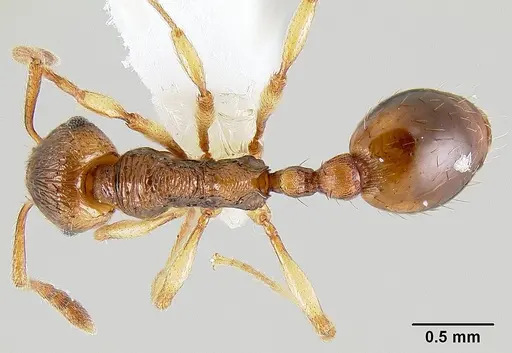
CASENT0172294
View on AntWeb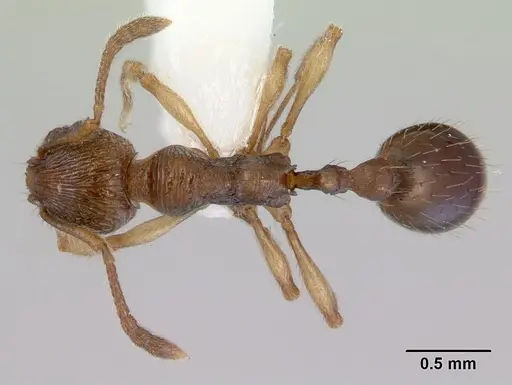
CASENT0908668
View on AntWeb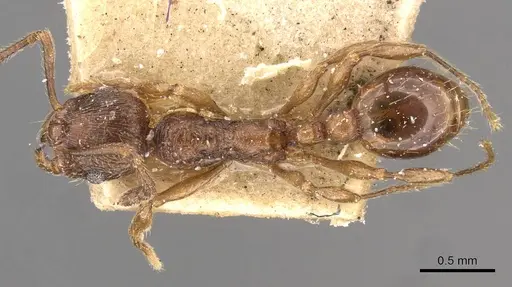
CASENT0923012
View on AntWeb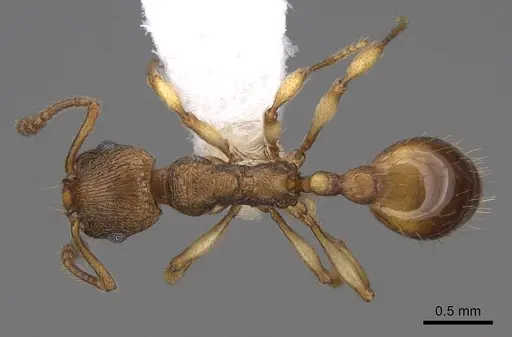
Literature
Loading...Loading products...