

Holcoponera porcata
- Scientific Name
- Holcoponera porcata
- Tribe
- Ectatommini
- Subfamily
- Ectatomminae
- Author
- Emery, 1896
- Distribution
- Found in 8 countries
Holcoponera porcata Overview
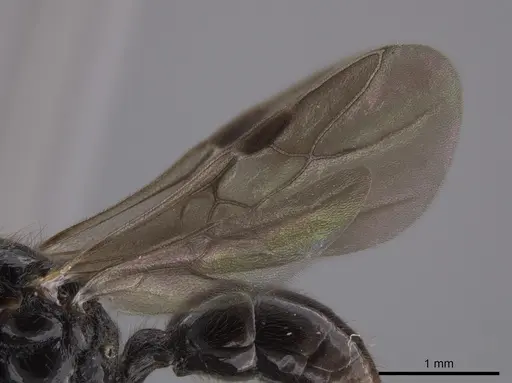
Holcoponera porcata is an ant species of the genus Holcoponera. It is primarily documented in 8 countries , including Colombia, Costa Rica, Ecuador. Detailed taxonomic data and occurrence records can be further explored via authoritative databases such as AntWeb or the Global Biodiversity Information Facility (GBIF).
Holcoponera porcata
Holcoponera porcata is a medium-sized predatory ant found across the Neotropics, from Mexico down to Brazil. Workers have a distinctive dark (piceous) body with rusty ferruginous legs and characteristic ridged (costate) sculpture on the head and mesosoma. They measure around 6-8mm and inhabit premontane to montane humid forests at elevations between 500-2000m, where they nest in decaying wood on the ground or occasionally in trees. This species is a generalist predator that feeds primarily on beetles (especially scolytids, bostrichids, and curculionids), other ants like Pheidole, and occasionally terrestrial isopods.
Quick Summary
- Difficulty: Medium
- Origin & Habitat: Neotropical humid forests from Mexico to Brazil, primarily in Andean regions at 500-2000m elevation. Found in Costa Rica, Guatemala, Honduras, Nicaragua, Colombia, Ecuador, French Guiana, Venezuela, Brazil, and Peru. Nests in decaying wood on the ground and occasionally in trees like Cecropia insignis [1][2][3].
- Colony Type: Colony structure is not well documented in scientific literature. Observed nesting in small groups in decaying wood, with occasional arboreal nesting. Likely monogyne (single queen) based on typical Ectatomminae patterns, but this is inferred rather than confirmed.
- Size & Growth:
- Queen: Approximately 7-9mm (estimated based on genus and worker size)
- Worker: 6-8mm [1][2]
- Colony: Unknown, no specific colony size data available
- Growth: Unknown, no development studies available
- Development: Unknown, no direct studies on development timeline (Based on related Ectatomminae species, expect 6-10 weeks at optimal temperature, but this is a rough estimate)
- Antkeeping:
- Temperature: Keep at 22-26°C. This species inhabits premontane to montane humid forests, so avoid extreme heat. A gentle gradient allowing cooler areas around 20-22°C is recommended [1][2].
- Humidity: High humidity is essential, these ants come from humid forest environments. Keep nest substrate consistently moist but not waterlogged. Provide a water source and mist occasionally, targeting 60-80% relative humidity in the outworld.
- Diapause: Unknown for this species. As a Neotropical ant from higher elevations (500-2000m), they likely experience seasonal variation but specific diapause requirements are unconfirmed. Consider a slight cooling period (18-20°C) during winter months if colony shows reduced activity.
- Nesting: Provide decaying wood or a naturalistic setup with wood pieces. In captivity, a Y-tong or plaster nest with moisture retention works well. They prefer tight, humid chambers. Avoid completely dry conditions. Test tubes can work for founding colonies if kept humid.
- Behavior: Generalist predators that actively hunt prey. They are moderately aggressive and will subdue prey much larger than themselves. Workers are moderately active foragers that search the substrate and low vegetation. They have a functional sting (Ectatomminae generally possess stings), though the pain level for humans is not well documented. Escape prevention should be moderate, they are not tiny ants but can squeeze through small gaps. Use standard barrier methods like fluon on test tube rims.
- Common Issues: high humidity requirements can lead to mold if ventilation is poor, balance is critical, lack of documented captive breeding success means founding colonies may be challenging, predatory nature requires constant protein source, colony may fail without adequate live prey, wild-caught colonies may have parasites that are difficult to treat in captivity, specific temperature needs are unclear, start in mid-range and observe colony behavior
Natural History and Distribution
Holcoponera porcata is a Neotropical species found from Mexico through Central America and into South America as far as Brazil. They inhabit premontane to montane humid forests in the Andean cordilleras, with a strong preference for elevations between 500-2000m. They are often found near water courses. The species was originally described from Costa Rica in 1896 and has since been recorded across multiple countries including Guatemala, Honduras, Nicaragua, Colombia, Ecuador, French Guiana, Venezuela, Peru, and Brazil. In Colombia specifically, they have been recorded in departments including Valle del Cauca, Antioquia, Caquetá, Chocó, Cundinamarca, Guajira, Guaviare, Huila, Nariño, Norte de Santander, and Santander [1][2][3][4].
Nesting Behavior
In the wild, H. porcata nests in decaying wood on the ground. J. Longino documented an incipient nest in Cecropia insignis (a tropical tree), indicating they can also be arboreal. They have been found at various altitudes from 550m up to 2100m. One interesting behavioral note from Venezuela (Táchira population) is that their brood chambers are often irregularly 'wall-papered' with the remains of pupal cocoons. For captive care, provide a naturalistic setup with decaying wood pieces or a moisture-retaining nest like Y-tong or plaster. They prefer tight, humid chambers that mimic their natural nesting in rotting wood. [1][2]
Feeding and Diet
This species is a generalist predator. Field observations reveal their diet consists primarily of beetles, particularly scolytids (bark beetles), bostrichids (powder-post beetles), and curculionids (weevils). They also prey on other ants, specifically Pheidole, and occasionally on terrestrial isopods. Parasitic wasps have also been documented in their diet. In captivity, offer a varied diet including small live insects (fruit flies, pinhead crickets, mealworms), and they may accept protein-based foods. As predatory ants, they need constant access to protein. Sugar sources may be accepted but should not be the primary food. Feed protein 2-3 times per week and provide a constant sugar water source. [1][2]
Identification and Morphology
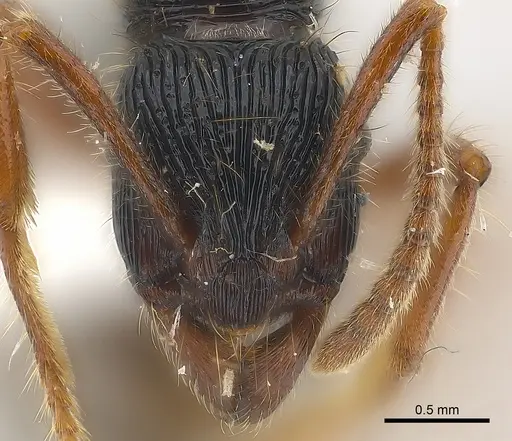
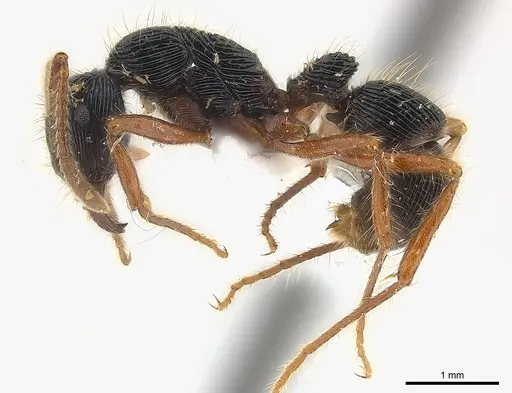
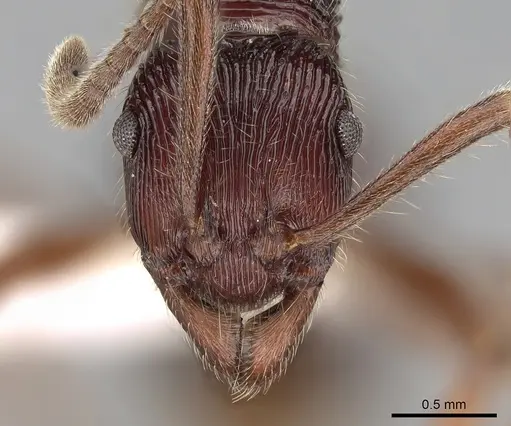
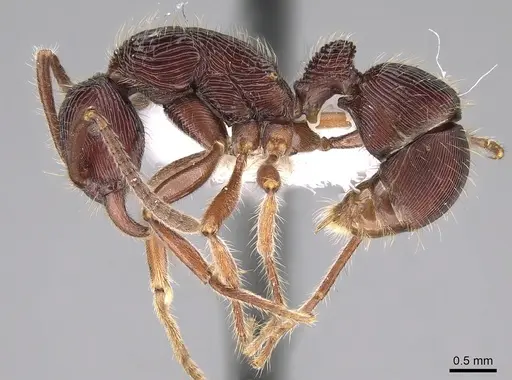
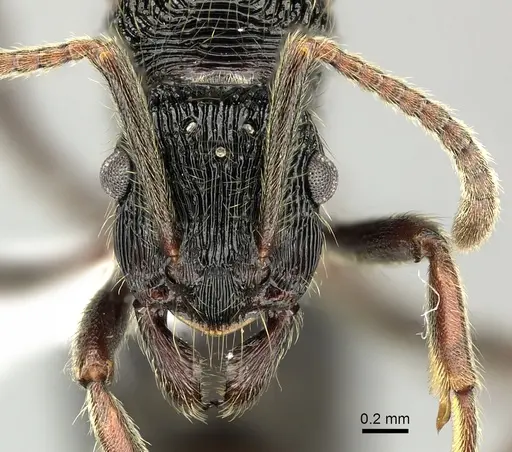
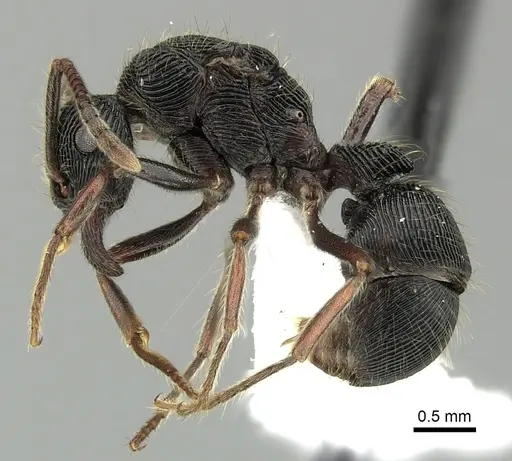
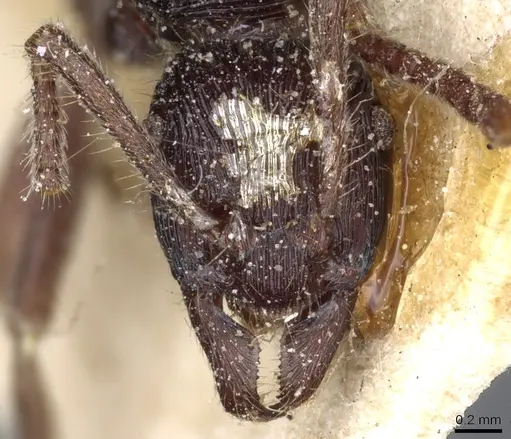
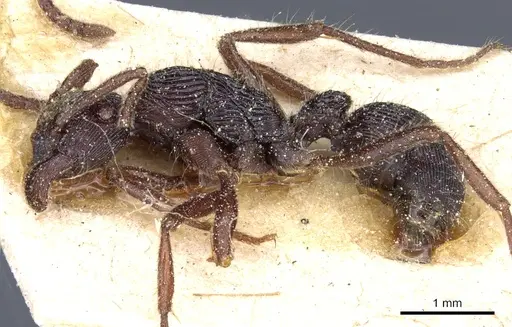
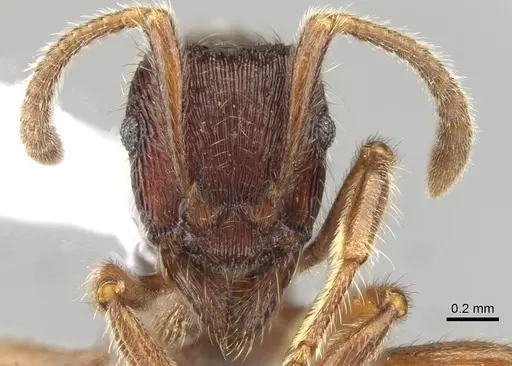
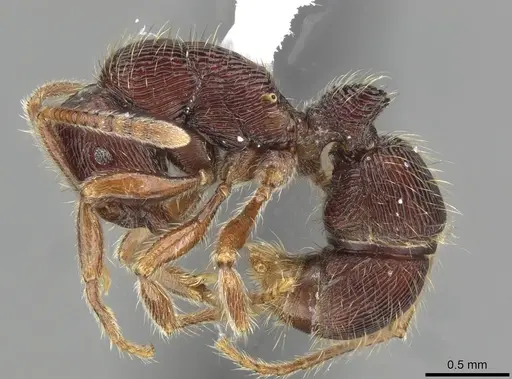
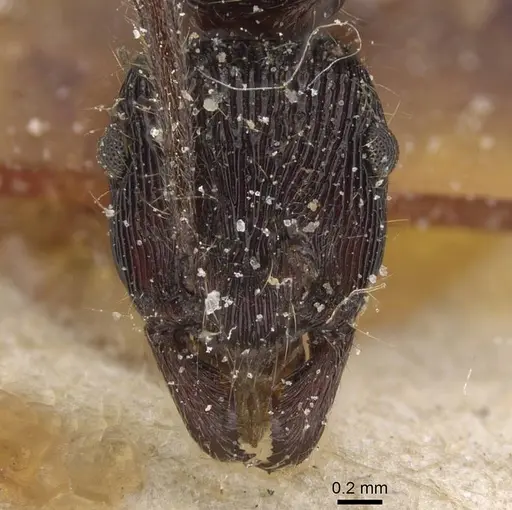
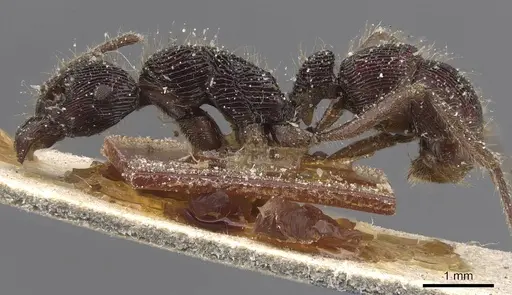
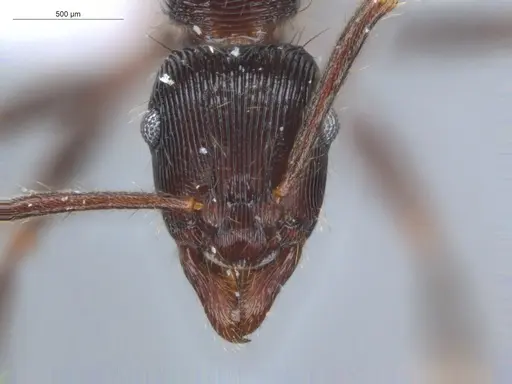
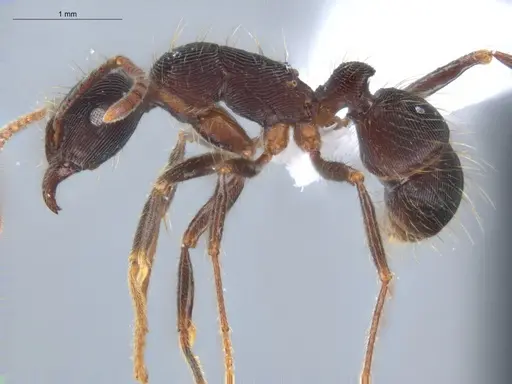
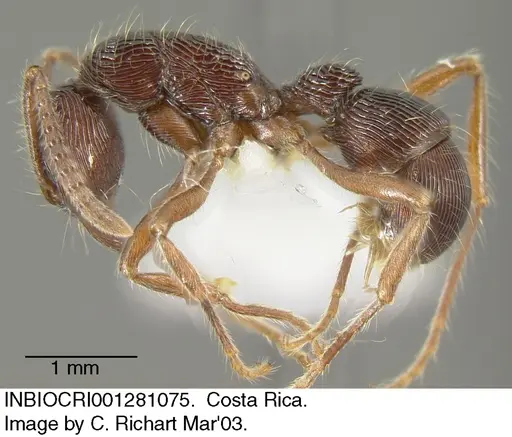
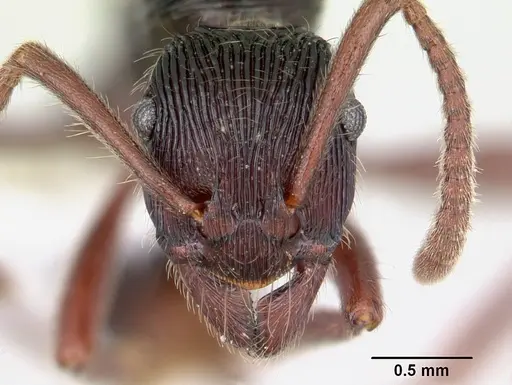
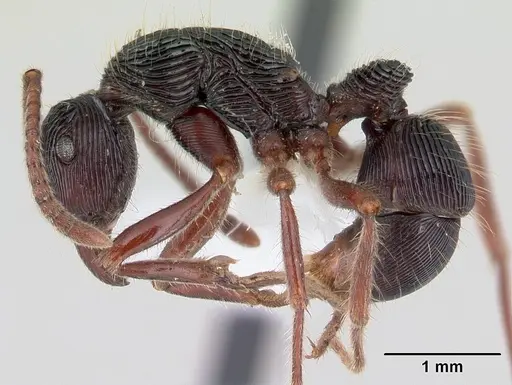
Holcoponera porcata workers are medium-sized ants measuring 6-8mm. They have a distinctive dark (piceous) body with contrasting rusty (ferruginous) legs. The species is characterized by costate (ridged) sculpture, with median longitudinal costae on the pronotum that are inscribed anteriorly by transverse costae. The posterodorsal mesosomal sculpture is variable, it can show concentric ovaloids with either longitudinal or transverse orientation, or have longitudinal costae inscribed within concentric patterns. The head typically has a single (occasionally more than three) transverse costulae next to the vertexal carina. These identification features place them in the porcata subgroup of the striatula species group within the genus. [1][2]
Temperature and Humidity Care
As a species from premontane to montane humid forests at 500-2000m elevation, H. porcata prefers moderate temperatures and high humidity. Keep the nest at 22-26°C, avoiding both extreme heat and cold. A temperature gradient allowing workers to choose their preferred zone is ideal. They need high humidity, the nest substrate should remain consistently moist but not waterlogged. In the outworld, target 60-80% relative humidity. Provide a water tube or mist regularly. Good ventilation is important to prevent mold while maintaining humidity. Avoid placing the nest in direct sunlight or near heating elements that could dry them out. [1][2]
Challenges in Captive Care
Holcoponera porcata is not a common species in the antkeeping hobby, and there is limited captive breeding success information available. The main challenges include: high humidity requirements that can lead to mold if ventilation is poor, the need for constant protein-rich live prey due to their predatory nature, and the lack of documented care protocols. Wild-caught colonies may carry parasites that can be difficult to treat. Temperature needs are not precisely documented, so observe colony behavior and adjust accordingly. Starting in the mid-range (22-26°C) and providing a gradient allows the ants to self-regulate. This species is best suited for intermediate to experienced antkeepers who can maintain high humidity and provide regular live prey.
Frequently Asked Questions
How long does it take for Holcoponera porcata to produce first workers?
The exact egg-to-worker timeline is unknown as this species has not been studied in captivity. Based on related Ectatomminae species, expect approximately 6-10 weeks at optimal temperature (around 24°C), but this is a rough estimate.
What do Holcoponera porcata ants eat?
They are generalist predators that primarily eat beetles (especially scolytids, bostrichids, and curculionids), other ants like Pheidole, and occasionally terrestrial isopods. In captivity, feed small live insects like fruit flies, pinhead crickets, and mealworms. They may accept sugar water but protein should be the main food source.
Do Holcoponera porcata ants sting?
Yes, as members of the subfamily Ectatomminae, they possess a functional sting. The exact pain level for humans is not well documented, but it is likely similar to other Ectatomminae like Gnamptogenys species, generally moderate and not dangerous to healthy humans.
What temperature and humidity do they need?
Keep them at 22-26°C with high humidity (60-80%). They come from humid montane forests, so the nest substrate should stay consistently moist. Provide a water source and balance humidity with adequate ventilation to prevent mold.
Are Holcoponera porcata good for beginners?
This species is not recommended for complete beginners. They have specific humidity requirements, need constant live prey, and there is limited captive breeding information available. Some antkeeping experience is helpful. Intermediate keepers with experience in maintaining high-humidity setups will have better success.
How big do Holcoponera porcata colonies get?
The maximum colony size is unknown, there is no scientific data on colony size for this species. Based on related Ectatomminae, colonies are likely moderate (dozens to low hundreds of workers) rather than massive.
Can I keep multiple queens together?
The colony structure (monogyne vs polygyne) is not documented for this species. Combining unrelated queens is not recommended due to lack of information. Based on typical Ectatomminae patterns, they likely form single-queen colonies.
What type of nest should I use?
A naturalistic setup with decaying wood pieces works best to mimic their natural nesting in rotting wood. A Y-tong or plaster nest with good moisture retention is also suitable. They prefer tight, humid chambers. Test tubes can work for founding colonies if kept in a humid setup.
Do they need hibernation?
Diapause requirements are unconfirmed for this species. As a Neotropical ant from higher elevations (500-2000m), they may experience seasonal temperature variations. If your colony shows reduced activity in winter, a slight cooling period to 18-20°C may be beneficial, but this is not well documented.
Where is Holcoponera porcata found?
They range from Mexico to Brazil, through Central America (Costa Rica, Guatemala, Honduras, Nicaragua), and across northern South America (Colombia, Ecuador, French Guiana, Venezuela, Peru, Brazil). They inhabit premontane to montane humid forests at 500-2000m elevation.
References

This caresheet is licensed under CC BY-SA 4.0 .
CASENT0179990
View on AntWeb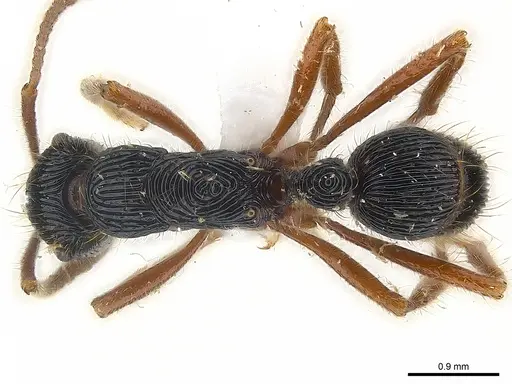
CASENT0281222
View on AntWeb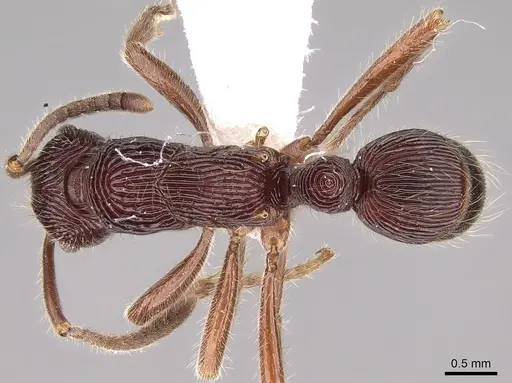
CASENT0616274
View on AntWeb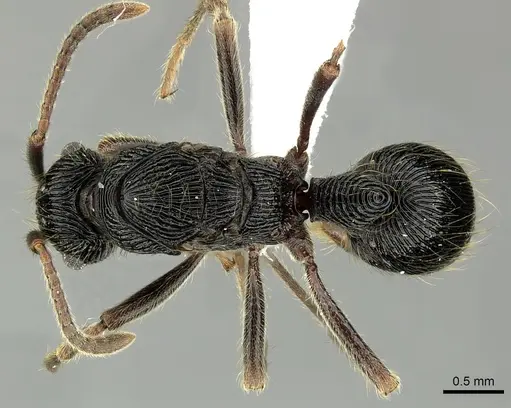
CASENT0648480
View on AntWeb
CASENT0903836
View on AntWeb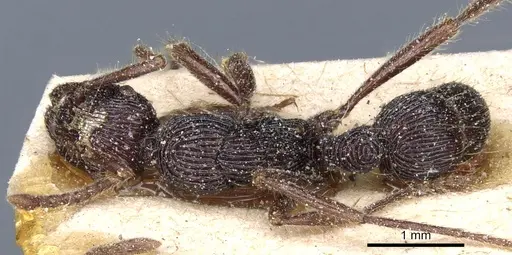
CASENT0911185
View on AntWeb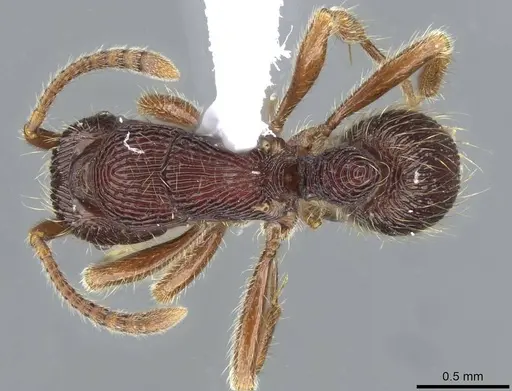
CASENT0915116
View on AntWeb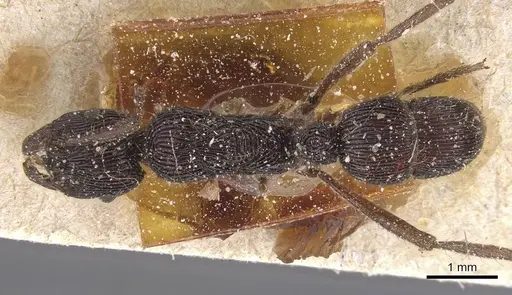
ECOFOG-GAL18-0116-14
View on AntWeb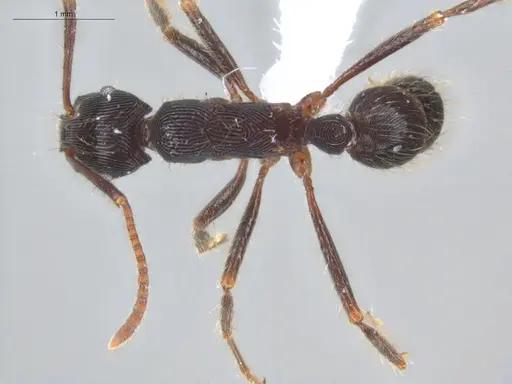
INBIOCRI001281075
View on AntWeb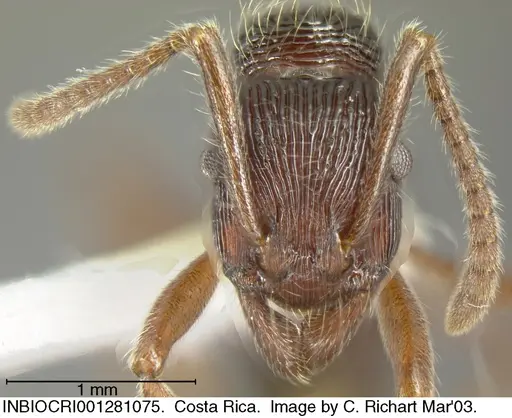
JTLC000004483
View on AntWeb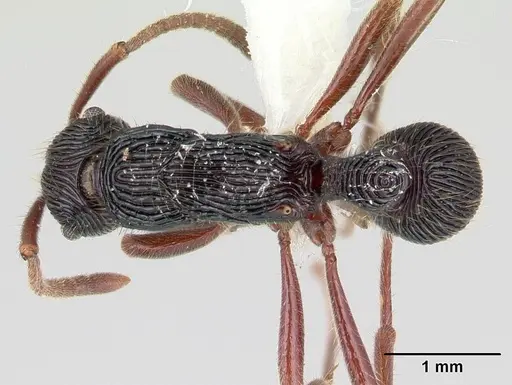
Literature
Loading...Loading products...