

Holcoponera pittieri
- Scientific Name
- Holcoponera pittieri
- Tribe
- Ectatommini
- Subfamily
- Ectatomminae
- Author
- Lattke, 1990
- Distribution
- Found in 1 countries
Holcoponera pittieri Overview
Holcoponera pittieri is an ant species of the genus Holcoponera. It is primarily documented in 1 countries , including Ecuador. Detailed taxonomic data and occurrence records can be further explored via authoritative databases such as AntWeb or the Global Biodiversity Information Facility (GBIF).
Holcoponera pittieri
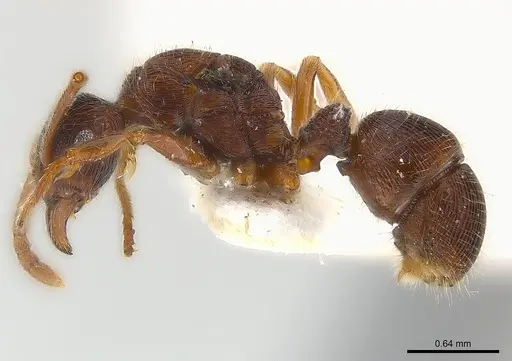
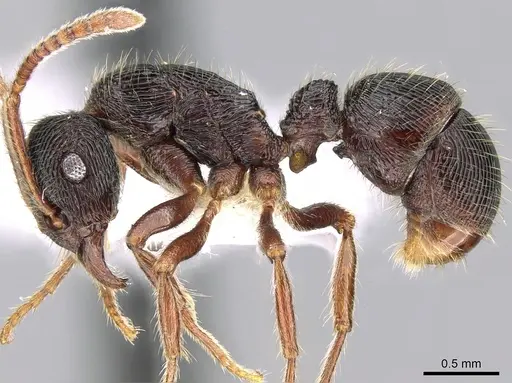
Holcoponera pittieri is a medium-sized predatory ant species native to north central Venezuela [1]. Workers have distinctive morphological features including a postpetiolar sternite with weakly-defined rugulae and a propodeum that is depressed below the mesonotum level in side view, with a clear ridge separating the dorsal and declivitous faces [1]. This species has been reclassified and is now known taxonomically as Holcoponera pittieri. As a Gnamptogenys species, these ants are predatory hunters that stalk and capture prey in their forest floor habitat.
Quick Summary
- Difficulty: Expert
- Origin & Habitat: North central Venezuela, tropical forest environment
- Colony Type: Likely single-queen colonies based on typical Gnamptogenys patterns
- Colony: Monogyne
- Founding: Claustral
- Size & Growth:
- Queen: Estimated 10-12mm based on genus Gnamptogenys patterns
- Worker: Estimated 6-9mm based on genus Gnamptogenys patterns
- Colony: Likely 100-500 workers based on genus patterns
- Growth: Moderate
- Development: Estimated 6-10 weeks based on related Ponerinae species at tropical temperatures (Development time inferred from genus-level data, specific timeline unconfirmed for this species)
- Antkeeping:
- Temperature: Keep at 24-28°C, they are a tropical species requiring warm, stable conditions
- Humidity: High humidity (70-85%), forest floor ants needing moist substrate
- Diapause: No, being tropical, they do not require hibernation
- Nesting: Prefer humid nests with fine substrate. Y-tong or plaster nests work well. They need tight chambers and good moisture retention
- Behavior: Predatory ants that hunt live prey. They are generally non-aggressive toward keepers but will defend the colony. Workers are medium-sized and relatively slow-moving. Escape risk is moderate, standard barriers should suffice but ensure lids are secure.
- Common Issues: Limited species-specific care information makes proper husbandry challenging, Predatory diet requires live prey, cannot survive on just sugar water, High humidity needs can lead to mold if ventilation is poor, Tropical species may struggle in cooler room temperatures, Slow colony growth can frustrate keepers expecting rapid development
Species Taxonomy and Identification
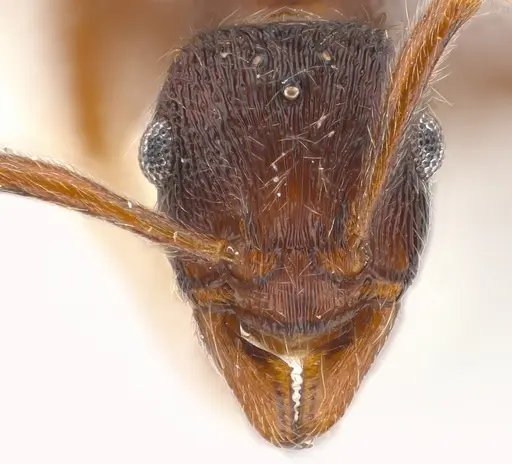
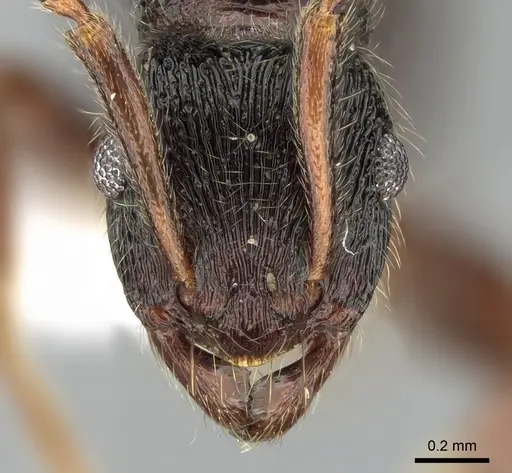
Holcoponera pittieri was originally described in the genus Holcoponera but has been reclassified to Holcoponera pittieri [1]. The species can be identified by several key morphological features: the postpetiolar sternite has weakly-defined rugulae (small ridges), the propodeal dorsum is depressed below the level of the mesonotum when viewed from the side, and there is a distinct ridge separating the dorsal and declivitous propodeal faces [1]. These are medium-sized ants with the typical robust build of predatory ponerine ants.
Natural History and Habitat
This species is found only in north central Venezuela, where it inhabits the tropical forest floor environment. Gnamptogenys species are typically predators that hunt small arthropods and other invertebrates. They build their nests in moist soil or under debris on the forest floor, taking advantage of the humid microclimates found in these areas. The Venezuelan habitat suggests they are adapted to warm, humid conditions with consistent temperatures year-round. [1]
Housing and Nesting
For keeping Holcoponera pittieri, you will need a setup that maintains high humidity while providing adequate ventilation. Y-tong (acrylic) nests or plaster nests work well because they hold moisture effectively. The nest chambers should be appropriately sized for medium-sized ants, not too large, as these ants prefer snug spaces. The outworld should include a water reservoir to help maintain humidity. Ensure all connections and lids are secure, as workers can squeeze through small gaps.
Feeding and Diet
As predatory ants, Holcoponera pittieri requires a protein-rich diet of live prey. Offer small live insects such as fruit flies, small crickets, mealworms, or other appropriately-sized arthropods. They are likely to accept dead prey as well if moved by workers, but live prey triggers their natural hunting instincts. Sugar sources may be accepted occasionally, but protein should form the primary diet. Feed every 2-3 days, adjusting based on colony consumption.
Temperature and Humidity Requirements
Being a tropical species from Venezuela, Holcoponera pittieri requires warm temperatures between 24-28°C. Use a heating cable or mat on one side of the nest to maintain this range if your room temperature is lower. Humidity should be kept high at 70-85%. The substrate should remain consistently moist but never waterlogged. Monitor condensation levels in the nest, some condensation is normal and indicates good humidity, but excessive moisture can lead to mold problems.
Colony Development
Based on typical Gnamptogenys patterns, the queen likely seals herself in a claustral chamber and raises the first workers alone without foraging. The founding process probably takes 6-10 weeks to produce nanitic (first) workers at optimal temperatures. Colony growth is typically moderate, you should not expect rapid expansion. Once established, colonies may grow to several hundred workers over time. Be patient with founding colonies as they develop slowly.
Frequently Asked Questions
How long does it take for Holcoponera pittieri to produce first workers?
Based on typical Gnamptogenys patterns, expect 6-10 weeks from egg to first worker at optimal tropical temperatures (24-28°C). This is an estimate as specific development data for this species is unconfirmed.
What do Holcoponera pittieri ants eat?
They are predatory ants that require live protein. Feed small live insects like fruit flies, pinhead crickets, or mealworms. They may accept dead prey that is moved to them, but live prey is best for triggering hunting behavior.
Do Holcoponera pittieri ants need hibernation?
No, as a tropical species from Venezuela, they do not require hibernation. Keep them at warm temperatures (24-28°C) year-round.
What temperature is ideal for Holcoponera pittieri?
Keep them at 24-28°C. Use a heating cable if your room temperature is below this range. Tropical ants are sensitive to cool temperatures.
Are Holcoponera pittieri good for beginners?
No, this species is rated Expert difficulty due to limited species-specific care information, specific dietary requirements (live prey), and high humidity needs. They are not recommended for beginners.
How big do Holcoponera pittieri colonies get?
Based on typical Gnamptogenys patterns, colonies likely reach 100-500 workers. Specific colony size data for this species is unconfirmed.
Do Holcoponera pittieri ants sting?
As a Gnamptogenys (formerly Holcoponera) species, they likely have a functional stinger for defense. However, being medium-sized ants, any sting is likely mild compared to larger species.
Can I keep multiple Holcoponera pittieri queens together?
This is not recommended. Based on typical Gnamptogenys patterns, they are likely single-queen (monogyne) species. Combining unrelated queens has not been documented for this species and could result in fighting.
What humidity level do Holcoponera pittieri need?
High humidity of 70-85% is required. Keep the nest substrate consistently moist but not waterlogged. This mimics their forest floor habitat in Venezuela.
When should I move Holcoponera pittieri to a formicarium?
Wait until the colony has at least 20-30 workers before moving to a formicarium. Test tube colonies can be moved once the colony outgrows the tube or when the water reservoir is depleted. Ensure the new nest matches their humidity requirements.
References

This caresheet is licensed under CC BY-SA 4.0 .
CASENT0179991
View on AntWeb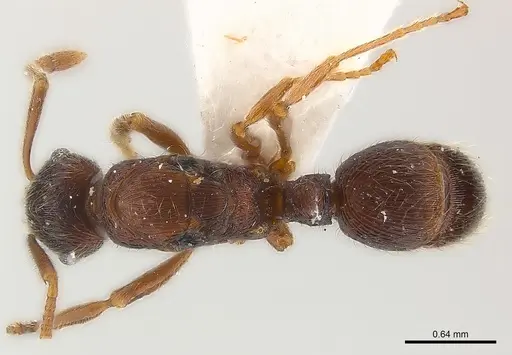
CASENT0281218
View on AntWeb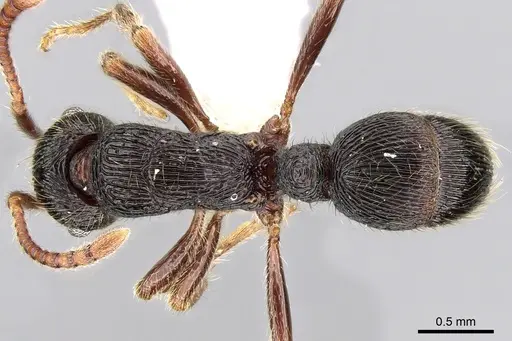
Literature
Loading...Loading products...