

Holcoponera malaensis
- Scientific Name
- Holcoponera malaensis
- Tribe
- Ectatommini
- Subfamily
- Ectatomminae
- Author
- Mann, 1919
- Distribution
- Found in 1 countries
Holcoponera malaensis Overview
Holcoponera malaensis is an ant species of the genus Holcoponera. It is primarily documented in 1 countries , including Solomon Islands. Detailed taxonomic data and occurrence records can be further explored via authoritative databases such as AntWeb or the Global Biodiversity Information Facility (GBIF).
Holcoponera malaensis
Holcoponera malaensis is a small predatory ant native to the Solomon Islands, specifically found on Malaita, Makira, and Guadalcanal islands. Workers measure approximately 0.68-0.71mm in head length with a brown body and reddish-brown mandibles, antennae, and legs. This species belongs to the epinotalis group and is the only member of this group known from the Solomon Islands. The most notable trait is the ergatoid queen, a true queen but born completely wingless, which serves as a replacement reproductive if the primary queen dies. They nest in natural habitats under bark of dead trees and within sifted leaf litter of primary rainforest [1][2].
Quick Summary
- Difficulty: Medium
- Origin & Habitat: Solomon Islands (Malaita, Makira, Guadalcanal), tropical rainforest environment. Found beneath bark of dead trees and in sifted litter from primary rainforest [1][2].
- Colony Type: Colonies appear to have ergatoid (wingless) queens that can serve as replacement reproductives. Colony structure is not fully documented but ergatoid presence suggests potential for queen replacement within established colonies.
- Size & Growth:
- Queen: 0.75mm head length (ergatoid)
- Worker: 0.68-0.71mm head length
- Colony: Unknown, no colony size data available
- Growth: Unknown, no development timing data available
- Development: Unknown, no direct development data for this species. Based on typical Ponerinae patterns, expect 6-10 weeks at tropical temperatures. (Development timeline has not been directly studied. Related Ponerinae species suggest several months from egg to worker.)
- Antkeeping:
- Temperature: Keep at 24-28°C. As a tropical species from the Solomon Islands, they need warm conditions. A heating cable on one side of the nest creates an appropriate gradient.
- Humidity: High humidity required, they naturally live in rainforest litter and under bark. Keep the nest substrate consistently moist but not waterlogged. Provide a water tube for drinking water.
- Diapause: No, as a tropical species from near the equator, they do not require hibernation. Maintain consistent warm temperatures year-round.
- Nesting: They naturally nest under bark and in leaf litter. In captivity, a naturalistic setup with moist substrate (like a terrarium-style formicarium) works well. They prefer tight, enclosed spaces. Y-tong nests with small chambers can also work, but ensure humidity is maintained.
- Behavior: Ponerine ants are predatory and will hunt small invertebrates. They have a sting, though at their small size it may not penetrate human skin significantly. Workers are active foragers that search for prey. They are not escape artists due to their small but not tiny size, standard escape prevention measures should suffice. Colonies may be defensive when threatened.
- Common Issues: high humidity management, too wet causes mold, too dry kills the colony, temperature stability, tropical species need consistent warmth, feeding small live prey, as predators they need appropriately-sized invertebrate prey, small colony size means slower growth and less buffer against mistakes, ergatoid queen replacement means founding new colonies may be challenging
Housing and Nest Setup
Holcoponera malaensis requires a setup that maintains high humidity while providing secure nesting sites. In the wild, they live under bark and in forest floor litter, so a naturalistic terrarium-style formicarium with moist substrate works well. You can use a mix of soil and organic material to replicate their natural leaf litter environment. Alternatively, a Y-tong nest with small, tight chambers can work if you maintain humidity through a water tube or moisture reservoir. The key is providing consistently damp substrate without flooding. A water tube should always be available for drinking water. [1][2]
Feeding and Diet
As a Ponerinae ant, Holcoponera malaensis is predatory and hunts small invertebrates. In captivity, offer small live prey such as fruit flies, pinhead crickets, small mealworms, and other appropriately-sized insects. They likely accept protein-rich foods readily. Since they are small ants, prey items should be tiny, think springtails, small mites, and similar micro-arthropods. Unlike some ants, they are unlikely to accept sugar water as a primary food source, though they may drink it occasionally. Feed them every 2-3 days, removing uneaten prey after 24 hours to prevent mold.
Temperature and Humidity Management
This is a tropical species from the Solomon Islands, so warm and humid conditions are essential. Keep temperatures in the range of 24-28°C. You can use a heating cable placed on one side of the nest to create a temperature gradient, but avoid direct heat on the nest material as it can dry them out. For humidity, aim for 70-85% relative humidity within the nest. The substrate should feel consistently moist to the touch. Mist the setup occasionally, but rely on substrate moisture rather than misting schedules. A water tube provides both drinking water and helps maintain humidity through evaporation. [1]
Colony Structure and Reproduction
The most unusual trait of Holcoponera malaensis is the ergatoid queen, a true queen that is born completely wingless. This is different from typical ants where new queens grow wings and fly to establish new colonies. Ergatoid queens serve as replacement reproductives within the colony, allowing the colony to survive if the primary queen dies. Males have never been documented for this species. This means colony establishment in captivity may be challenging since you cannot rely on typical nuptial flight collection. If you obtain a colony, it likely already has an established queen. [1][2]
Behavior and Temperament
Ponerine ants like Holcoponera malaensis are predatory and have a sting for subduing prey. They are active foragers that search the substrate for small invertebrates. When threatened, they may use their sting defensively, though at their small size the sting may not penetrate human skin significantly. They are not particularly aggressive toward humans but will defend their nest. Workers move relatively slowly compared to some faster ant species. They are not known as escape artists, but standard barrier methods like fluon on the rim of the outworld should prevent escapes.
Frequently Asked Questions
How long does it take for Holcoponera malaensis to produce first workers?
The exact development timeline is unknown for this species. Based on typical Ponerinae development patterns, expect 6-10 weeks from egg to worker at optimal tropical temperatures (24-28°C). However, this is an estimate since no specific development data exists for Holcoponera malaensis.
What do Holcoponera malaensis ants eat?
They are predatory ants that hunt small invertebrates. Feed them small live prey like fruit flies, pinhead crickets, small mealworms, springtails, and other tiny arthropods. Remove uneaten prey after 24 hours to prevent mold issues.
Do Holcoponera malaensis ants sting?
Yes, as a Ponerinae ant they have a sting. However, at their small size (workers around 0.7mm), the sting typically cannot penetrate human skin effectively. Some people may feel a mild sensation, but significant pain is unlikely.
Can I keep Holcoponera malaensis in a test tube?
Test tubes can work for founding colonies, but you must maintain high humidity. Place the test tube in a humid setup like a plastic container with moist substrate. A naturalistic terrarium-style setup is often better for this species since they naturally live in leaf litter and require high humidity.
Do Holcoponera malaensis need hibernation?
No. They are tropical ants from the Solomon Islands near the equator. They do not require hibernation or winter cooling. Keep them at consistent warm temperatures (24-28°C) year-round.
How big do Holcoponera malaensis colonies get?
Colony size data is not available for this species. Based on their small worker size and the ergatoid queen system, colonies are likely moderate in size, possibly reaching a few hundred workers at most. Growth is expected to be slow.
Are Holcoponera malaensis good for beginners?
This species is rated as Medium difficulty. They require specific humidity and temperature conditions that may be challenging to maintain consistently. Their unknown development timeline and potential difficulty in establishing new colonies add to the challenge. Beginners may want to start with more documented species.
What makes Holcoponera malaensis special?
The ergatoid queen is the most unique trait, a true queen born without wings that serves as a replacement reproductive. They are also the only species of the epinotalis group found in the Solomon Islands. Their small size and preference for rainforest leaf litter make them an interesting species for antkeepers interested in Ponerine ants.
When should I move Holcoponera malaensis to a formicarium?
Move them when the colony reaches around 20-30 workers and the test tube space becomes cramped. They do well in naturalistic setups that maintain humidity. Ensure any formicarium has moist substrate and escape prevention, as they will explore beyond the nest area.
References

This caresheet is licensed under CC BY-SA 4.0 .
CASENT0219880
View on AntWeb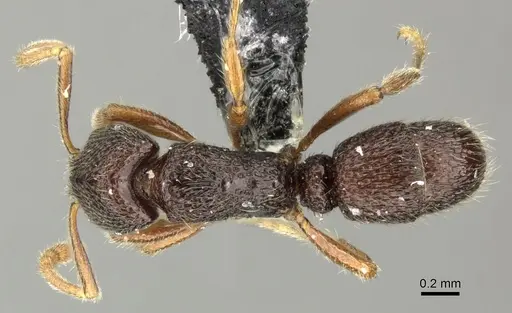
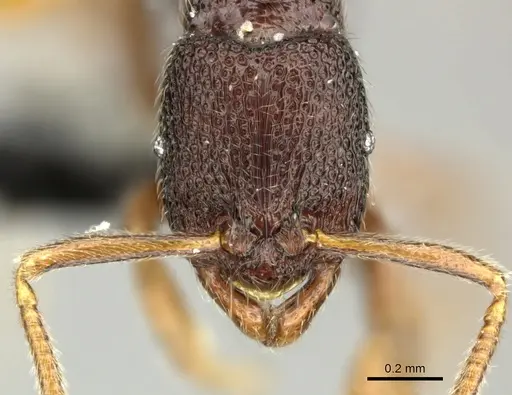
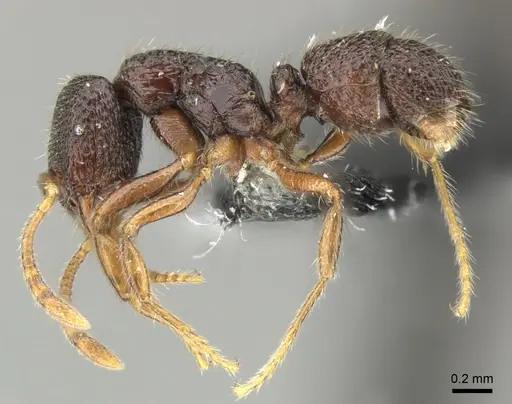
Literature
Loading...Loading products...