

Holcoponera bisulca
- Scientific Name
- Holcoponera bisulca
- Tribe
- Ectatommini
- Subfamily
- Ectatomminae
- Author
- Kempf & Brown, 1968
- Distribution
- Found in 5 countries
Holcoponera bisulca Overview
Holcoponera bisulca is an ant species of the genus Holcoponera. It is primarily documented in 5 countries , including Colombia, Costa Rica, Ecuador. Detailed taxonomic data and occurrence records can be further explored via authoritative databases such as AntWeb or the Global Biodiversity Information Facility (GBIF).
Holcoponera bisulca
Holcoponera bisulca is a small predatory ant native to the Neotropical region, ranging from Costa Rica to Ecuador through the Andean countries. Workers measure around 1.27mm in Weber's length and have a distinctive appearance with longitudinal ridges on the propodeal declivity and hook-like metacoxal spines. This species inhabits humid montane forests at elevations between 1,000 and 2,000 meters, where it nests exclusively in fallen twigs and branches on the forest floor. What makes H. bisulca particularly fascinating is its flexible social structure, colonies can be headed by a fully winged queen or by an ergatoid (wingless reproductive female), and the presence of ergatoids appears to help colonies adapt to slightly disturbed habitats [1][2].
Quick Summary
- Difficulty: Medium
- Origin & Habitat: Neotropical region, Costa Rica to Ecuador, primarily Colombian Andes. Inhabits humid montane forests at 1,000-2,000m elevation [2][3]. Found exclusively in forest patches with thick leaf litter [4].
- Colony Type: Facultatively polygynous but functionally monogynous, colonies can have one queen or multiple queens, but only one female actually reproduces. Ergatoid (wingless) females are common and can serve as replacement reproductives. Mixed colonies with both queens and ergatoids are rare [1].
- Colony: Optionally polygyne
- Size & Growth:
- Queen: ~1.49mm Weber's length [1], estimated from related Gnamptogenys species
- Worker: ~1.27-1.28mm Weber's length [1]
- Colony: Up to 80-88 workers, typically under 30 [1]
- Growth: Slow, small colonies with limited worker production
- Development: Unknown, no direct development studies for this species (Based on related Ectatomminae, expect 8-12 weeks at optimal temperature. Colonies grow slowly due to small colony size.)
- Antkeeping:
- Temperature: Keep around 20-24°C. This species comes from cool montane forests (1,000-2,000m elevation), so avoid overheating. Room temperature is likely suitable for most keepers.
- Humidity: High humidity required, they inhabit humid montane forests with thick leaf litter. Keep nest substrate consistently moist but not waterlogged. Provide a water tube.
- Diapause: Unknown, no specific studies on diapause. As a tropical montane species, they may have reduced activity during cooler/drier periods rather than true hibernation.
- Nesting: In nature they nest in fallen twigs and branches on the forest floor. In captivity, they do well in test tubes with moist substrate or small acrylic nests. They prefer tight, humid chambers scaled to their tiny size.
- Behavior: This is a shy, cryptic ant that forages in leaf litter. They are not aggressive and will flee rather than fight. Workers are small and unlikely to sting. Escape prevention is important due to their tiny size, use fine mesh barriers. They are predatory like other Ectatomminae, hunting small invertebrates in the leaf litter layer.
- Common Issues: tiny size means escapes are likely without fine mesh barriers, sensitive to habitat disturbance, wild colonies decline in degraded areas, slow growth may frustrate beginners expecting rapid colony development, colonies stay very small (under 30 workers typically), don't expect large colonies, high humidity requirements can lead to mold if ventilation is poor
Natural History and Distribution
Holcoponera bisulca is found across the Andean region from Costa Rica south to Ecuador, with the strongest records from Colombia's western departments (Caldas, Chocó, Nariño, Quindío, Risaralda, Valle del Cauca). They inhabit humid montane forests at elevations between 1,000 and 2,000 meters, with records suggesting preference for relatively cool sites, as latitude approaches the equator, localities occur at higher altitudes [2][3]. This species is a specialist of forest floor habitats, nesting exclusively in fallen twigs and branches at various stages of decomposition. They are one of the most abundant species in Winkler extraction samples of leaf litter, making them a common but often overlooked resident of Andean forests [1].
Social Structure and Colony Organization
This species has one of the most interesting social structures among Neotropical ants. Colonies can be headed by either a normal winged queen or by ergatoid females (wingless reproductive females). Research shows that while some colonies appear polygynous (have multiple queens), they are functionally monogynous, only one female actually reproduces while others are inhibited or unmated. Ergatoids were found in approximately 12% of nests, and their presence appears to help colonies adapt to slightly disturbed habitats. In the most preserved forests, colonies had few or no ergatoids and were headed by queens, while more degraded forests showed higher ergatoid frequencies. This suggests ergatoids serve as an alternative reproductive strategy when resources are limited [1].
Housing and Nesting
In captivity, Holcoponera bisulca does well in small test tube setups or tiny acrylic nests. They are specialist twig-nesters, so provide chambers scaled to their tiny worker size (around 1.3mm). Keep the nest humid but ensure adequate ventilation to prevent mold. A water tube attached to the test tube provides moisture. Because of their very small size, escape prevention must be excellent, use fine mesh barriers and tight-fitting lids. They do not need heating if your room stays around 20-24°C, which is ideal for this cool-adapted species. Avoid dry conditions, they come from humid montane forests. [1][2]
Feeding and Diet
Like other Ectatomminae ants, Holcoponera bisulca is predatory, hunting small invertebrates in the leaf litter. In captivity, offer small live prey like fruit flies, springtails, or tiny crickets. They likely accept protein sources like crushed insects or small mealworms. Sugar water may be accepted but is not a primary food source for this genus. Feed small amounts every few days and remove uneaten prey to prevent mold in the humid setup.
Colony Growth and Expectations
Keep expectations realistic, this is a small colony species. Wild colonies typically contain 1-30 workers, with the study finding a mean of 22.3 workers per colony and maximum of 88 [1]. This is NOT a species that will produce hundreds of workers. Growth is slow, and colonies may take many months to produce their first workers. The small colony size is natural for this species, which specializes in tiny twigs and has limited foraging ranges. Don't overfeed, small colonies produce waste slowly, and excess food mold quickly in their humid setup.
Ecological Indicators
Holcoponera bisulca is recognized as a biological indicator of habitat quality in Andean montane forests. They are almost absent in severely transformed habitats like crops or pasturelands, and nearly absent in coffee plantations. They thrive in forests with thick leaf litter profiles and high relative humidity. This sensitivity to habitat disturbance means wild-caught colonies may struggle in captivity if the keeper cannot replicate their forest floor conditions. Captive colonies are best maintained in stable, humid setups that mimic their natural understory environment [1][5].
Field Identification Tips
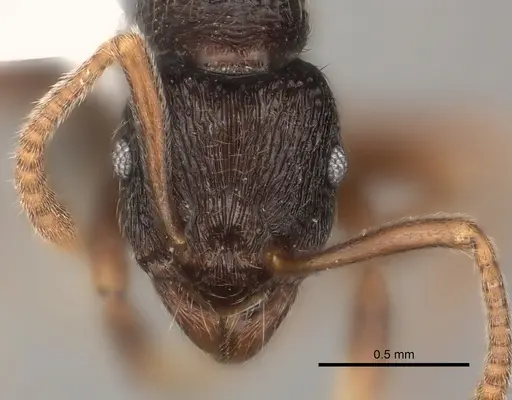
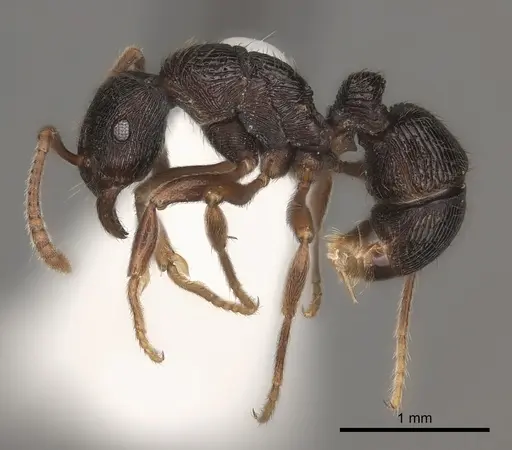
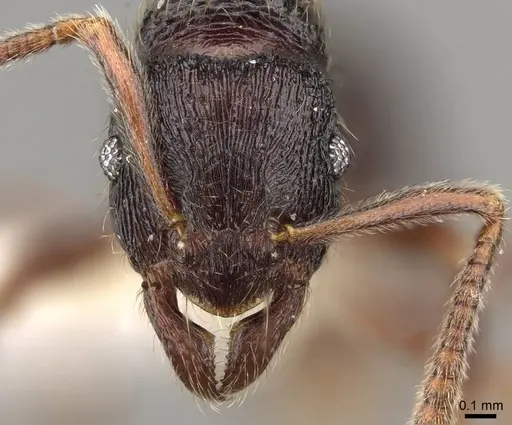
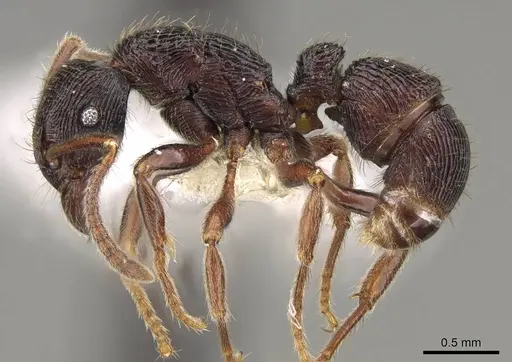
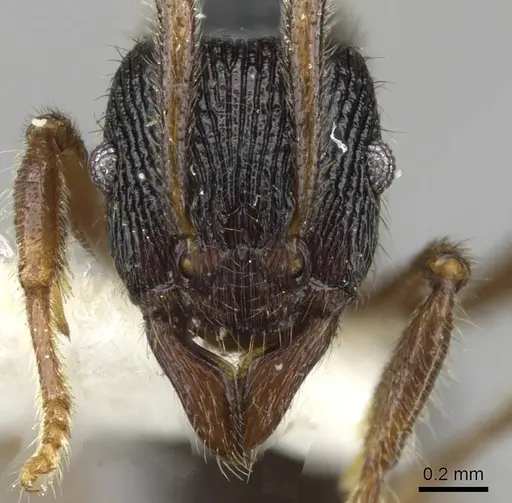
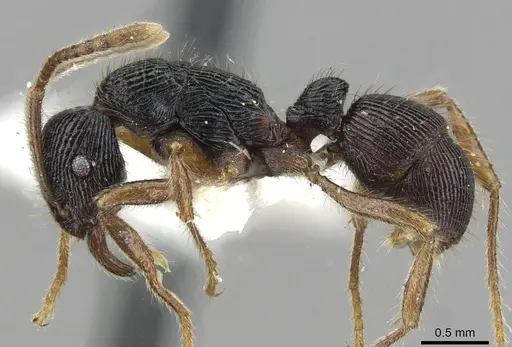
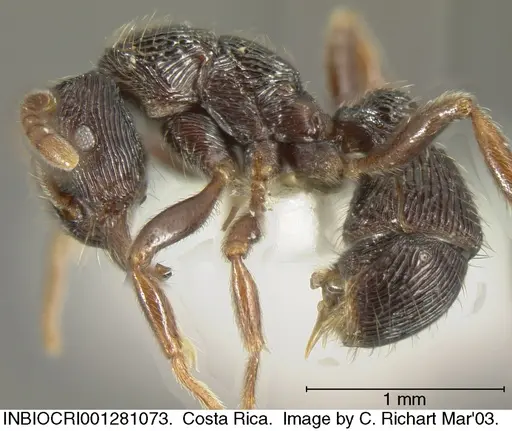
Holcoponera bisulca can be identified by several key features: longitudinal ridges on the propodeal declivity (the slope between the mesosoma and gaster), hook-like and triangular metacoxal spines, and well-defined transverse ridges on the postpetiolar sternum. The propodeal spiracle is low, not raised above the surrounding sculpture. Workers are tiny at about 1.27mm Weber's length. Queens are significantly larger at 1.49mm and have three ocelli and wing scars. Ergatoids have intermediate morphology and may have 1-3 ocelli [1][2][3].
Frequently Asked Questions
How long does it take for Holcoponera bisulca to produce first workers?
The exact timeline is unconfirmed, but based on related Ectatomminae species, expect 8-12 weeks from egg to worker at optimal temperature (around 20-24°C). Growth is slow, and colonies stay small.
Can I keep multiple Holcoponera bisulca queens together?
In the wild, colonies can be polygynous (have multiple queens) but are functionally monogynous, only one reproduces. Combining unrelated foundress queens has not been documented and is not recommended.
How big do Holcoponera bisulca colonies get?
They stay small. Wild colonies typically have under 30 workers, with a maximum of around 80-88 recorded. This is a small-colony species by nature.
Do Holcoponera bisulca ants sting?
They are tiny ants and unlikely to penetrate human skin. Like most Ectatomminae, they may have a stinger but it's too small to be effective against humans.
What temperature do Holcoponera bisulca need?
Keep them around 20-24°C. They come from cool montane forests at 1,000-2,000m elevation, so avoid overheating. Room temperature is usually ideal.
Are Holcoponera bisulca good for beginners?
They are rated Medium difficulty. While their care requirements are straightforward (humid, small setup), their slow growth and small colony size may frustrate beginners expecting visible progress. They're best for keepers who appreciate subtle, cryptic species.
Do Holcoponera bisulca need hibernation?
Diapause requirements are unconfirmed. As a tropical montane species from consistent climates, they likely don't need true hibernation but may reduce activity during cooler periods.
Why are my Holcoponera bisulca dying?
Common causes include: too dry conditions (they need high humidity), mold from overfeeding or poor ventilation, escapes due to inadequate barriers for their tiny size, or stress from habitat disturbance if wild-caught.
What do Holcoponera bisulca eat?
They are predatory, feeding on small invertebrates in leaf litter. Offer small live prey like fruit flies, springtails, or tiny crickets. They likely accept crushed insects and may take sugar water occasionally.
When should I move Holcoponera bisulca to a formicarium?
Given their tiny size and preference for twig-nesting, they can stay in test tube setups long-term. Move only if the colony grows very large, which is rare for this species.
What makes Holcoponera bisulca special compared to other ants?
Their flexible social structure with ergatoid replacement reproductives is unusual. They also serve as indicators of forest health, their presence signals a healthy montane forest ecosystem.
References

This caresheet is licensed under CC BY-SA 4.0 .
CASENT0179945
View on AntWeb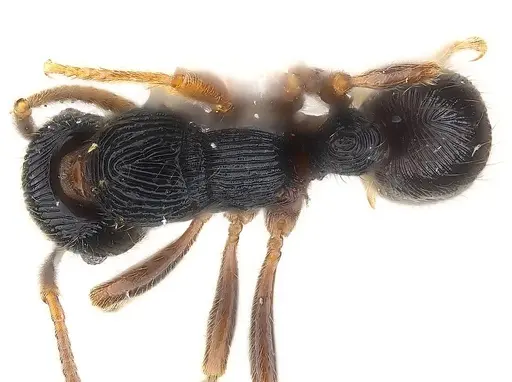
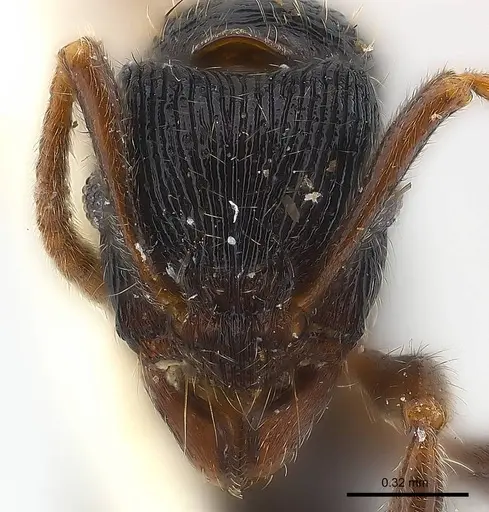
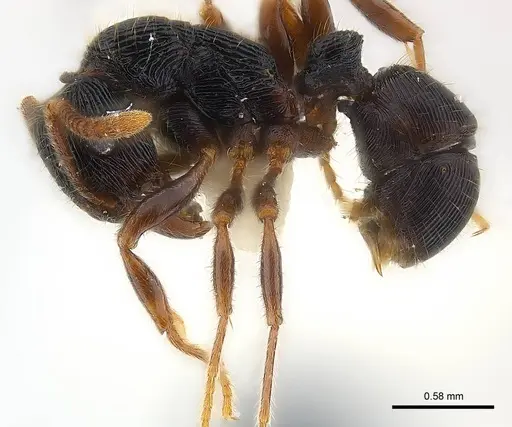
CASENT0217484
View on AntWeb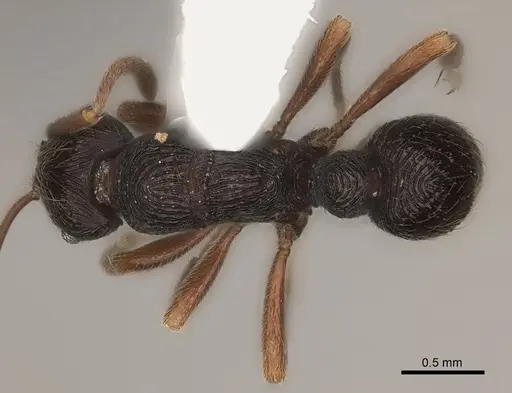
CASENT0281521
View on AntWeb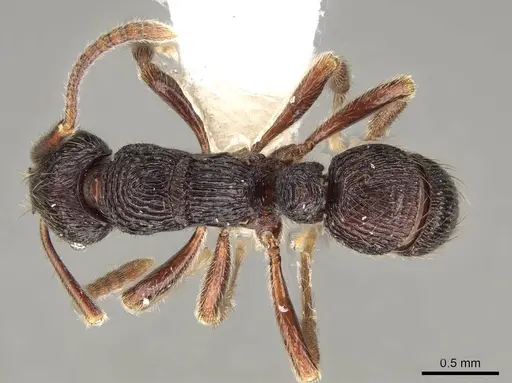
CASENT0911161
View on AntWeb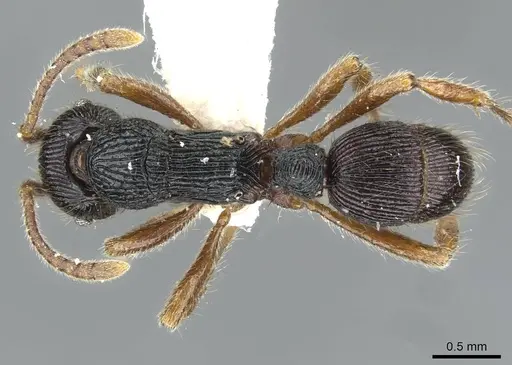
INBIOCRI001281073
View on AntWeb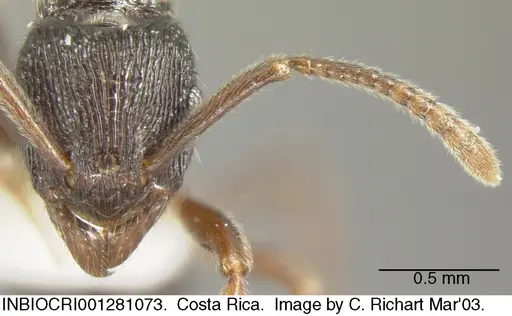
Literature
Loading...Loading products...