

Heteroponera panamensis
- Scientific Name
- Heteroponera panamensis
- Tribe
- Heteroponerini
- Subfamily
- Ectatomminae
- Author
- Forel, 1899
- Distribution
- Found in 5 countries
Heteroponera panamensis Overview
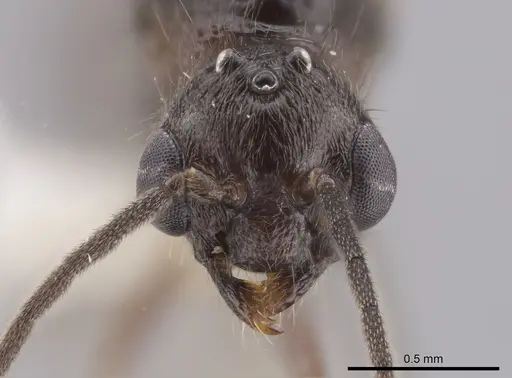
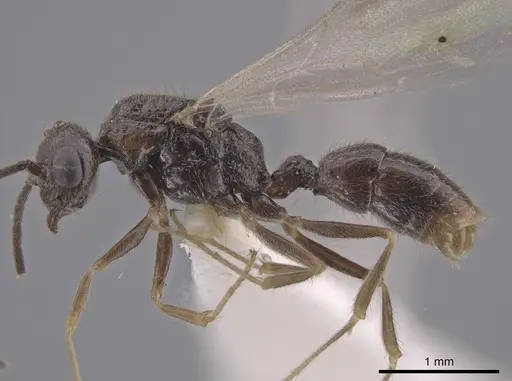
Heteroponera panamensis is an ant species of the genus Heteroponera. It is primarily documented in 5 countries , including Brazil, Colombia, Costa Rica. Detailed taxonomic data and occurrence records can be further explored via authoritative databases such as AntWeb or the Global Biodiversity Information Facility (GBIF).
Heteroponera panamensis
Heteroponera panamensis is a medium-sized ponerine ant native to the Neotropical region, found in Costa Rica, Panama, and Colombia. Workers measure 3.39-5.00mm and range in color from yellow to brown [1]. They belong to the tribe Heteroponerini, which is associated with an omnivore diet [2]. These ants inhabit mature forests and forest fragments at elevations between 1000 and 2000 meters [3]. Like other Ectatomminae ants, they possess a functional stinger, though it is small in size [2]. This species is the most widely distributed Heteroponera species in the Neotropical region [1].
Quick Summary
- Difficulty: Medium
- Origin & Habitat: Costa Rica, Panama, and Colombia. Found in mature forest and forest fragments at 1000-2000m elevation [3][4].
- Colony Type: Colony structure is unconfirmed. No data available on whether they are single-queen (monogyne) or multi-queen (polygyne) colonies.
- Size & Growth:
- Queen: Unknown, no queen measurements available in the research data. Estimated based on genus patterns at 6-8mm.
- Worker: 3.39-5.00mm [1]
- Colony: Unknown, no colony size data available. Estimated based on related ponerines at 100-500 workers.
- Growth: Moderate, estimated based on typical Heteroponera patterns
- Development: 8-12 weeks, estimated based on typical ponerine development at optimal temperature (Development timeline is not directly studied for this species. Ponerine ants typically develop slower than many common ant genera, taking 2-3 months from egg to worker.)
- Antkeeping:
- Temperature: Keep at 22-26°C. Based on their mountain forest habitat at 1000-2000m elevation, they prefer cooler conditions than typical lowland tropical ants. Provide a temperature gradient so ants can self-regulate [3].
- Humidity: Keep substrate moderately moist. Their native habitat in mature forest fragments suggests they prefer humid conditions with some damp substrate. Aim for substrate that feels damp but not waterlogged.
- Diapause: Unknown, no specific data on overwintering requirements. Being from a tropical mountain region, they may not require true hibernation but may slow down during cooler periods.
- Nesting: In captivity, they do well in test tube setups or Y-tong nests with moist substrate. In nature, they likely nest in soil or rotting wood in shaded forest areas [3]. Provide dark, humid nesting areas with narrow chambers.
- Behavior: These ants are predatory omnivores, they will hunt small invertebrates and likely accept sugar sources. They possess a small but functional stinger [2]. Workers are moderately active foragers. Escape prevention should be moderate as they are not extremely small but can fit through standard gaps. They are not considered aggressive but will defend the colony if threatened.
- Common Issues: humidity control is critical, too dry and colonies fail, too wet and mold becomes a problem, slow development means colonies can appear stagnant for months, leading keepers to overfeed or disturb them, lack of published care information means trial-and-error is required for optimal care, wild-caught colonies may have parasites or be stressed from collection, causing colony failure
Housing and Nest Setup
Heteroponera panamensis does well in standard test tube setups or Y-tong (acrylic) nests. Since they come from humid forest environments, keep the nest substrate consistently moist but never waterlogged. A test tube with a cotton ball providing a water reservoir works well for founding colonies. For established colonies, provide a formicarium with multiple chambers connected by narrow passages. They prefer dark nesting areas, so cover the nest with a dark cloth or use an opaque outworld. The outworld should be simple, a small foraging area where you can offer food. Escape prevention is important but not as critical as for tiny ants, standard barriers like fluon on container rims will work. [3]
Feeding and Diet
As omnivores in the tribe Heteroponerini, these ants need a balanced diet of protein and carbohydrates. Offer small insects like fruit flies, small mealworms, or crickets as protein sources. For sugar, provide honey water, sugar water, or occasional sweet fruits. Feed protein 2-3 times per week and keep sugar water available at all times. Remove uneaten prey after 24-48 hours to prevent mold. They are not large ants, so prey items should be appropriately sized, no larger than the ant's head. Some Heteroponera species are known to be predatory on small invertebrates, so live prey may be more readily accepted than dead. [2]
Temperature and Humidity
These ants prefer cooler conditions than many tropical species due to their mountain forest origin at 1000-2000m elevation. Keep the nest area at 22-26°C. A heating cable on one side of the nest can create a gradient, allowing ants to move to warmer or cooler areas as needed. Avoid high temperatures above 30°C. For humidity, maintain substrate that feels damp to the touch. Mist the outworld occasionally but avoid direct misting on the nest. Good ventilation is important to prevent mold while maintaining humidity. If you see condensation constantly on the nest walls, reduce moisture, if the substrate dries quickly between waterings, increase it. [3]
Behavior and Temperament
Heteroponera panamensis workers are moderately active foragers that search for food in the outworld. They possess a small but functional stinger, so they can defend themselves if threatened [2]. However, they are not typically aggressive toward keepers and will only sting if directly handled or if the colony feels endangered. Workers are robust and can handle moderate disturbance. They are not known for being escape artists like tiny ants, but they are still capable of climbing smooth surfaces. Standard escape prevention measures are sufficient. When caring for these ants, observe their response to feeding and disturbance to learn their temperament, individual colonies may vary.
Colony Development
Colony growth is expected to be moderate. Ponerine ants like Heteroponera typically develop slower than many common ant genera such as Camponotus or Lasius. From egg to first worker (nanitic), expect approximately 8-12 weeks at optimal temperature. The first workers will be smaller than mature workers and may take time to develop their full size range. Colony size likely reaches several hundred workers at maturity based on related species patterns. Be patient with founding colonies, they may appear stagnant for months while the queen lays eggs and raises brood. Avoid disturbing the nest frequently during this critical period. Once workers emerge, growth typically accelerates.
Frequently Asked Questions
How long does it take for Heteroponera panamensis to produce first workers?
Expect 8-12 weeks from egg to first worker at optimal temperature (22-26°C). This is slower than many common ant species, so patience is required during the founding stage.
What do Heteroponera panamensis ants eat?
They are omnivores. Feed them small insects (fruit flies, small mealworms, pinhead crickets) for protein 2-3 times per week, and keep sugar water or honey water available at all times.
Do Heteroponera panamensis ants sting?
Yes, they possess a functional stinger. However, it is quite small and the sting is generally mild compared to larger ponerines. They will only sting if threatened or directly handled.
What temperature should I keep Heteroponera panamensis at?
Keep nest temperature between 22-26°C. They prefer cooler conditions than typical tropical ants due to their mountain forest origin. A temperature gradient is ideal so they can self-regulate.
Are Heteroponera panamensis good for beginners?
They are rated as medium difficulty. While not as challenging as some specialized species, the lack of published care information and slower development may present challenges for complete beginners. Those with some antkeeping experience will have better success.
How big do Heteroponera panamensis colonies get?
Colony size is not directly documented, but based on related ponerine species, colonies likely reach several hundred workers at maturity.
Do Heteroponera panamensis need hibernation?
Unknown. Being from a tropical mountain region, they likely do not require true hibernation but may slow down during cooler periods. If your room temperature drops significantly in winter, they may become less active.
What humidity level do Heteroponera panamensis need?
Keep substrate moderately moist, damp but not waterlogged. Their native habitat in mature forests suggests they prefer humid conditions. Monitor substrate moisture and adjust watering based on condensation and drying rate.
Can I keep multiple Heteroponera panamensis queens together?
Not recommended. The colony structure (monogyne vs polygyne) has not been documented for this species, and combining unrelated queens carries the risk of aggression and colony loss.
When should I move Heteroponera panamensis to a formicarium?
Wait until the colony has at least 20-30 workers and is actively foraging in the outworld. For founding colonies, a test tube setup is best. Move to a larger formicarium when the test tube becomes crowded or the colony shows signs of needing more space.
References

This caresheet is licensed under CC BY-SA 4.0 .
CASENT0106021
View on AntWeb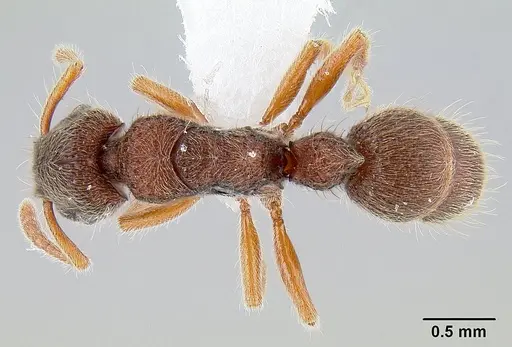
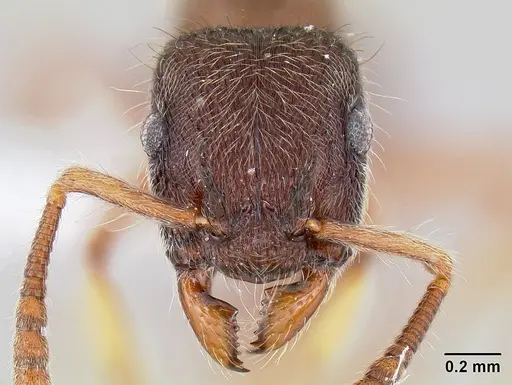
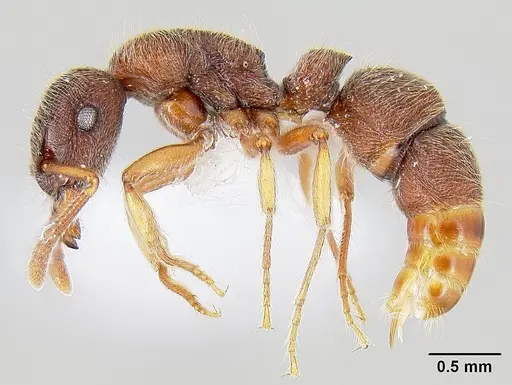
CASENT0660057
View on AntWeb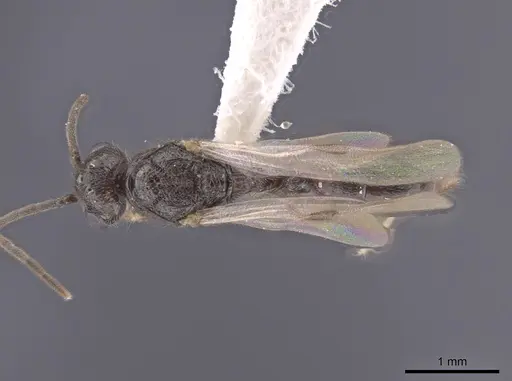
Literature
Loading...Loading products...