

Heteroponera mayri
- Scientific Name
- Heteroponera mayri
- Tribe
- Heteroponerini
- Subfamily
- Ectatomminae
- Author
- Kempf, 1962
- Distribution
- Found in 3 countries
Heteroponera mayri Overview
Heteroponera mayri is an ant species of the genus Heteroponera. It is primarily documented in 3 countries , including Argentina, Bolivia, Plurinational State of. Detailed taxonomic data and occurrence records can be further explored via authoritative databases such as AntWeb or the Global Biodiversity Information Facility (GBIF).
Heteroponera mayri
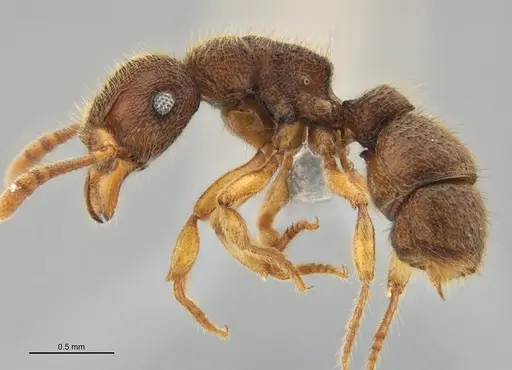
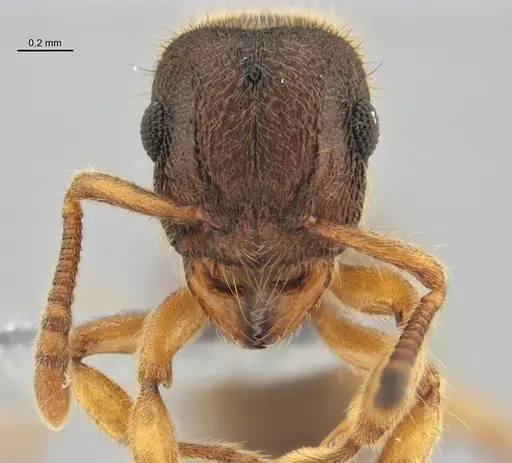
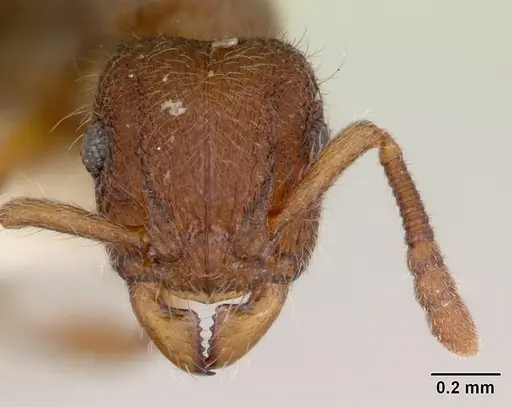
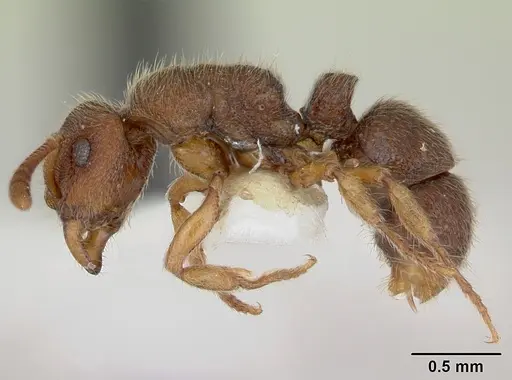
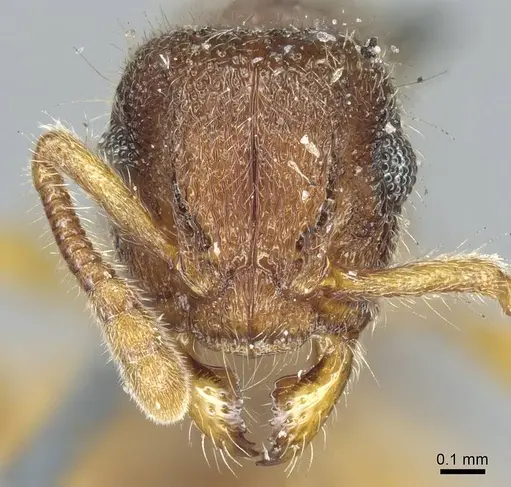
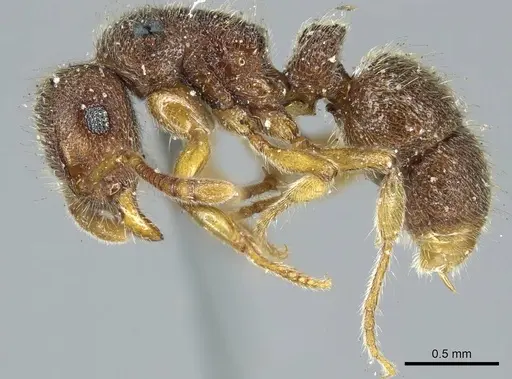
Heteroponera mayri is a small to medium-sized ant native to the southern Atlantic Forest of South America. Workers measure 3.39-4.39mm and range in color from yellow to brown, with distinctly sculpted body surface and noticeable propodeal spines on the rear of the thorax [1]. The species is notable for its extreme habitat specialization, it is almost exclusively found in primary old-growth Atlantic Forest and is highly sensitive to human disturbance. Unlike many ants that adapt to plantations or secondary forest, H. mayri is excluded by pine and eucalyptus afforestation, nesting only in fallen trunks, branches, and twigs of native forest [2][3]. This makes them a challenging species to keep, as they require carefully replicated forest floor conditions.
Quick Summary
- Difficulty: Hard
- Origin & Habitat: Southern Brazil (Santa Catarina, Paraná, Rio Grande do Sul, São Paulo), Paraguay, and northern Argentina. Inhabits primary Atlantic Forest, nesting in fallen wood, twigs, and decaying branches on the forest floor [4][2].
- Colony Type: Monogyne (single-queen colonies) with documented ergatoid (wingless) queens that likely serve as replacement reproductives [5]. Colony structure is otherwise poorly documented.
- Colony: Monogyne
- Size & Growth:
- Queen: Estimated 6-7mm based on genus patterns (no direct measurement found)
- Worker: 3.39-4.39mm [1]
- Colony: Unknown, likely small to moderate based on typical Heteroponera patterns
- Growth: Unknown, no development data available
- Development: Unknown, no direct development studies exist for this species (Based on related Ectatomminae species, expect 6-10 weeks at tropical temperatures, but this is an estimate only)
- Antkeeping:
- Temperature: Keep around 22-26°C, these are tropical forest ants that need warmth and stability. Avoid temperatures below 20°C.
- Humidity: High humidity required, they live in the damp leaf litter and rotting wood of tropical forests. Keep nest substrate consistently moist but not waterlogged.
- Diapause: Unlikely, as a tropical species from southern Brazil, they probably do not require a true hibernation period, but may reduce activity in cooler months.
- Nesting: In nature they nest in small twigs, fallen branches, and decaying wood on the forest floor [6]. In captivity, they do well in naturalistic setups with small-diameter twigs or rotten wood pieces, or in a Y-tong/plaster nest with tight chambers scaled to their size. They need tight, humid spaces, avoid large open areas.
- Behavior: These ants are ground-dwelling and quite secretive. They are likely predatory like other Ectatomminae, hunting small invertebrates in the leaf litter. Workers are moderately sized with a functional stinger, expect defensive behavior if disturbed. They are not aggressive toward keepers but will sting if threatened. Escape prevention should be moderate, they are not tiny but can squeeze through small gaps.
- Common Issues: habitat specialist, wild-caught colonies may refuse to establish in non-native setups, sensitive to dryness, colonies fail quickly in dry conditions, unknown dietary requirements, feeding can be challenging since natural diet is unconfirmed, slow to establish, founding colonies may be slow to produce first workers, poor adaptability, they do not tolerate plantation or disturbed habitats, making captive breeding difficult
Natural History and Habitat
Heteroponera mayri is a habitat specialist restricted to primary Atlantic Forest in southern Brazil, Paraguay, and northern Argentina [7]. They are found exclusively in old-growth forest fragments and are completely excluded by human-modified landscapes like pine plantations and eucalyptus farms [2][3]. In the wild, they nest in small fallen branches, twigs, and decaying wood on the forest floor. Studies show they prefer twigs with larger diameters in native forest (median 15.48mm) compared to eucalyptus plantations (median 9.38mm), though they are rarely found in plantations at all [6]. This extreme specialization makes them one of the most difficult Neotropical ants to maintain in captivity, they simply do not adapt to disturbed habitats.
Nest Setup and Housing
Because they naturally nest in small twigs and fallen branches on the forest floor, a naturalistic setup works best. Provide small-diameter twigs or pieces of rotting wood as nest material, placed in a humid terrarium with leaf litter substrate. Alternatively, a Y-tong or plaster nest with very tight chambers scaled to their 3-4mm worker size can work. The key is maintaining high humidity without flooding, these ants come from damp forest floor environments. Use a water reservoir or moisture gradient in the nest. Avoid test tubes for established colonies as they prefer the tight, irregular spaces of their natural twig nests. Ventilation should be minimal to retain humidity. [6][4]
Feeding and Diet
The natural diet of Heteroponera mayri is unknown [4], but related Ectatomminae ants are typically predatory, hunting small invertebrates in the leaf litter. Start by offering small live prey like fruit flies, pinhead crickets, or tiny mealworms. They may also accept protein gels or dead insects. Sugar sources are worth offering occasionally, but their acceptance is uncertain, many predatory Poneromorph ants have limited sugar interest. Feed small amounts every 2-3 days and remove uneaten food to prevent mold. The key challenge is that we do not know their exact dietary preferences, so be prepared to experiment with different protein sources.
Temperature and Seasonal Care
As tropical forest ants from southern Brazil, they need warm, stable temperatures in the 22-26°C range. This is warmer than typical room temperature in many homes, so a heating cable or mat on one side of the nest may be necessary. Create a gentle temperature gradient so workers can choose their preferred zone. Unlike temperate ants, they likely do not require a true hibernation period, but activity may slow during cooler months. Avoid any temperature drops below 20°C, as this species is adapted to the stable warmth of the understory layer in primary forest.
Colony Structure and Reproduction
This species has documented ergatoid (wingless) queens in addition to normal winged queens [5]. Ergatoid queens develop without wings and can serve as replacement reproductives if the primary queen dies, which is a common trait in the genus Heteroponera. Colonies appear to be monogyne, containing a single reproductive queen. The nuptial flight timing is unconfirmed, but based on related species and the southern Brazilian location, flights likely occur during the warm summer months. Founding behavior has not been directly documented, though it is likely claustral (queen seals herself in and lives off stored fat) based on genus patterns.
Frequently Asked Questions
Is Heteroponera mayri a good species for beginners?
No. This is an expert-level species due to its extreme habitat specialization and sensitivity to environmental conditions. They are excluded by plantation habitats and require carefully replicated primary forest conditions to survive.
What do Heteroponera mayri ants eat?
Their natural diet is unknown, but they are likely predatory like other Ectatomminae. Offer small live prey like fruit flies, tiny crickets, or mealworms. Sugar water may be accepted occasionally but do not rely on it.
How long does it take for Heteroponera mayri to produce first workers?
Unknown, no development studies exist for this species. Based on related Ectatomminae, expect 6-10 weeks at optimal temperature (around 24-26°C), but this is only an estimate.
Do Heteroponera mayri ants sting?
Yes, they have a functional stinger. While not dangerously venomous, expect a defensive sting if you handle them roughly or disturb the nest. They are not aggressive but will protect their colony.
Can I keep multiple Heteroponera mayri queens together?
Not recommended. This species appears to be monogyne (single-queen) in the wild, and combining unrelated foundresses has not been documented. Ergatoid (wingless) queens may serve as replacement reproductives within an established colony but are not additional primary queens.
What temperature do Heteroponera mayri ants need?
Keep them warm at 22-26°C. They are tropical forest ants that need stable warmth. A heating cable on one side of the nest creates a suitable gradient. Avoid temperatures below 20°C.
Do Heteroponera mayri ants need hibernation?
Probably not. As a tropical species from southern Brazil, they likely do not require a true diapause. However, they may reduce activity during cooler winter months.
Why are my Heteroponera mayri dying?
The most likely causes are: (1) Dry conditions, they require high humidity, (2) Wrong nesting material, they need small twigs or rotting wood, not test tubes, (3) Temperature stress, they need 22-26°C and cannot tolerate cool temperatures, (4) Poor diet, their exact nutritional needs are unknown and may require experimentation.
What size colony do Heteroponera mayri reach?
Unknown, no colony size data exists for this species. Based on typical Heteroponera and litter-ant patterns, colonies are likely small to moderate, probably under 500 workers.
Where does Heteroponera mayri naturally live?
They live in primary Atlantic Forest in southern Brazil, Paraguay, and northern Argentina. They are habitat specialists that are completely excluded by human-modified landscapes like pine and eucalyptus plantations.
References

This caresheet is licensed under CC BY-SA 4.0 .
ANTWEB1047670
View on AntWeb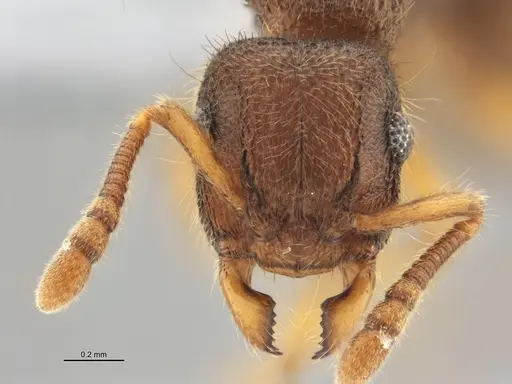
ANTWEB1047675
View on AntWeb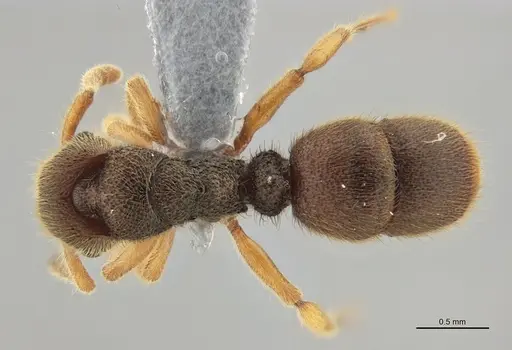
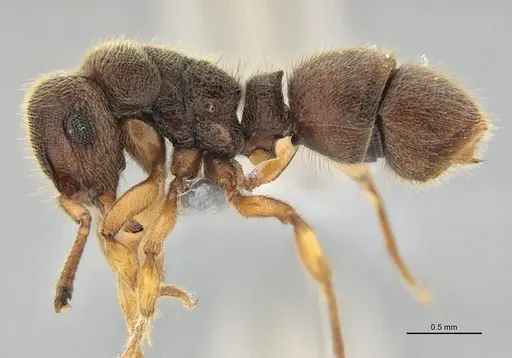
ANTWEB1062716
View on AntWeb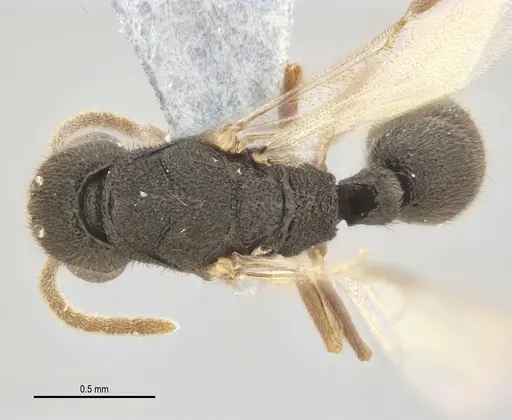
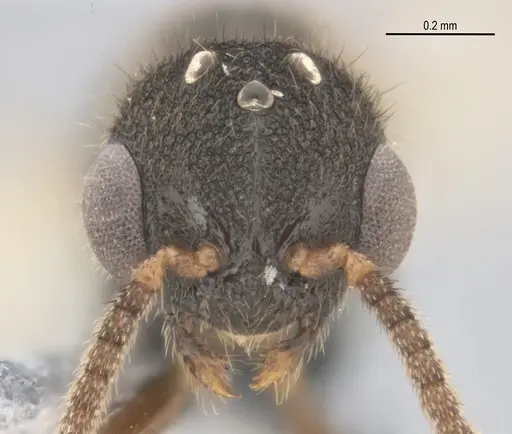
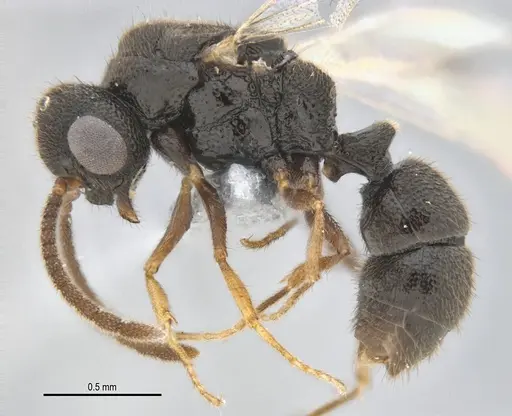
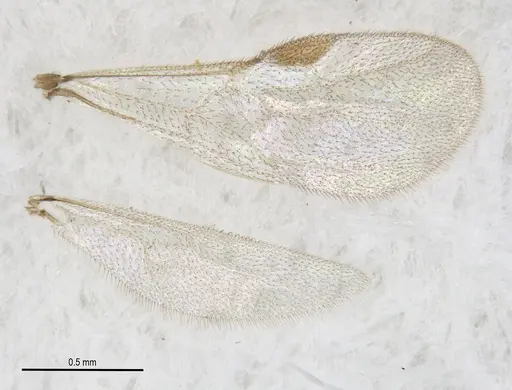
CASENT0173543
View on AntWeb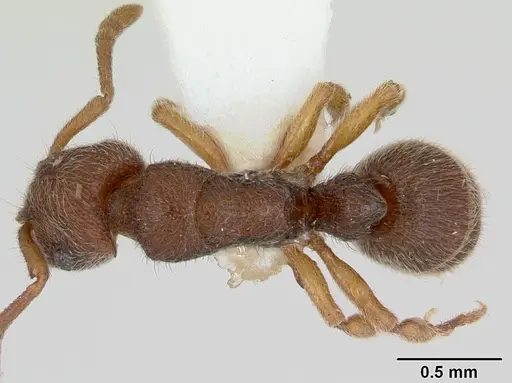
CASENT0915932
View on AntWeb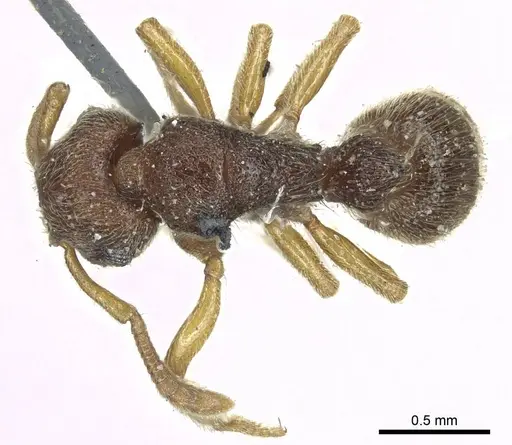
Literature
Loading...Loading products...