

Heteroponera leae
- Scientific Name
- Heteroponera leae
- Tribe
- Heteroponerini
- Subfamily
- Ectatomminae
- Author
- Wheeler, 1923
- Distribution
- Found in 1 countries
Heteroponera leae Overview
Heteroponera leae is an ant species of the genus Heteroponera. It is primarily documented in 1 countries , including Australia. Detailed taxonomic data and occurrence records can be further explored via authoritative databases such as AntWeb or the Global Biodiversity Information Facility (GBIF).
Heteroponera leae
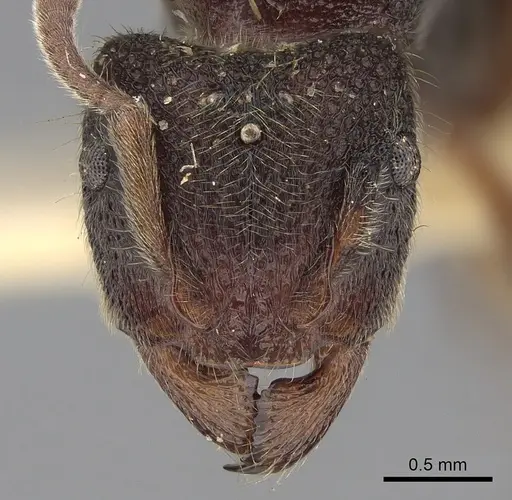
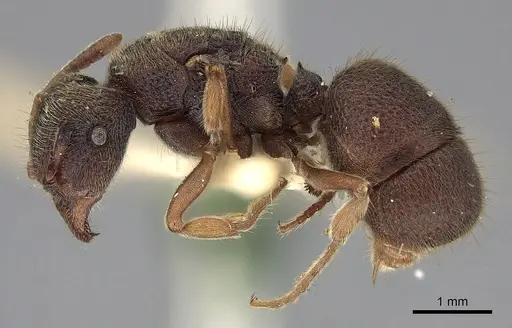
Heteroponera leae is a small to medium-sized Australian ant species native to the mountain forests of northeastern to central-eastern New South Wales. Workers measure 4.77-5.62mm in total length and have a distinctive appearance with a reddish-brown to black coloration and densely sculpted integument. The head is covered by long irregular longitudinal rugae, and the body has a characteristic reticulately-rugose texture. The second gastral segment is notably reflexed, and the petiole lacks a dorsomedial spine, which helps distinguish this species from related ants [1]. These ants are found at elevations between 640-1340m in both rainforest leaf litter and eucalypt forest habitats [1].
This species belongs to the Ectatomminae subfamily, which contains some of the more primitive ant groups in Australia. The genus Heteroponera is known for its somewhat cryptic habits, with colonies typically living in small numbers in forest floor microhabitats. They are predatory ants that hunt small invertebrates in the leaf litter layer.
Quick Summary
- Difficulty: Medium
- Origin & Habitat: Mountain forests of northeastern to central-eastern New South Wales, Australia. Found in rainforest leaf mould and eucalypt forest litter at elevations 640-1340m [1].
- Colony Type: Likely monogyne (single queen colonies) based on typical genus patterns, though colony structure is not directly documented.
- Colony: Monogyne
- Founding: Semi-claustral
- Size & Growth:
- Queen: Not documented, estimated 6-8mm based on genus patterns
- Worker: 4.77-5.62mm [1]
- Colony: Likely small colonies of several dozen to a few hundred workers based on typical Heteroponera patterns
- Growth: Unknown, likely moderate based on similar forest-dwelling ants
- Development: Estimated 8-12 weeks based on related Ectatomminae species (Development timeline is not directly studied for this species. Estimates based on genus-level patterns for similar forest-dwelling ants.)
- Antkeeping:
- Temperature: Keep at 20-24°C. This species comes from cool elevated forest habitats in NSW, so avoid overheating. Room temperature or slight heating on one side of the nest is appropriate.
- Humidity: Keep substrate moderately moist. These ants live in leaf litter in mountain forests, so they prefer damp but not waterlogged conditions. Provide a moisture gradient so ants can choose their preferred humidity.
- Diapause: Likely yes, Australian temperate ants typically require a winter rest period. Provide 2-3 months at 10-15°C during winter.
- Nesting: Y-tong (AAC) nests or plaster nests work well. These are forest floor ants that prefer tight, humid chambers. Avoid dry, airy setups. Naturalistic setups with leaf litter and soil also work.
- Behavior: Predatory ants that hunt small invertebrates in the leaf litter. They are not aggressive toward keepers but will defend their nest. Workers are moderately active foragers. Escape risk is moderate, use standard barriers. They have a functional stinger and can deliver a mild sting if provoked.
- Common Issues: limited availability, this is a rarely kept species in the antkeeping hobby, slow colony growth may frustrate beginners expecting fast development, humidity control is critical, too dry and colonies fail, too wet and mold becomes an issue, winter diapause is likely required and skipping it may harm the colony, prey acceptance is uncertain, start with small live prey like fruit flies and springtails
Nest Preferences
In the wild, Heteroponera leae nests in leaf litter and soil in mountain forests. They are not typically found in rotting wood like some ants, but rather in the forest floor layer. For captive care, Y-tong (AAC) nests or plaster nests work well because they can maintain humidity effectively. The nest should have tight chambers scaled to their small size, these are tiny ants and need appropriately sized passages. Avoid dry setups like acrylic nests without water reservoirs. A naturalistic setup with a layer of moist soil and leaf litter can also work well, mimicking their natural forest floor habitat. Provide a water tube for drinking and maintain substrate moisture by checking regularly. [1]
Feeding and Diet
Heteroponera leae is a predatory ant that hunts small invertebrates in the leaf litter. In captivity, their primary food should be small live prey such as fruit flies, pinhead crickets, and other tiny arthropods. Start with small live prey items and observe whether they accept them. They may also accept protein-rich foods like small pieces of mealworm or cricket, but live prey is preferred. Sugar sources are not typically a major part of their diet, these are primarily predatory ants. Offer protein 2-3 times per week and remove any uneaten prey within 24 hours to prevent mold. Fresh water should always be available.
Temperature and Seasonal Care
This species comes from cool elevated forests in New South Wales, so they prefer cooler temperatures than many tropical ants. Keep the nest at 20-24°C, avoiding temperatures above 28°C. A gentle temperature gradient allows workers to regulate their own exposure. During winter, provide a diapause period of 2-3 months at 10-15°C. This mimics their natural seasonal cycle in the Australian mountains. Reduce feeding during the winter rest period. Room temperature is often appropriate for this species, but monitor for overheating in summer months. Heating cables should only be used on one side of the nest to create a gradient, and never placed directly on the nest material as this can cause drying. [1]
Behavior and Colony Dynamics
Workers of Heteroponera leae are active foragers that hunt small prey in the leaf litter layer. They are not particularly aggressive but will defend their nest vigorously if threatened. The colony will likely remain relatively small compared to many common ant species, probably only reaching a few hundred workers at maturity. Colonies grow slowly, so patience is required. Workers are moderately sized at 4.77-5.62mm and can deliver a mild sting if handled roughly or if the nest is disturbed. They are not considered dangerous to humans. Escape prevention should be standard, these ants are small but not particularly known for being escape artists like some tiny species. [1]
Acclimation and Founding
If you obtain a founding queen, she is likely semi-claustral, meaning she will need to leave the nest periodically to hunt for food during the founding stage. Provide her with a small hunting arena with access to tiny live prey. Keep the founding setup humid but well-ventilated. Once the first workers (nanitics) emerge, the colony can be fed normally. Growth is slow, expect several months before you see more than a handful of workers. Do not disturb the queen unnecessarily during founding. If acquiring a colony, wild-caught colonies may have parasites or stress from collection, so quarantine and careful observation are recommended.
Frequently Asked Questions
How long does it take for Heteroponera leae to produce first workers?
The exact timeline is not documented, but based on related Ectatomminae species, expect 8-12 weeks from egg to first worker at optimal temperature (around 22°C). Growth is slow, so be patient.
What do Heteroponera leae ants eat?
They are predatory ants that hunt small invertebrates. Feed them small live prey like fruit flies, springtails, and tiny crickets. They may accept small pieces of protein like mealworm, but live prey is preferred.
Do Heteroponera leae ants sting?
Yes, they have a functional stinger and can deliver a mild sting if provoked. However, they are not aggressive toward keepers and rarely sting unless the nest is directly threatened.
What temperature do Heteroponera leae ants need?
Keep them at 20-24°C. They come from cool mountain forests in Australia and do not tolerate high heat. Room temperature is often ideal.
Do Heteroponera leae ants need hibernation?
Yes, they likely require a winter diapause period of 2-3 months at 10-15°C, similar to other Australian temperate ants. Skipping this may harm the colony long-term.
How big do Heteroponera leae colonies get?
Based on typical Heteroponera patterns, colonies likely reach several dozen to a few hundred workers at maturity. They are not large colony-forming ants.
Is Heteroponera leae good for beginners?
This species is rated as medium difficulty. While not the hardest species, their specific humidity needs, likely diapause requirements, and slow growth make them better suited for keepers with some experience.
What nest type is best for Heteroponera leae?
Y-tong (AAC) nests or plaster nests work well because they can maintain humidity effectively. Avoid dry setups. The chambers should be appropriately sized for their small worker size of 4.77-5.62mm.
Can I keep multiple Heteroponera leae queens together?
This is not recommended. The species is likely monogyne (single queen colonies). Combining unrelated queens has not been documented and queens would likely fight.
Where is Heteroponera leae found in the wild?
They are endemic to mountain forests in northeastern to central-eastern New South Wales, Australia, at elevations of 640-1340m. Their range extends from Tooloom Scrub south to Royal National Park.
References

This caresheet is licensed under CC BY-SA 4.0 .
CASENT0281852
View on AntWeb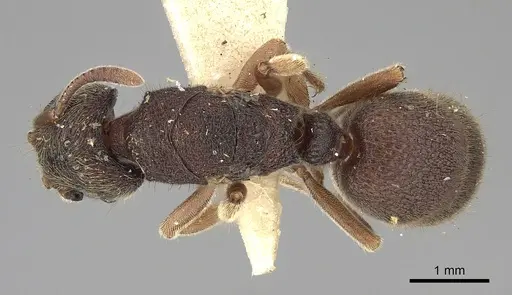
Literature
Loading...Loading products...