

Heteroponera imbellis
- Scientific Name
- Heteroponera imbellis
- Tribe
- Heteroponerini
- Subfamily
- Ectatomminae
- Author
- Emery, 1895
- Distribution
- Found in 1 countries
Heteroponera imbellis Overview
Heteroponera imbellis is an ant species of the genus Heteroponera. It is primarily documented in 1 countries , including Australia. Detailed taxonomic data and occurrence records can be further explored via authoritative databases such as AntWeb or the Global Biodiversity Information Facility (GBIF).
Heteroponera imbellis
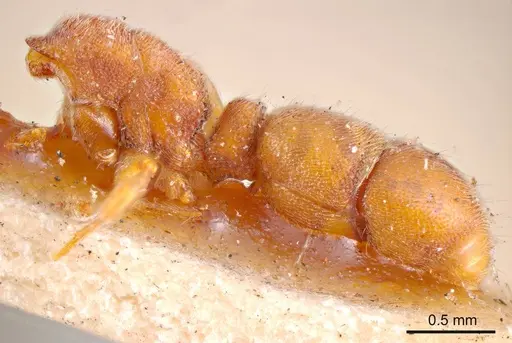
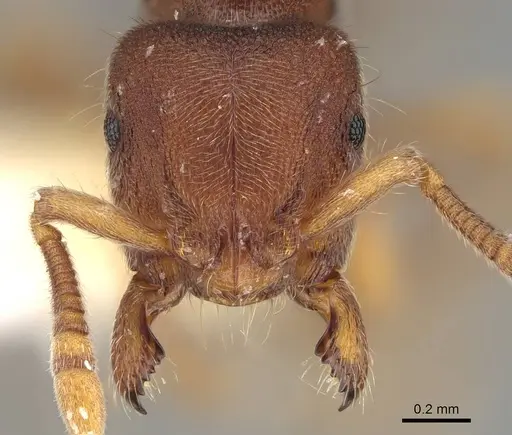
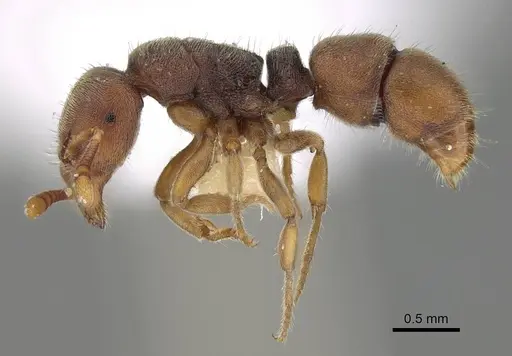
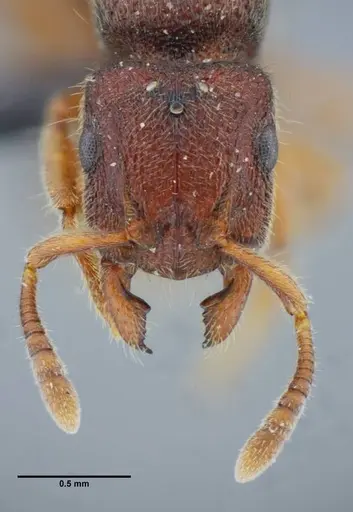
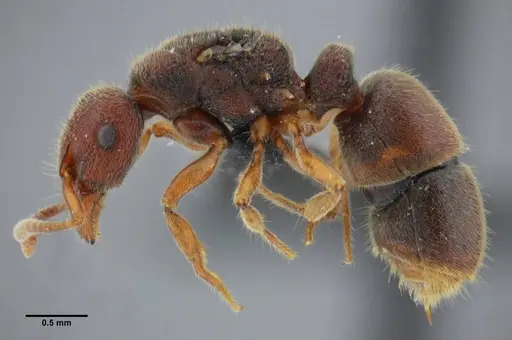
Heteroponera imbellis is a medium-sized ant native to Australia, with workers measuring 3.32-4.29mm [1]. They range in color from reddish-brown to black, with a densely sculpted integument and well-developed eyes [1]. This species has a broad distribution across eastern, southern, and southwestern Australia, including records in suburban Perth and on Rottnest Island [2][3]. Workers forage solitarily during the day across soil and leaf litter, and when disturbed they exhibit thanatosis, playing dead by curling up and remaining motionless [1]. Colonies are relatively small, typically containing around 70 workers [1].
Quick Summary
- Difficulty: Medium
- Origin & Habitat: Eastern, southern, and southwestern Australia. In Western Australia, most common in the wetter southwest regions, with records from the goldfields (Kambalda), suburban Perth, and Rottnest Island [2]. Nests are located under rocks, wood fragments, or directly in open soil [1].
- Colony Type: Single-queen colonies (monogyne) with small colony size of approximately 70 workers [1]. Colony structure and founding behavior are not extensively documented in scientific literature.
- Colony: Monogyne
- Size & Growth:
- Queen: Not specifically documented in available research, estimated based on genus patterns at 6-8mm
- Worker: 3.32-4.29mm [1]
- Colony: Approximately 70 workers [1]
- Growth: Moderate, based on typical Ponerinae development patterns
- Development: Estimated 6-10 weeks based on related Ponerinae species (Development time is inferred from genus-level data, as species-specific development studies are not available)
- Antkeeping:
- Temperature: Keep at room temperature around 20-24°C. Being an Australian species, they prefer moderate warmth. Provide a gentle temperature gradient if possible [1].
- Humidity: Moderate to high humidity. In nature they nest under rocks and in soil, suggesting they prefer conditions that retain moisture. Keep the nest substrate consistently damp but not waterlogged.
- Diapause: Unknown, Australian species may have reduced activity during cooler months but specific diapause requirements are not documented
- Nesting: They naturally nest under rocks, wood fragments, or directly in soil [1]. In captivity, a naturalistic setup with a soil chamber or a Y-tong/plaster nest with moisture-retaining substrate works well. Provide some cover and darkness to mimic their natural under-rock nesting sites.
- Behavior: Workers are diurnal and forage solitarily on soil and leaf litter [1]. They exhibit thanatosis, playing dead when threatened, which is a passive defense mechanism. They have a potent sting for their size and will use it if provoked. Escape risk is moderate given their medium size, standard containment measures should suffice. They are not aggressive toward keepers but will defend the nest if threatened.
- Common Issues: small colony size means colonies develop slowly and may appear stagnant, thanatosis behavior can make them appear dead when disturbed, give them time to recover before intervening, potentially painful sting, handle with care and avoid provoking the colony, wild-caught colonies may have parasites that affect survival in captivity, moderate humidity requirements mean mold can be an issue if ventilation is poor
Housing and Nest Setup
Heteroponera imbellis naturally nests under rocks, wood fragments, or directly in soil [1]. For captivity, a naturalistic setup with a soil-filled chamber works best, this mimics their natural nesting conditions and allows for proper moisture retention. A Y-tong (acrylic) nest with a moist plaster or soil chamber is also suitable. Provide the nest with some darkness and cover, as these ants prefer tucked-away nesting sites. Since colonies stay relatively small (around 70 workers), you don't need a large formicarium, a modest setup with a small outworld and nest area is sufficient. Ensure the nest material can hold moisture without becoming waterlogged.
Feeding and Diet
Like most Ponerinae ants, Heteroponera imbellis is predatory and likely feeds on small invertebrates in the wild. In captivity, offer a varied diet including small live prey such as fruit flies, pinhead crickets, and small mealworms. They are probably generalist predators that hunt solo on the forest floor. Sugar sources like honey water or sugar water may be accepted but are not a primary food source for this genus. Feed protein prey 2-3 times per week and remove any uneaten prey after 24 hours to prevent mold. Always provide fresh water. [1]
Temperature and Seasonal Care
Keep these ants at moderate temperatures around 20-24°C. As an Australian species from temperate regions, they can tolerate a range but prefer warmth. A heating cable on one side of the nest can create a beneficial temperature gradient, allowing ants to self-regulate. Place the heating element on top of the nest to avoid drying out the substrate. Specific diapause requirements are not documented, but reduce feeding and expect reduced activity during winter months if your room temperature drops significantly. Monitor colony behavior, if workers become sluggish, a slight temperature increase may help. [1]
Behavior and Defense
Workers are diurnal and forage alone on soil and leaf litter [1]. Their most notable defensive behavior is thanatosis, when disturbed, they curl up and play dead rather than attacking immediately. This is a passive defense that can make them appear deceased, so don't assume a curled-up ant is dead until you've given it time to recover. If the threat persists, they will deliver a painful sting. These ants are not aggressive toward keepers but will defend their nest if directly threatened. Handle gently and avoid disturbing the nest unnecessarily. Standard escape prevention works well for their medium size.
Colony Development
Established colonies reach approximately 70 workers [1], which is relatively small compared to many common ant species. This means your colony will never become massive, making them manageable for keepers with limited space. Growth rate is moderate, expect gradual development over months rather than rapid expansion. The small colony size also means they are more sensitive to disturbance, so minimize nest inspections during the founding and early growth phases. Queens are not specifically documented in size but likely measure 6-8mm based on genus patterns.
Frequently Asked Questions
How long does it take for Heteroponera imbellis to produce first workers?
The exact egg-to-worker timeline is not documented for this species. Based on related Ponerinae ants, expect approximately 6-10 weeks from egg to first worker at optimal temperature (around 22-24°C). Be patient, this species grows moderately and founding colonies can take time to establish.
Do Heteroponera imbellis ants sting?
Yes, they can sting and deliver a painful sting for their size. While not as dangerous as some larger species, the sting can cause discomfort. Handle gently and avoid provoking the colony. If stung, wash the area and monitor for allergic reactions.
How big do Heteroponera imbellis colonies get?
Colonies are relatively small, reaching approximately 70 workers at maturity [1]. This is much smaller than many common ant species, making them suitable for keepers who prefer manageable colony sizes.
What do Heteroponera imbellis eat?
They are predatory ants that hunt small invertebrates. In captivity, feed small live prey like fruit flies, pinhead crickets, and small mealworms. They may accept sugar water occasionally but protein-rich prey should be their primary food source.
Can I keep multiple Heteroponera imbellis queens together?
This species is documented as single-queen (monogyne) [1]. Combining unrelated queens is not recommended as it has not been studied and could result in fighting. If you acquire a wild colony, it will typically have one queen.
Are Heteroponera imbellis good for beginners?
They are rated as medium difficulty. While their small colony size makes them manageable, their specific humidity and temperature needs require some attention. Their potent sting and slower growth compared to some species may not make them ideal as a first ant, but they are rewarding for intermediate keepers.
Do Heteroponera imbellis need hibernation?
Specific diapause requirements are not documented. As an Australian species from temperate regions, they likely experience reduced activity during cooler months. You can reduce feeding and allow cooler temperatures (but not cold) during winter, mimicking their natural seasonal cycle.
Why is my Heteroponera imbellis not moving?
They exhibit thanatosis, playing dead as a defense response [1]. When disturbed, they curl up and remain motionless. Give them time to recover before assuming they are dead. If they are genuinely inactive, check temperature (too cold?), humidity (too dry?), or if they have died from other causes.
What is the best nest type for Heteroponera imbellis?
They naturally nest under rocks and in soil [1]. A naturalistic setup with a soil chamber or a Y-tong/plaster nest with moist substrate works well. The nest should retain moisture, provide darkness, and have some cover to mimic their natural under-rock nesting sites.
Where is Heteroponera imbellis found in the wild?
They are native to Australia, with a broad distribution along the east coast, southern regions, and southwest Western Australia. They have been recorded in suburban Perth, on Rottnest Island, and in the goldfields region (Kambalda) [2][3].
References

This caresheet is licensed under CC BY-SA 4.0 .
ANTWEB1008132
View on AntWeb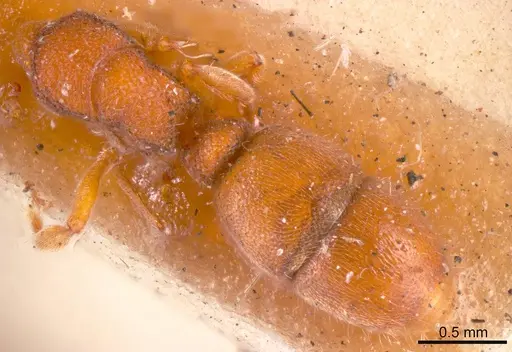
CASENT0118074
View on AntWeb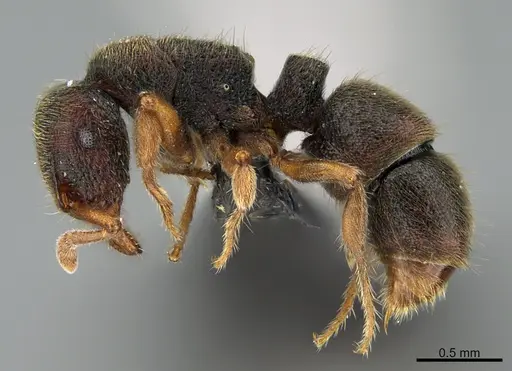
CASENT0172106
View on AntWeb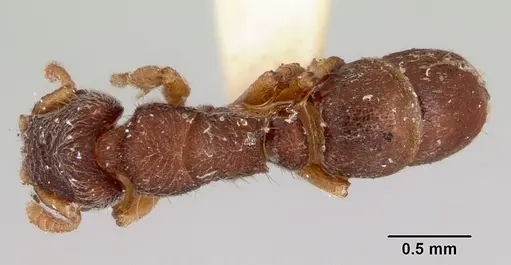
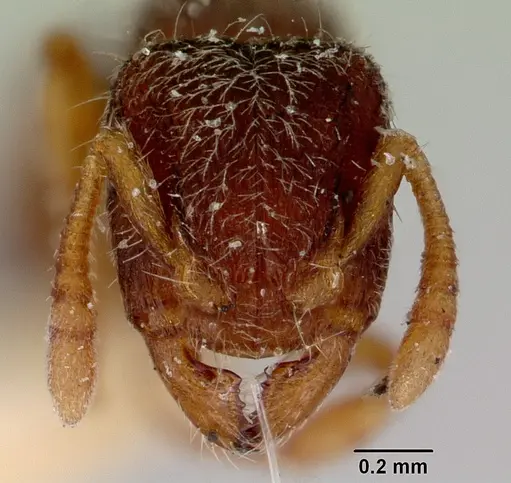
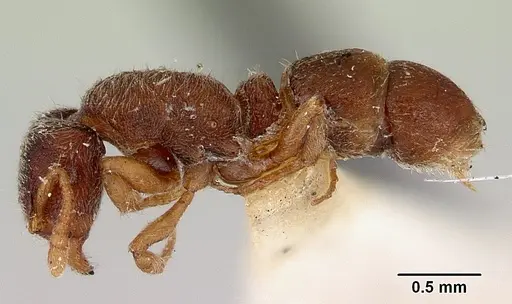
CASENT0907134
View on AntWeb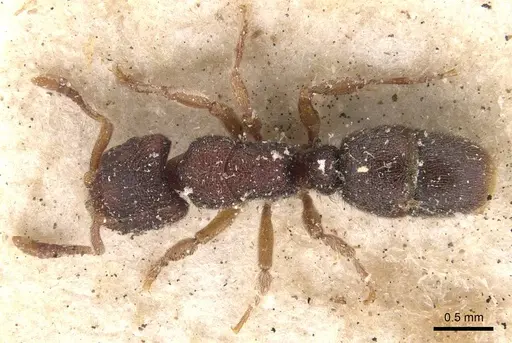
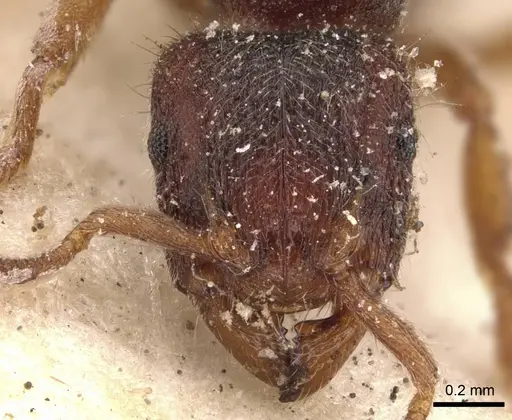
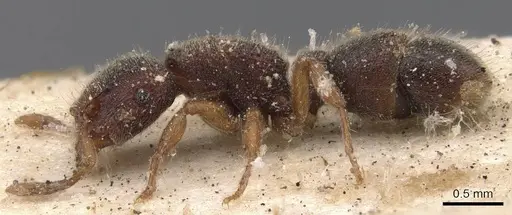
CASENT0922017
View on AntWeb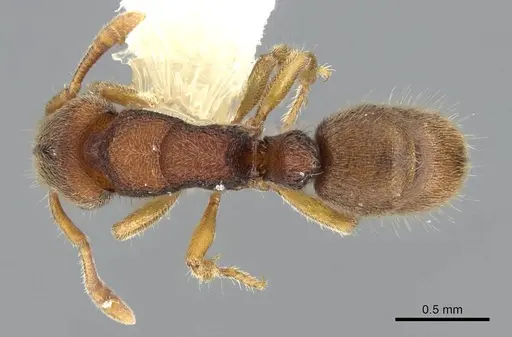
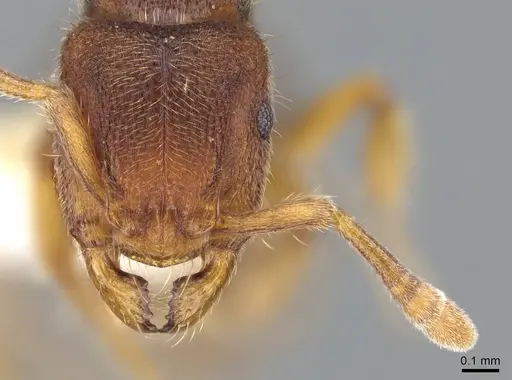
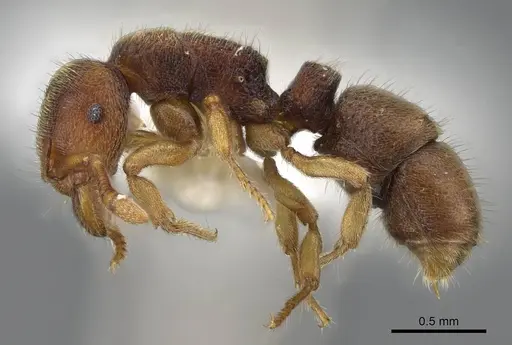
CASENT0922117
View on AntWeb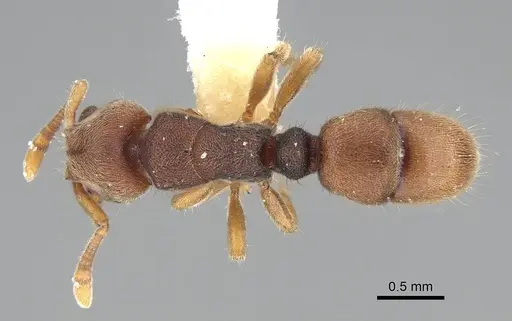
UFV-LABECOL-007242
View on AntWeb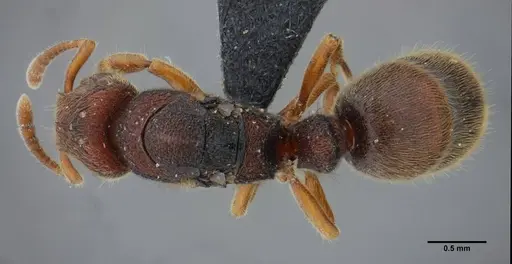
Literature
Loading...Loading products...