

Heteroponera dentinodis
- Scientific Name
- Heteroponera dentinodis
- Tribe
- Heteroponerini
- Subfamily
- Ectatomminae
- Author
- Mayr, 1887
- Distribution
- Found in 2 countries
Heteroponera dentinodis Overview
Heteroponera dentinodis is an ant species of the genus Heteroponera. It is primarily documented in 2 countries , including Brazil, French Guiana. Detailed taxonomic data and occurrence records can be further explored via authoritative databases such as AntWeb or the Global Biodiversity Information Facility (GBIF).
Heteroponera dentinodis
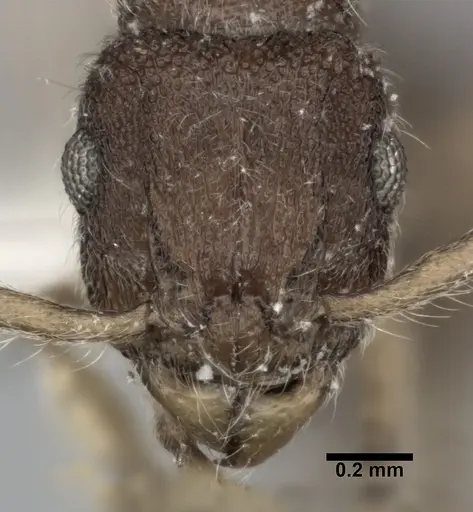
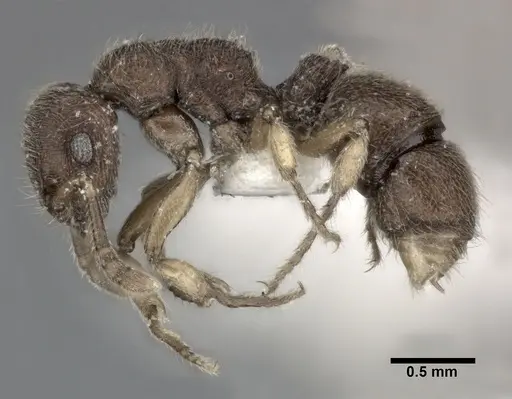
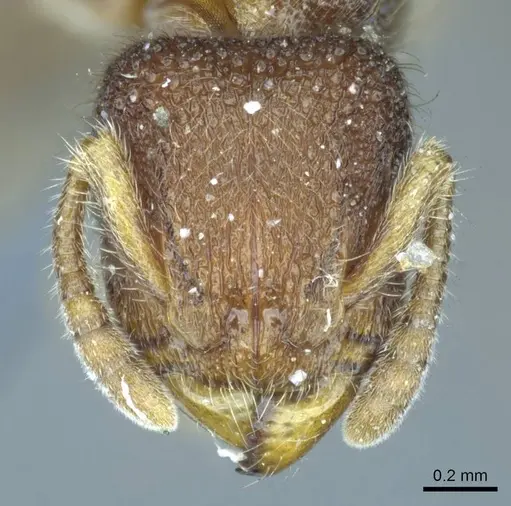
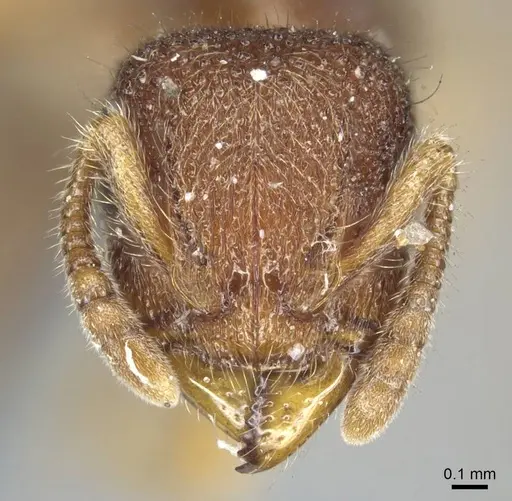
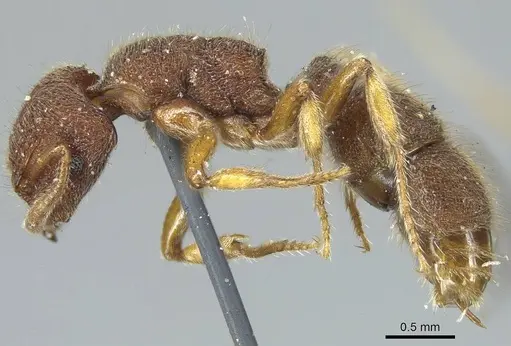
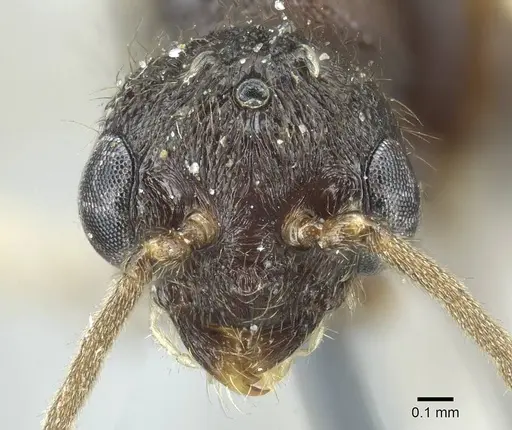
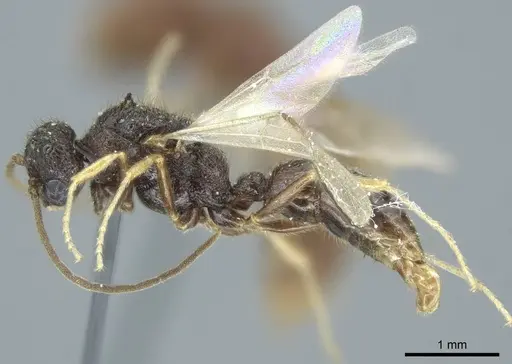
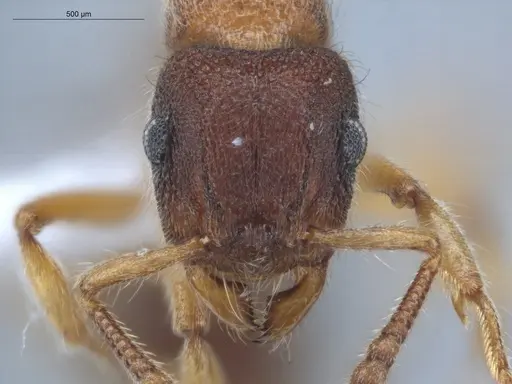
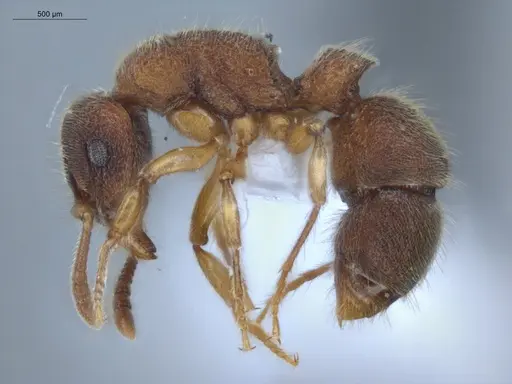
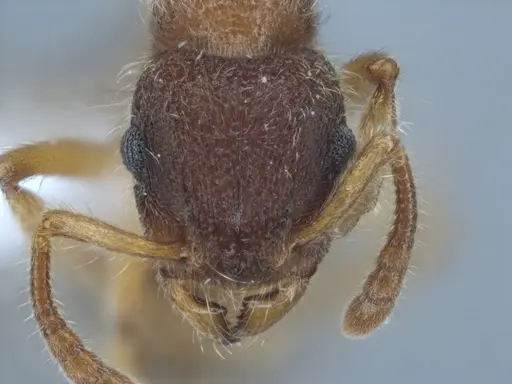
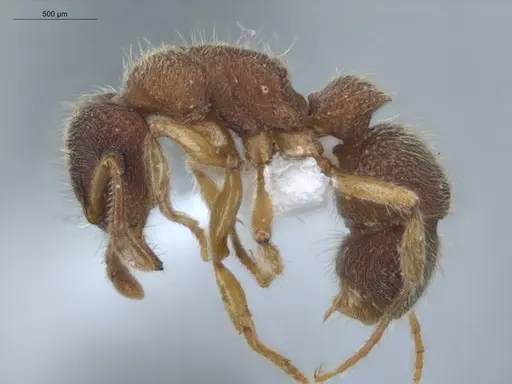
Heteroponera dentinodis is a small ponerine ant native to the Neotropical region, found in Bolivia, Brazil, and French Guiana. Workers measure 3.52-4.78mm with a distinctive appearance featuring a dark reddish-brown to brown body with heavily sculpted integument covered in foveate-punctate texture. The most recognizable feature is the petiole, narrow and high in profile with a sharp, tooth-like projection on the rear upper corner. These ants are habitat specialists that thrive in primary Atlantic Forest and can be found nesting in small twigs, fallen branches, and among bromeliad roots. Colonies are small, typically containing up to 100 workers with a single queen. They are shy predators that prefer to flee and feign death rather than engage when their nest is disturbed.
Quick Summary
- Difficulty: Medium
- Origin & Habitat: Native to the Neotropical region, specifically Bolivia, Brazil (Santa Catarina, São Paulo states), and French Guiana. Found in Atlantic Forest habitats, particularly in preserved forest fragments and among bromeliad roots in leaf litter [1][2]. This is a habitat specialist restricted to primary forest and is excluded by human-modified landscapes like pine plantations [3][4].
- Colony Type: Monogyne (single-queen colonies) with up to 100 workers. Colonies are small and monogynous, one queen per colony [1]. Queens, workers, and males are all known from the type series.
- Colony: Monogyne
- Size & Growth:
- Queen: Not specifically measured in available papers, estimated based on worker size range
- Worker: 3.52-4.78mm total length [1]
- Colony: Up to 100 workers [1]
- Growth: Slow, small colony size suggests moderate to slow development
- Development: Unknown, no direct development data available for this species (Development timeline unconfirmed. Related ponerine species typically take 6-10 weeks from egg to worker at warm temperatures. Cocoonless pupae have been recorded, which is unusual for ectatommine ants [1].)
- Antkeeping:
- Temperature: Keep at 22-26°C. As a Neotropical species from the Atlantic Forest region of Brazil, they prefer warm, stable conditions. Room temperature within this range works well, or use a heating cable on one side of the nest for a gentle gradient.
- Humidity: High humidity required, think damp forest floor. Keep the nest substrate consistently moist but not waterlogged. They naturally live in leaf litter and among bromeliad roots where humidity stays high. Mist occasionally and provide a water tube.
- Diapause: Unknown, no specific research on diapause requirements. As a tropical species from southern Brazil, they likely experience reduced activity in cooler months but may not require true hibernation. Consider a cool period (15-18°C) during winter months.
- Nesting: They nest in small twigs (14-38mm diameter), fallen branches, and among bromeliad roots in nature [1][5]. In captivity, a naturalistic setup with small twigs or a Y-tong/plaster nest with tight chambers works well. They prefer tight, enclosed spaces and are shy about exposing themselves in open areas.
- Behavior: These ants are very shy and non-aggressive. When their nest is opened, they feign death rather than attack, curling up and remaining motionless [1]. They are litter generalist predators, hunting small invertebrates in the leaf litter. Workers are not known for stinging and will primarily try to escape. Escape risk is moderate, they are small but not extremely tiny, so standard escape prevention (fluon barriers, tight-fitting lids) should suffice. They are nocturnal to crepuscular, with most activity occurring at night.
- Common Issues: small colony size means losses have bigger impact, a few deaths matters more in colonies of only 100 workers, habitat specialist may be sensitive to enclosure changes, they prefer tight, enclosed spaces and may stress in open formicaria, shy behavior can be mistaken for death or inactivity, don't disturb them unnecessarily, they may refuse food if offered prey is too large, offer appropriately sized prey items, wild-caught colonies may carry parasites that can cause colony failure in captivity
Housing and Nest Preferences
Heteroponera dentinodis is a specialized nester that requires careful attention to enclosure design. In the wild, they nest in small twigs (14-38mm diameter), fallen branches, and among bromeliad roots in the leaf litter layer [1][5]. They are habitat specialists that only occur in primary forest and are excluded by human-modified landscapes like pine plantations [3][4]. For captivity, a naturalistic setup with small twigs or a Y-tong/plaster nest with narrow chambers works best. Avoid large, open formicaria, these shy ants will stress and may become inactive. Provide plenty of dark, enclosed spaces and keep the outworld dim or low-light. They do best with minimal disturbance during the founding stage.
Feeding and Diet
Laboratory studies show these ants are omnivorous with a preference for protein prey. In tests, they readily accepted Tenebrio mollitor larvae and adults (mealworms), Alphitobius larvae (lesser mealworms), Folsomia candida adults (springtails), Drosophila larvae (fruit fly larvae), and diluted honey [6][7][8]. This makes them relatively easy to feed in captivity. Offer small live prey like fruit flies, pinhead crickets, or small mealworms 2-3 times per week. Sugar sources like diluted honey or sugar water can be offered occasionally, though protein seems to be preferred. Remove uneaten prey within 24 hours to prevent mold.
Temperature and Seasonal Care
As a Neotropical species from the Atlantic Forest region of southern Brazil, Heteroponera dentinodis prefers warm, stable temperatures around 22-26°C. This range supports normal colony activity and brood development. They occur in regions like Santa Catarina where temperatures are mild year-round. While no specific research exists on diapause requirements, tropical ants from this region typically show reduced activity during cooler months. During winter, you can reduce temperatures to around 18-20°C, but avoid cold stress below 15°C. A gentle temperature gradient using a heating cable on part of the nest allows workers to regulate their own exposure to warmth. [1]
Behavior and Temperament
These ants are notably shy and non-confrontational. When their nest is disturbed, they exhibit thanatosis, feigning death by curling up and remaining motionless rather than fleeing or fighting [1]. This defensive strategy means they are not aggressive and rarely if ever sting. Workers are small (3.52-4.78mm) and primarily nocturnal or crepuscular, hunting for small invertebrates in the leaf litter. They are classified as litter generalist predators [3]. In captivity, avoid frequent nest inspections as stress can cause colony decline. They prefer to stay hidden and will venture out only when necessary for foraging. Escape prevention should be adequate but not extreme, they are not as small as some ponerines and standard barriers work well.
Colony Structure and Growth
Heteroponera dentinodis forms small colonies with up to 100 workers and a single queen [1]. This is relatively small compared to many ponerines, which means colonies grow slowly and each individual is valuable. The presence of cocoonless pupae has been documented for this species, which is unusual for ectatommine ants and may indicate unique developmental traits [1]. Colonies are monogynous with one reproductive queen. Because colonies stay small, overfeeding can lead to mold issues, and the colony may take several years to reach maximum size. Be patient with these ants, rapid growth should not be expected.
Field Ecology and Distribution
This species has a limited distribution in the Neotropics, found only in Bolivia, Brazil, and French Guiana. It is considered a habitat specialist restricted to primary forest and is excluded from secondary growth and plantations [4]. Studies in the Brazilian Atlantic Forest show they are most frequent in preserved forest fragments and contribute to dissimilarity between conserved and degraded areas [9]. They are found in the leaf litter layer and are collected using pitfall traps and litter samples. Their exclusion from modified landscapes makes them an indicator species for forest health. In captivity, recreating stable, humid forest-floor conditions is key to their success.
Frequently Asked Questions
How long does it take for Heteroponera dentinodis to produce first workers?
The exact egg-to-worker timeline is unconfirmed for this species. Based on related Neotropical ponerines, expect 6-10 weeks at optimal temperature (24-26°C). Be patient, small colonies grow slowly and founding colonies may take several months before the first workers emerge.
Can I keep multiple Heteroponera dentinodis queens together?
No. This species is monogyne, meaning colonies have a single queen. Multiple unrelated queens will fight. Only combine queens during the very early founding stage if you want to attempt pleometrosis, but this is not recommended as it adds risk.
What do Heteroponera dentinodis ants eat?
They are omnivorous but prefer protein. In captivity, they readily accept mealworms, small springtails, fruit fly larvae, and occasionally diluted honey. Offer small live prey 2-3 times per week and sugar water or honey occasionally.
Do Heteroponera dentinodis ants sting?
They are not known for stinging. These ants are very shy and will feign death rather than attack when threatened. They prefer to flee or hide rather than engage.
Are Heteroponera dentinodis good for beginners?
They are rated Medium difficulty. While not overly demanding, their small colony size, shy nature, and specific habitat requirements make them better suited for keepers with some experience. They are sensitive to disturbance and require patience.
What size nest do I need for Heteroponera dentinodis?
Use a small nest with tight chambers, they naturally nest in small twigs and narrow spaces. A Y-tong or plaster nest with appropriately sized chambers works well. Avoid large, open formicaria as these shy ants will stress in expansive spaces.
Do Heteroponera dentinodis need hibernation?
Diapause requirements are unconfirmed. As a Neotropical species from southern Brazil, they likely experience reduced activity in winter but may not need true hibernation. A cool period at 15-18°C during winter months is recommended but not strictly required.
Why is my Heteroponera dentinodis colony declining?
Common causes include: stress from too much disturbance (they are very shy), improper humidity (too dry), temperature extremes, or poor diet. Also check for parasites. Their small colony size means even minor stressors can have significant impact. Minimize nest inspections and ensure proper care conditions.
How big do Heteroponera dentinodis colonies get?
Colonies reach a maximum of around 100 workers [1]. This is relatively small compared to many ant species. Growth is slow, expect several years to reach full colony size.
What temperature should I keep Heteroponera dentinodis at?
Keep them at 22-26°C. As a Neotropical species from the Brazilian Atlantic Forest, they prefer warm, stable conditions. Room temperature in this range works well, or use a heating cable on part of the nest for a gentle gradient.
Where is Heteroponera dentinodis found in the wild?
They occur in Bolivia, Brazil, and French Guiana, primarily in the Atlantic Forest region. They are habitat specialists restricted to primary forest and are excluded by human-modified landscapes like plantations.
When are Heteroponera dentinodis most active?
They are primarily nocturnal or crepuscular, hunting in the leaf litter at night. In captivity, they will be most active after lights go out or in dim conditions. They prefer low-light environments and will hide during bright daylight hours.
References

This caresheet is licensed under CC BY-SA 4.0 .
CASENT0246694
View on AntWeb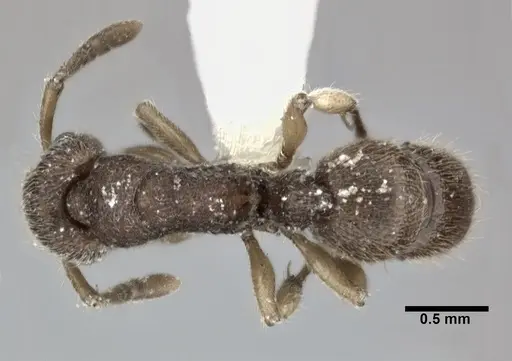
CASENT0902408
View on AntWeb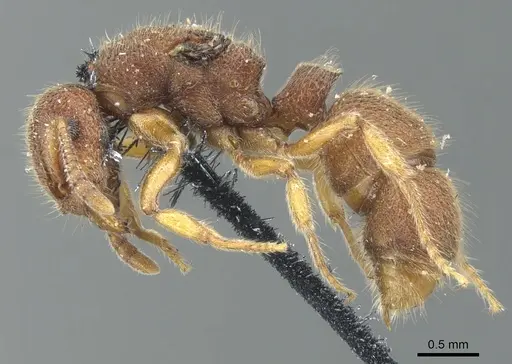
CASENT0915931
View on AntWeb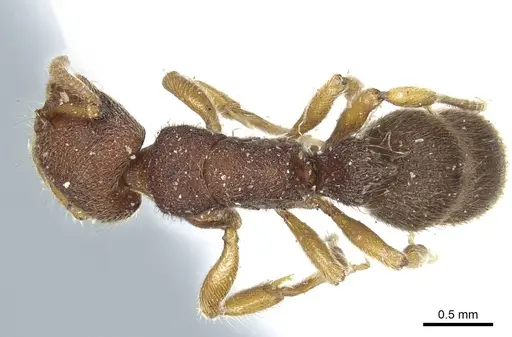
CASENT0915975
View on AntWeb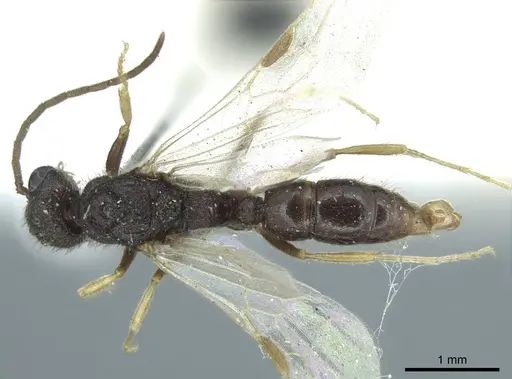
ECOFOG-HC-0015
View on AntWeb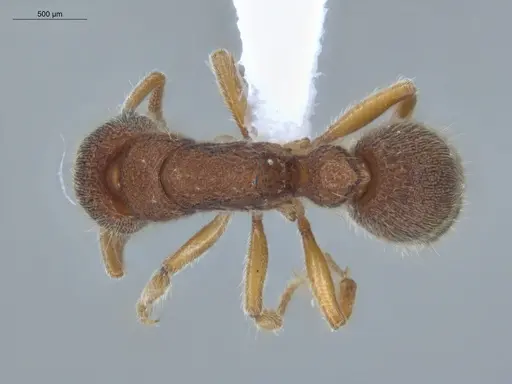
ECOFOG-IT14-0059-68
View on AntWeb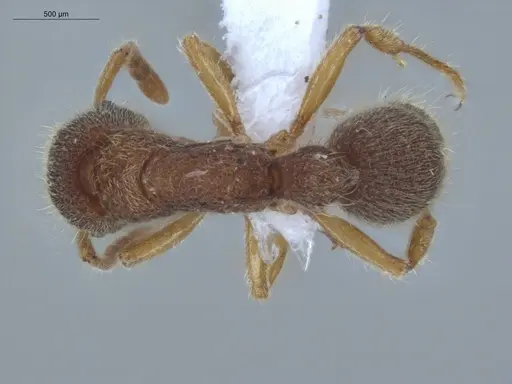
Literature
Loading...Loading products...