

Heteroponera brounii
- Scientific Name
- Heteroponera brounii
- Tribe
- Heteroponerini
- Subfamily
- Ectatomminae
- Author
- Forel, 1892
- Distribution
- Found in 1 countries
Heteroponera brounii Overview
Heteroponera brounii is an ant species of the genus Heteroponera. It is primarily documented in 1 countries , including New Zealand. Detailed taxonomic data and occurrence records can be further explored via authoritative databases such as AntWeb or the Global Biodiversity Information Facility (GBIF).
Heteroponera brounii
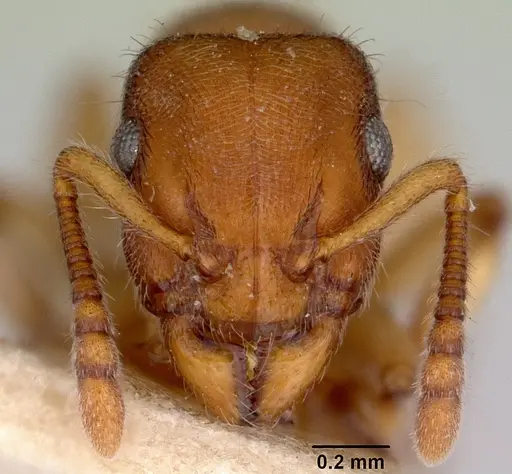
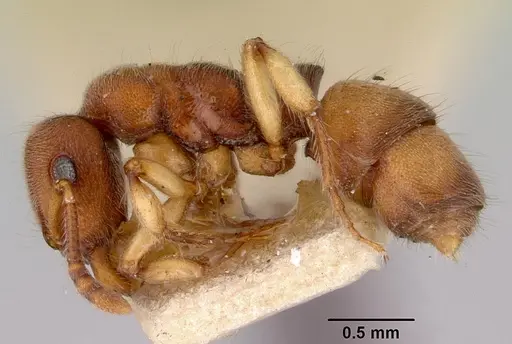
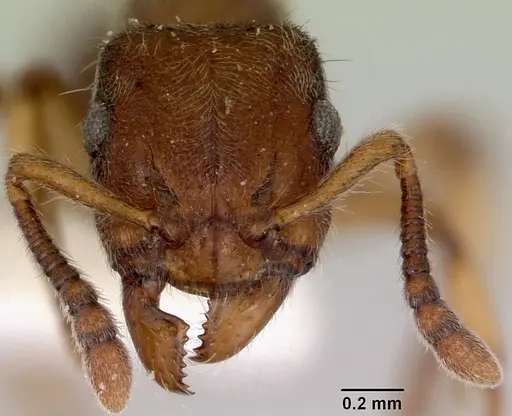
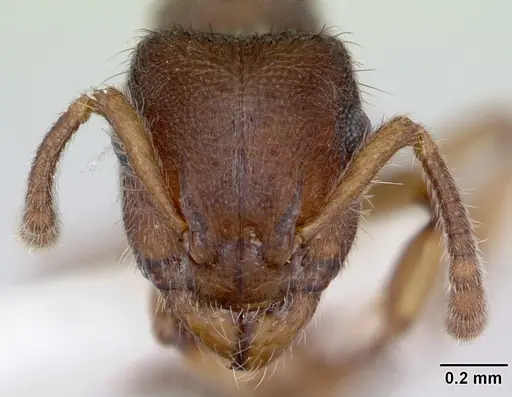
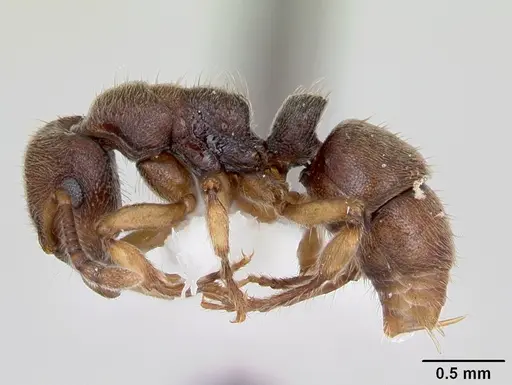
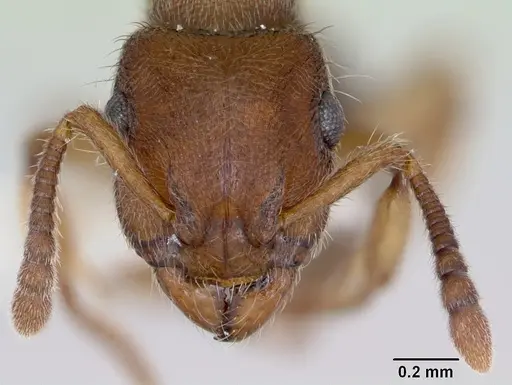
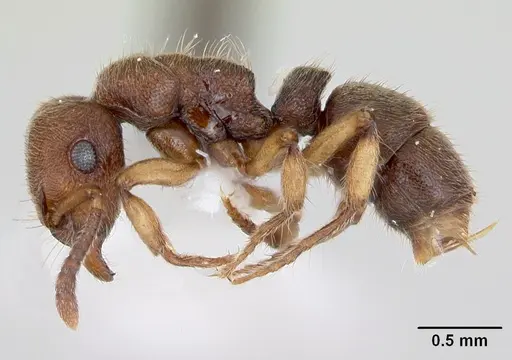
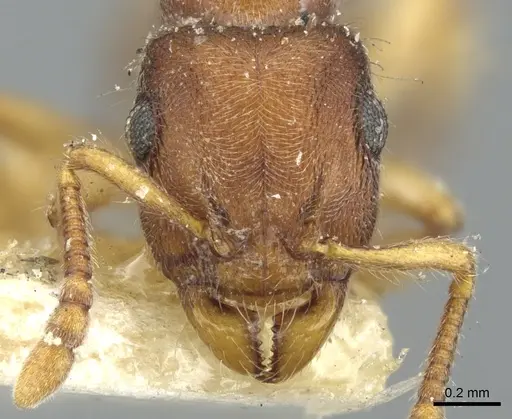
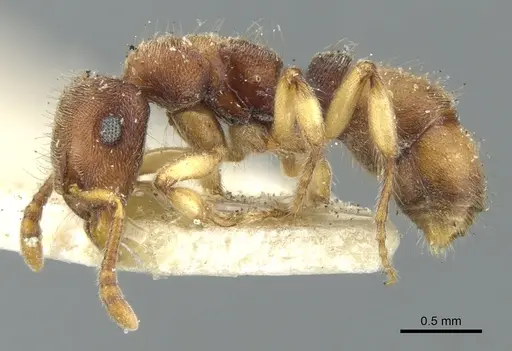
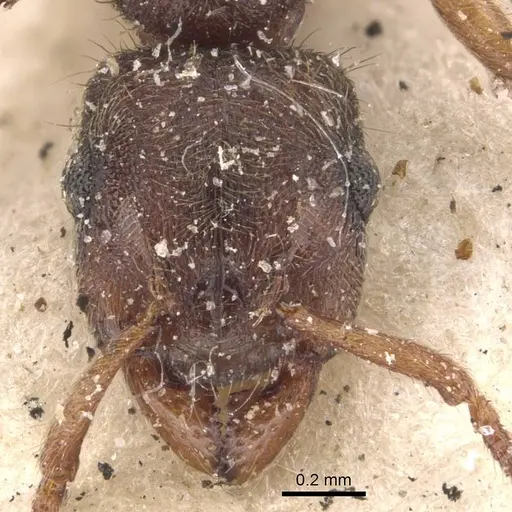
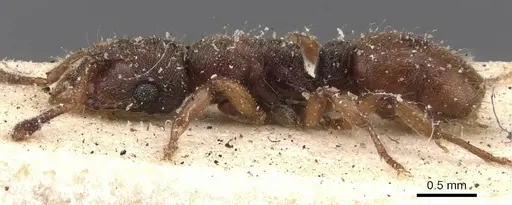
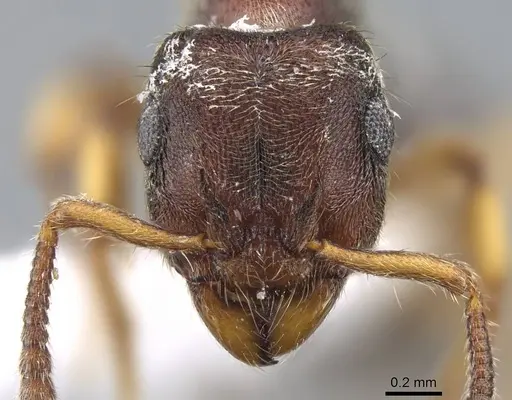
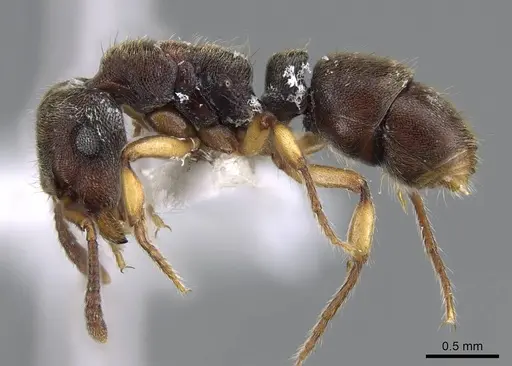
Heteroponera brounii is a small, predatory ant endemic to northern New Zealand. Workers measure 3.53-3.86mm and range in color from light brown to dark brown, with a smooth and shiny body surface. These ants have a distinctive appearance with a rounded humeral corner and virtually no propodeal spines. They belong to the H. imbellis group and are one of the most abundant ant species in their native range, making up 44% of all ants caught in pitfall traps in northern New Zealand forests [1][2]. Unlike many tropical ants, this species is a cold-climate specialist native to New Zealand's temperate forests [2]. Colonies are small, typically containing around 100 workers, and they nest in cavities of fallen logs and among leaf litter [1]. When disturbed, these ants exhibit thanatosis, they play dead by curling up and remaining motionless [1].
Quick Summary
- Difficulty: Medium
- Origin & Habitat: Northern New Zealand, particularly forest areas near Auckland. Nests found in cavities of fallen logs and among leaf litter [1].
- Colony Type: Single-queen colonies (monogyne). Ergatoid (wingless) queens have been documented, which serve as replacement reproductives if the primary queen dies [3].
- Colony: Monogyne
- Size & Growth:
- Queen: Unconfirmed, ergatoid queens documented but measurements not available
- Worker: 3.53-3.86 mm [1]
- Colony: Up to 100 workers [1]
- Growth: Moderate, small colony size suggests slow to moderate growth
- Development: Unknown, no direct development data available for this species (Development timeline has not been studied. Related Heteroponera species typically take 2-3 months from egg to worker at optimal temperatures.)
- Antkeeping:
- Temperature: Keep at 18-22°C. This is a cold-climate specialist adapted to New Zealand's temperate conditions [2]. Avoid high temperatures, they prefer cooler conditions than most ants.
- Humidity: Keep nest substrate moderately moist. In the wild, they nest in rotting logs and leaf litter in forest environments, which maintain consistent moisture. Provide a gradient from damp to slightly drier areas.
- Diapause: Yes, as a cold-climate specialist from New Zealand, they likely require a winter rest period. Reduce temperature to around 10-15°C for 2-3 months during winter.
- Nesting: Best kept in naturalistic setups with rotting wood pieces or a Y-tong/plaster nest with moisture retention. They naturally nest in cavities of fallen logs and among leaf litter [1]. Provide leaf litter and small wood fragments in the outworld.
- Behavior: These ants are predatory and hunt small invertebrates. They are not aggressive toward keepers but will deliver a painful sting if handled roughly. When disturbed, they exhibit thanatosis, playing dead by curling up motionless [1]. They are most active at cooler temperatures and forage throughout the year with no specific seasonal cycle [2]. Workers are moderate foragers and will hunt for prey in the outworld. Escape risk is moderate, use standard barriers but they are not strong climbers.
- Common Issues: cold sensitivity, high temperatures can stress or kill colonies, small colony size means losses have bigger impact, keep founding colonies stable, slow growth can frustrate beginners expecting rapid colony development, predatory diet means they need live prey, sugar alone won't sustain them, thanatosis may look like death when disturbed, don't assume colony is dead
Nest Preferences and Housing
Heteroponera brounii naturally nests in cavities of fallen logs and among leaf litter in New Zealand's northern forests [1]. For captive care, a naturalistic setup works best, use a container filled with moist soil mixed with rotting wood fragments and leaf litter. This mimics their natural forest-floor habitat. Alternatively, a Y-tong (acrylic) nest with plaster or soil-filled chambers works well, provided you maintain consistent moisture. The key is providing a humid, forest-floor-like environment with small cavities for them to nest in. They do best with a generous outworld area for hunting and foraging. Avoid dry conditions or excessive heat.
Feeding and Diet
These ants are predatory, hunting small invertebrates in nature [2]. In captivity, offer small live prey such as fruit flies, pinhead crickets, small mealworms, and other tiny arthropods. They need a regular protein source to survive and raise brood. Sugar water or honey can be offered as a supplementary energy source, but protein-rich prey is essential. Feed small prey items 2-3 times per week for established colonies. Remove uneaten prey after 24-48 hours to prevent mold. Founding colonies may need very small prey items or pieces of insects.
Temperature and Seasonal Care
This is a cold-climate specialist adapted to New Zealand's temperate conditions [2]. Keep colonies at 18-22°C, this is cooler than most tropical ants require. They can tolerate temperatures down to around 15°C and should not be exposed to temperatures above 25°C. During winter (Southern Hemisphere winter, roughly May to September), reduce temperatures to 10-15°C to provide a rest period. This simulates their natural seasonal cycle. Unlike many ants, they remain active throughout the year in the wild with no apparent seasonal foraging cycle [2], but a winter cool-down is still beneficial for colony health.
Behavior and Defense
When threatened, Heteroponera brounii exhibits thanatosis, a defensive behavior where the ant curls up and plays dead [1]. This can be startling for keepers who may think their colony has died. The ant remains motionless for several seconds to minutes before resuming normal activity. They have a potent sting and will use it if handled roughly or if the colony feels threatened. They are not aggressive toward humans but will defend their nest. Workers forage individually and are moderate hunters. Colonies are small (around 100 workers) so they won't overwhelm an outworld like some larger species.
Colony Structure and Reproduction
This species forms single-queen colonies (monogyne) with documented ergatoid (wingless) queens [3]. Ergatoid queens are born without wings and can serve as replacement reproductives if the primary queen dies, this is a form of internal succession that helps the colony survive. Colonies remain small, typically reaching around 100 workers [1]. This is smaller than many common ant species, so expectations for colony size should be adjusted accordingly. The combination of small colony size and ergatoid replacement reproductives suggests stable, long-lived colonies rather than rapidly expanding ones.
Frequently Asked Questions
How long does it take for Heteroponera brounii to produce first workers?
The exact egg-to-worker timeline has not been studied for this species. Based on related Heteroponera species, expect 6-10 weeks at room temperature (around 20°C). Founding colonies may take longer as the queen must raise her first brood alone.
Can I keep Heteroponera brounii in a test tube setup?
Test tubes can work for founding colonies, but these ants prefer more naturalistic conditions with rotting wood and leaf litter. If using test tubes, ensure the cotton stays moist and consider moving them to a more naturalistic setup once the colony reaches 10-15 workers.
Do Heteroponera brounii ants sting?
Yes, they can sting and the sting is painful. However, they are not aggressive and will only sting if handled roughly or if the nest is directly threatened. Their primary defense is thanatosis, playing dead, rather than attacking.
What do Heteroponera brounii eat?
They are predatory ants that hunt small invertebrates. Feed them small live prey like fruit flies, pinhead crickets, small mealworms, or other tiny arthropods. Sugar water or honey can be offered as a supplement, but protein-rich prey is essential for their survival.
Are Heteroponera brounii good for beginners?
They are rated as medium difficulty. They require cooler temperatures than most ants and need a predatory diet. Their small colony size and slow growth may frustrate beginners expecting rapid development. However, their fascinating thanatosis behavior and unique status as a New Zealand endemic make them interesting for intermediate keepers.
Do Heteroponera brounii need hibernation?
Yes, as a cold-climate specialist from New Zealand, they benefit from a winter rest period. Reduce temperatures to 10-15°C for 2-3 months during winter (May-September in the Southern Hemisphere). This helps maintain natural seasonal rhythms and promotes colony health.
How big do Heteroponera brounii colonies get?
Colonies typically reach around 100 workers at maturity [1]. This is smaller than many common ant species. The presence of ergatoid replacement reproductives helps ensure colony survival rather than maximizing worker numbers.
Why is my Heteroponera brounii colony not moving?
They may be exhibiting thanatosis, playing dead. When disturbed, these ants curl up and remain motionless. Wait several minutes before assuming they are dead. If they are genuinely inactive, check that temperatures are not too high (keep below 25°C) and ensure adequate moisture.
Can I keep multiple queens together?
No. This species is monogyne (single-queen) and there is no evidence that multiple queens can coexist peacefully. Introducing additional queens will likely result in fighting. Ergatoid queens only appear within an established colony as potential replacements.
What temperature is ideal for Heteroponera brounii?
Keep them at 18-22°C. This is a cold-climate specialist that prefers cooler conditions than most ants. Avoid temperatures above 25°C as this can stress or kill colonies. A room-temperature environment around 20°C is ideal.
References

This caresheet is licensed under CC BY-SA 4.0 .
ANTWEB1008533
View on AntWeb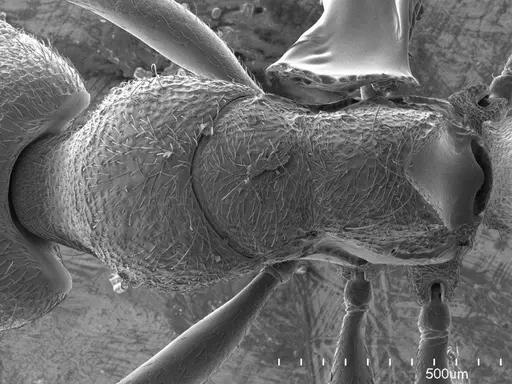
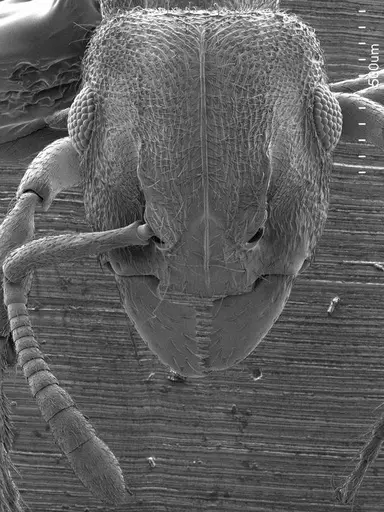
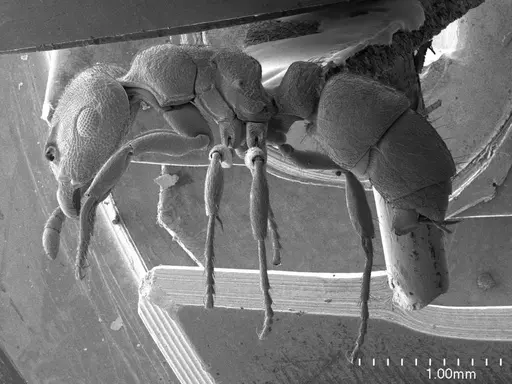
CASENT0172105
View on AntWeb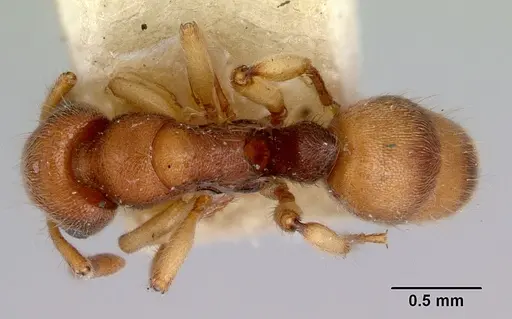
CASENT0172107
View on AntWeb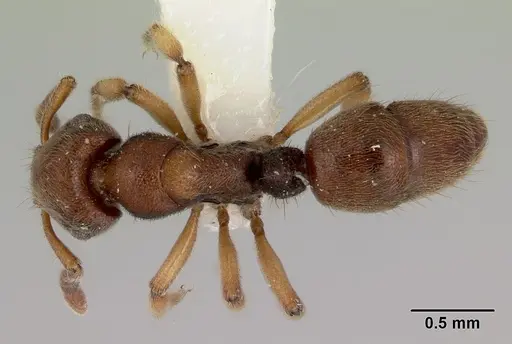
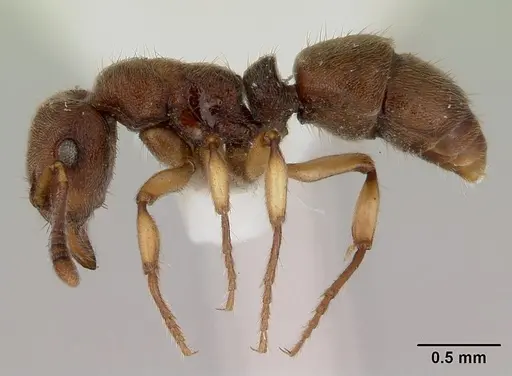
CASENT0172108
View on AntWeb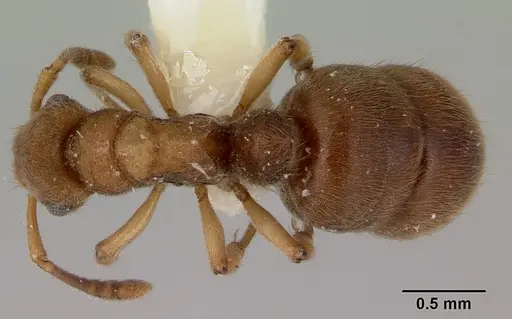
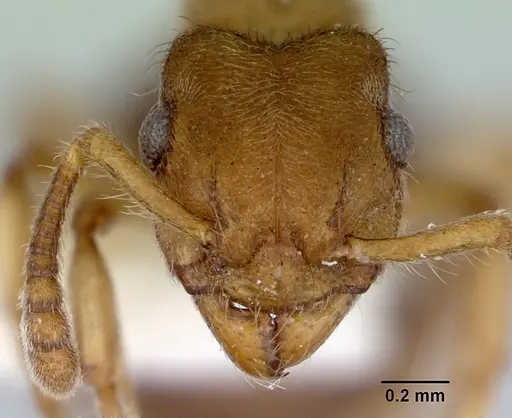
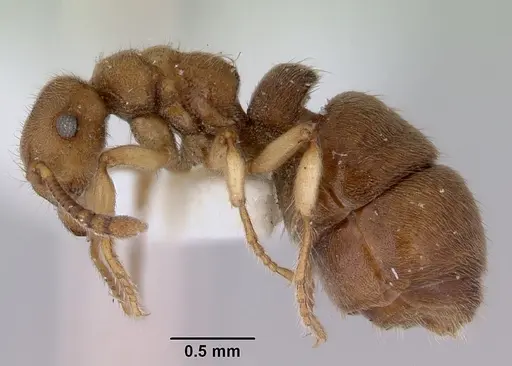
CASENT0172939
View on AntWeb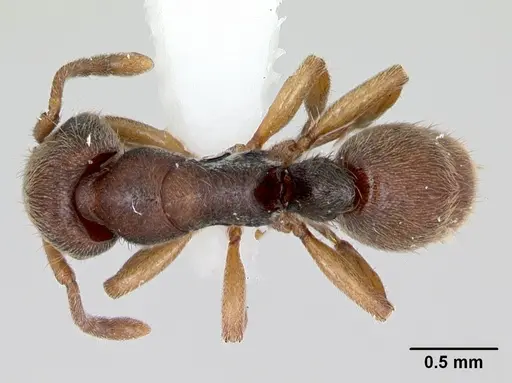
CASENT0172957
View on AntWeb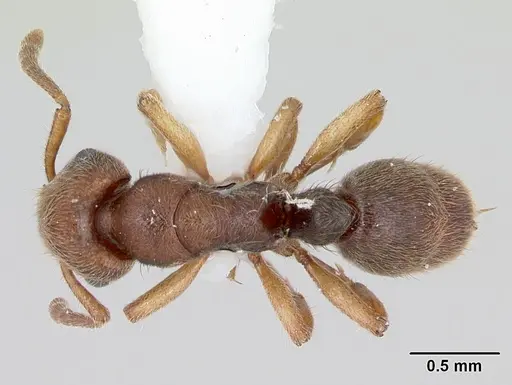
CASENT0902411
View on AntWeb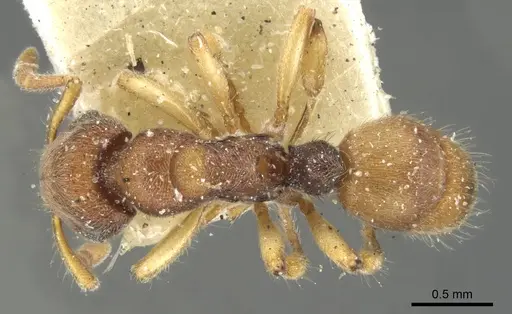
CASENT0907131
View on AntWeb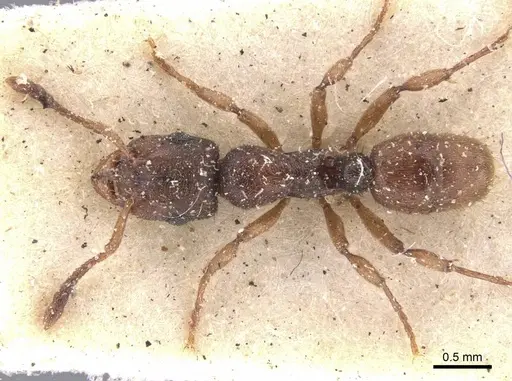
CASENT0922016
View on AntWeb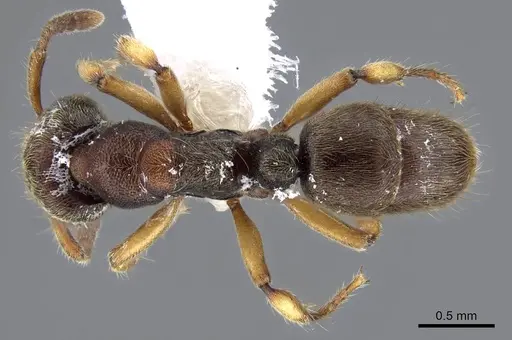
Literature
Loading...Loading products...