

Goniomma hispanicum
- Scientific Name
- Goniomma hispanicum
- Tribe
- Stenammini
- Subfamily
- Myrmicinae
- Author
- André, 1883
- Distribution
- Found in 6 countries
Goniomma hispanicum Overview
Goniomma hispanicum is an ant species of the genus Goniomma. It is primarily documented in 6 countries , including Algeria, Spain, France. Detailed taxonomic data and occurrence records can be further explored via authoritative databases such as AntWeb or the Global Biodiversity Information Facility (GBIF).
Goniomma hispanicum
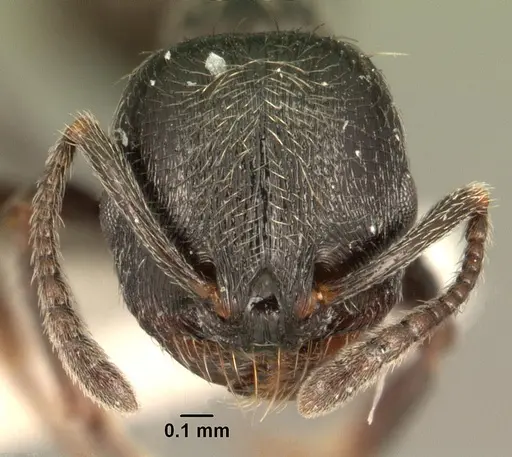
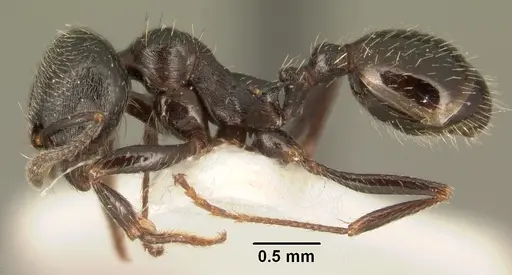
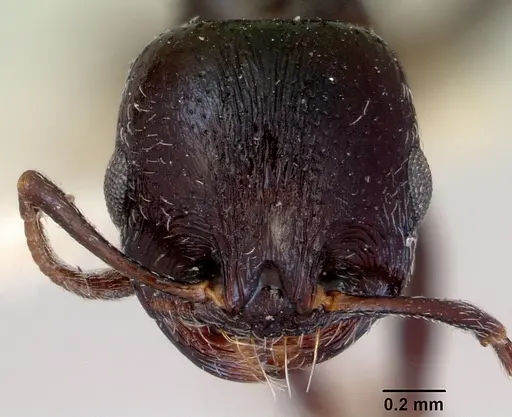
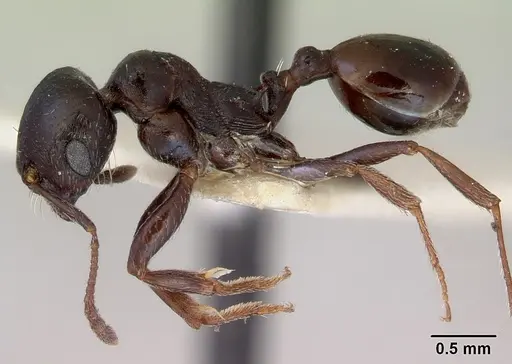
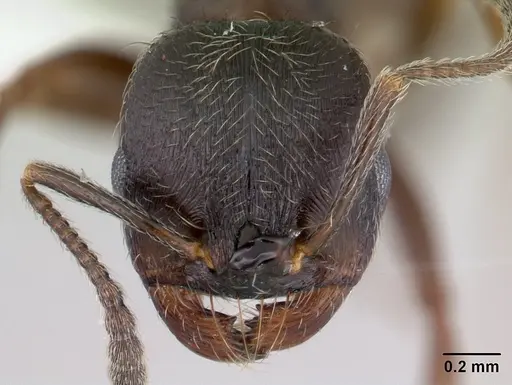
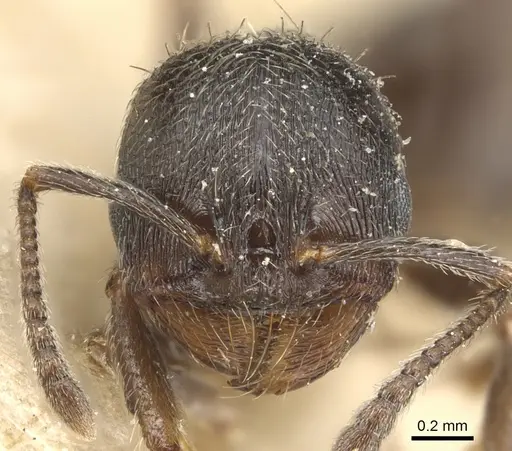
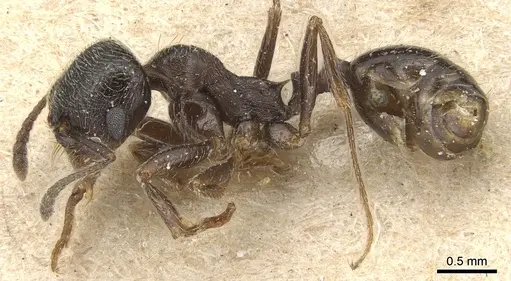
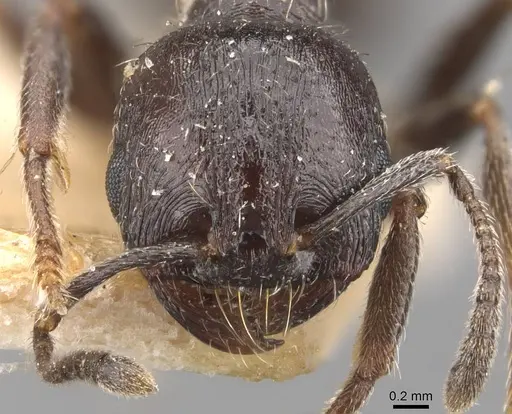
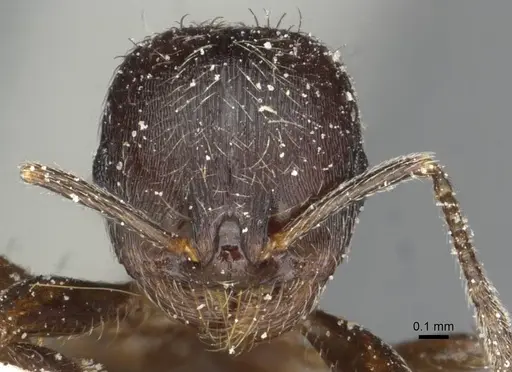
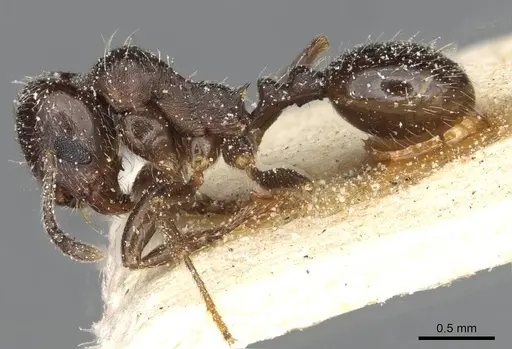
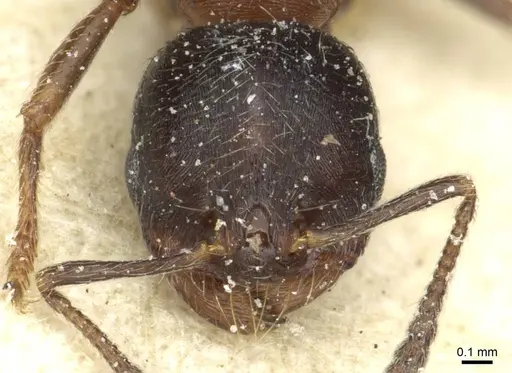
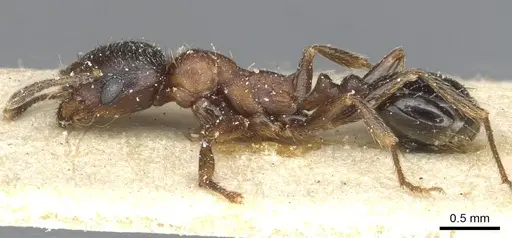
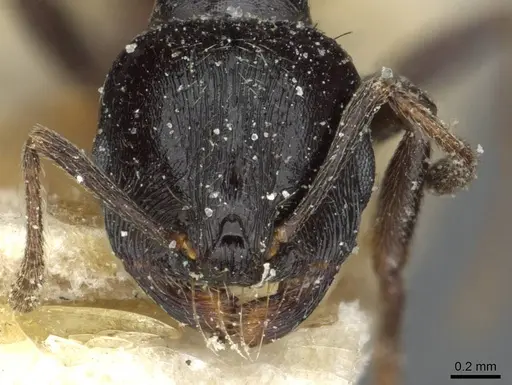
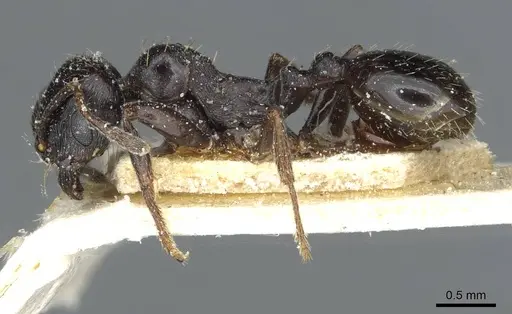
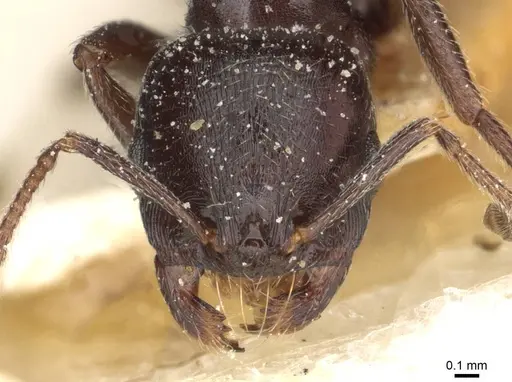
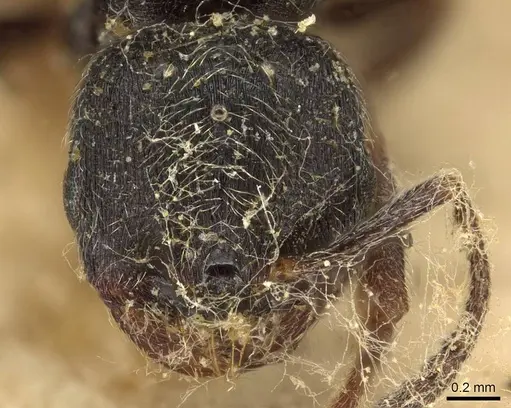
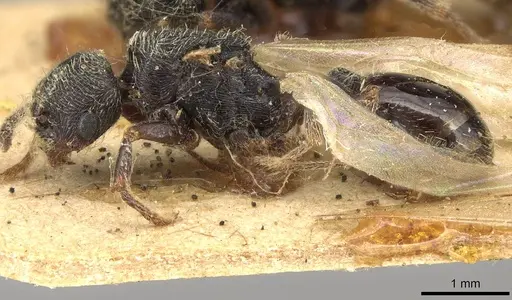
Goniomma hispanicum is a small, granivorous ant native to the western Mediterranean region, found across Spain, Portugal, France, Morocco, Tunisia, and Gibraltar. Workers measure around 4-6mm and have a distinctive appearance with strongly sculptured head and alitrunk (middle body section), giving them a dull texture, though the gaster (abdomen) shines more brightly. Color is highly variable, some colonies are uniformly black or brown, while others show a polycolored pattern with a reddish thorax and darker head and abdomen. This species has a well-developed stridulatory organ, producing audible sounds when disturbed. They are a nitrophilous species, meaning they thrive in nitrogen-rich soils often found in open grasslands, forest clearings, and scrub areas.
Quick Summary
- Difficulty: Medium
- Origin & Habitat: Western Mediterranean region (Spain, Portugal, France, Morocco, Tunisia, Gibraltar). Found in open grasslands, oak forest clearings, and shrubland zones at elevations of 244-640m. Prefers calcareous, warm, dry habitats [1][2][3].
- Colony Type: Monogyne (single-queen colonies). Nests are founded by isolated queens (haplometrosis) that develop into monogynous societies [4].
- Colony: Monogyne
- Founding: Claustral
- Size & Growth:
- Queen: Approximately 8mm based on related species and synonym G. maurum measurements [5].
- Worker: Approximately 4-6mm.
- Colony: Likely small to moderate colonies, typical for granivorous Myrmicinae. Estimated up to several hundred workers based on similar Stenammini species.
- Growth: Moderate, typical for seed-harvesting ants.
- Development: Estimated 6-10 weeks at optimal Mediterranean temperatures (20-26°C). This is based on typical Myrmicinae development patterns. (Development time is estimated, no specific studies on this species' development timeline exist.)
- Antkeeping:
- Temperature: Keep at 20-26°C. As a Mediterranean species from the Iberian Peninsula and North Africa, they prefer warm conditions. Room temperature (around 20-22°C) is typically suitable, with slight increases during active growth periods [1][2].
- Humidity: Low to moderate. This is a xerophilous (dry-loving) species from warm, calcareous habitats. Keep nest substrate moderately dry, allow it to dry out between waterings. Avoid overly damp conditions [2][1].
- Diapause: Likely mild winter rest period (2-3 months at 10-15°C) based on Mediterranean species patterns. However, this has not been specifically documented for this species.
- Nesting: Soil-nesting species. In captivity, use test tubes with dry to moderately moist substrate, or a naturalistic setup with sandy/soil mix. They prefer compact nesting material rather than loose substrate. A Y-tong or plaster nest with narrow chambers works well [2].
- Behavior: Goniomma hispanicum is a calm, non-aggressive species that is primarily granivorous (seed-eating). They are foragers that collect seeds and store them in the nest. They have a stridulatory organ that produces sounds when the colony is disturbed, this is a defensive behavior. Workers are not particularly large or aggressive, making them easy to handle. Escape risk is low to moderate, they are not known escape artists, but standard containment practices should still be followed. As Heat/Open specialists, they are most active in warm, sunny conditions [4].
- Common Issues: colonies may be slow to establish, seed-harvesting ants often have longer founding phases than predatory species, overwatering can be fatal, their natural habitat is dry and warm, so excess moisture causes problems, wild-caught colonies may carry parasites like Myrmicinosporidium fungus, which has been documented in Portuguese populations [6], their small size means care must be taken with escape prevention, though they are not strong climbers, nitrophilous nature means they may prefer soils with some organic content, plain sand alone may not be ideal
Nest Preferences and Housing
Goniomma hispanicum is a soil-nesting species that naturally excavates colonies in compact soil, often in open sunny areas with sparse vegetation. In captivity, they do well in test tube setups with a small chamber filled with compacted sandy soil, or in Y-tong nests with narrow passages scaled to their small size. They prefer warm, dry conditions, the nest substrate should be allowed to dry partially between waterings. Avoid overly moist or waterlogged conditions, as this species comes from arid to semi-arid Mediterranean habitats. A naturalistic setup with a sandy soil mix in a formicarium also works well, as they enjoy foraging on the surface. Provide a shallow water tube and occasional sugar water, though their primary diet is seeds. [2][1][4]
Feeding and Diet
As a granivorous species, Goniomma hispanicum primarily feeds on seeds. In captivity, offer a variety of small seeds such as millet, chia, flax, or grass seeds. They will also accept small insect pieces (like crushed mealworms or fruit flies) as protein supplements, though seeds should form the bulk of their diet. Like other seed-harvesting ants, they store seeds in the nest. They may also accept sugar water or honey occasionally, but this is not a primary food source. Feed seeds every 1-2 weeks, and protein every two weeks. Remove uneaten seeds periodically to prevent mold. This species is not a aggressive hunter, they rely more on seed collection than predation. [2][4][3]
Temperature and Seasonal Care
This Mediterranean species prefers warm conditions. Keep the nest area at 20-26°C, with room temperature typically being sufficient. They are Heat/Open specialists and are most active during warm, sunny conditions. During winter, they likely benefit from a mild rest period at 10-15°C for 2-3 months, mimicking Mediterranean winters. However, their range extends to relatively mild areas, so they may not require prolonged or deep hibernation. Monitor colony activity, if workers remain active throughout winter, they may not need a full diapause. Avoid temperatures below 10°C for extended periods. A heating cable on one side of the nest can create a temperature gradient if your room is cool. [1][2][4]
Behavior and Defense
Goniomma hispanicum is a calm, non-aggressive species that is well-suited to antkeeping. Workers are small (4-6mm) and not particularly aggressive. When threatened, they have a unique defense mechanism: they produce stridulatory sounds using a specialized organ (the pars stridens) located on their abdomen. This sound-producing structure is well-developed in this species, research shows it has the thinnest striation among studied Iberian Myrmicinae ants. They are primarily foragers that collect seeds, and they do not have a painful sting. Escape risk is low, they are not strong climbers and do not typically attempt to escape aggressively. Standard containment with smooth surfaces and tight-fitting lids is sufficient.
Colony Establishment
Colonies are founded by single queens (haplometrosis), the queen seals herself in a small chamber and raises the first workers alone, living on stored fat reserves until the nanitics (first workers) emerge. This is typical claustral founding behavior for Myrmicinae. Founding colonies may take longer to establish than some species because granivorous ants often have slower initial growth. Be patient during the founding phase, do not disturb the queen or open the test tube unnecessarily. Once the first workers emerge, the colony can be fed small seeds and occasional protein. Growth to a mature colony size of several hundred workers typically takes 1-2 years under good conditions. [4][2]
Frequently Asked Questions
How long does it take for Goniomma hispanicum to produce first workers?
Based on typical Myrmicinae development patterns, expect 6-10 weeks from egg to first worker at optimal temperatures (20-26°C). However, this is estimated as specific development data for this species does not exist. Founding colonies require patience, granivorous ants often grow more slowly than predatory species.
What do Goniomma hispanicum ants eat?
They are primarily granivorous (seed-eaters). Offer small seeds like millet, chia, or grass seeds. They also accept small protein sources like crushed mealworms or fruit flies occasionally. Sugar water or honey may be accepted but is not a primary food source. Remove uneaten seeds to prevent mold.
Can I keep multiple Goniomma hispanicum queens together?
No. This species is monogyne, colonies are founded by single queens and develop into single-queen societies. Combining unrelated queens is not recommended and would likely result in fighting. Only one queen should be kept per colony.
Do Goniomma hispanicum ants sting?
They do not have a painful sting. They are small, calm ants that are easy to handle. Their primary defense is producing stridulatory sounds (audible squeaking) when disturbed.
What temperature do Goniomma hispanicum ants need?
Keep them at 20-26°C. As a Mediterranean species from the Iberian Peninsula and North Africa, they prefer warm conditions. Room temperature (around 20-22°C) is typically suitable. A slight temperature gradient allows ants to regulate their own exposure to warmth.
Do Goniomma hispanicum ants need hibernation?
Likely a mild winter rest period (2-3 months at 10-15°C) based on their Mediterranean distribution. However, this has not been specifically documented. If your colony remains active in winter, they may not need a full diapause. Monitor their activity levels and adjust accordingly.
Are Goniomma hispanicum ants good for beginners?
They are moderate difficulty. They are calm and easy to handle, but their specific care requirements (warm, dry conditions) and slower growth may challenge complete beginners. Their seed-based diet is straightforward, but founding colonies require patience. They are a good intermediate species.
How big do Goniomma hispanicum colonies get?
Likely several hundred workers. This is typical for small granivorous ants in the Stenammini tribe. They are not a highly populous species like some Myrmicinae. Expect 1-2 years to reach several hundred workers under good conditions.
What type of nest should I use for Goniomma hispanicum?
Test tubes with compacted sandy soil, Y-tong nests with narrow chambers, or naturalistic setups with sandy soil mix. They prefer compact nesting material over loose substrate. Keep the nest warm and relatively dry, avoid overly moist conditions.
Why is my Goniomma hispanicum colony dying?
Common causes include: overwatering (they prefer dry conditions), temperatures too low (need 20-26°C), insufficient food (need regular seed offerings), or parasites (wild-caught colonies may carry fungi like Myrmicinosporidium). Ensure proper temperature and humidity, provide seeds as a primary food source, and quarantine wild-caught colonies if possible.
References

This caresheet is licensed under CC BY-SA 4.0 .
CASENT0101996
View on AntWeb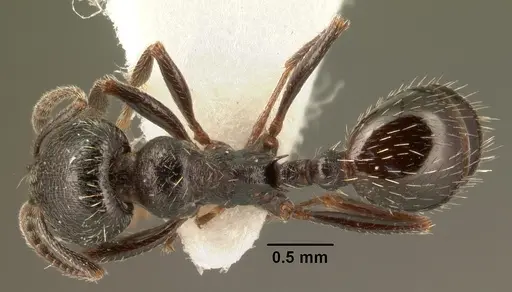
CASENT0172300
View on AntWeb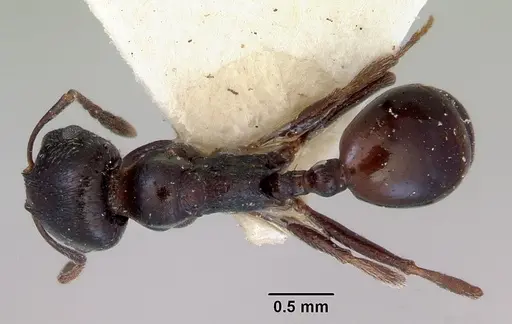
CASENT0178839
View on AntWeb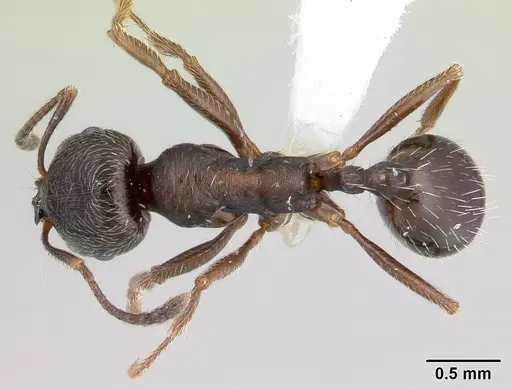
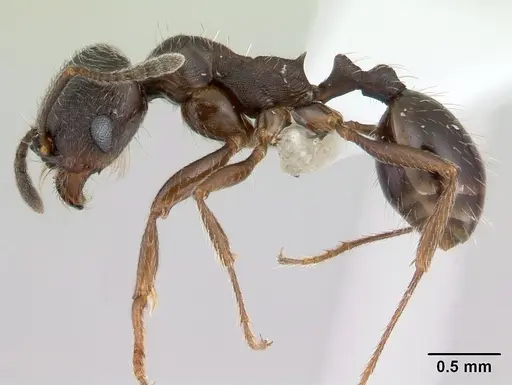
CASENT0901470
View on AntWeb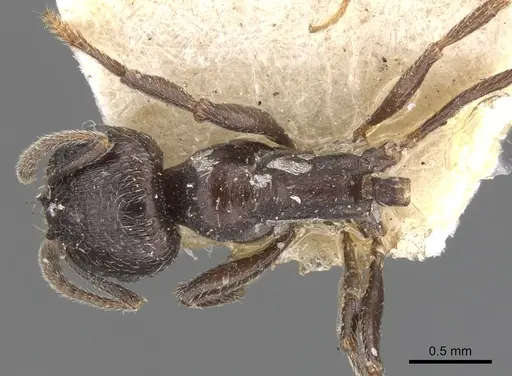
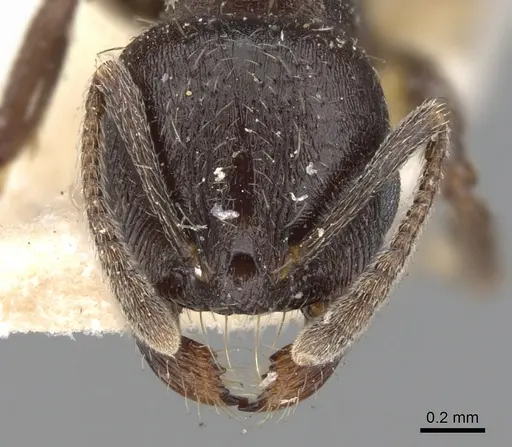
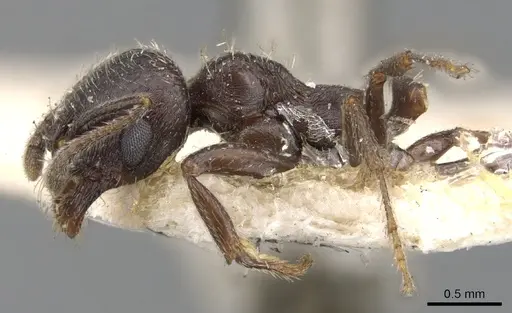
CASENT0904145
View on AntWeb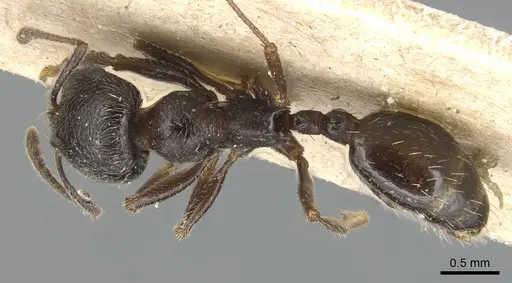
CASENT0907757
View on AntWeb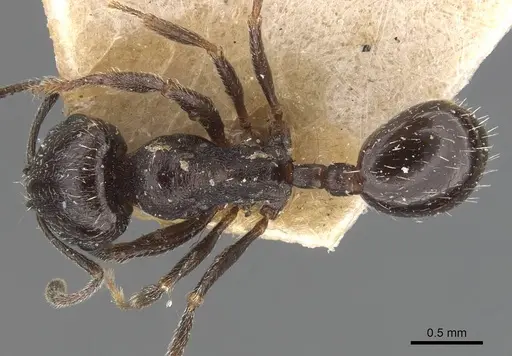
CASENT0913136
View on AntWeb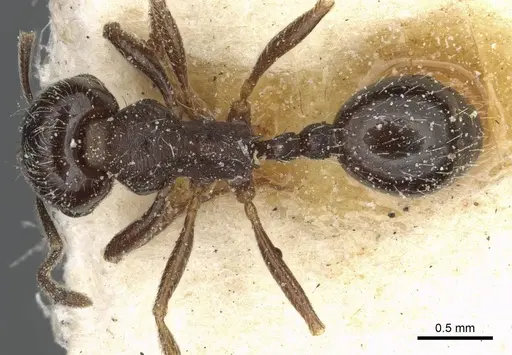
CASENT0913137
View on AntWeb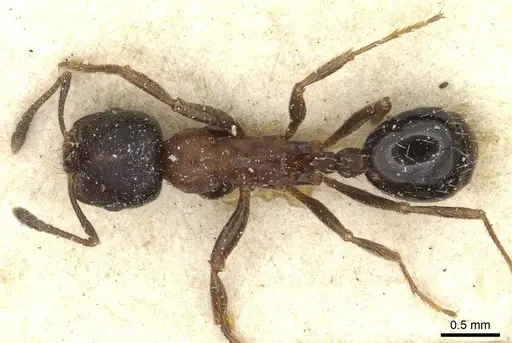
CASENT0913138
View on AntWeb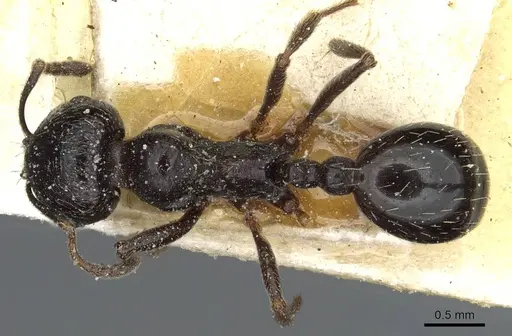
CASENT0913139
View on AntWeb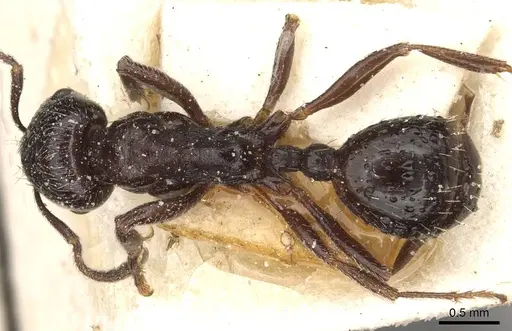
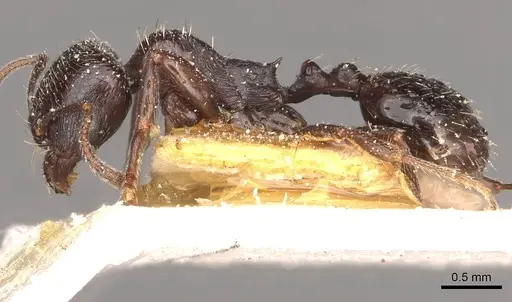
CASENT0913140
View on AntWeb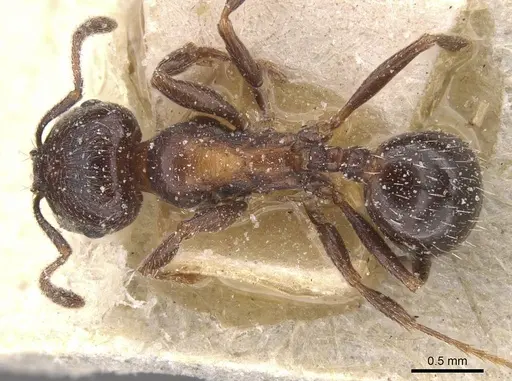
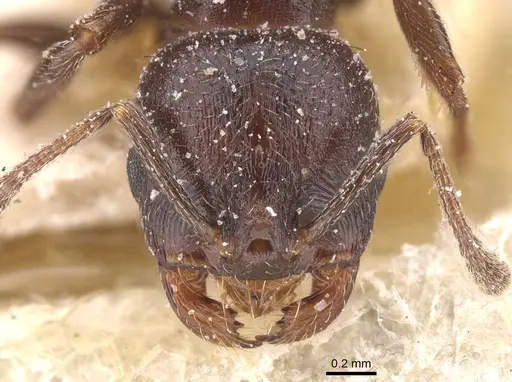
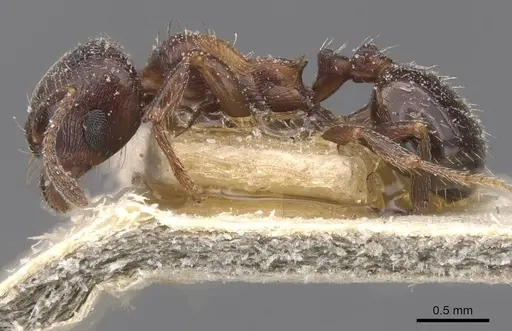
CASENT0915450
View on AntWeb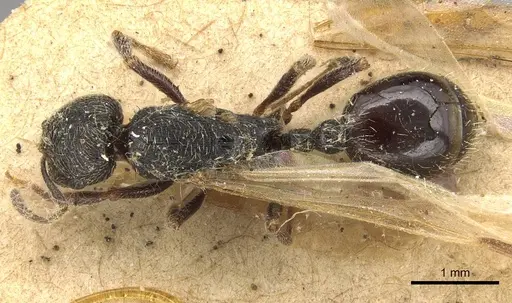
Literature
Loading...Loading products...