

Goniomma decipiens
- Scientific Name
- Goniomma decipiens
- Tribe
- Stenammini
- Subfamily
- Myrmicinae
- Author
- Espadaler, 1997
- Distribution
- Found in 1 countries
Goniomma decipiens Overview
Goniomma decipiens is an ant species of the genus Goniomma. It is primarily documented in 1 countries , including Spain. Detailed taxonomic data and occurrence records can be further explored via authoritative databases such as AntWeb or the Global Biodiversity Information Facility (GBIF).
Goniomma decipiens
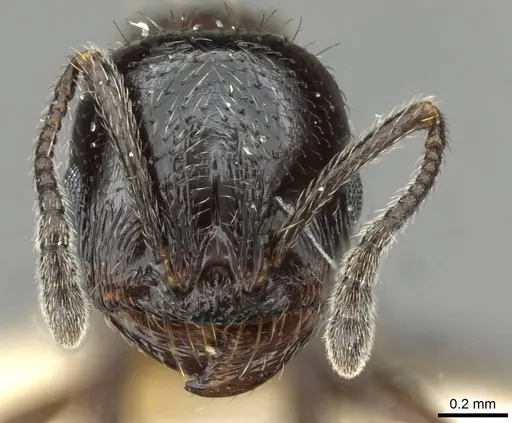
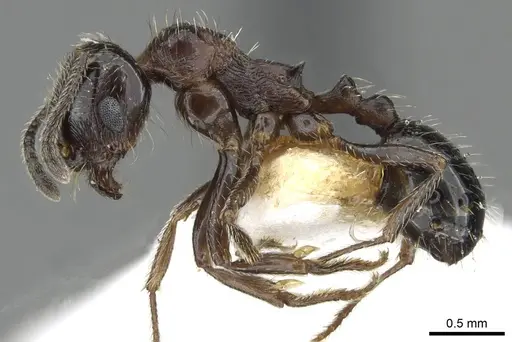
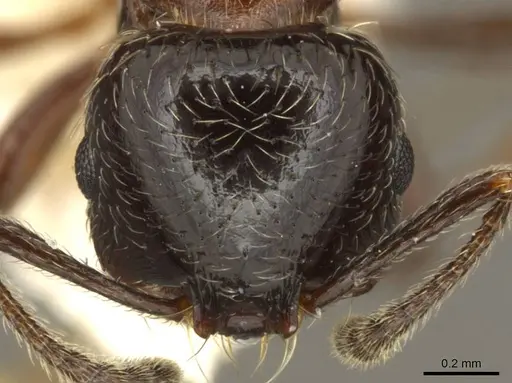
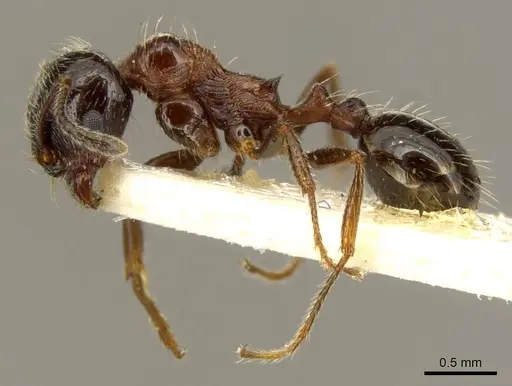
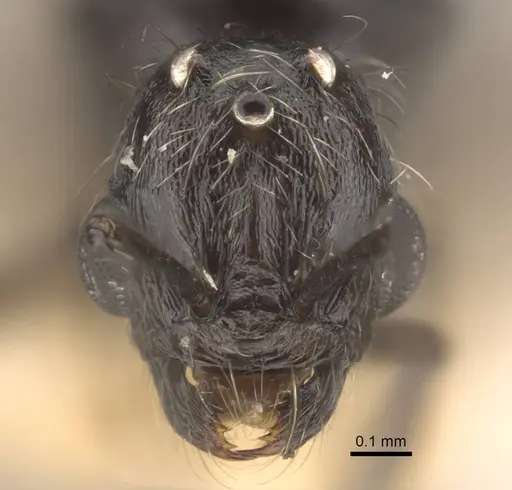
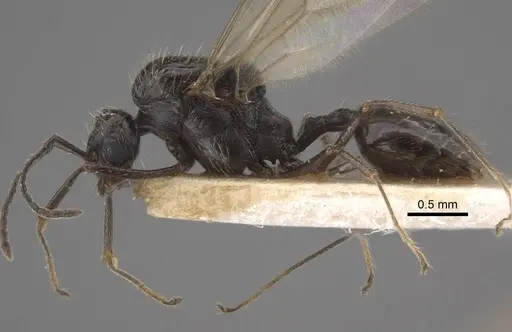
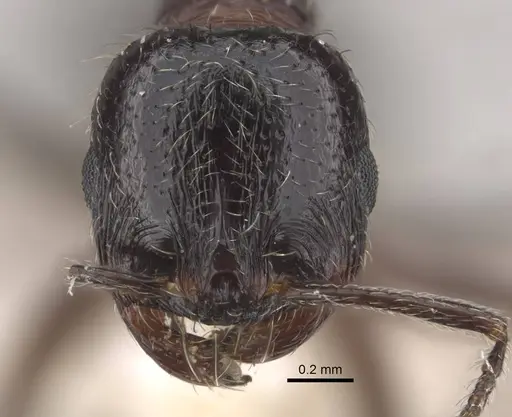
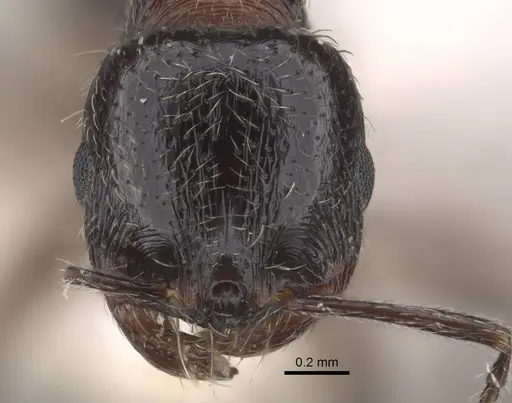
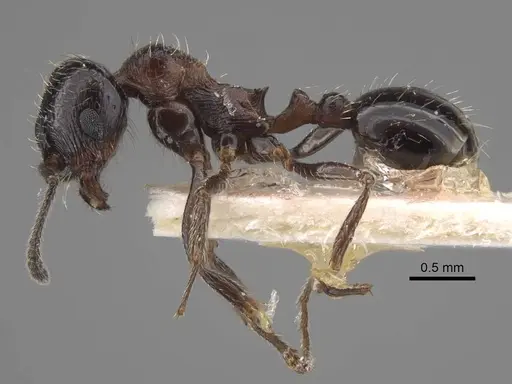
Goniomma decipiens is a small Myrmicine ant native to the Iberian Peninsula in Spain. Workers measure around 3-4mm with a distinctive bicolor pattern: the head and abdomen are dark while the mesosoma (middle body section) is reddish with some darkened areas on the pronotum and mesopleuron. The most striking feature is a prominent longitudinal carina (ridge) on the forehead, which distinguishes this species from related Goniomma species. The promesonotum has a gibbous (hump-like) profile when viewed from the side, falling toward the propodeum at about 130°. The head is largely smooth and shiny, while the mesonotum has a striated-reticulate texture. This species was described by Xavier Espadaler in 1997 and is known from several provinces across mainland Spain including Huesca, Ciudad Real, Albacete, and Cádiz [1][2][3].
Goniomma decipiens inhabits arid continental steppe environments with carbonate-rich soils and sparse vegetation. The genus Goniomma belongs to the Stenammini tribe and represents an extratropical Palearctic lineage [4]. This is a rarely kept species in captivity with limited available care information, making it better suited for antkeepers with some experience who want to work with an uncommon Mediterranean species.
Quick Summary
- Difficulty: Medium
- Origin & Habitat: Iberian Peninsula, Spain, arid continental steppe habitats with carbonate-rich soils and low vegetation at low altitudes [5][6][4]
- Colony Type: Unconfirmed colony structure, likely single-queen (monogyne) based on typical genus patterns, but not directly studied
- Size & Growth:
- Queen: Approximately 5-6mm (estimated based on genus patterns, not directly measured for this species)
- Worker: Approximately 3-4mm [1][2]
- Colony: Unknown for this species, likely small to moderate (under 500 workers) based on typical Goniomma colony sizes
- Growth: Moderate, unknown exact timeline, likely follows typical Myrmicinae development of 6-10 weeks from egg to worker at optimal temperature
- Development: Estimated 6-10 weeks at optimal temperature (25-28°C) based on typical Myrmicinae development patterns, no direct species-specific data available (Development time is estimated from related species, actual timeline may vary. Nanitics (first workers) typically appear smaller than normal workers.)
- Antkeeping:
- Temperature: Keep at 25-28°C during active season. This species comes from Mediterranean Spain and prefers warm conditions. A heating cable on one side of the nest creates a temperature gradient allowing workers to regulate their own exposure. Reduce temperature during winter rest period.
- Humidity: Low to moderate, these ants inhabit arid steppe environments. Keep nest substrate moderately dry with occasional misting. Allow areas to dry out between waterings. Avoid overly damp conditions that could cause mold.
- Diapause: Yes, as a Mediterranean species from temperate Spain, colonies likely require a winter rest period. Reduce temperature to 10-15°C for 2-3 months during winter (November-February in Northern Hemisphere). Do not feed during diapause but ensure some moisture is available.
- Nesting: In nature, they likely nest in soil under stones in arid habitats. In captivity, a Y-tong (AAC) nest or plaster formicarium works well. Provide moderate chamber sizes scaled to their small worker size. A small outworld allows for foraging. Avoid overly humid nest conditions.
- Behavior: Goniomma decipiens workers are small and active. They likely forage individually or in small groups for small prey and honeydew, typical of Myrmicinae ants. Their small size (3-4mm) means escape prevention is important, use fine mesh barriers and tight-fitting lids. Temperament is likely moderate, not particularly aggressive but will defend the colony. They are not known to sting significantly. Workers are likely to be generalist foragers accepting both protein and sugar sources.
- Common Issues: limited availability, this is a rarely kept species with few sources for queens or colonies, escape prevention is critical due to their tiny worker size, they can squeeze through standard formicarium gaps, winter diapause requirements may be unfamiliar to keepers of tropical species, slow colony growth can test beginner patience, colonies may take months to establish, no species-specific care information means keepers must adapt from related species
Natural History and Distribution
Goniomma decipiens is endemic to mainland Spain, known from provinces including Huesca (type locality at Sariñena), Ciudad Real, Albacete, and Cádiz [3][7]. More recently, populations have been documented in Catalonia at Alfés, Lleida at altitudes of 190-200m [6][5]. This species inhabits marked aridity zones characterized by continental steppe, carbonate-rich soils, and low characteristic vegetation [5][6]. The type specimens were collected from Sariñena in Huesca province, with paratypes from various locations across central and southern Spain [2]. The biogeographic region is Palearctic, with a latitude midpoint around 39.04°N, placing it in the extratropical category [4]. The species was formally described by Xavier Espadaler in 1997,making it a relatively recently described ant [1].
Identification and Morphology
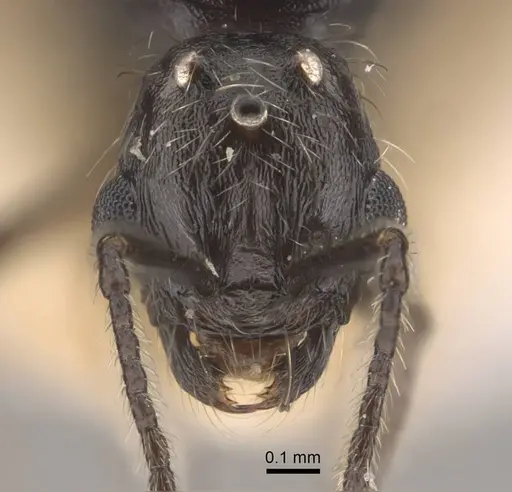
Workers of Goniomma decipiens are approximately 3-4mm in size with a distinctive bicolor appearance. The head and gaster (abdomen) are dark, while the mesosoma is reddish with some darkened areas particularly on the mesoepisternum and the dorsal surface of the pronotum [1][2]. The most characteristic diagnostic feature is a prominent longitudinal carina (ridge) on the front of the head, which distinguishes this species from other Goniomma species including the similar G. otini from Morocco [1][2]. The head is largely smooth and shiny. In lateral view, the promesonotum appears gibbous (hump-shaped) and falls toward the propodeum at an angle of approximately 130° [1][2]. The pronotum is mostly smooth with only anterior transverse striation, while the mesonotum has a striated-reticulate texture. The propodeum typically shows dorsal transverse striation that becomes longitudinal on the flanks, though this may be less pronounced in smaller individuals [1][2].
Nest Preferences and Housing
In their natural arid steppe habitat, Goniomma decipiens likely nests in soil under stones, a common behavior for small Myrmicinae in Mediterranean climates. For captive care, a Y-tong (acrylic) nest or plaster formicarium works well for this species. The chambers should be appropriately scaled to their small 3-4mm worker size, avoid overly large open spaces. Provide a small outworld connected to the nest for foraging. These ants prefer relatively dry conditions compared to many Myrmicinae, so allow the nest substrate to dry partially between waterings. A small water tube for humidity is sufficient, do not over-moisten the nest. Escape prevention is important due to their tiny size, use fine mesh barriers and ensure all connections are tight-fitting.
Feeding and Diet
As a typical Myrmicinae species, Goniomma decipiens is likely a generalist forager accepting both protein and carbohydrate sources. In captivity, offer small live prey such as fruit flies, pinhead crickets, or small mealworms twice weekly. Sugar water, honey, or diluted honey water should be provided constantly in the outworld. They likely also collect honeydew from aphids in the wild, so sugar sources are important for colony energy. Remove uneaten prey after 24-48 hours to prevent mold. Feed more generously during active growth periods and reduce feeding during winter diapause. Start with small portions and observe how quickly workers consume them.
Temperature and Seasonal Care
Goniomma decipiens originates from Mediterranean Spain and prefers warm conditions. Maintain nest temperatures around 25-28°C during the active season (spring through autumn). A heating cable placed on one side of the nest creates a gradient allowing workers to self-regulate their temperature preference. During winter, these ants require a diapause (winter rest) period typical of temperate species. Reduce temperatures to 10-15°C for 2-3 months, roughly November through February in the Northern Hemisphere. During diapause, reduce feeding significantly but ensure some moisture is available, a small water tube is sufficient. Do not feed protein during diapause. Resume normal feeding and heating gradually in spring as colony activity increases.
Colony Development and Growth
Specific development timeline data is not available for Goniomma decipiens, but based on typical Myrmicinae patterns, expect 6-10 weeks from egg to first worker at optimal temperature (25-28°C). The first workers (nanitics) will typically be smaller than subsequent workers. Colony growth is likely moderate, these are small ants with likely moderate colony sizes. Founding colonies may be slow to establish as the queen raises her first brood alone. Once workers emerge, growth typically accelerates. Maximum colony size is unknown but likely under 500 workers based on typical Goniomma patterns and small worker size. Patience is essential during the founding phase, do not disturb the queen or overfeed during this critical period.
Frequently Asked Questions
How long does it take for Goniomma decipiens to produce first workers?
The exact timeline is unconfirmed for this species, but based on typical Myrmicinae development, expect 6-10 weeks from egg to first worker at optimal temperature (25-28°C). The first workers (nanitics) will be smaller than normal workers. Patience is essential during the founding phase.
What do Goniomma decipiens ants eat?
They are likely generalist foragers. Offer small live prey (fruit flies, pinhead crickets, small mealworms) twice weekly as protein. Provide constant access to sugar water, honey, or diluted honey for carbohydrates. Remove uneaten prey after 24-48 hours.
What temperature do Goniomma decipiens need?
Keep them warm at 25-28°C during the active season. A heating cable on one side of the nest creates a temperature gradient. During winter, they need a diapause period at 10-15°C for 2-3 months.
Do Goniomma decipiens ants sting?
They are small Myrmicinae ants and possess a stinger, but due to their tiny size (3-4mm), they are unlikely to penetrate human skin significantly. They are not considered dangerous to keepers.
Are Goniomma decipiens good for beginners?
This species is not ideal for complete beginners due to limited available care information and specific temperature/humidity requirements. Some antkeeping experience is recommended. They are better suited for keepers who want to work with an uncommon Mediterranean species.
How big do Goniomma decipiens colonies get?
Maximum colony size is unknown but estimated to be small to moderate (under 500 workers) based on typical Goniomma colony sizes and their small 3-4mm worker size.
Do Goniomma decipiens need hibernation?
Yes, as a Mediterranean species from temperate Spain, they require a winter diapause. Reduce temperature to 10-15°C for 2-3 months during winter (roughly November-February). Reduce feeding during this period but ensure moisture is available.
Can I keep multiple Goniomma decipiens queens together?
Colony structure is unconfirmed for this species. It is not recommended to combine unrelated foundress queens, as fighting is likely. If the species is monogyne (single queen), multiple queens will result in combat.
What type of nest is best for Goniomma decipiens?
A Y-tong (AAC) nest or plaster formicarium works well. Use chambers appropriately sized for their tiny 3-4mm workers. They prefer relatively dry conditions, avoid overly humid setups.
Why are my Goniomma decipiens escaping?
Their small size (3-4mm) makes them excellent escape artists. Use fine mesh barriers on all openings, ensure connections are tight-fitting, and apply fluon or other barrier gels to rim edges. Check for any gaps larger than 1mm.
References

This caresheet is licensed under CC BY-SA 4.0 .
CASENT0911171
View on AntWeb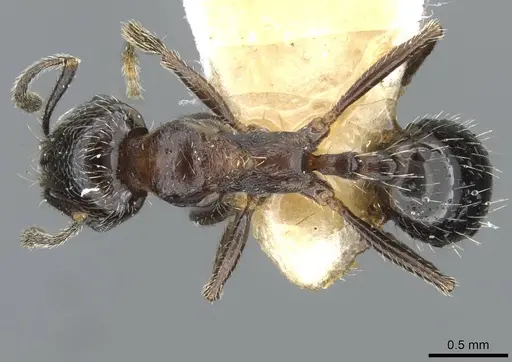
CASENT0916044
View on AntWeb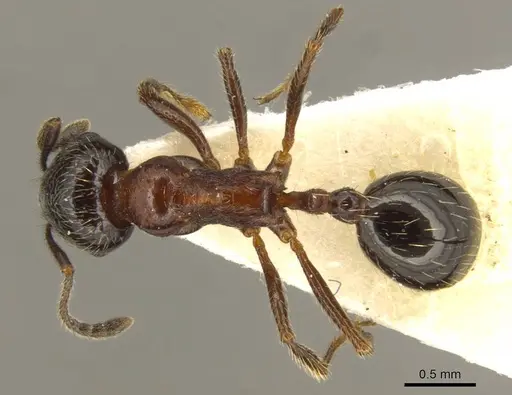
CASENT0917467
View on AntWeb
CASENT0917468
View on AntWeb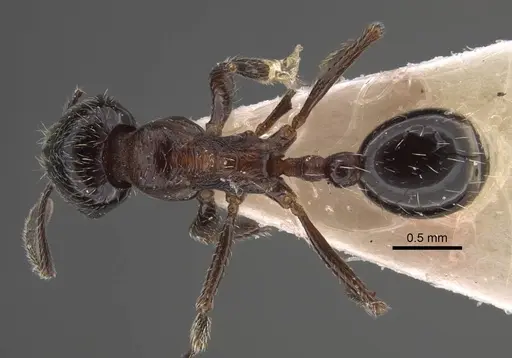
Literature
Loading...Loading products...