

Gnamptogenys volcano
- Scientific Name
- Gnamptogenys volcano
- Tribe
- Ectatommini
- Subfamily
- Ectatomminae
- Author
- Lattke, 1995
- Distribution
- Found in 1 countries
Gnamptogenys volcano Overview
Gnamptogenys volcano is an ant species of the genus Gnamptogenys. It is primarily documented in 1 countries , including Costa Rica. Detailed taxonomic data and occurrence records can be further explored via authoritative databases such as AntWeb or the Global Biodiversity Information Facility (GBIF).
Gnamptogenys volcano
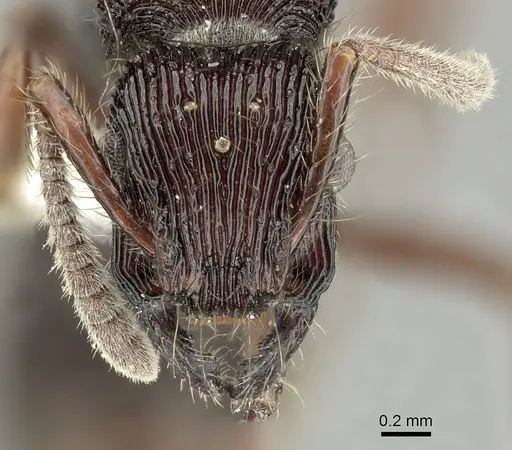
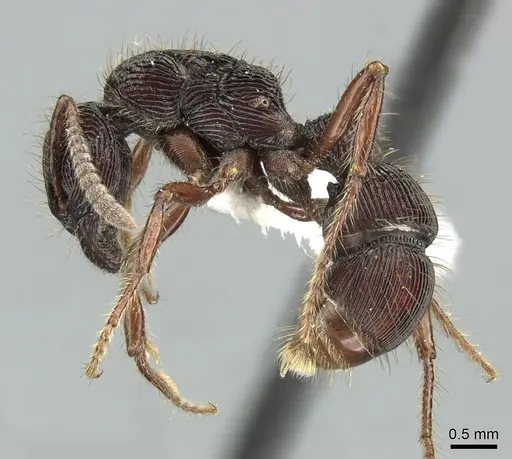
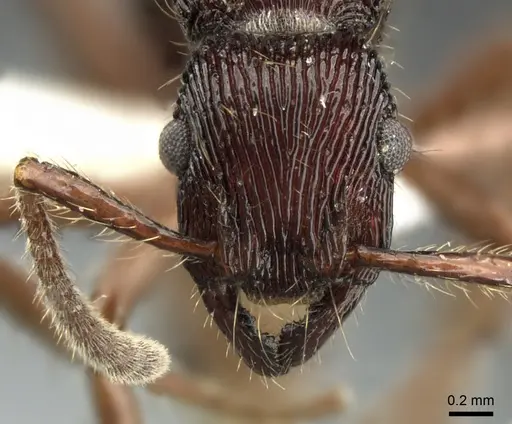
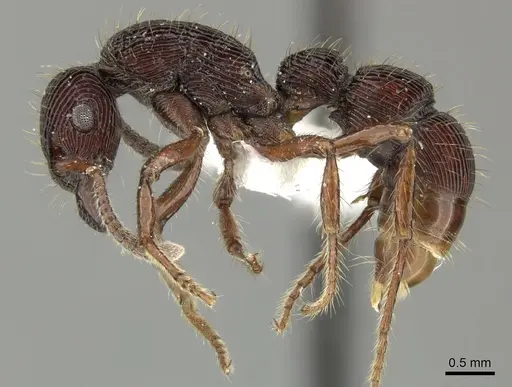
Gnamptogenys volcano is a small predatory ant species native to the tropical rainforests of Costa Rica. Workers measure approximately 1.2mm in head width and 1.93mm in body length, with a brown coloration and reddish-brown legs and antennae [1]. This species belongs to the Ectatomminae subfamily and is part of the sulcata species group, known for their distinctive longitudinal costulae (grooved markings) on the body. They were discovered near Volcán Barba in Heredia Province at 800m elevation, in wet forest leaf litter samples [1].
This species is notable for being one of the more obscure Poneromorph ants in the hobby, with virtually no documented captive breeding history. What makes them interesting is their specialized diet, they appear to specialize on hunting millipedes (Diplopoda), which is unusual among ants and represents a unique feeding challenge for keepers [2][3].
Quick Summary
- Difficulty: Expert
- Origin & Habitat: Costa Rica (Heredia Province, near Volcán Barba at 800m elevation). They inhabit wet tropical rainforest leaf litter in premontane forest zones [1].
- Colony Type: Unknown colony structure. As a Poneromorph ant, they likely have a single queen (monogyne) system typical of the subfamily, but this has not been documented.
- Size & Growth:
- Queen: Undocumented, estimated 4-5mm based on genus patterns
- Worker: 1.2mm head width,1.93mm Weber's length [1]
- Colony: Unknown, likely small colonies of under 100 workers based on typical litter-dwelling Poneromorph patterns
- Growth: Unknown, likely slow to moderate based on Poneromorph patterns
- Development: Unconfirmed, estimated 8-12 weeks based on related Ectatomminae species (No direct development data exists for this species. Estimates based on genus-level patterns for small tropical Poneromorphs.)
- Antkeeping:
- Temperature: Keep around 22-26°C. They come from a premontane tropical forest at 800m elevation, so they prefer warm but not extreme temperatures. A gentle gradient allowing them to choose their preferred spot works best.
- Humidity: High humidity required, think damp rainforest floor. Keep the nest substrate consistently moist but not waterlogged. Provide a water tube and ensure the setup retains humidity well.
- Diapause: Unlikely, being a tropical species from Costa Rica, they probably do not require a true hibernation period. However, slight temperature reduction during dry seasons may be beneficial.
- Nesting: In nature they live in wet forest leaf litter. In captivity, they do well in naturalistic setups with moist substrate (like a mixing bowl setup) or tight acrylic/plaster nests that hold humidity. They are tiny and require small chambers scaled to their size.
- Behavior: These are cryptic, litter-dwelling ants that hunt small prey. They are not aggressive toward humans and likely have minimal sting capability. Being so small, they pose no danger to keepers. They are slow-moving compared to some Poneromorphs and likely rely on hunting small arthropods in their substrate. Escape prevention is critical due to their tiny size, they can squeeze through remarkably small gaps. They are not colonial and should be kept in single-queen setups.
- Common Issues: specialized diet makes feeding challenging, they primarily eat millipedes which are difficult to source, almost no documented captive breeding success means keepers are largely experimenting, tiny size creates significant escape risk, fine mesh and tight seals are essential, slow colony growth can lead to keeper frustration and neglect, high humidity requirements can lead to mold problems if ventilation is poor
Species Identification and Range
Gnamptogenys volcano was described by Lattke in 1995 from specimens collected in Costa Rica's Heredia Province. The species name comes from the Latin word for volcano, referencing its type locality near Volcán Barba. It belongs to the ericae subgroup of the sulcata species group, making it closely related to Gnamptogenys sulcata. The workers can be distinguished by their relatively long clypeal lamella, the structure of their mesepisternum, and their distinctive costulae patterns. They have been found only in Costa Rica at elevations around 800m in premontane wet forest habitats [1].
Feeding and Diet
This is perhaps the most challenging aspect of keeping Gnamptogenys volcano. Research indicates they specialize on hunting millipedes (Diplopoda), which is an unusually specialized diet even for predatory ants [2][3][4]. In captivity, this presents a significant challenge as millipedes are not commonly available as feeder insects.
You should attempt to culture or source small millipedes if possible. Beyond millipedes, they will likely accept other small soft-bodied arthropods typical of the Poneromorph diet. Small fruit flies, springtails, and tiny mealworms might be accepted, but success is not guaranteed. Given their specialized nature, do not expect them to readily accept standard ant feeds like sugar water or honey, their diet appears to be primarily predatory. Start with offering small live prey and remove uneaten items promptly to prevent mold.
Housing and Nesting
In the wild, Gnamptogenys volcano lives in wet forest leaf litter, making them a truly cryptic species that rarely comes to the surface. For captivity, you need to replicate these humid, dark conditions. A naturalistic setup with moist substrate (often called a mixing bowl setup) works well for litter-dwelling species. Use a substrate that holds moisture well, a mix of soil and coco fiber works nicely.
Alternatively, a tight acrylic or plaster nest that maintains high humidity can work, but ensure the chambers are appropriately sized, these are tiny ants with workers around 2mm total length. The key is maintaining consistently damp substrate without flooding. Provide a water tube for drinking access. Because they are so small and escape through tiny gaps easily, escape prevention must be excellent, use fine mesh on any ventilation and ensure all seams are sealed. [1]
Temperature and Humidity
Being from a premontane tropical forest in Costa Rica at 800m elevation, Gnamptogenys volcano prefers warm and humid conditions. Aim for temperatures in the 22-26°C range, room temperature is likely suitable for most keepers. Avoid temperatures above 30°C as this could stress the colony.
Humidity is critical. These ants come from the wet forest floor where humidity is constantly high. Keep the substrate consistently moist but never waterlogged. The nest should have visible condensation at times. You can achieve this by covering most of the nest's ventilation and providing a water tube. However, you must balance this with some airflow to prevent mold growth, stagnant, overly wet conditions will kill the colony. [1]
Colony Development and Expectations
Honest assessment: we know very little about this species' captive biology. There are no documented breeding programs or established protocols for Gnamptogenys volcano in the antkeeping hobby. What you're doing is essentially experimental.
Based on related Poneromorph patterns, expect slow colony growth. Queens likely lay small numbers of eggs, and the development from egg to worker probably takes 2-3 months. Colonies will likely remain small, probably under 100 workers even at maturity. The founding claustral period (where the queen seals herself in and raises the first workers alone) has not been documented but is expected based on genus patterns.
Do not expect rapid growth or large colonies. This is a species for patient, experienced keepers who enjoy the experimental process.
Behavior and Temperament
Gnamptogenys volcano is a cryptic, litter-dwelling predator. Workers are small, slow-moving, and spend most of their time hunting through the substrate rather than foraging openly. They are not aggressive toward humans and given their tiny size, their sting would be negligible even if present.
These ants are not display species, you will rarely see them out in the open. They are best observed with patience, perhaps by setting up a naturalistic setup where you can occasionally spot them hunting through the leaf litter. Their specialized millipede diet means they are not the most active foragers for common prey items.
Due to their small size, escape prevention is essential. They can and will squeeze through gaps you wouldn't think possible. Inspect all connections, use fine mesh, and consider barrier methods like fluon on container rims. [1]
Frequently Asked Questions
How long does it take for Gnamptogenys volcano to produce first workers?
This is unconfirmed, but based on related Poneromorph species, expect 8-12 weeks from egg to worker at optimal temperature (around 24°C). No documented captive breeding timeline exists for this species.
What do I feed Gnamptogenys volcano ants?
They specialize on millipedes (Diplopoda) in the wild, which is difficult to provide in captivity. You should attempt to culture or source small millipedes. They may accept other small soft-bodied arthropods experimentally, but success is not guaranteed.
Are Gnamptogenys volcano ants dangerous?
No. They are tiny (around 2mm) and not aggressive toward humans. Their sting would be negligible even if present. They pose no danger to keepers.
Can I keep multiple Gnamptogenys volcano queens together?
This has not been documented. Based on typical Ectatomminae patterns, they likely form single-queen colonies. Do not attempt combining unrelated queens until more is known about their colony structure.
Do Gnamptogenys volcano ants need hibernation?
Unlikely. Being a tropical species from Costa Rica, they probably do not require a true hibernation period. Slight temperature reduction during dry seasons may be natural but is not required in captivity.
Why are my Gnamptogenys volcano dying?
Without documented captive protocols, colony failure is common. Likely causes include: inability to source appropriate prey (millipedes), improper humidity (too dry or too wet leading to mold), temperature stress, or escape-related losses. This species is considered experimental in captivity.
What size colony do Gnamptogenys volcano colonies reach?
Unknown, but likely small, probably under 100 workers at maturity. This is typical for litter-dwelling Poneromorph ants that live in confined microhabitats.
How do I set up a nest for Gnamptogenys volcano?
Use a naturalistic setup with moist substrate (soil/coco fiber mix) or a tight acrylic/plaster nest that holds humidity well. The key is maintaining consistently damp conditions while preventing escapes, they are tiny and require fine mesh barriers.
Are Gnamptogenys volcano good for beginners?
No. This species is rated Expert difficulty due to their specialized millipede diet, virtually unknown captive biology, and high humidity requirements. They are only suitable for experienced keepers who enjoy experimental species.
Where is Gnamptogenys volcano found in the wild?
Only in Costa Rica, specifically in Heredia Province near Volcán Barba at approximately 800m elevation. They live in wet premontane forest leaf litter.
References

This caresheet is licensed under CC BY-SA 4.0 .
CASENT0619180
View on AntWeb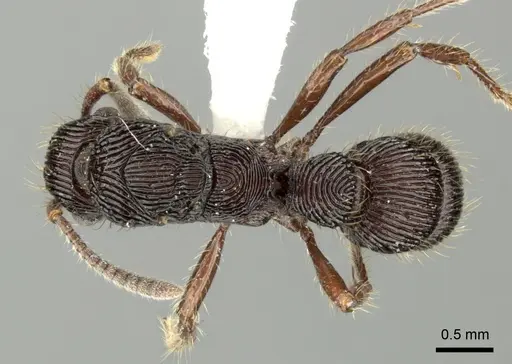
INBIOCRI001281044
View on AntWeb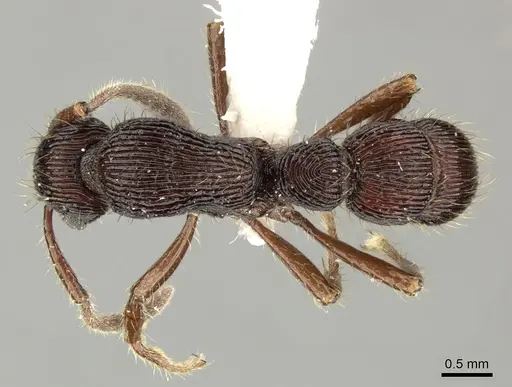
Literature
Loading...Loading products...