

Gnamptogenys regularis
- Scientific Name
- Gnamptogenys regularis
- Tribe
- Ectatommini
- Subfamily
- Ectatomminae
- Author
- Mayr, 1870
- Distribution
- Found in 12 countries
Gnamptogenys regularis Overview
Gnamptogenys regularis is an ant species of the genus Gnamptogenys. It is primarily documented in 12 countries , including Argentina, Brazil, Colombia. Detailed taxonomic data and occurrence records can be further explored via authoritative databases such as AntWeb or the Global Biodiversity Information Facility (GBIF).
Gnamptogenys regularis
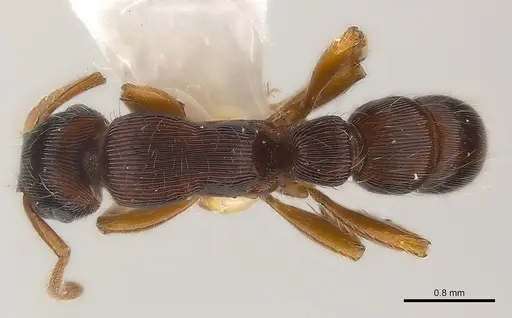
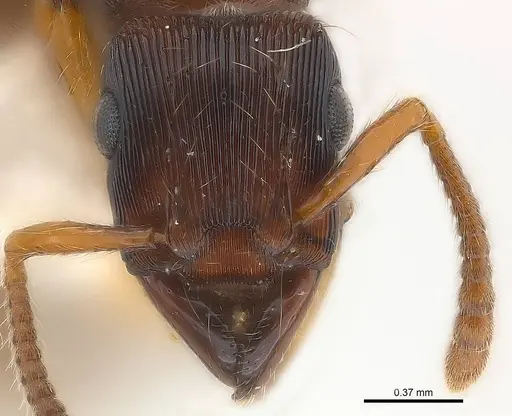
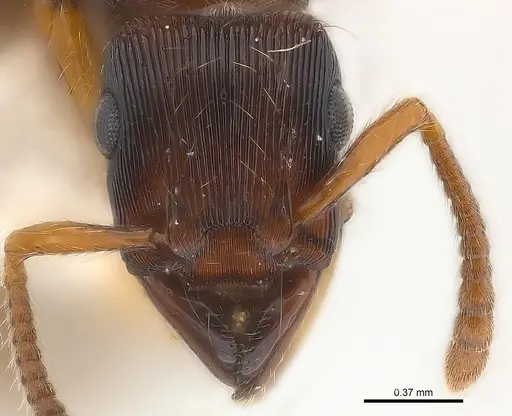
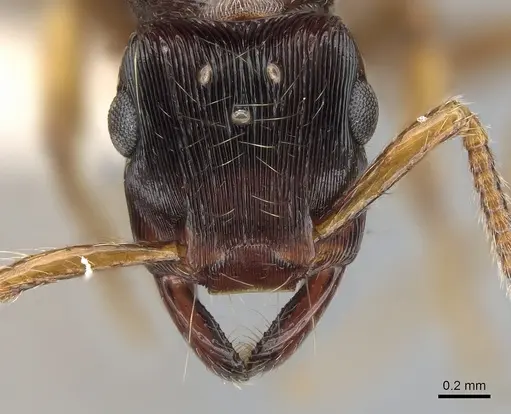
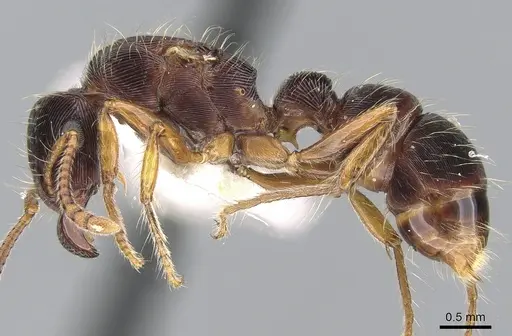
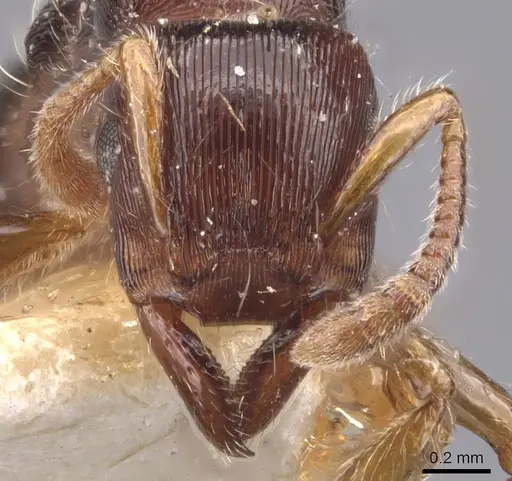
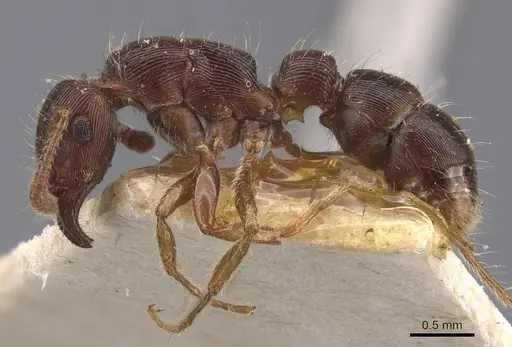
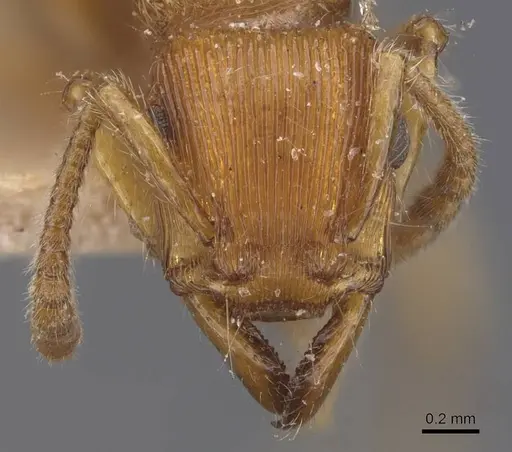
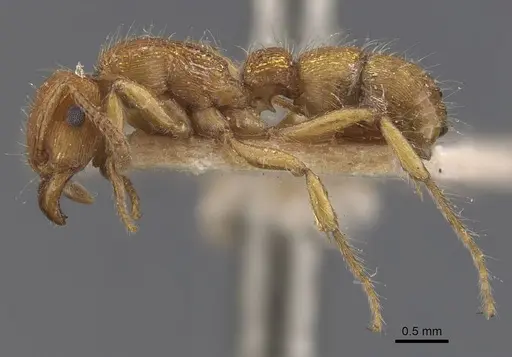
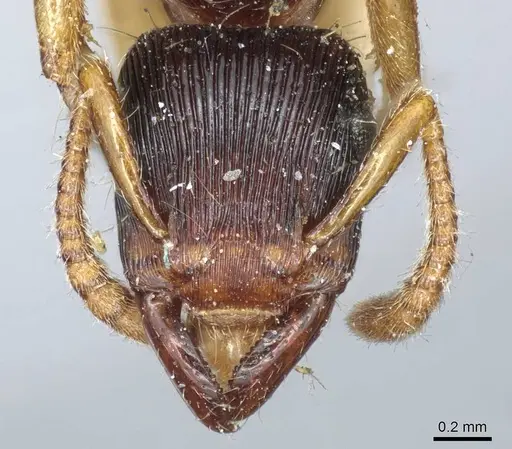
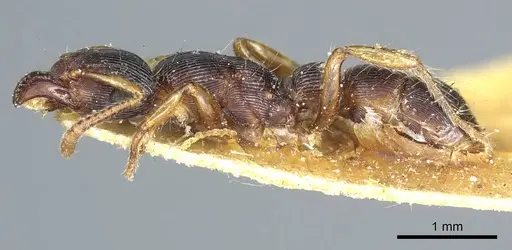
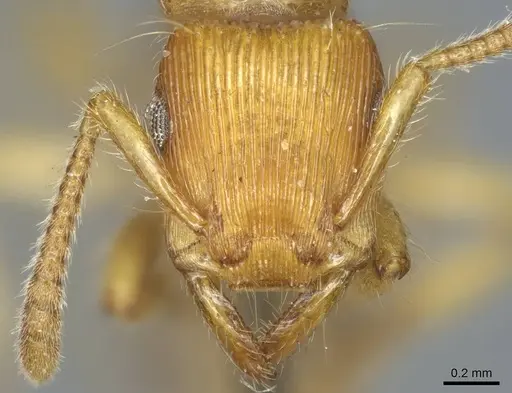
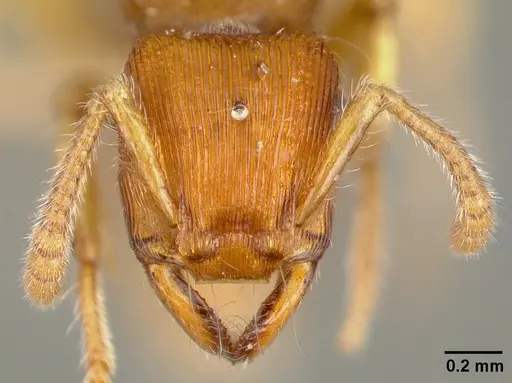
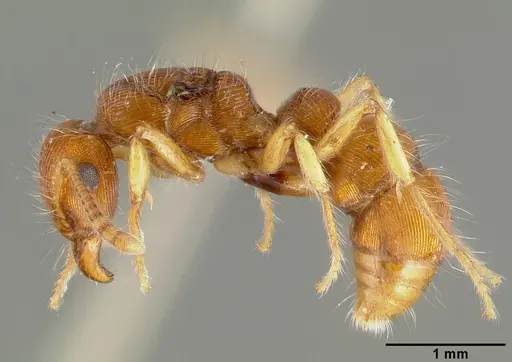
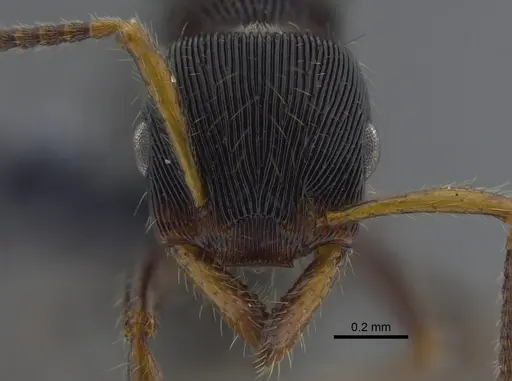
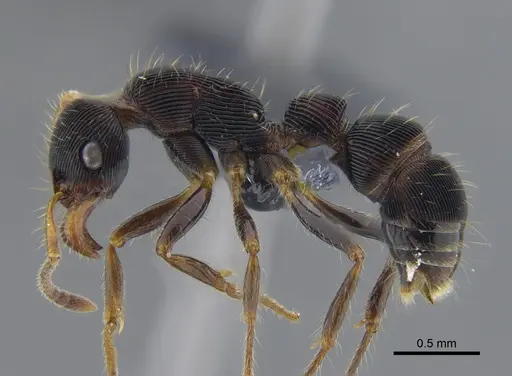
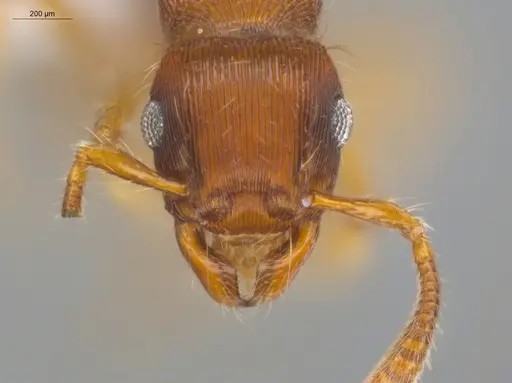
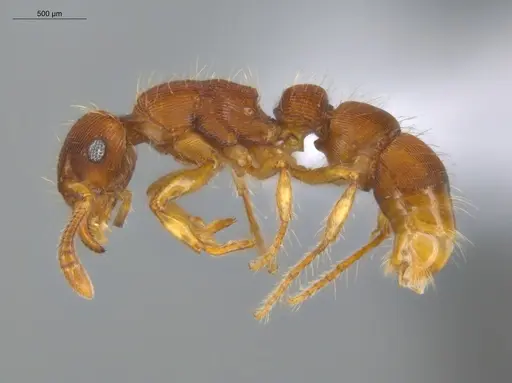
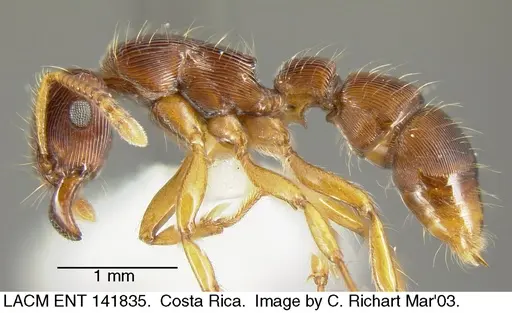
Gnamptogenys regularis is a medium-sized predatory ant native to the Neotropics, ranging from Mexico down to Paraguay. Workers measure around 5mm with queens slightly larger at 5.3mm. They have a distinctive dark brown body with lighter testaceous legs, and their most recognizable feature is the abruptly descending propodeum (the rear body section) with small angular lobes on each side. The body surface is strongly longitudinally striated (covered in fine parallel lines), giving them a textured appearance. These ants are opportunistic predators with a strong preference for beetles and other ants, making them fascinating predators to observe in captivity. They inhabit humid forest environments between 500-1000m elevation and have been recorded across much of Central and South America [1][2][3].
Quick Summary
- Difficulty: Medium
- Origin & Habitat: Neotropical region from Mexico to Paraguay, found in humid primary and secondary forests at 500-1000m elevation [2][4]
- Colony Type: Likely monogyne with ergatoid (wingless) replacement queens, one documented nest had 8 wingless queens alongside workers, suggesting functional monogyne with backup reproductives [2][3]
- Colony: Monogyne
- Size & Growth:
- Queen: 5.3mm [1]
- Worker: 5mm [1]
- Colony: Estimated 50-200 workers based on related species and nest samples [2]
- Growth: Moderate, estimated based on similar poneromorph ants
- Development: Estimated 6-10 weeks at tropical temperatures based on related Ectatommini species (Direct development data unavailable, estimate based on genus patterns for Poneromorph ants)
- Antkeeping:
- Temperature: Keep at 24-28°C, they are tropical ants from humid forests [2]
- Humidity: High humidity required (70-85%). Keep nest substrate consistently moist but not waterlogged, mimicking their humid forest floor habitat [2]
- Diapause: No, tropical species does not require hibernation. Maintain warm temperatures year-round
- Nesting: Y-tong or plaster nests work well. They prefer tight chambers and moderate to high humidity. Avoid dry conditions.
- Behavior: These are active predators with a clear preference for beetle larvae and other small ants. Workers forage in leaf litter and can be found along forest edges. They are not aggressive toward keepers but will defend their nest. They are not known to be escape artists, workers are a manageable 5mm size. They do not swim and avoid water [5].
- Common Issues: high humidity maintenance is critical, dry conditions will kill colonies, predatory diet means you need a reliable source of live prey like mealworms or small crickets, slow colony growth can lead to overfeeding if prey isn't consumed, tropical species cannot tolerate cool temperatures below 20°C, wild-caught colonies may contain parasites that can devastate captive populations
Housing and Nest Setup
Gnamptogenys regularis does well in Y-tong (acrylic) nests or plaster nests that can hold humidity. They prefer tight chambers scaled to their 5mm worker size. A test tube setup can work for founding colonies but you'll need to transition them to a formicarium once the colony reaches 15-20 workers. The key requirement is maintaining high humidity, these ants come from humid tropical forests and will not tolerate dry conditions. Use a water reservoir or moisture chamber to keep the nest substrate damp. A layer of dead leaves or small debris in the outworld helps simulate their natural leaf-litter foraging environment. [2][4]
Feeding and Diet
As predators, these ants need a protein-rich diet. They show strong preference for beetles (especially beetle larvae) and other small ants, this is well-documented in both field observations and nest debris analysis [6][7][2]. Offer small live prey like mealworm larvae, small crickets, or fruit flies twice weekly. Remove uneaten prey within 24 hours to prevent mold. Sugar water or honey can be offered occasionally but protein should make up the majority of their diet. Some keepers report success with small pieces of raw chicken or fish, but live prey is preferred for natural hunting behavior.
Temperature and Humidity
Keep your colony at 24-28°C year-round, these are true tropical ants that do not tolerate cool conditions. Temperatures below 20°C can be harmful. Humidity should stay high at 70-85%. The nest substrate should feel consistently moist to the touch. You can achieve this with a water reservoir connected to the nest chambers or by misting the substrate regularly. Avoid placing the nest near air conditioning or drafty windows. A small heat cable on one side of the enclosure can help maintain warmth if your room temperature runs cool, but always provide a temperature gradient so ants can move between warmer and cooler areas. [2]
Behavior and Colony Dynamics
This species forms colonies with ergatoid (wingless) queens that serve as replacement reproductives if the primary queen dies, a documented nest sample showed 8 wingless queens alongside workers [2][3]. Workers are active foragers that hunt through leaf litter, searching for beetle larvae and small ants. They are not particularly aggressive toward humans but will defend their nest vigorously. Workers communicate using chemical trails and may form small foraging columns. The colony will likely grow slowly at first but accelerate once you have 20-30 workers. Unlike some poneromorphs, they do not have potent stings, their sting is mild compared to many related species.
Growth and Development
Colony growth is moderate. Founding colonies may take 2-3 months to produce first workers (nanitics) and another 4-6 months to reach 20-30 workers. The colony likely peaks around 50-200 workers based on related species and documented nest samples. Unlike many ants, they do not form massive colonies, expect a modest but active colony. Regular feeding of varied protein sources supports healthy brood development. Watch for larvae and pupae in the nest chambers, they may be tended in groups rather than individually. [2]
Frequently Asked Questions
How long does it take for Gnamptogenys regularis to produce first workers?
Expect first workers (nanitics) around 6-10 weeks after the queen lays eggs, assuming optimal tropical temperatures of 26-28°C. This is an estimate based on related Ectatommini species since specific development data is not available for this species.
What do Gnamptogenys regularis ants eat?
They are predators that prefer beetle larvae and small ants. Offer live mealworms, small crickets, or fruit flies as primary food. They will occasionally accept sugar water or honey but protein should be the main diet. Remove uneaten prey after 24 hours.
Do Gnamptogenys regularis ants sting?
They have a stinger but it is mild, these ants are not considered dangerous to humans. They will bite if threatened but the pain is minimal compared to many related poneromorph ants.
Are Gnamptogenys regularis good for beginners?
They are rated Medium difficulty. The main challenges are maintaining high humidity and providing a steady diet of live prey. If you have experience with other predatory ants like Ponera or Pachycondyla, you should do well with this species.
How big do Gnamptogenys regularis colonies get?
Based on documented nest samples and related species, colonies likely reach 50-200 workers at maturity. They are not large colony formers like some Myrmicinae.
Do Gnamptogenys regularis need hibernation?
No, they are tropical ants from humid forests and do not require hibernation. Keep them warm at 24-28°C year-round. Cool temperatures below 20°C can be harmful.
Can I keep multiple Gnamptogenys regularis queens together?
This species has ergatoid (wingless) replacement queens in established colonies, but these are not multiple reproductive queens, they serve as backups if the primary queen dies. Combining unrelated foundress queens has not been documented and is not recommended.
Why are my Gnamptogenys regularis dying?
The most common causes are: low humidity (below 70%), temperatures below 20°C, or mold from uneaten prey. Check your humidity levels first, ensure the nest has moisture, and remove uneaten prey daily. Wild-caught colonies may also carry parasites.
References

This caresheet is licensed under CC BY-SA 4.0 .
CASENT0179948
View on AntWeb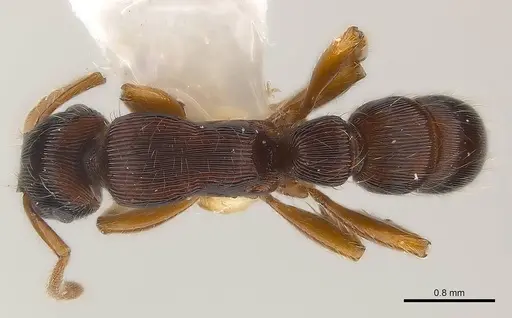
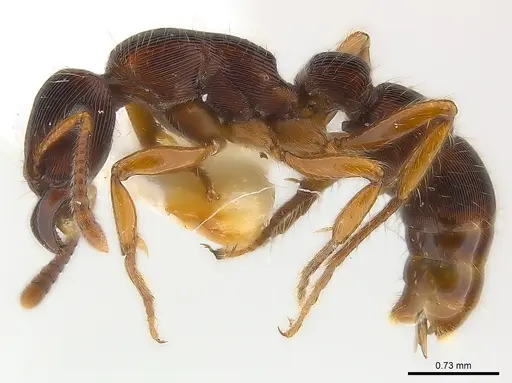
CASENT0281224
View on AntWeb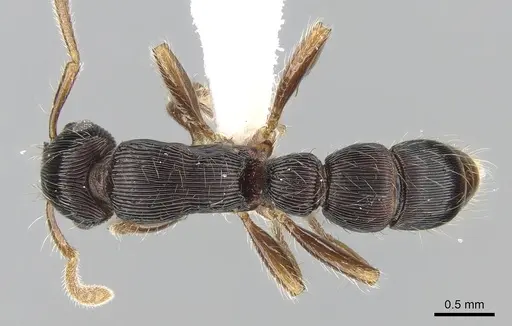
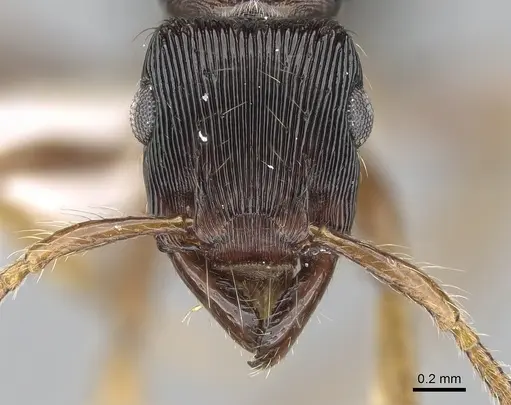
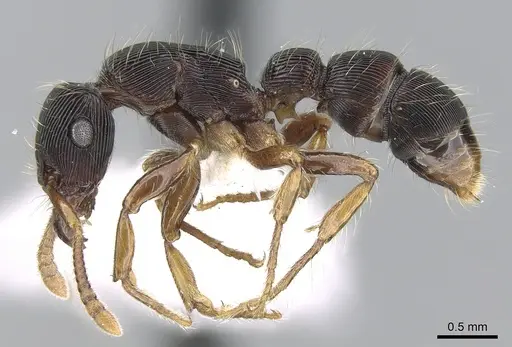
CASENT0281225
View on AntWeb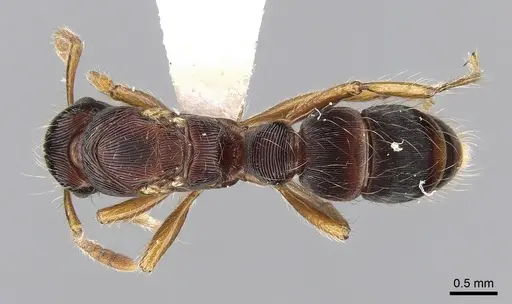
CASENT0907187
View on AntWeb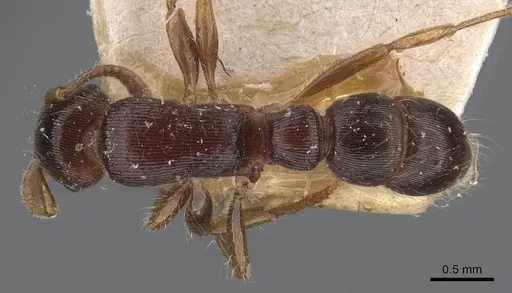
CASENT0907189
View on AntWeb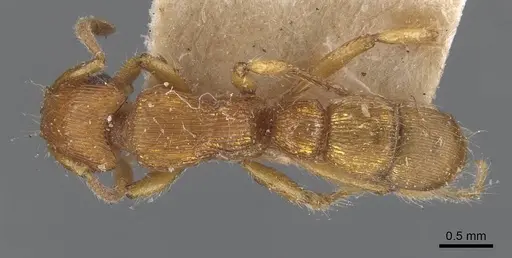
CASENT0915914
View on AntWeb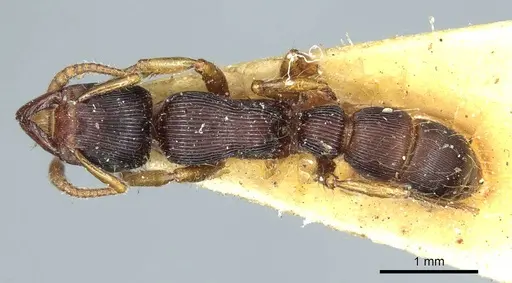
CASENT0915915
View on AntWeb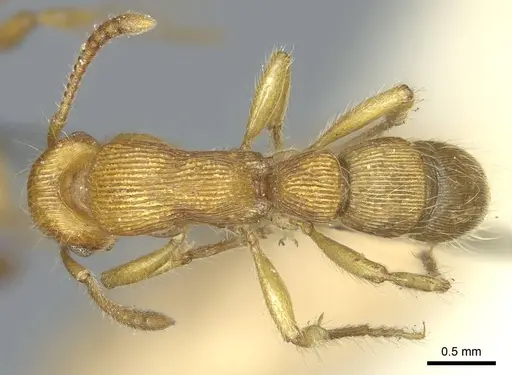
CASTYPE00616
View on AntWeb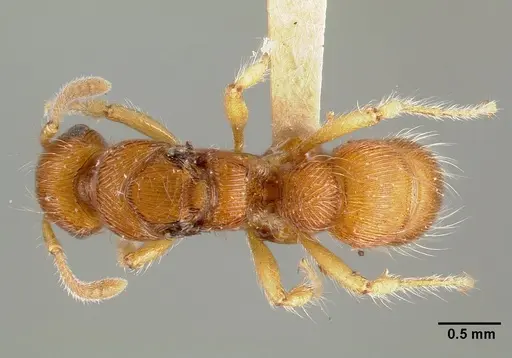
CBUMAGENT41749
View on AntWeb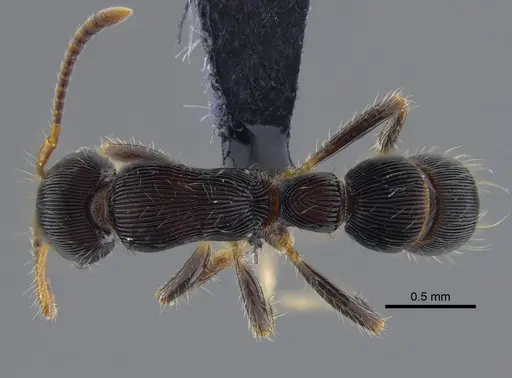
ECOFOG-GAL18-0129-14
View on AntWeb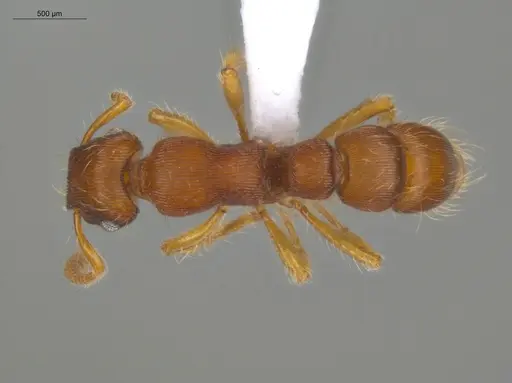
LACMENT141835
View on AntWeb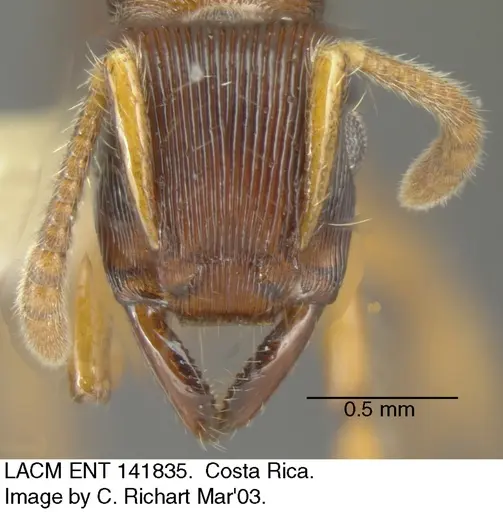
Literature
Loading...Loading products...