

Gnamptogenys interrupta
- Scientific Name
- Gnamptogenys interrupta
- Tribe
- Ectatommini
- Subfamily
- Ectatomminae
- Author
- Mayr, 1887
- Distribution
- Found in 5 countries
Gnamptogenys interrupta Overview
Gnamptogenys interrupta is an ant species of the genus Gnamptogenys. It is primarily documented in 5 countries , including Costa Rica, French Guiana, Mexico. Detailed taxonomic data and occurrence records can be further explored via authoritative databases such as AntWeb or the Global Biodiversity Information Facility (GBIF).
Gnamptogenys interrupta
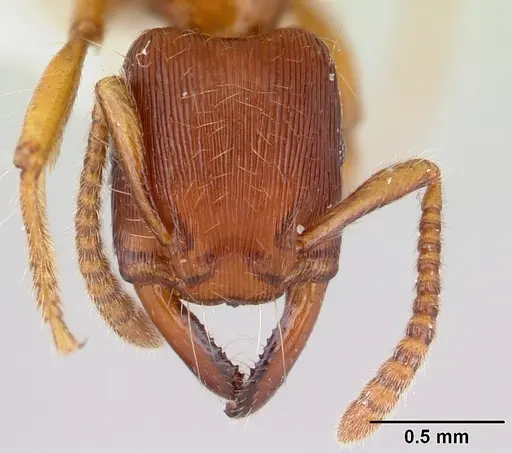
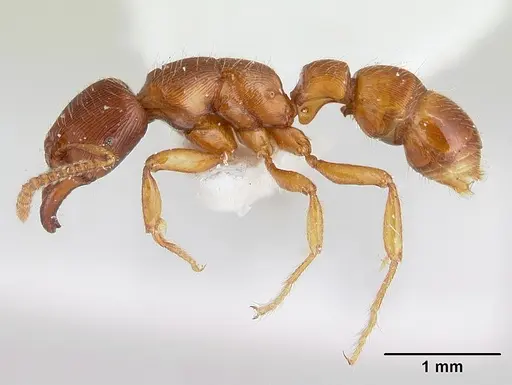
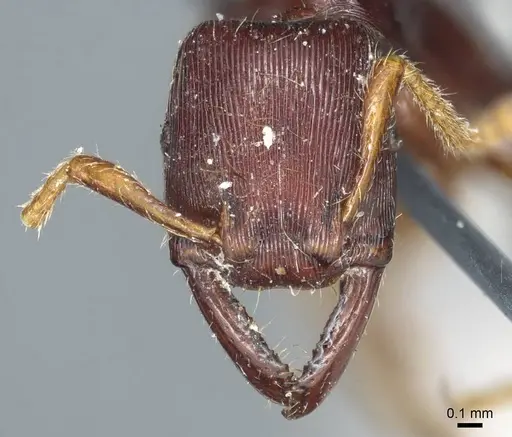
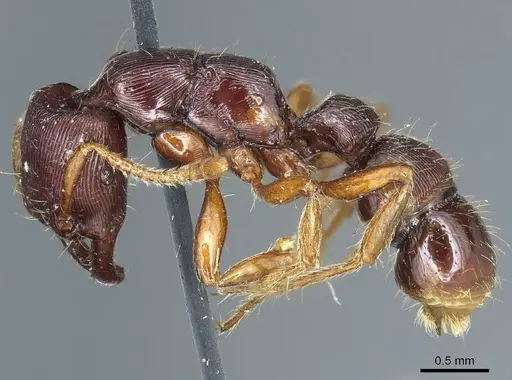
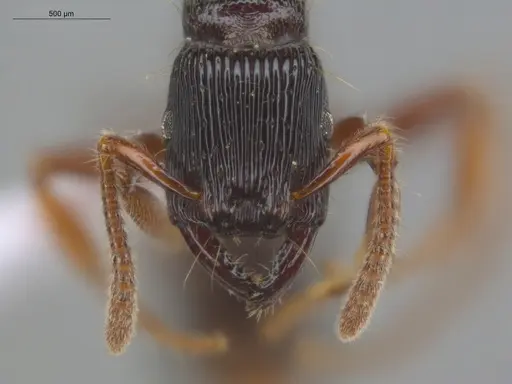
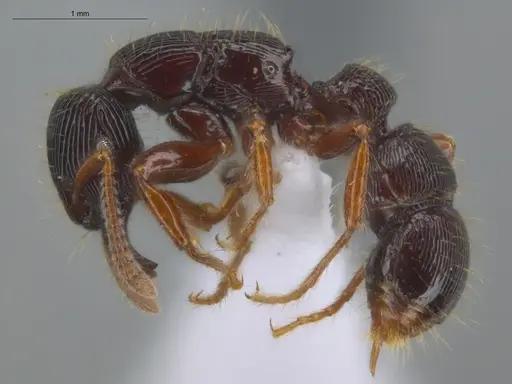
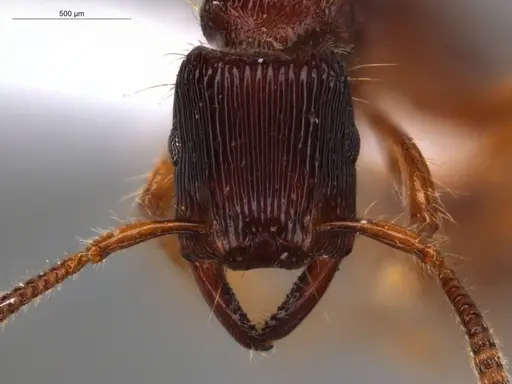
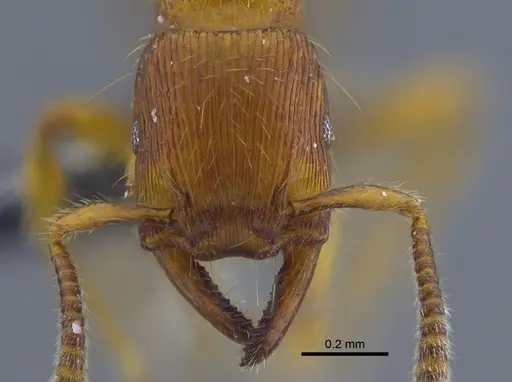
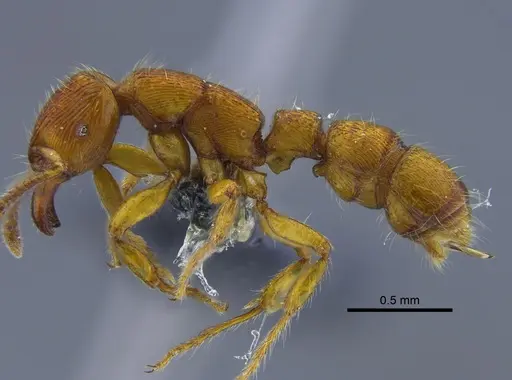
Gnamptogenys interrupta is a medium-sized predatory ant found across Central and northern South America, from Mexico down to Brazil. Workers measure around 6-8mm and have a distinctive reddish-brown body with rust-colored legs and antennae. Their most recognizable features are the longitudinal ridges (costae) running along the head, mesosoma, and first abdominal segment, while the second abdominal segment is smooth. They belong to the mordax species group and are commonly found in humid forest habitats, both in lowland areas and cloud forests up to 1,400 meters elevation [1][2][3].
These ants are specialized predators with a documented preference for preying upon beetles. They nest in decomposing wood on the ground and forage through leaf litter, making them a classic forest-floor hunter. Their semi-linear mandibles are designed for capturing and handling prey, and they lack the metacoxal tooth found in some related species [4].
Quick Summary
- Difficulty: Medium
- Origin & Habitat: Humid forests of Central America and northern South America, from Mexico through Guatemala, Honduras, Colombia, Venezuela to Brazil. Found in both primary and secondary humid forests, including cloud forests, from sea level up to 1,400 meters elevation [1][2][3]. Nests in decomposing wood on the ground [1][2][4].
- Colony Type: Colony structure is unconfirmed. Based on typical Gnamptogenys patterns, they likely form single-queen colonies (monogyne). Ergatoid (wingless replacement queens) have been documented in some related species but not specifically for G. interrupta.
- Size & Growth:
- Queen: Estimated 8-10mm based on genus patterns, specific measurements not documented in available research
- Worker: Approximately 6-8mm based on genus descriptions [1][2]
- Colony: Estimated 100-500 workers based on typical Gnamptogenys colony sizes, specific data not available
- Growth: Moderate, typical for tropical predatory ants
- Development: Estimated 6-10 weeks at tropical temperatures based on related species development patterns (Development time is inferred from genus-level data, specific egg-to-worker timeline has not been directly studied for this species)
- Antkeeping:
- Temperature: Keep at 22-26°C. They tolerate a range from 20-28°C, reflecting their presence in both lowland and montane humid forests. A gentle gradient allows workers to self-regulate [1][2].
- Humidity: High humidity is essential, these are forest-floor ants from humid environments. Keep nest substrate consistently moist but not waterlogged. Aim for 70-85% humidity in the nest area, with some drier retreat areas available [1][2][4].
- Diapause: Unlikely, as a tropical species from humid forests, they do not require a true hibernation period. However, they may reduce activity during cooler or drier seasons in their natural range.
- Nesting: Provide a naturalistic setup with decomposing wood or a well-moistened substrate. Y-tong nests or plaster nests work well, as they mimic the rotting wood conditions these ants naturally nest in. Keep the nest material consistently humid [1][2][4].
- Behavior: Gnamptogenys interrupta is a predatory ant that hunts through leaf litter and decaying wood. Workers are active foragers that search for prey, primarily beetles based on midden contents [4]. They are not particularly aggressive toward keepers but will defend their nest if threatened. Their small to medium size means they can escape through small gaps, use standard escape prevention. Workers are relatively slow-moving compared to some ponerine ants, which makes them easier to observe during hunting expeditions.
- Common Issues: high humidity requirements can lead to mold if ventilation is poor, balance moisture with adequate airflow, predatory diet means they need consistent live prey, colonies can fail if protein sources are unreliable, slow colony growth compared to common ants may frustrate beginners expecting rapid expansion, wild-caught colonies may carry parasites that can decimate captive populations, tiny escape risk due to moderate size, use proper barriers even though they aren't extremely small
Housing and Nest Setup
Gnamptogenys interrupta does well in setups that mimic their natural forest-floor habitat. A Y-tong (acrylic) nest or plaster nest with good moisture retention works well. The key is providing consistently humid conditions while avoiding stagnant air that causes mold. Fill the outworld with a layer of moist substrate (like a mixture of soil and sand) to allow natural foraging behavior. You can add pieces of decaying wood or leaf litter to give them hunting grounds. A water tube connected to the nest helps maintain humidity. Keep the nest area dark or dimly lit, these ants prefer subdued lighting and will be more active in shaded conditions. [1][2][4]
Feeding and Diet
As a predatory ant, G. interrupta needs a protein-rich diet. Their midden contents show a strong preference for beetles, so offer small live prey like fruit flies, small crickets, mealworms, and isopods [4]. They will also accept other small invertebrates. Unlike some ants, they are not particularly attracted to sugar sources, though you can offer occasional honey or sugar water, don't rely on it as a primary food. Feed protein prey 2-3 times per week, removing any uneaten prey after 24-48 hours to prevent mold. A constant clean water source is essential.
Temperature and Seasonal Care
Maintain temperatures between 22-26°C for optimal colony health and development. These ants tolerate a broader range (20-28°C) thanks to their presence in both lowland and montane forests up to 1,400m elevation [1][2]. A heating cable on one side of the nest creates a temperature gradient, allowing workers to choose their preferred zone. Since they come from humid tropical forests, avoid temperatures below 18°C for extended periods. They do not require true hibernation, but you may notice reduced activity during cooler months, this is normal and they should recover when temperatures warm. Keep humidity consistently high year-round.
Behavior and Observation
Watching Gnamptogenys interrupta hunt is one of the joys of keeping this species. Workers methodically search through leaf litter and decaying wood, using their semi-linear mandibles to capture prey. They are not fast-moving ants, which actually makes them easier to observe. When they find prey, they subdue it and carry it back to the nest. Colonies are defensive but not particularly aggressive, they will retreat from disturbance rather than swarm. Workers can live several years, and the colony will grow gradually through the year. Their moderate size (6-8mm workers) makes them easy to house with standard test tube setups for founding colonies. [4]
Colony Founding
The founding behavior of G. interrupta has not been directly documented in scientific literature. Based on typical Gnamptogenys patterns, the queen likely seals herself in a small chamber within decaying wood or soil and raises her first workers alone (claustral founding). The queen uses stored fat reserves to survive until the first nanitic workers emerge. During this time, she does not leave the nest to forage. Founding colonies should be kept in dark, humid conditions with minimal disturbance. Expect 6-10 weeks for the first workers to emerge based on related species development patterns.
Growth and Development
Colony growth is moderate rather than explosive. A well-established colony might reach 100-500 workers over several years. Development from egg to worker takes an estimated 6-10 weeks at optimal tropical temperatures, though this is based on genus-level inference rather than specific measurements for this species. The first workers (nanitics) are typically smaller than mature workers. Growth rate depends heavily on temperature, humidity, and food availability. These ants prioritize sustainable growth over rapid expansion, which is typical of predatory species that invest heavily in each brood.
Frequently Asked Questions
How long does it take for Gnamptogenys interrupta to produce first workers?
Based on related species, expect 6-10 weeks from egg to first worker at optimal temperatures (22-26°C). This timeline is an estimate since specific development data for G. interrupta is not available.
What do Gnamptogenys interrupta ants eat?
They are predators that prefer beetles and other small invertebrates. Offer live prey like fruit flies, small crickets, mealworms, and isopods. They may accept occasional honey or sugar water but should not rely on sweet foods as a primary diet.
Can I keep multiple Gnamptogenys interrupta queens together?
Combining unrelated queens has not been documented for this species. Based on typical Gnamptogenys behavior, it is not recommended, they likely form single-queen colonies. If you obtain a wild colony, it will typically have one founding queen.
Do Gnamptogenys interrupta ants sting?
As a member of the subfamily Ectatomminae (poneromorph ants), they have a functional stinger. However, their sting is not medically significant for humans and they are not particularly aggressive. They will only sting if directly threatened or handled roughly.
What temperature do Gnamptogenys interrupta ants need?
Keep them between 22-26°C. They can tolerate 20-28°C thanks to their wide elevation range (sea level to 1,400m). A temperature gradient allows workers to self-regulate.
Are Gnamptogenys interrupta ants good for beginners?
They are rated as medium difficulty. They require more specific care than common ants (high humidity, predatory diet) but are not as challenging as some specialized species. Beginners should be prepared for their specific humidity and dietary needs.
Do Gnamptogenys interrupta ants need hibernation?
No, they do not require true hibernation. As tropical forest ants, they are active year-round at appropriate temperatures. You may notice reduced activity during cooler periods, but this is not a hibernation requirement.
How big do Gnamptogenys interrupta colonies get?
Based on typical Gnamptogenys sizes, colonies likely reach 100-500 workers over several years. They are not supercolonial and maintain moderate colony sizes.
Why are my Gnamptogenys interrupta ants dying?
Common causes include: low humidity (they need 70-85% in nest area), insufficient protein prey (they need regular live prey, not just sugar), mold from poor ventilation, or parasites from wild-caught colonies. Ensure humid conditions, provide consistent live prey, and use proper ventilation.
References

This caresheet is licensed under CC BY-SA 4.0 .
CASENT0178679
View on AntWeb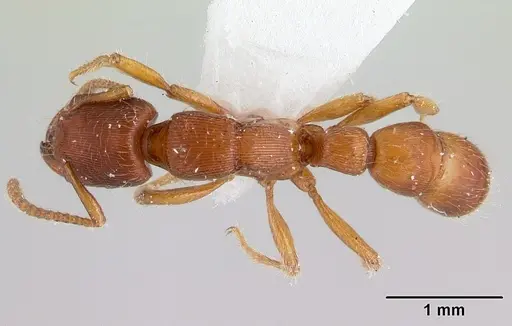
CASENT0915912
View on AntWeb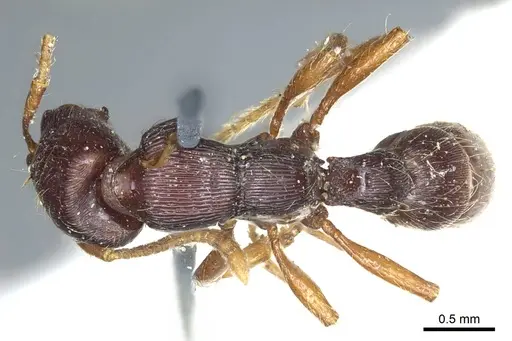
ECOFOG-MI15-0486-07
View on AntWeb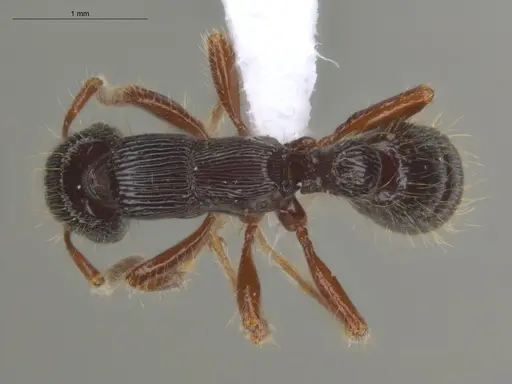
ECOFOG-SL13-0997-11
View on AntWeb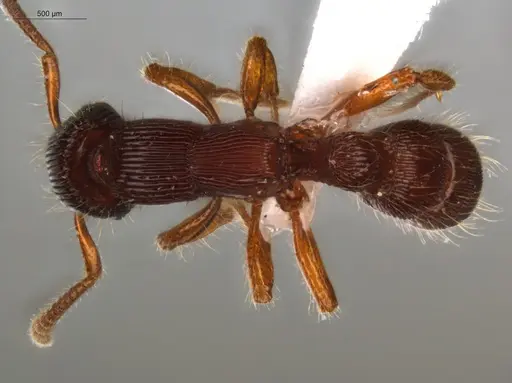
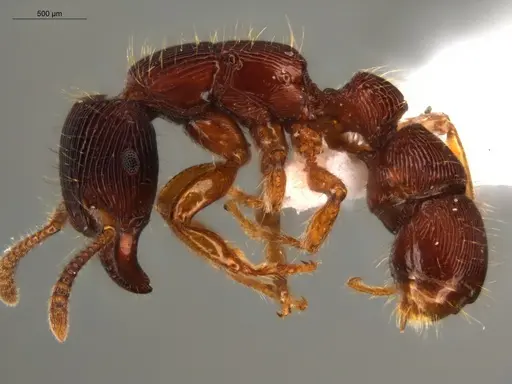
IAVH-E-262225
View on AntWeb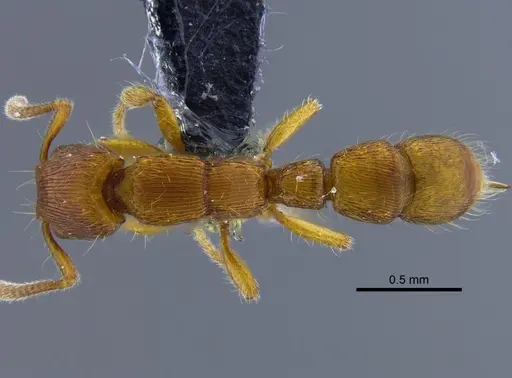
Literature
Loading...Loading products...