

Gnamptogenys horni
- Scientific Name
- Gnamptogenys horni
- Tribe
- Ectatommini
- Subfamily
- Ectatomminae
- Author
- Santschi, 1929
- Distribution
- Found in 9 countries
Gnamptogenys horni Overview
Gnamptogenys horni is an ant species of the genus Gnamptogenys. It is primarily documented in 9 countries , including Bolivia, Plurinational State of, Brazil. Detailed taxonomic data and occurrence records can be further explored via authoritative databases such as AntWeb or the Global Biodiversity Information Facility (GBIF).
Gnamptogenys horni
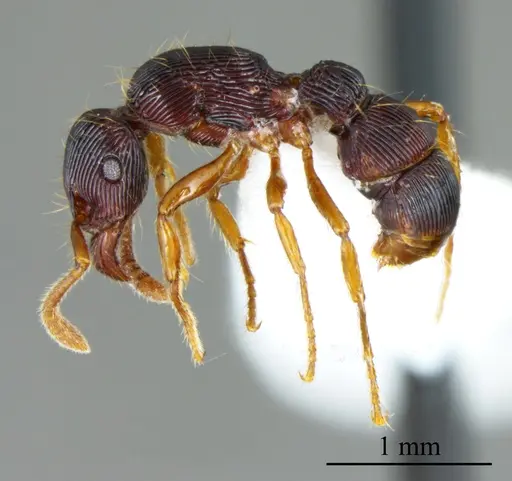
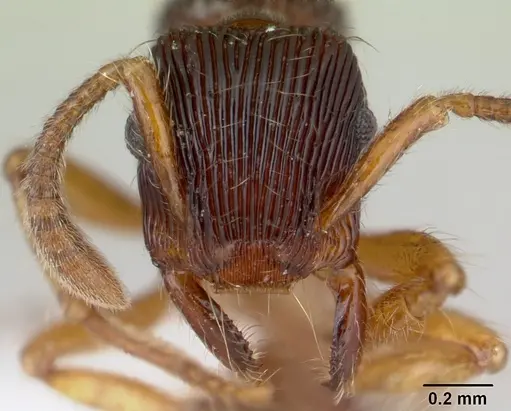
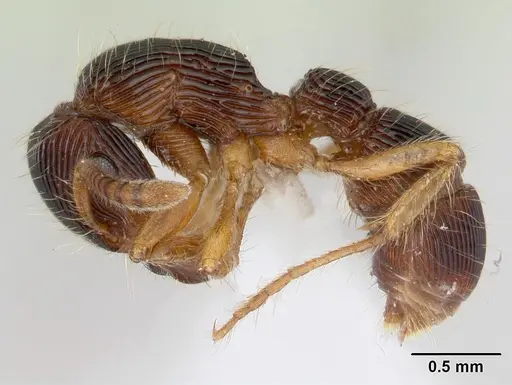
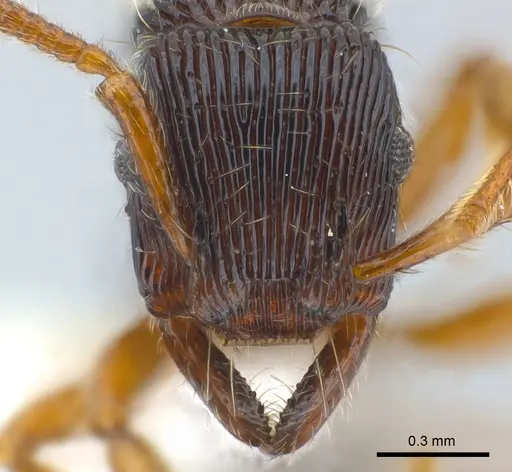
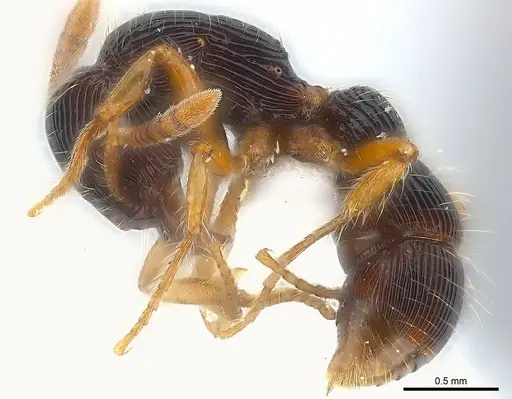
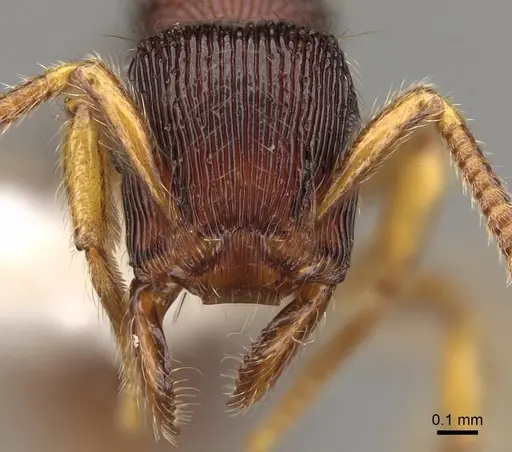
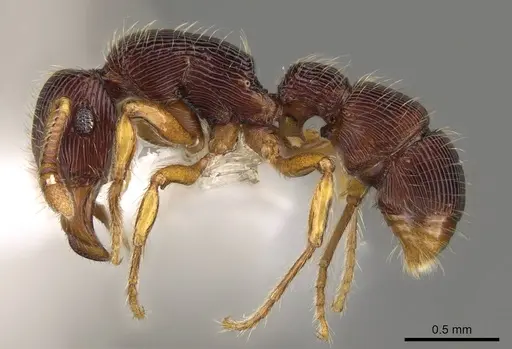
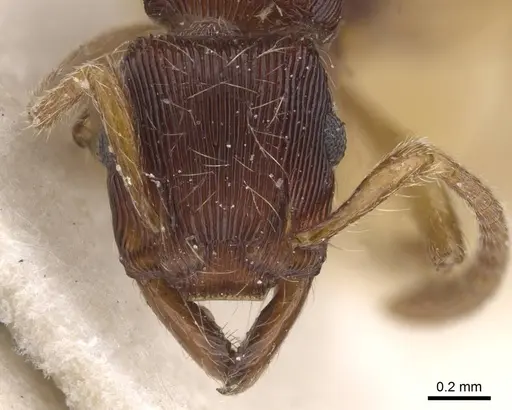
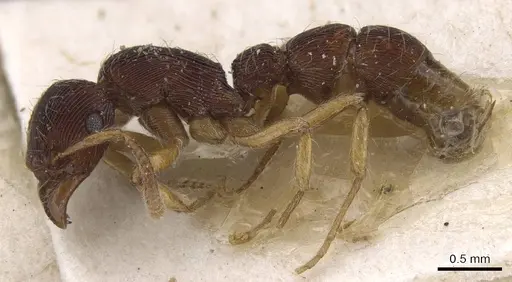
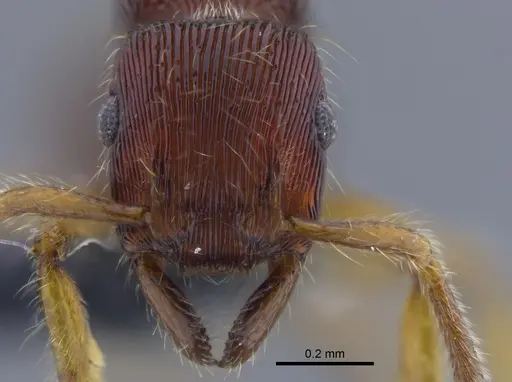
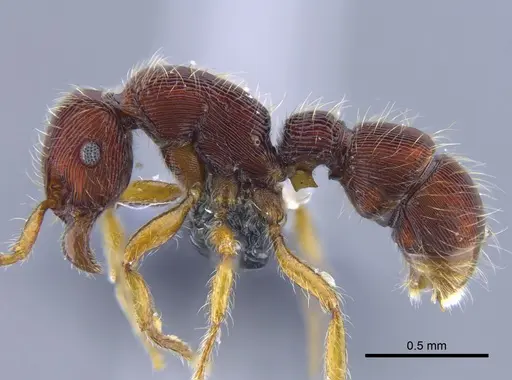
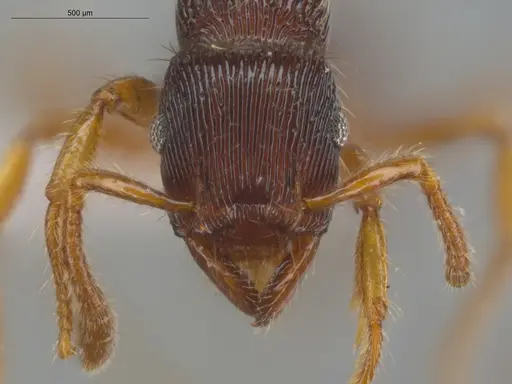
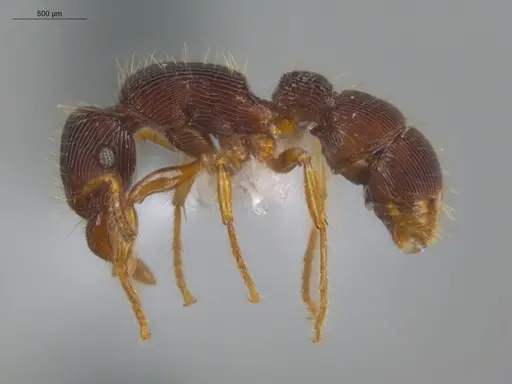
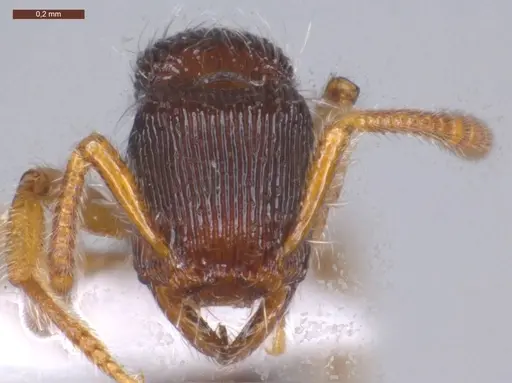
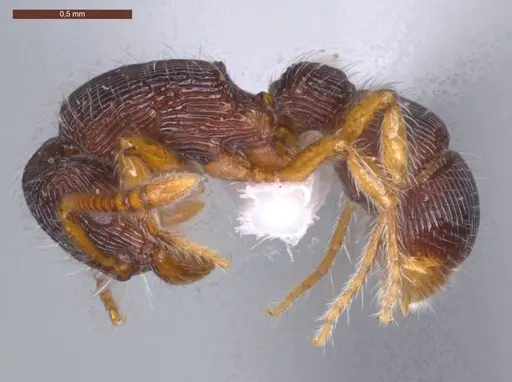
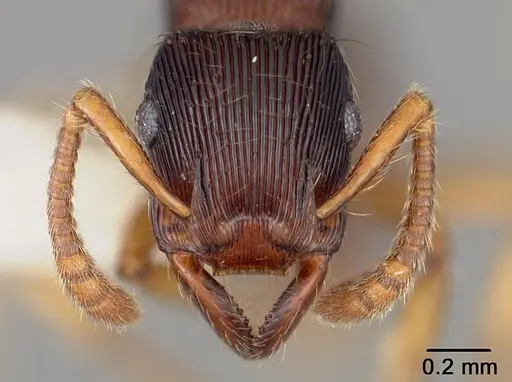
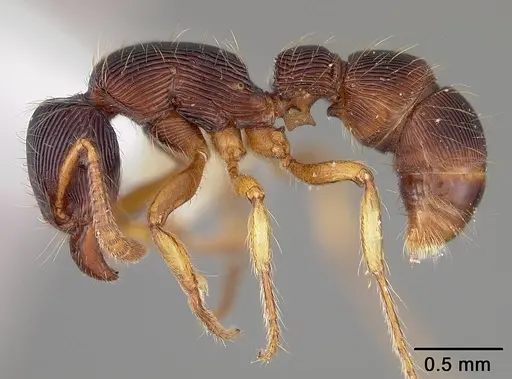
Gnamptogenys horni is a medium-sized ponerine ant native to the Neotropics, ranging from Panama down to Argentina. Workers measure around 6-7mm with a distinctive dark brown body and rusty ferruginous legs and antennae. They have semi-triangular mandibles and a uniquely sculpted petiole with longitudinal ridges. This species is a specialized predator that primarily hunts other ants, especially Pheidole species, though they'll also take various arthropods. They nest in decomposing wood on the forest floor, in twigs, and sometimes under leaf litter, typically in humid tropical forests below 1,000 meters elevation [1][2].
What makes G. horni particularly interesting is their complex social behavior. Research has shown they have age-based division of labor, where younger workers tend brood inside the nest while older workers forage outside. They also exhibit a rare 'wallpapering' behavior where workers line their nest walls with pieces of old cocoons, previously known from only one other ant species. They use trail recruitment pheromones to coordinate foraging and even to organize nest relocations.
Quick Summary
- Difficulty: Medium
- Origin & Habitat: Neotropical region, found across Panama, Colombia, Ecuador, Peru, Bolivia, Brazil, French Guiana, Guyana, Suriname, Venezuela, Trinidad and Tobago, and Argentina. Inhabits humid tropical forests, typically below 1,000 meters elevation but occasionally found higher. Nests in decomposing wood on the ground, in twigs, and under leaf litter [1][3][4].
- Colony Type: Monogyne, single queen colonies. Colonies can reach nearly 200 workers [1][2]. Ergatoid (wingless) replacement reproductives have been documented in related species, but this is not well-studied for G. horni specifically.
- Colony: Monogyne
- Founding: Semi-claustral
- Size & Growth:
- Queen: Approximately 7-9mm (estimated based on genus patterns)
- Worker: 6-7mm [1][2]
- Colony: Up to nearly 200 workers [1][2]
- Growth: Moderate
- Development: Approximately 6-10 weeks (estimated based on typical ponerine development) (Ponerine ants typically have slower development than many common ant species. First workers (nanitics) will be smaller than mature workers.)
- Antkeeping:
- Temperature: Keep at 24-28°C. As a tropical species, they need warm conditions. A heating cable on one side of the nest creates a gentle gradient allowing workers to thermoregulate. Avoid temperatures below 20°C for extended periods.
- Humidity: High humidity is essential, these are forest floor ants from humid tropical environments. Keep the nest substrate consistently moist but not waterlogged. Mist occasionally and ensure good water access. The substrate should feel damp to the touch.
- Diapause: No, as a tropical species, they do not require hibernation. However, they may reduce activity during cooler or drier seasons in their natural range. In captivity, maintain stable warm conditions year-round.
- Nesting: They naturally nest in decomposing wood, twigs, and leaf litter. In captivity, they do well in naturalistic setups with moist substrate (soil/peat mix), or in acrylic/plaster nests with good humidity retention. Twigs or small pieces of decaying wood can be included in the outworld. They prefer tight, enclosed spaces scaled to their colony size.
- Behavior: Gnamptogenys horni is a predatory ponerine ant with moderate aggression. They are active foragers that hunt other ants and small arthropods. They show age-based division of labor, young workers stay in the nest to tend brood while older workers forage. They can recruit nestmates to food sources using pheromone trails. Workers are moderately defensive and will sting if threatened, though their stinger is small. They are not strong escape artists for their size, but use standard barrier precautions. They are primarily nocturnal or crepuscular foragers[1].
- Common Issues: prey acquisition, being a specialized ant predator, they need a constant supply of live ant prey (especially Pheidole or other small ants) which can be difficult to maintain, humidity management, too dry and colonies stagnate, too wet and mold becomes a problem, slow colony growth, ponerines grow more slowly than many common ants, which can frustrate beginners, stress from disturbance, these ants can be sensitive to frequent nest inspections and vibrations, colony foundering, wild-caught colonies may have parasites or be already stressed, leading to failure
Housing and Nest Setup
Gnamptogenys horni does well in naturalistic setups that mimic their forest floor habitat. Use a moist substrate mixture of soil and peat or coco fiber, kept consistently damp but not waterlogged. Include small twigs, pieces of decaying wood, or leaf litter in the outworld to provide hunting grounds and enrichment. For the nest chamber itself, acrylic or plaster nests work well as they hold humidity while allowing you to observe the colony. The nest should have tight chambers scaled to their size, avoid large open spaces. A water test tube connected to the nest helps maintain humidity. Keep the outworld simple with just a foraging area and hidey holes, as excessive complexity can stress them. Escape prevention is standard, these are medium-sized ants that cannot climb smooth surfaces like glass or acrylic easily. [1][2]
Feeding and Diet
This is the most critical aspect of keeping G. horni successfully. They are specialized predators that primarily hunt other ants, especially Pheidole species. In captivity, you should provide a steady supply of live ant brood (pupae and larvae work well), small live insects, or freshly killed prey. Offer ant brood from Pheidole, Solenopsis, or other small ants, this is their preferred food. They will also accept other small arthropods like springtails, fruit flies, and tiny beetles. Unlike many ants, they are not particularly interested in sugar water or honey, though offering it occasionally won't hurt. Feed every 2-3 days, removing uneaten prey after 24 hours. The key is variety, rotate between different ant species and small arthropods. Colonies may ignore food initially if stressed, so be patient during the settling-in period [5][1][6].
Temperature and Humidity
As a tropical species from humid Neotropical forests, G. horni needs warm and humid conditions. Maintain temperatures between 24-28°C during the active season. A heating cable placed on top of the nest (never underneath where it can dry out the substrate) creates a gentle thermal gradient. They can tolerate brief drops but should not be kept below 20°C for extended periods. Humidity is equally important, keep the nest substrate consistently moist. The substrate should feel damp but you shouldn't see standing water. A water tube connected to the nest area helps maintain humidity through evaporation. Good ventilation is also necessary to prevent mold, but avoid direct airflow that dries things out. Monitor for condensation, some condensation is good, but excessive dripping indicates too wet. [1][3]
Behavior and Colony Dynamics
G. horni exhibits fascinating social behaviors. They have clear age-based division of labor: young workers remain in the nest tending the queen and brood, while older workers take on foraging duties. This is called temporal polyethism. They also use recruitment pheromones to coordinate foraging, when a worker finds prey, they can lead nestmates to the food source through tandem running or chemical trails. Perhaps most remarkably, they practice 'wallpapering', workers line the walls of their nest chambers with pieces of old cocoons. This behavior was previously known from only one other ant species. They are moderately defensive and will sting threats, though the sting is not particularly powerful against humans. The colony will grow slowly at first, then accelerate once the first batch of workers (nanitics) matures. Colonies can reach nearly 200 workers in optimal conditions[1].
Acquiring and Establishing a Colony
The best way to start keeping G. horni is to find a queen during nuptial flights (timing is unclear but likely during the wet/warm season) or purchase from a reputable ant seller. Wild-caught colonies can be difficult to establish as they may be stressed from collection or carry parasites. If you catch a founding queen, provide her with a small test tube setup with moist cotton, and offer tiny prey items once she has workers. Semi-claustral founding means the queen will need to leave the nest occasionally to hunt, so provide a small outworld space. For established colonies, transfer them to a proper setup slowly, avoid bright lights, vibrations, and frequent disturbances during the adjustment period. Once settled, they are relatively hardy but sensitive to poor husbandry. Expect slow growth in the first few months as the colony establishes itself.
Frequently Asked Questions
What do Gnamptogenys horni ants eat?
They are specialized ant predators. Their primary food is live ant brood, especially from Pheidole colonies. They also hunt small arthropods like springtails and fruit flies. They are not interested in sugar water like many ants. You need to maintain a supply of live ant prey or small insects [5][1].
How long does it take for Gnamptogenys horni to produce first workers?
Development from egg to worker takes approximately 6-10 weeks under optimal conditions (24-28°C). Ponerine ants generally develop more slowly than common ant species like Lasius or Camponotus. The first workers (nanitics) will be smaller than mature workers.
Do Gnamptogenys horni ants sting?
Yes, they can sting. However, their stinger is very small (0.04mm² surface area) and the sting is not particularly painful to humans. They are not considered dangerous, but they will sting if they feel threatened or the colony is disturbed.
Are Gnamptogenys horni good for beginners?
No, they are not recommended for beginners. Their main challenges are: they require live ant prey (difficult to maintain), they need high humidity and warm temperatures, they grow slowly which can be discouraging, and they are sensitive to stress. They are better suited for antkeepers with some experience keeping predatory or ponerine species.
How big do Gnamptogenys horni colonies get?
Colonies reach up to nearly 200 workers at maturity [1][2]. This is moderate compared to many ants, they form relatively small colonies rather than the massive supercolonies seen in some species.
Can I keep multiple Gnamptogenys horni queens together?
No. G. horni is monogyne, meaning colonies have a single queen. Multiple unrelated queens will fight. Do not attempt to combine queens or merge colonies.
What temperature do Gnamptogenys horni need?
Keep them at 24-28°C. As tropical ants, they need warm conditions. A heating cable on top of the nest can provide warmth without drying out the substrate too quickly. Avoid temperatures below 20°C.
Do Gnamptogenys horni need hibernation?
No, they do not need hibernation. As a tropical species, they should be kept warm year-round. They may reduce activity during cooler or drier periods in the wild, but in captivity, maintain stable conditions.
Why is my Gnamptogenys horni colony dying?
Common causes include: lack of proper prey (they need live ant brood or small insects), incorrect humidity (too dry or too wet), temperatures too low, stress from disturbance, or parasites from wild-caught colonies. Review your husbandry and ensure you're providing appropriate prey and conditions.
What kind of nest should I use for Gnamptogenys horni?
They do well in naturalistic setups with moist substrate (soil/peat mix) or in acrylic/plaster nests that hold humidity. Include small twigs or decaying wood in the setup. The nest chambers should be tight and appropriately sized for their colony. Avoid dry setups or large open spaces.
Is Gnamptogenys horni aggressive?
They are moderately defensive. They will defend their nest and attack threats, but they are not particularly aggressive toward humans. Their sting is mild. The main concern is their predatory nature toward other ants in the outworld.
Where is Gnamptogenys horni found in the wild?
They range from Panama to Argentina across the Neotropics, including Brazil, Colombia, Ecuador, Peru, Bolivia, French Guiana, Guyana, Suriname, Venezuela, and Trinidad. They live in humid tropical forests below 1,000 meters elevation, nesting in decomposing wood, twigs, and leaf litter on the forest floor [3][4].
References

This caresheet is licensed under CC BY-SA 4.0 .
ANTWEB1041407
View on AntWeb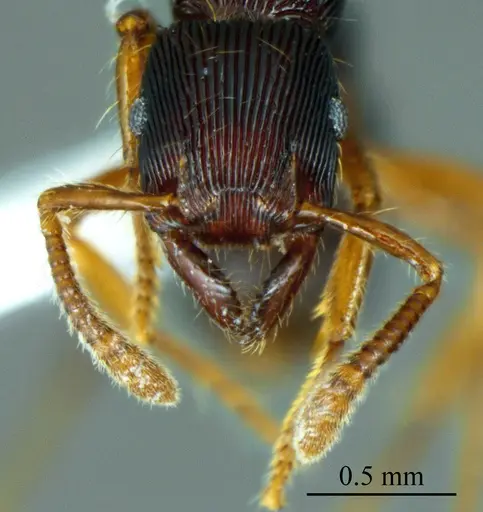
CASENT0178678
View on AntWeb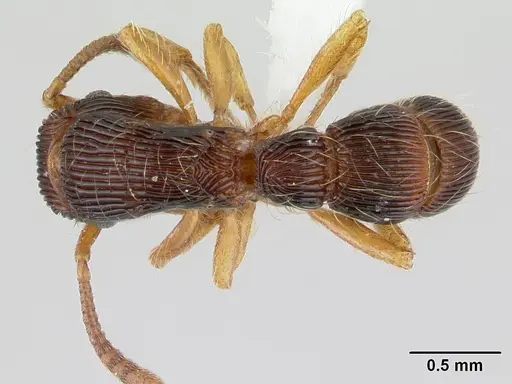
CASENT0179987
View on AntWeb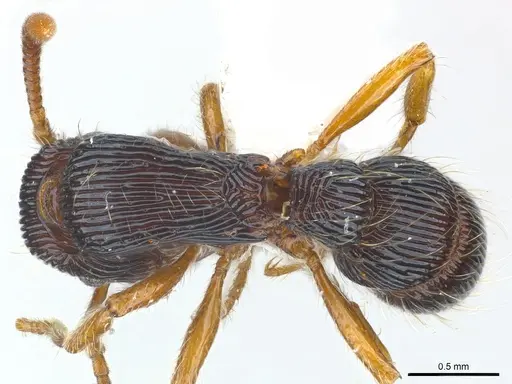
CASENT0281528
View on AntWeb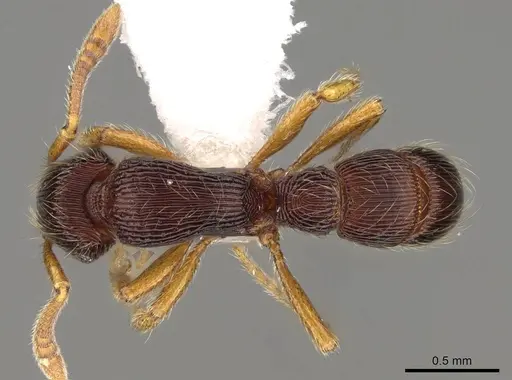
CASENT0915115
View on AntWeb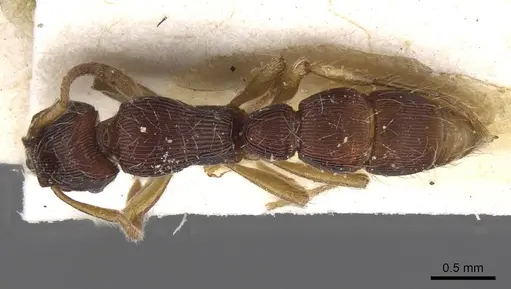
CBUMAGENT41757
View on AntWeb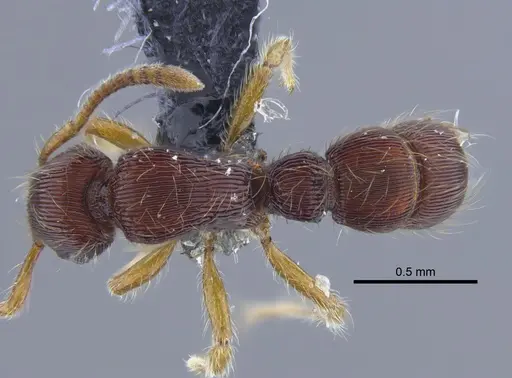
ECOFOG-IT14-0458-05
View on AntWeb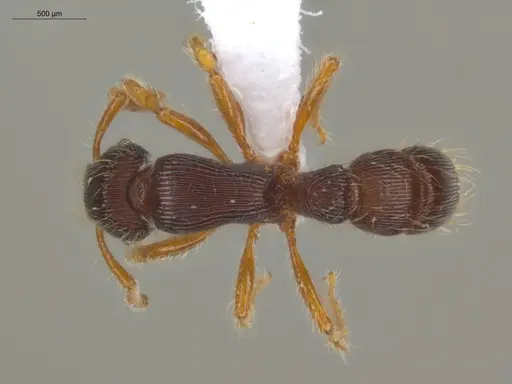
ECOFOG-MI15-0236-17
View on AntWeb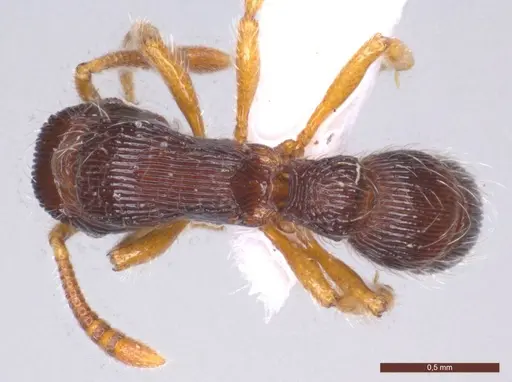
USNMENT00441280
View on AntWeb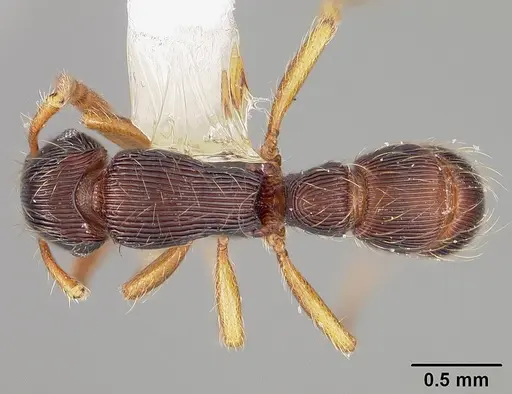
Literature
Loading...Loading products...