

Gnamptogenys ericae
- Scientific Name
- Gnamptogenys ericae
- Tribe
- Ectatommini
- Subfamily
- Ectatomminae
- Author
- Forel, 1912
- Distribution
- Found in 4 countries
Gnamptogenys ericae Overview
Gnamptogenys ericae is an ant species of the genus Gnamptogenys. It is primarily documented in 4 countries , including Brazil, Colombia, French Guiana. Detailed taxonomic data and occurrence records can be further explored via authoritative databases such as AntWeb or the Global Biodiversity Information Facility (GBIF).
Gnamptogenys ericae
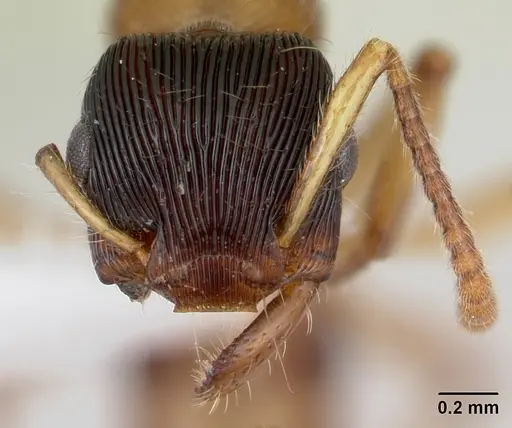
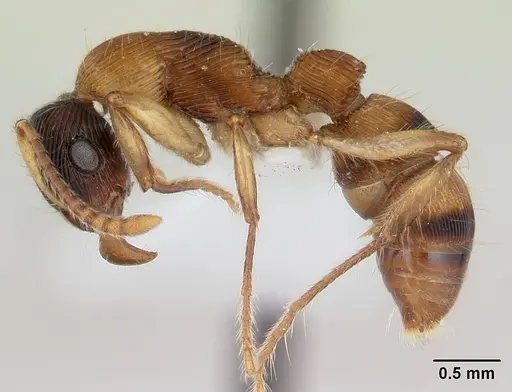
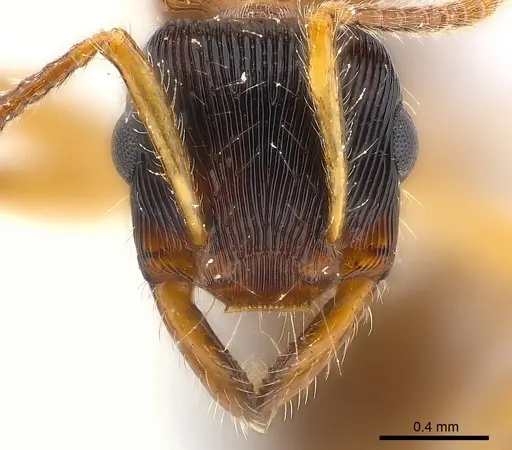
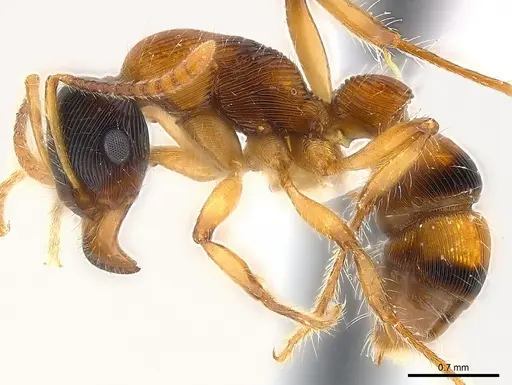
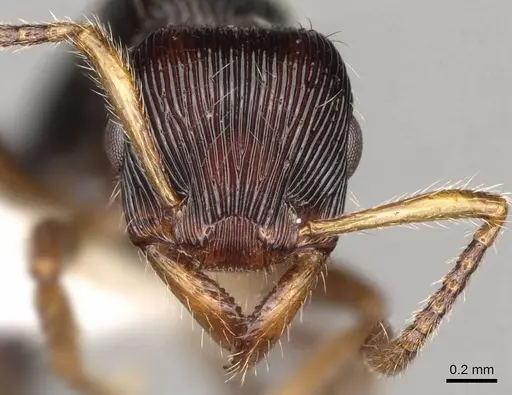
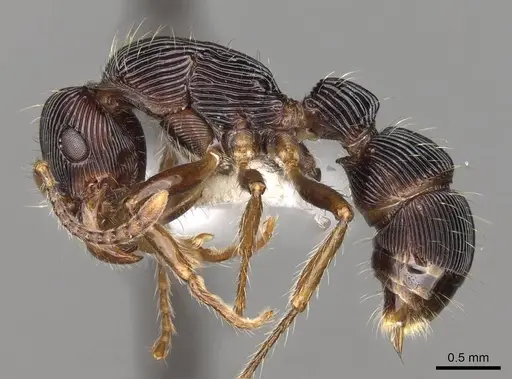
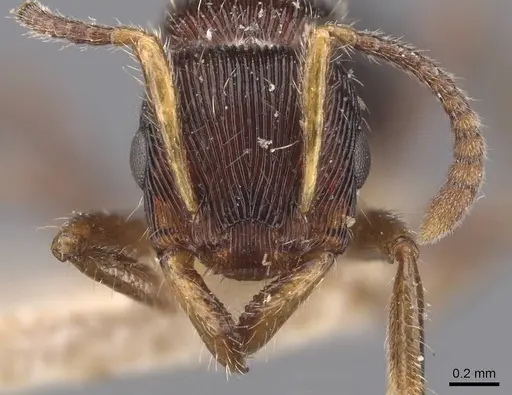
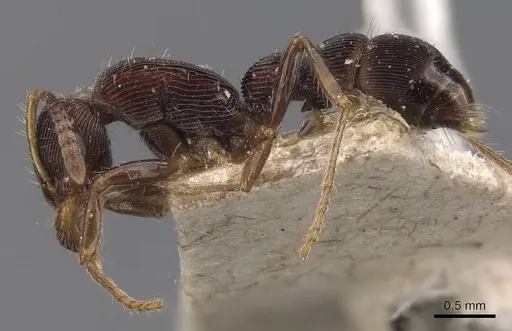
Gnamptogenys ericae is a small predatory ant species native to northern South America. Workers measure just under 1.1mm in head width and 1.7mm in mesosoma length, making them relatively small compared to many other ectatommine ants [1]. Their body is black with brown to dark brown antennae, legs, and mandibles. They have distinctive semi-triangular mandibles and small metacoxal teeth, with longitudinal ridges (costulae) on the rear of their mesosoma and propodeum [2][3].
This species belongs to the ericae subgroup within the sulcata species group and has historically been confused with the similar Gnamptogenys sulcata. They are found in humid forests across Colombia, Venezuela, French Guiana, and Guyana, from sea level up to about 1000 meters elevation [2][4]. Unlike many specialized predators, G. ericae appears adaptable, occurring in both primary forests and disturbed areas like coffee plantations.
Quick Summary
- Difficulty: Hard
- Origin & Habitat: Northern South America, Colombia, Venezuela, French Guiana, and Guyana. Found in humid forests (both primary and secondary) from sea level to approximately 1000m elevation. Nests in decomposing wood on the ground [2][4].
- Colony Type: Colony structure is unconfirmed. No data available on whether they are single-queen (monogyne) or multi-queen (polygyne).
- Size & Growth:
- Queen: Unconfirmed, related species suggest queens are larger than workers, likely 4-6mm
- Worker: Head width
- Colony: Unknown, no colony size data available
- Growth: Unknown
- Development: Unknown, no direct development data. Based on related Ectatomminae, estimate 6-10 weeks at optimal temperature. (Development timeline unconfirmed for this specific species)
- Antkeeping:
- Temperature: Keep warm, around 24-28°C. This matches their tropical forest origin in lowland South America [2]. Use a heating cable on one side of the nest to create a gentle gradient.
- Humidity: High humidity required, think damp forest floor. Keep the nest substrate consistently moist but not waterlogged. Provide a water tube for drinking water.
- Diapause: Unknown, tropical species may have reduced activity in cooler months but true hibernation is unlikely
- Nesting: In nature they nest in decaying wood on the ground [2]. In captivity, a naturalistic setup with moist substrate (soil or sand mixture) and pieces of decaying wood works well. Alternatively, a Y-tong or plaster nest with good moisture retention can work.
- Behavior: Behavior is poorly documented. Like other Gnamptogenys species, they are likely predatory on small invertebrates. Their small size means escape prevention is important, use fine mesh and tight-fitting barriers. They are not known to be aggressive but will defend their nest if threatened.
- Common Issues: very limited captive husbandry information makes proper care challenging, specific temperature and humidity requirements are not well-established, growth rate is unknown so keepers may struggle to assess if colony is developing normally, wild-caught colonies may have parasites or fail to adapt to captive conditions, their small size requires excellent escape prevention
Natural History and Distribution
Gnamptogenys ericae is found across northern South America, with documented populations in Colombia, Venezuela, French Guiana, and Guyana [4][5]. They inhabit humid forests ranging from sea level to approximately 1000 meters elevation, including both primary (undisturbed) and secondary (regrowing) forests [2]. Notably, they have also been recorded in human-modified landscapes such as coffee plantations, suggesting some adaptability to disturbed habitats [6].
The species was originally described by Forel in 1912 and has undergone taxonomic revisions, having been previously confused with the similar Gnamptogenys sulcata. The two species can be distinguished by differences in petiolar node shape and the presence of longitudinal costulae on the propodeal declivity, which workers of G. ericae consistently display [6].
Nest Preferences
In their natural habitat, Gnamptogenys ericae nests in decomposing wood sitting on the ground [2][3]. This matches the typical nesting behavior of the genus, which prefers humid microhabitats with access to decaying organic matter. The forest floor provides stable temperature and humidity conditions that these ants need.
For captive care, replicate these conditions using a naturalistic setup with a moist soil or sand-and-soil mixture as the substrate. Add pieces of decaying wood (like cork or rotten wood) for the ants to nest in. Alternatively, a Y-tong (acrylic) nest or plaster nest with good moisture retention can work, provided you maintain high humidity. Avoid dry, airy setups, these ants need damp conditions.
Feeding and Diet
Gnamptogenys belongs to the tribe Ectatommini, which are primarily predatory ants. In the wild, they likely hunt small invertebrates such as springtails, mites, and other micro-arthropods found in leaf litter and decaying wood [6].
In captivity, offer small live prey appropriate to their size. Fruit flies, small mealworms, and micro-arthropods like springtails are good options. Feed protein prey 2-3 times per week. Sugar sources like honey water or sugar water may be accepted but should not be the primary food. Given their small size, prey items must be tiny, anything larger than their head width will likely be ignored. Remove uneaten prey after 24-48 hours to prevent mold.
Temperature and Care
As a tropical species from lowland South American forests, Gnamptogenys ericae requires warm and humid conditions. Aim for temperatures in the range of 24-28°C, which matches their natural habitat in Colombian and Guyanan forests [2]. Room temperature in most homes (20-24°C) may be slightly cool, consider using a heating cable placed on one side of the nest to create a warm gradient.
Humidity is critical. Keep the nest substrate consistently moist, it should feel damp to the touch but not have standing water. A water tube attached to the formicarium helps maintain humidity and provides drinking water. Avoid cold drafts and sudden temperature changes. Since this species is rarely kept in captivity, observe your colony closely and adjust conditions based on their activity levels and brood development.
Challenges and Considerations
Gnamptogenys ericae is not a commonly kept species, which means there is very limited captive husbandry information available. This makes proper care more challenging compared to well-studied species like Camponotus or Lasius. You will likely need to experiment with conditions and learn from your colony's responses.
Their small size creates practical challenges, escape prevention must be excellent, as they can squeeze through tiny gaps. Use fine mesh on any ventilation holes and ensure all connections are tight. Wild-caught colonies may carry parasites or struggle to adapt to captive conditions, so quarantine and careful observation are important. Growth rates are unknown, so be patient and do not overfeed in an attempt to speed up development.
Frequently Asked Questions
How long does it take for Gnamptogenys ericae to produce first workers?
The egg-to-worker development time is unknown for this specific species. Based on related Ectatomminae ants, expect approximately 6-10 weeks under optimal warm conditions. Be patient, growth may be slow and is not well-documented in captivity.
What do Gnamptogenys ericae ants eat?
They are predatory ants that hunt small invertebrates. In captivity, feed tiny live prey like fruit flies, small mealworms, and springtails. Offer protein 2-3 times per week. They may accept sugar water occasionally but protein should be the primary food.
Can I keep Gnamptogenys ericae in a test tube setup?
A test tube setup can work initially for a queen or small colony, but given their natural nesting in decaying wood on the ground, a naturalistic setup with moist substrate works better long-term. If using test tubes, ensure high humidity and consider moving to a more spacious setup as the colony grows.
Do Gnamptogenys ericae ants sting?
Like other Ectatomminae ants, they have a stinger but due to their very small size, it is unlikely to penetrate human skin significantly. They are not considered dangerous to humans.
Are Gnamptogenys ericae good for beginners?
No, this species is not recommended for beginners. There is very limited captive care information available, and their specific humidity and temperature requirements are not well-established. They are best suited for experienced antkeepers who can experiment with conditions and monitor colony health closely.
Do Gnamptogenys ericae need hibernation?
Hibernation is not required. As a tropical species from lowland South America, they do not experience cold winters. Keep them warm year-round (24-28°C) with no diapause period.
How big do Gnamptogenys ericae colonies get?
Maximum colony size is unknown. Related species in the genus typically form colonies of several hundred workers. Given their small worker size and the size of similar Gnamptogenys colonies, expect colonies likely in the range of 100-500 workers at maturity.
Why are my Gnamptogenys ericae dying?
Common causes include: too low humidity (they need consistently damp conditions), temperatures outside their preferred 24-28°C range, improper feeding (prey too large or insufficient protein), or stress from wild-caught origins. Review each parameter and adjust gradually. Parasites are also possible in wild-caught colonies.
References

This caresheet is licensed under CC BY-SA 4.0 .
CASENT0178677
View on AntWeb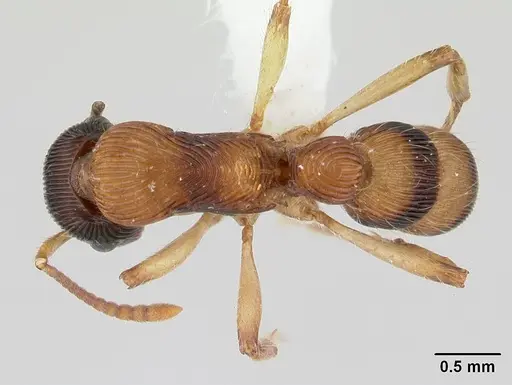
CASENT0179998
View on AntWeb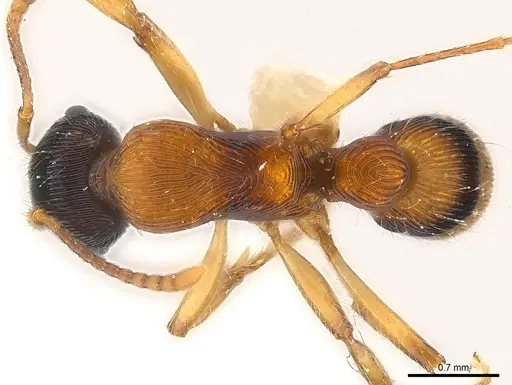
CASENT0281523
View on AntWeb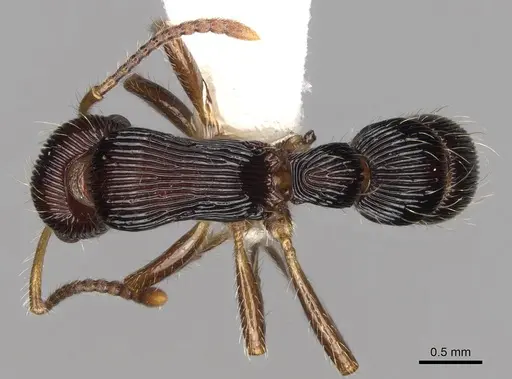
CASENT0907191
View on AntWeb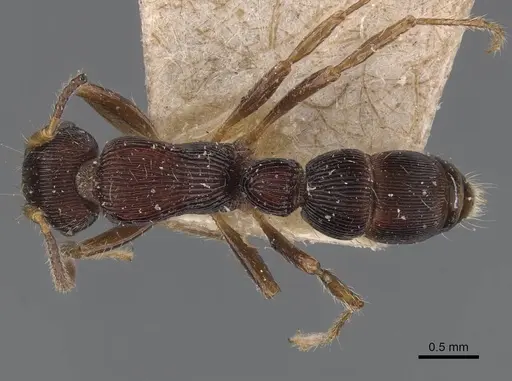
Literature
Loading...Loading products...