

Gnamptogenys concinna
- Scientific Name
- Gnamptogenys concinna
- Tribe
- Ectatommini
- Subfamily
- Ectatomminae
- Author
- Smith, 1858
- Distribution
- Found in 8 countries
Gnamptogenys concinna Overview
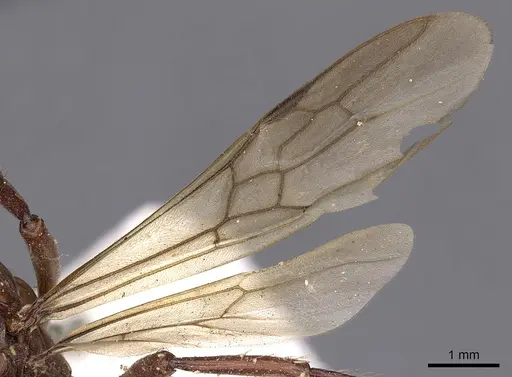
Gnamptogenys concinna is an ant species of the genus Gnamptogenys. It is primarily documented in 8 countries , including Brazil, Colombia, Costa Rica. Detailed taxonomic data and occurrence records can be further explored via authoritative databases such as AntWeb or the Global Biodiversity Information Facility (GBIF).
Gnamptogenys concinna
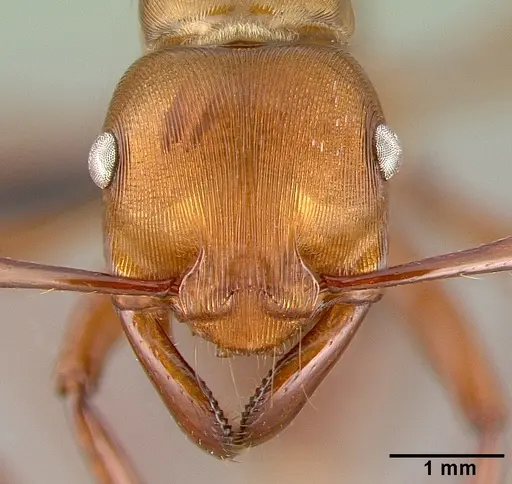
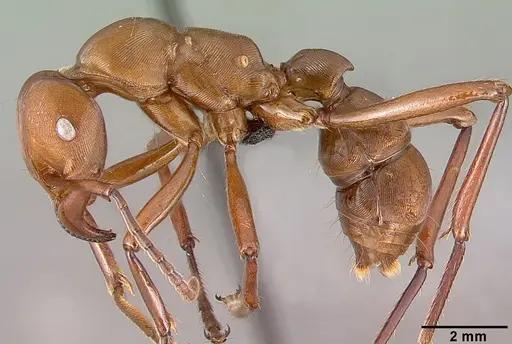
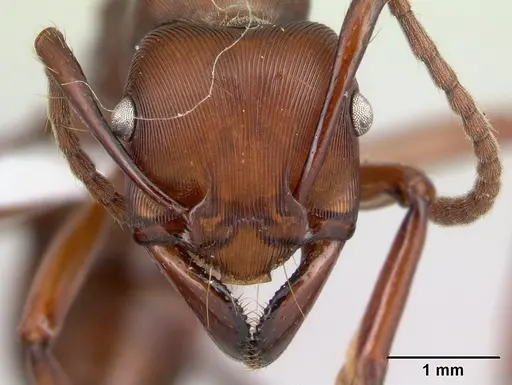
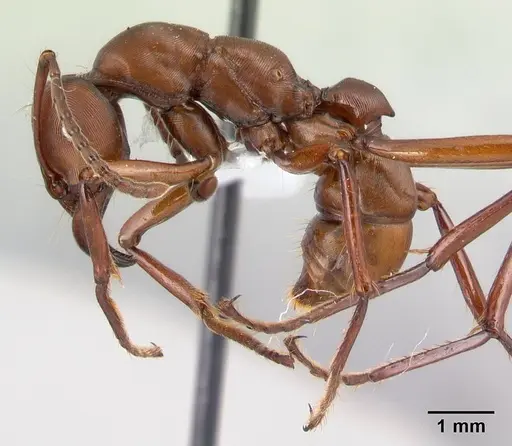
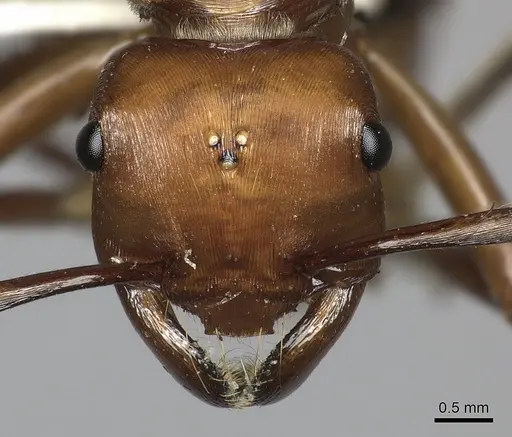
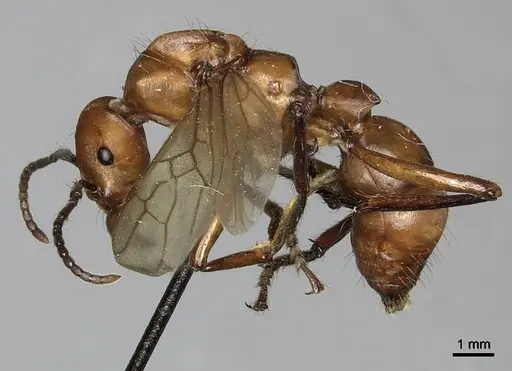
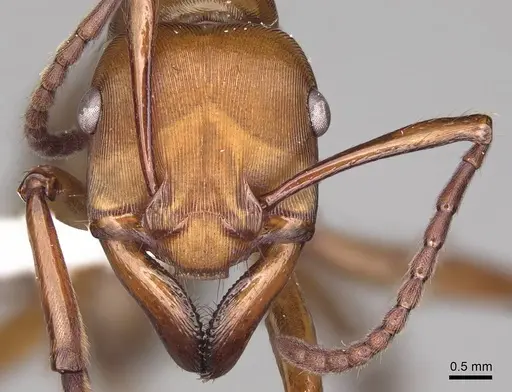
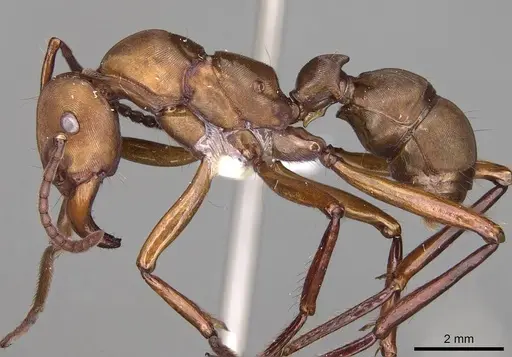
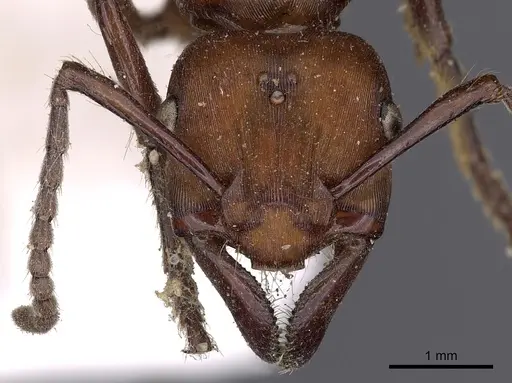
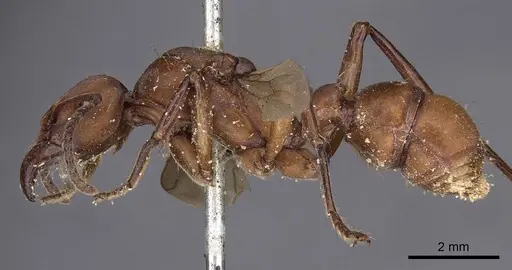
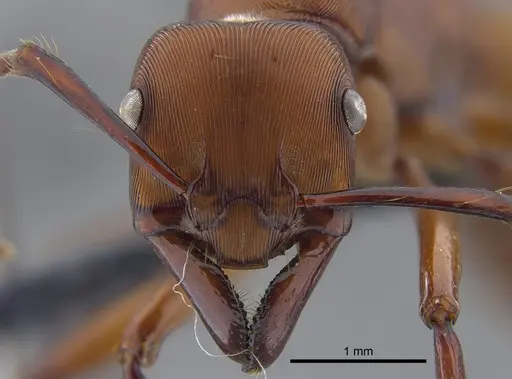
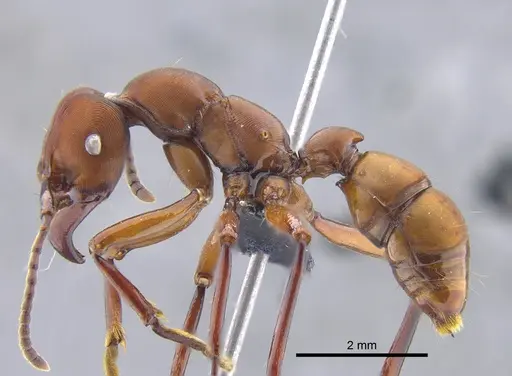
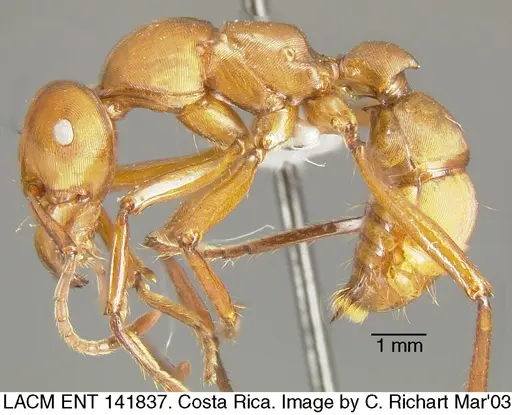
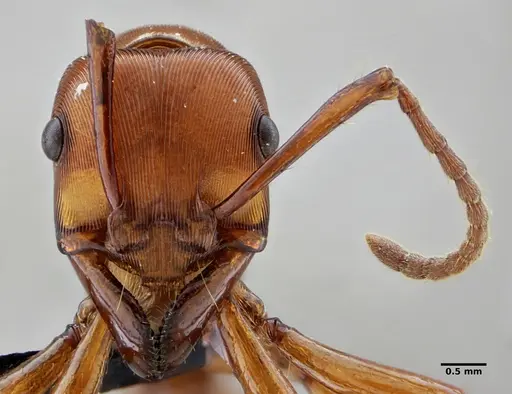
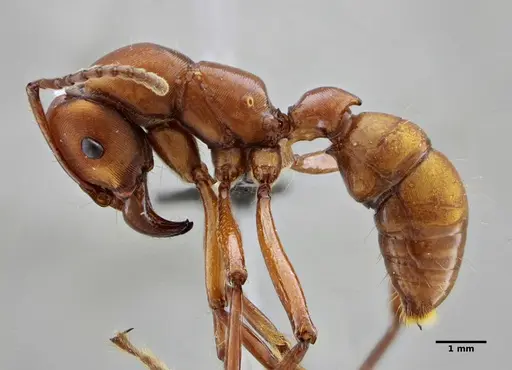
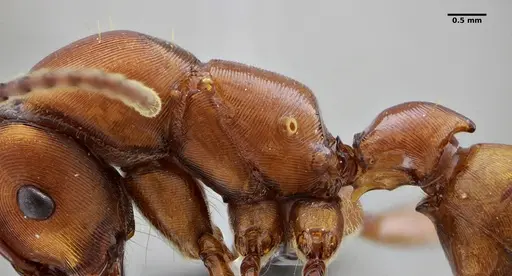
Gnamptogenys concinna is a large predatory ant native to the Neotropics, ranging from Mexico down to Brazil. Workers are relatively big for an ant, head width over 1.4mm and body length around 12-13mm, with a distinctive ferruginous to light brown coloration and fine striations running across their body. The propodeum (the section behind the thorax) has transverse striations while the declivity is smooth. These ants are distinctly arboreal, meaning they live in trees, and they nest in large knotholes or hollow branches high above the ground [1][2].
What makes G. concinna stand out is their group hunting behavior. Unlike most ants that forage alone, these ants form raiding parties of 10-40 workers that move in single-file lines to hunt prey together. They use recruiting pheromones, Longino observed workers with their gasters curled down touching the substrate, and a tiny white gland at the gaster tip that other workers investigate, suggesting chemical trail communication [1][3]. They are predators that specialize in hunting beetles and true bugs.
Quick Summary
- Difficulty: Medium
- Origin & Habitat: Neotropical region, Mexico, Central America (Costa Rica, Panama), and South America (Colombia, Ecuador, Peru, Bolivia, Brazil, Venezuela, French Guiana, Trinidad). Found in both dry and humid forests, primary and secondary growth, up to 1000m elevation [1][4].
- Colony Type: Colony structure is not well documented in scientific literature. One field observation recorded a group of 9 workers with a dealate queen foraging together, suggesting small colony sizes. They are not known to be polygynous [3].
- Colony: Monogyne
- Size & Growth:
- Queen: Approximately 12-13mm (original description notes 6 lines, roughly 12.7mm) [5].
- Worker: 2.3mm [2].
- Colony: Likely small to moderate, observed foraging groups of 10-40 workers suggest colonies of perhaps 50-200 workers based on typical poneromorph patterns.
- Growth: Moderate, development timeline is unconfirmed but likely 2-4 months from egg to worker based on related Ectatomminae species.
- Development: Unconfirmed, no direct studies on development. Based on typical Ectatomminae patterns, estimate 8-12 weeks at tropical temperatures. (Development time is inferred from related species in the subfamily. Poneromorph ants typically develop slower than many myrmicines.)
- Antkeeping:
- Temperature: Keep warm, around 24-28°C. Being a tropical species, they need consistent warmth. A heating cable on one side of the nest creates a temperature gradient [1].
- Humidity: Moderate to high humidity, they come from humid tropical forests. Keep nest substrate moist but not waterlogged. Provide a water tube as a moisture source.
- Diapause: No, as a tropical species, they do not require hibernation. Keep temperatures stable year-round.
- Nesting: Arboreal nesters, they naturally live in tree hollows and knotholes. In captivity, a Y-tong (AAC) nest or plaster formicarium with tight chambers works well. They need vertical space and will often prefer higher chambers. Avoid naturalistic setups with large open areas, they feel safer in snugger chambers.
- Behavior: Gnamptogenys concinna is a predatory ant with group hunting behavior. Workers are moderately aggressive when raiding prey but generally calm in the nest. They form foraging trails and recruit nestmates using pheromone signals, workers walk with gasters curled down touching the substrate, leaving chemical trails [3]. They are not known to be particularly aggressive toward keepers but can deliver a mild sting if handled roughly. Escape risk is moderate, they are large ants but good climbers. Use standard barrier methods. They are arboreal so they will use vertical space in the outworld.
- Common Issues: tropical temperature requirements mean colonies can struggle in cool rooms, heating is essential, predatory diet means they need live prey regularly, sugar alone is insufficient, arboreal nature means they may not accept horizontal ground-level nests, provide vertical climbing structures, small colony sizes in the wild mean founding colonies may be slow to grow, weak swimming ability means they should not have access to open water deep enough to drown
Nest Preferences and Housing
Gnamptogenys concinna is an arboreal species, meaning they naturally nest in elevated locations like tree hollows and knotholes. In the wild, Longino found a nest inside a large, deep knothole, this gives you a good idea of what they prefer [3]. For captive care, a Y-tong (AAC) nest or plaster formicarium works well. These ants prefer snug chambers and will often cluster in the tighter spaces, feeling secure in enclosed spaces similar to their natural tree hollows.
Because they are arboreal, they appreciate vertical space in their outworld. Include some branches, twigs, or vertical structures for them to climb on. They are not strong swimmers, one study found their swimming ability classified as 'weak' with a speed of just 1.56 cm/s [6], so ensure any water features are shallow enough they won't drown. Avoid large, open naturalistic setups where they might feel exposed, they do best in more enclosed nest structures with the outworld providing climbing opportunities.
Feeding and Diet
These ants are predators, plain and simple. Their natural diet consists of hunting insects, particularly beetles (Coleoptera) and true bugs (Heteroptera). Longino documented prey remains in their nest including pentatomid bugs, aradid bugs, and beetles from families including Cerambycidae (longhorn beetles), Chrysomelidae (leaf beetles), Histeridae, Passalidae, Platypodidae, and Tenebrionidae [7][8]. This is a diverse predatory diet.
In captivity, you should feed them live insects. Small crickets, mealworms, and other small arthropods work well. Because they are group hunters, they may do better with prey items they can collectively tackle, so don't offer anything too large initially. They do not typically collect honeydew or nectar, so sugar water is not a reliable food source. Feed them protein-rich prey 2-3 times per week, removing uneaten prey after 24 hours. A varied diet of different insect types is ideal.
Temperature and Care
Being a tropical species from Central and South America, Gnamptogenys concinna needs warm conditions. Aim for temperatures in the 24-28°C range. They inhabit forests up to 1000m elevation in regions like Colombia, which suggests they can tolerate some temperature variation but prefer warmth [1]. A heating cable on one side of the nest creates a gradient that lets the ants choose their preferred temperature.
Unlike temperate ants, they do not require diapause or hibernation. Keep their environment stable year-round. Room temperature may be sufficient in warm climates, but in cooler environments you'll need active heating. Monitor colony behavior, if workers are clustered near the heat source, increase temperature slightly, if they avoid heated areas, reduce heat. They need moderate humidity to mimic their humid forest origin, keep the nest substrate moist but not saturated.
Behavior and Colony Dynamics
The most fascinating aspect of G. concinna is their group hunting behavior. Unlike most ant species where workers forage individually, these ants form coordinated raiding parties. Longino observed groups of 10-40 workers moving in single-file lines to hunt prey [1]. They use recruiting pheromones, workers walk with their gasters curled downward touching the substrate, and Longino observed a tiny white gland at the gaster tip that other workers would investigate, suggesting chemical trail communication.
One field observation recorded 9 workers and a dealate queen foraging together [3], showing the queen may participate in foraging raids, this is unusual compared to many ant species where the queen stays in the nest after founding. They are not particularly aggressive toward keepers but can deliver a mild sting if threatened. Their moderate size and group behavior make them interesting to watch but require more care than simple solitary foragers.
Frequently Asked Questions
How long does it take for Gnamptogenys concinna to produce first workers?
The exact development timeline is unconfirmed for this species. Based on typical Ectatomminae development patterns, expect 8-12 weeks from egg to first worker at optimal tropical temperatures (around 26°C). Be patient, this is a moderately slow developer compared to some common ant species.
What do Gnamptogenys concinna ants eat?
They are predators that need live insects. Feed them small crickets, mealworms, fruit flies, and other small arthropods. Their natural diet includes beetles and true bugs, so variety is good. Remove uneaten prey after 24 hours. They do not typically accept sugar water or honey.
Can I keep Gnamptogenys concinna in a test tube?
Test tubes can work for founding colonies but these arboreal ants prefer vertical spaces. A Y-tong (AAC) nest or plaster formicarium with tight chambers is more appropriate for established colonies. They naturally nest in tree hollows, so they feel secure in enclosed spaces with some vertical climbing options in the outworld.
Do Gnamptogenys concinna ants sting?
Yes, they have a stinger as members of the Ectatomminae subfamily. However, being relatively small, the sting is mild and often barely noticeable to humans. They are not particularly aggressive but will sting if threatened or handled roughly.
Are Gnamptogenys concinna good for beginners?
This species is rated as Medium difficulty. They require warm tropical temperatures, live prey feeding (not just sugar water), and prefer arboreal-style housing. If you have experience with predatory ants like Ponera or Pachycondyla, you should do well. Complete beginners might struggle with their temperature and feeding requirements.
How big do Gnamptogenys concinna colonies get?
Based on observed foraging groups of 10-40 workers, colonies likely reach 50-200 workers at maturity. They are not known for massive colony sizes. One field observation found just 9 workers with a queen foraging together.
Do Gnamptogenys concinna need hibernation?
No. Being a tropical species from Mexico through Brazil, they do not require hibernation or diapause. Keep temperatures stable year-round in the 24-28°C range. Cooler temperatures will slow their activity and may harm the colony.
Why are my Gnamptogenys concinna dying?
Common causes include: temperatures too cool (below 24°C), lack of live prey (they cannot survive on sugar alone), too dry conditions, or stress from too much open space. Check that your heating is adequate, you are providing regular live insects, and the nest humidity is sufficient. Also ensure they have secure, enclosed spaces to feel safe.
When should I move Gnamptogenys concinna to a formicarium?
Move them when the test tube or founding setup becomes crowded or the water reservoir is depleted. For this species, they may prefer moving to a vertical-style nest (Y-tong or plaster) rather than a horizontal one due to their arboreal nature. Wait until you have at least 10-15 workers.
Can I keep multiple Gnamptogenys concinna queens together?
This is not recommended. There is no documented evidence of polygyny (multiple queens) in this species. Field observations show single queens leading foraging groups. Combining unrelated queens has not been studied and risks aggression.
References

This caresheet is licensed under CC BY-SA 4.0 .
CASENT0040149
View on AntWeb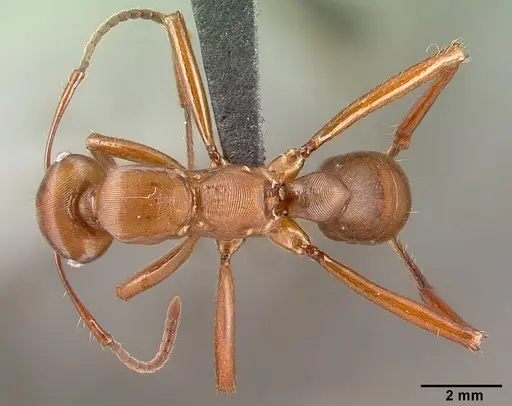
CASENT0179454
View on AntWeb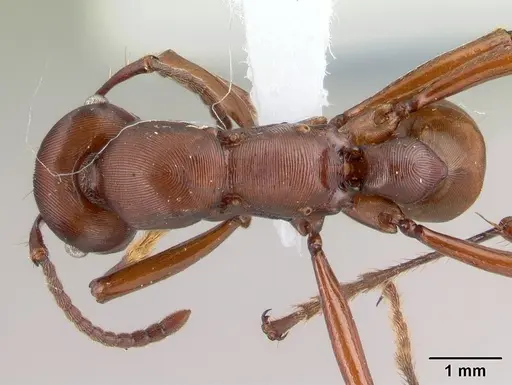
CASENT0249602
View on AntWeb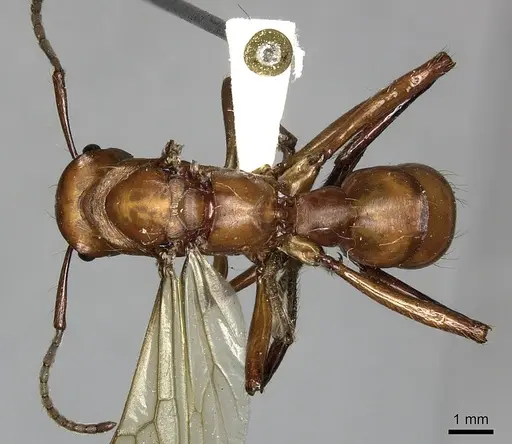
CASENT0281515
View on AntWeb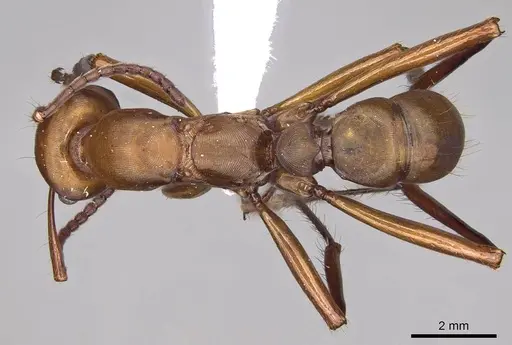
CASENT0900548
View on AntWeb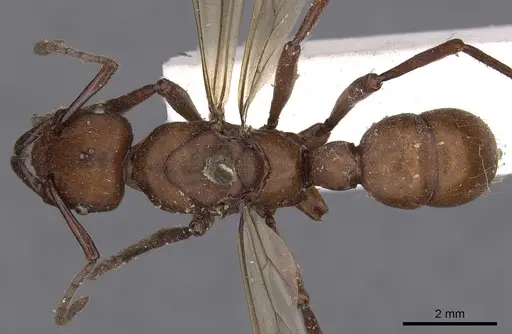
CBUMAGENT41748
View on AntWeb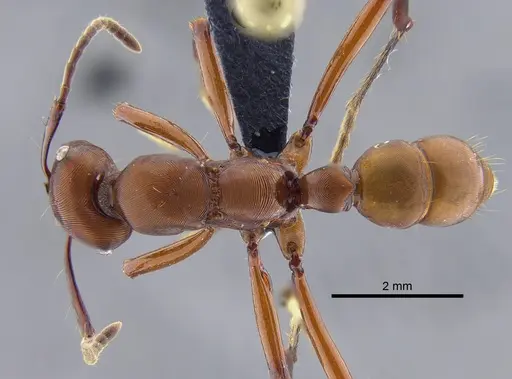
LACMENT141837
View on AntWeb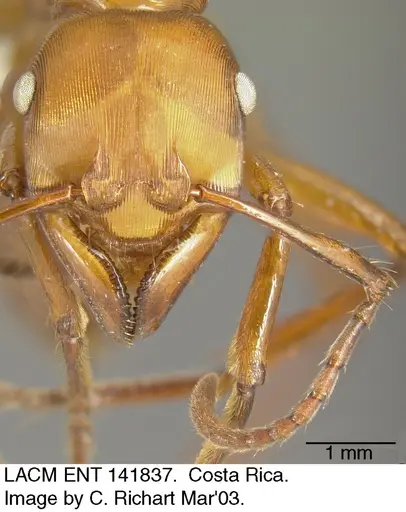
UFV-LABECOL-005670
View on AntWeb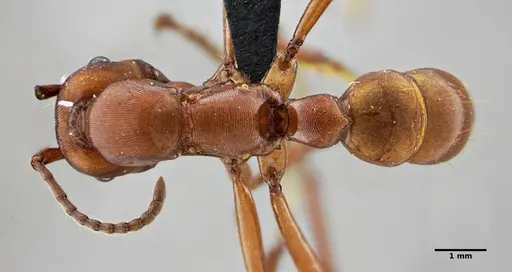
Literature
Loading...Loading products...