

Gnamptogenys bruchi
- Scientific Name
- Gnamptogenys bruchi
- Tribe
- Ectatommini
- Subfamily
- Ectatomminae
- Author
- Santschi, 1922
- Distribution
- Found in 3 countries
Gnamptogenys bruchi Overview
Gnamptogenys bruchi is an ant species of the genus Gnamptogenys. It is primarily documented in 3 countries , including Argentina, Brazil, Paraguay. Detailed taxonomic data and occurrence records can be further explored via authoritative databases such as AntWeb or the Global Biodiversity Information Facility (GBIF).
Gnamptogenys bruchi
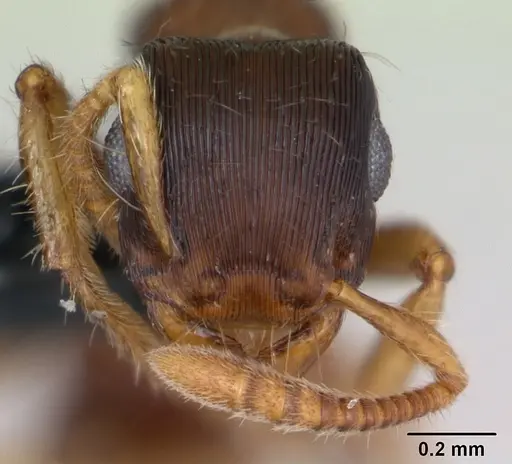
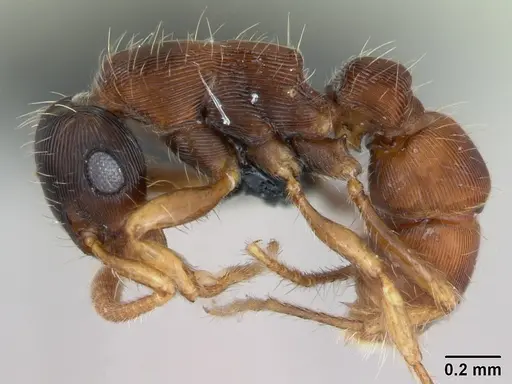
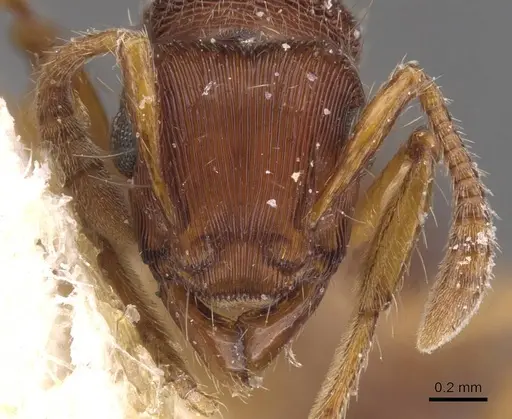
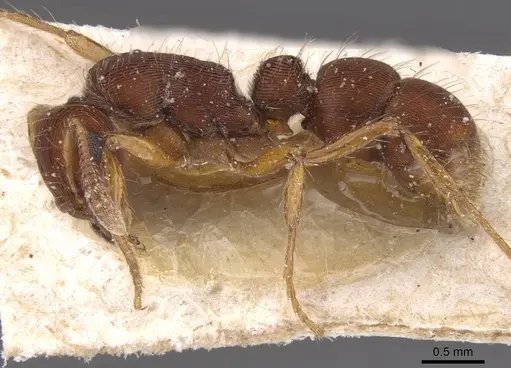
Gnamptogenys bruchi is a medium-sized predatory ant native to the Neotropical region of South America, found in Argentina, Brazil, and Paraguay. Workers measure approximately 5-7mm with the characteristic striate (grooved) body sculpture typical of the genus, including distinctive markings on the mesosoma and petiole. This species belongs to the hartmani complex within the mordax species group and shows some variation in sculpture patterns between populations. What makes G. bruchi particularly interesting is its specialized predatory behavior, it actively hunts and feeds on Trachymyrmex and other leaf-cutter ants, making it a specialized predator in the ant community [1][2][3]. This hunting behavior is notable because these target ants are themselves farmers that cultivate fungus, creating an unusual predator-prey dynamic in the leaf-cutter ant colony systems.
Quick Summary
- Difficulty: Medium
- Origin & Habitat: Native to the Neotropical region, Argentina, Brazil, and Paraguay. Found in seasonally dry tropical forest biomes including the Caatingas in northeastern Brazil and grassland areas in Rio Grande do Sul [4][5][6].
- Colony Type: Colony structure is unconfirmed for this specific species. Based on typical Gnamptogenys genus patterns, likely single-queen (monogyne) colonies with ergatoid replacement reproductives possible.
- Size & Growth:
- Queen: Estimated 7-9mm based on genus patterns, not directly measured for this species
- Worker: Approximately 5-7mm based on species description [7]
- Colony: Unknown, likely moderate colony size typical of the genus
- Growth: Moderate, estimated based on related Ectatomminae species
- Development: Estimated 6-10 weeks at optimal temperature based on genus-level data for Ectatomminae (Development timeline is estimated, specific data for G. bruchi is not available. Temperature around 24-26°C likely optimal based on their subtropical to tropical range.)
- Antkeeping:
- Temperature: Keep at 24-28°C. This species comes from subtropical to tropical regions of Argentina, Brazil, and Paraguay, so warmth is important. A heating cable on one side of the nest creates a suitable gradient.
- Humidity: Moderate to high humidity, aim for 60-80% relative humidity. These ants inhabit forest regions and need moisture but avoid waterlogging the nest substrate.
- Diapause: Unknown, no specific data on hibernation requirements. Based on their range in southern Brazil and Argentina, they likely experience cooler winters and may benefit from a reduced activity period around 15-18°C for 2-3 months.
- Nesting: Natural nesting habits are unconfirmed. Based on related species, they likely nest in soil or rotting wood in forest floor habitats. In captivity, a Y-tong (AAC) nest or plaster nest with moderate humidity works well. Provide a small outworld for hunting opportunities.
- Behavior: This is an active, predatory ant that hunts other ants, particularly Trachymyrmex and leaf-cutter ants. Workers are aggressive foragers and will actively hunt prey rather than scavenge. They are not escape artists but small size means some escape prevention is still recommended. Colonies show typical Ectatomminae defensive behavior, they may bite if threatened but are not considered dangerous to humans.
- Common Issues: specialized diet requirements, they need live ant prey, especially Trachymyrmex or similar small ants, which can be difficult to source consistently, slow colony growth compared to generalist species may frustrate beginners, humidity control is critical, too dry and brood dies, too wet and mold becomes a problem, wild-caught colonies may arrive with parasites or be stressed from collection, limited availability in the antkeeping hobby makes this a challenging species to acquire
Housing and Nest Setup
Gnamptogenys bruchi does best in a nest that maintains moderate humidity while allowing good ventilation. A Y-tong (AAC) nest or plaster formicarium works well, these materials hold humidity steadily without becoming waterlogged. The chambers should be appropriately sized for workers of approximately 5-7mm. Provide a small outworld (foraging area) connected to the nest where you can offer prey items. Because this is a predatory species that hunts active prey, the outworld should be large enough for hunting behavior. Use a test tube water reservoir attached to the nest to maintain humidity. Escape prevention is important, while not extreme escape artists, their small size means they can slip through loose connections. Ensure all connections between nest and outworld are tight-fitting.
Feeding and Diet
This is the most critical aspect of keeping Gnamptogenys bruchi successfully. They are specialized predators that hunt Trachymyrmex and other leaf-cutter ants in the wild [1][2][3]. In captivity, you should attempt to replicate this diet as closely as possible. The primary food should be live ant prey, small ants like Trachymyrmex, small Myrmica, or other tiny ants are ideal. You can also offer small live insects like fruit flies, pinhead crickets, and small mealworms as alternatives, but these are less ideal than their natural ant prey. Some colonies may accept pre-killed prey after repeated offerings, but live prey triggers their natural hunting instincts. Feed every 2-3 days, offering prey items that are roughly the size of their workers or smaller. Remove uneaten prey after 24 hours to prevent mold.
Temperature and Seasonal Care
Gnamptogenys bruchi comes from subtropical to tropical regions of South America, so they need warm conditions to thrive. Keep the nest area at 24-28°C, with a slight gradient if possible so workers can choose their preferred temperature. A heating cable placed on top of the nest (never underneath where it could dry out the substrate) can help maintain warmth. During winter months, based on their range extending into Argentina, you may reduce temperatures slightly to around 18-20°C for a rest period of 2-3 months, though this is optional and should be based on colony behavior. If the colony becomes less active during cooler months, this natural cycle can be mimicked. Avoid sudden temperature changes and keep them away from air conditioning vents or cold windows.
Behavior and Colony Dynamics
This species exhibits typical Ectatomminae behavior, they are active foragers with a strong predatory drive. Workers will leave the nest to hunt, using chemical trails to communicate and recruit nestmates to rich prey sources. Colonies are not particularly large, likely reaching a few hundred workers at maturity. The queen is claustral (seals herself in during founding) based on genus patterns, though this hasn't been directly documented for G. bruchi. Workers are not aggressive toward humans but may bite if the nest is disturbed significantly. The hunting behavior of chasing and capturing other ants is fascinating to observe, they use their mandibles to capture prey and may use chemical defenses. Compared to many ant species, G. bruchi colonies are relatively quiet and not particularly skittish.
Acquisition and Legal Considerations
Gnamptogenys bruchi is not commonly available in the antkeeping hobby. If you acquire a colony, it will likely be from a specialized keeper who has propagated them or from a limited wild-caught source. Always ensure your colony was obtained legally and ethically. Do not collect from protected areas. Since this species is native to Argentina, Brazil, and Paraguay, ensure any captive-bred colonies come from established breeding programs. Never release this or any non-native ant species in regions where they are not naturally found, they could become invasive and damage local ecosystems. If you can no longer keep your colony, consider offering it to another experienced keeper rather than releasing it.
Frequently Asked Questions
What do Gnamptogenys bruchi ants eat?
They are specialized predators that hunt other ants, particularly Trachymyrmex and leaf-cutter ants. In captivity, offer live ant prey (small ants like Trachymyrmex or tiny Myrmica), fruit flies, small mealworms, and pinhead crickets. Live ant prey is ideal but other small live insects can work as alternatives.
How long does it take for Gnamptogenys bruchi to develop from egg to worker?
Specific development data is not available for this species. Based on typical Ectatomminae development, expect approximately 6-10 weeks from egg to first worker at optimal temperature (around 24-28°C). Growth is moderate, colonies build up gradually over several months to years.
What temperature do Gnamptogenys bruchi ants need?
Keep them warm at 24-28°C. This species comes from subtropical to tropical regions of South America, so warmth is important for colony health and brood development. A heating cable on top of the nest can help maintain stable temperatures.
Are Gnamptogenys bruchi ants good for beginners?
No, this is considered a medium difficulty species. Their specialized diet requirement (needing live ant prey) makes them challenging for beginners. They also have specific humidity needs and are not commonly available. Experienced antkeepers who can source appropriate prey items are better suited for this species.
Do Gnamptogenys bruchi ants sting?
Gnamptogenys species have the ability to bite but are not considered dangerous to humans. Their sting is mild and rarely used. The main concern for keepers is their specialized diet rather than any defensive capabilities.
How big do Gnamptogenys bruchi colonies get?
Colony size is not well documented for this specific species. Based on typical Gnamptogenys genus patterns, colonies likely reach a few hundred workers at maturity. They are not among the largest ant species.
Can I keep multiple Gnamptogenys bruchi queens together?
Colony structure is unconfirmed for this species. Based on typical Gnamptogenys patterns, they likely form single-queen colonies. Combining unrelated queens is not recommended as aggression may occur. If you acquire a colony, assume it is a single-queen setup.
What humidity level do Gnamptogenys bruchi ants need?
Maintain moderate to high humidity at approximately 60-80%. These forest-dwelling ants need moisture but avoid waterlogging the nest. A plaster or Y-tong nest with a water reservoir works well. Monitor for mold and adjust ventilation if needed.
When should I move Gnamptogenys bruchi to a formicarium?
Move them when the colony reaches around 20-30 workers and the test tube setup becomes crowded. This species benefits from having hunting space in the outworld, so ensure the formicarium setup includes a properly sized foraging area.
Do Gnamptogenys bruchi ants need hibernation?
Specific diapause requirements are unknown. Based on their range in southern Brazil and Argentina, they likely experience cooler winters and may benefit from a reduced activity period at 15-18°C for 2-3 months during winter. Observe your colony, if they become less active in winter, this rest period can be mimicked.
References

This caresheet is licensed under CC BY-SA 4.0 .
CASENT0173382
View on AntWeb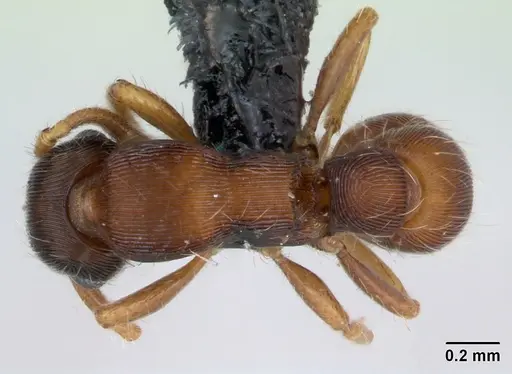
CASENT0915112
View on AntWeb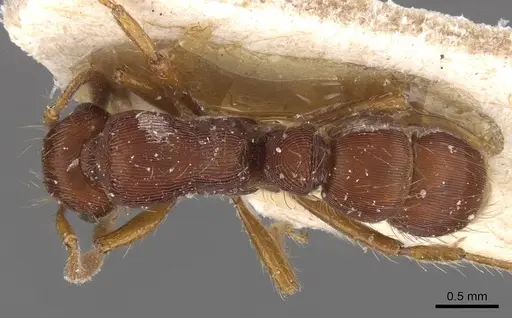
Literature
Loading...Loading products...