

Gnamptogenys acuminata
- Scientific Name
- Gnamptogenys acuminata
- Tribe
- Ectatommini
- Subfamily
- Ectatomminae
- Author
- Emery, 1896
- Distribution
- Found in 4 countries
Gnamptogenys acuminata Overview
Gnamptogenys acuminata is an ant species of the genus Gnamptogenys. It is primarily documented in 4 countries , including Brazil, Colombia, French Guiana. Detailed taxonomic data and occurrence records can be further explored via authoritative databases such as AntWeb or the Global Biodiversity Information Facility (GBIF).
Gnamptogenys acuminata
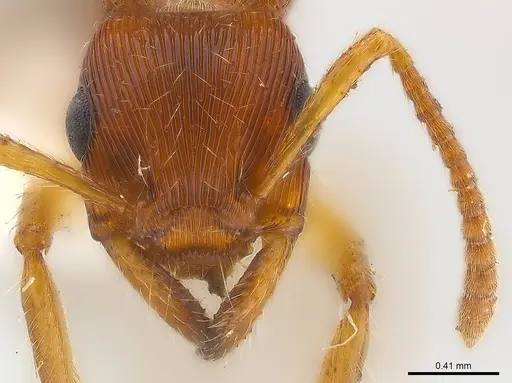
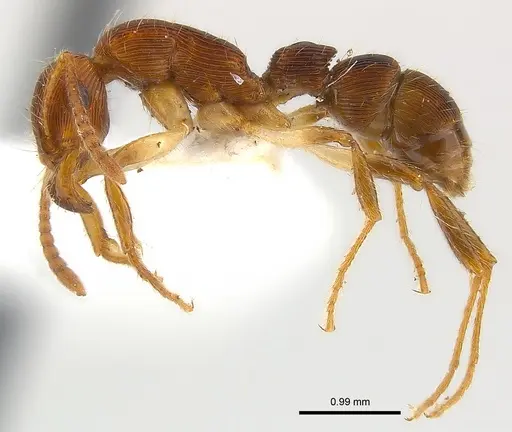
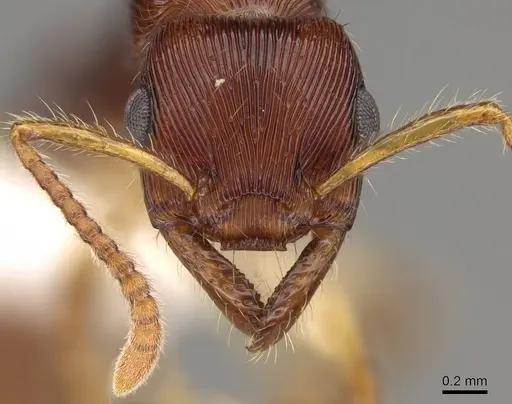
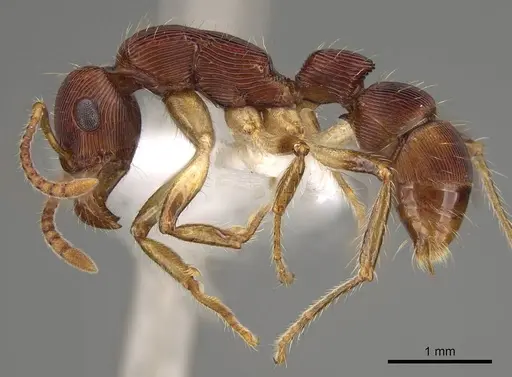
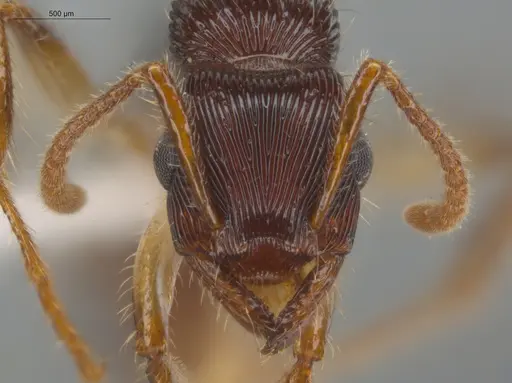
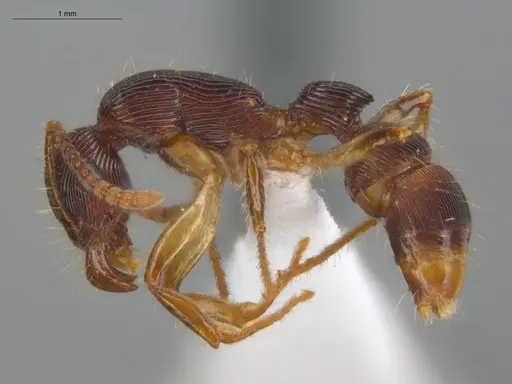
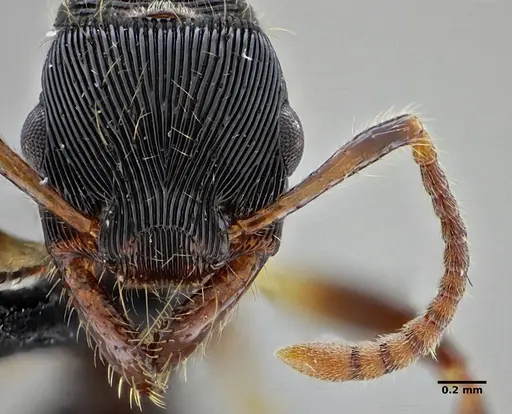
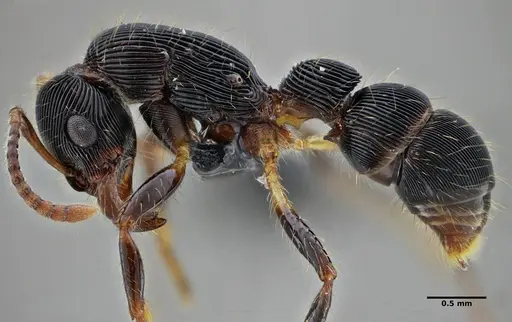
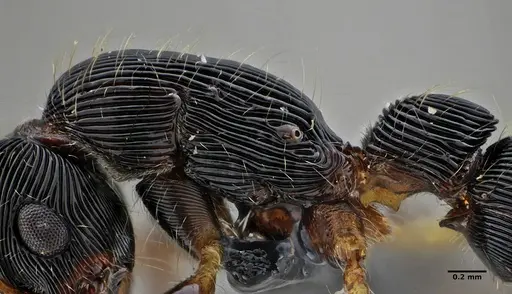
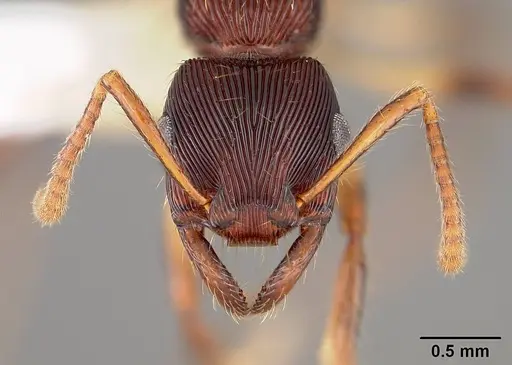
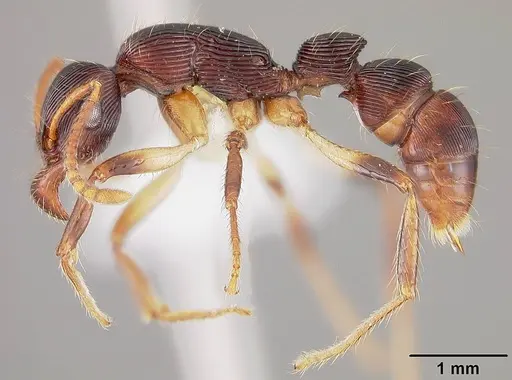
Gnamptogenys acuminata is a medium-sized predatory ant native to the Neotropical region, found across northern South America from Bolivia to Venezuela. Workers measure around 6-8mm with a distinctive dark brown to black body, lighter brownish legs, and semi-triangular mandibles. They are identifiable by the sharp pointed tip on their petiolar node (the narrow waist segment) and longitudinal ridges running down the propodeum (the rear body section). These ants nest in decaying wood at ground level in humid forests, including both primary rainforest and secondary growth, as well as shaded agricultural areas like cacao and coffee plantations. They are primarily predatory, specializing in hunting beetles, though their nests also contain remains of cockroaches, earwigs, and true bugs [1][2][3].
Quick Summary
- Difficulty: Medium
- Origin & Habitat: Neotropical region: Bolivia, Brazil, Colombia, Ecuador, French Guiana, Guyana, Peru, Suriname, Venezuela. Found in humid primary and secondary forests at elevations of 480-1000m, nesting in decomposing wood at ground level [1][2].
- Colony Type: Likely monogyne (single queen) based on typical Gnamptogenys patterns. Colony size appears moderate, likely reaching several hundred workers given the genus typical structure [1][2].
- Size & Growth:
- Queen: Approximately 8-10mm, estimated from genus patterns as specific measurements not documented [3]
- Worker: 6-8mm [3]
- Colony: Likely several hundred workers, estimated from related species and forest litter ant patterns [1][2]
- Growth: Moderate, typical for tropical Poneromorph ants
- Development: 8-12 weeks estimated based on typical Poneromorph development at tropical temperatures (Development time inferred from related Gnamptogenys species, specific data for G. acuminata not available)
- Antkeeping:
- Temperature: Keep at 24-28°C, they are a tropical species from humid forests. A gentle gradient allowing warmer (around 28°C) and cooler areas is ideal [1][2]
- Humidity: High humidity required, aim for 70-85%. Keep the nest substrate consistently moist but not waterlogged, mimicking the damp rotting wood they inhabit in nature [1][2]
- Diapause: No, being a tropical species, they do not require hibernation. Maintain stable warm conditions year-round [1][2]
- Nesting: Y-tong (AAC) nests or plaster nests work well. They naturally nest in decaying wood at ground level, so provide a nest with moist substrate options. Acrylic nests with dirt chambers also suitable. Avoid completely dry environments [1][2]
- Behavior: These are moderately active predatory ants. Workers forage individually through the leaf litter, hunting beetles and other small invertebrates. They are not particularly aggressive toward keepers but will defend their nest if threatened. Escape risk is moderate, use standard barrier methods but they are not known as particularly escape-prone. Their semi-triangular mandibles are designed for prey capture [1][2]
- Common Issues: high humidity needs can lead to mold problems if ventilation is inadequate, predatory diet means they need regular live prey, sugar sources are not reliably accepted, slow colony growth can frustrate beginners expecting fast development, tropical species are sensitive to temperature drops below 22°C, wild-caught colonies may carry parasites that affect captive survival
Nest Preferences and Housing
Gnamptogenys acuminata naturally nests in decaying wood at ground level in humid forest environments. In captivity, Y-tong (AAC) nests or plaster nests work well because they allow you to maintain the moisture levels these ants need. The nest should have chambers that stay consistently damp but not flooded. Avoid completely dry environments, these ants will not thrive in setups that dry out. Acrylic formicariums with dirt chambers can also work, provided you keep the substrate moist. Place the nest in a dark area of your setup, as they prefer dim conditions matching their forest floor habitat. An outworld (foraging area) of moderate size with a water test tube for drinking completes the setup [1][2].
Feeding and Diet
These ants are primarily predatory, specializing in hunting beetles in the wild. In captivity, offer small live prey such as fruit flies, small crickets, mealworms, and other appropriately-sized insects. They will likely accept most small arthropods. Based on nest debris studies showing cockroach, earwig, and true bug remains, they are generalist predators rather than specialists [1][2][4]. Sugar sources like honey or sugar water are not reliably accepted, this is common among predatory Poneromorph ants. Offer protein prey 2-3 times per week, removing any uneaten prey after 24-48 hours to prevent mold. Always provide a fresh water source.
Temperature and Humidity Requirements
Being a tropical species from humid forests, Gnamptogenys acuminata needs warm and humid conditions. Keep the nest at 24-28°C, with a slight gradient allowing workers to choose their preferred temperature. A heating cable on one side of the nest can create this gradient, place it on top of the nest to warm the area gently without drying it out. Humidity should be high, around 70-85%. The substrate or nest material should feel consistently moist. However, balance this with adequate ventilation to prevent mold growth, which is the main risk with high-humidity setups. Avoid temperatures below 22°C, as this species is not adapted to cooler conditions [1][2].
Behavior and Colony Dynamics
Workers of Gnamptogenys acuminata are active foragers that hunt individually through the leaf litter, using their semi-triangular mandibles to capture prey. They are not particularly aggressive toward humans and rarely sting, their defense is primarily retreat and nest defense. Colonies grow moderately, with the queen laying eggs that develop through larvae and pupae to produce workers. The first workers (nanitics) will be smaller than mature workers. Workers have a relatively long lifespan compared to many ant species, which is typical of Poneromorph ants. They do not form supercolonies and are not invasive. The colony will establish a clear nest territory and forage in the surrounding outworld [1][2][3].
Colony Founding
Colony founding behavior has not been directly documented for this species. Based on typical Gnamptogenys patterns, the queen likely seals herself in a small chamber (claustral founding) and raises the first workers alone using stored fat reserves. The founding chamber is typically in decaying wood or similar protected microhabitat. If you acquire a founding queen, provide a small test tube setup with moist cotton and keep it in warm, humid, dark conditions. Do not disturb her during this period. Expect 6-10 weeks before the first workers emerge, though this is estimated from related species rather than specifically documented for G. acuminata.
Seasonal Care and Growth
As a tropical species, Gnamptogenys acuminata does not require hibernation or diapause. Maintain consistent warm and humid conditions year-round. Colony growth is moderate, expect several months to a year before you have a substantial worker population. The growth rate is influenced by temperature (warmer within the acceptable range tends to speed development) and food availability. Unlike some ants that can slow down seasonally, these ants remain active year-round if kept warm. Monitor moisture levels closely, as evaporation can dry out nests faster in heated setups.
Frequently Asked Questions
How long does it take for Gnamptogenys acuminata to produce first workers?
Based on typical Poneromorph development, expect 8-12 weeks from egg to first worker at optimal temperature (around 26°C). This is an estimate since specific development timing for G. acuminata has not been directly studied.
Can I keep Gnamptogenys acuminata in a test tube setup?
Yes, test tubes work well for founding colonies and small groups. Keep the cotton moist but not flooded, and ensure the tube is in a warm, dark location. For established colonies, transfer to a Y-tong or plaster nest that can maintain humidity.
Do Gnamptogenys acuminata ants sting?
They have a stinger but are not considered dangerous to humans. They are not aggressive and will flee rather than attack when disturbed. The sting is mild if it occurs at all.
What do Gnamptogenys acuminata eat?
They are predatory ants that primarily hunt beetles and other small insects. Feed them small live prey like fruit flies, small crickets, and mealworms. They are not reliably interested in sugar sources like honey or sugar water.
Are Gnamptogenys acuminata good for beginners?
They are rated as medium difficulty. The main challenges are their high humidity requirements, need for regular live prey, and moderate growth rate. They are not the easiest species but are manageable for keepers willing to maintain proper humidity levels.
How big do Gnamptogenys acuminata colonies get?
Based on related species and their forest litter habitat, colonies likely reach several hundred workers. They are not among the largest ant species but can form substantial colonies over time.
Do I need to hibernate Gnamptogenys acuminata?
No, they are a tropical species and do not require hibernation. Keep them at warm, stable temperatures year-round (24-28°C).
Why is my Gnamptogenys acuminata colony dying?
Common causes include: temperature too low (below 22°C), humidity too low or too high (aim for 70-85% with good ventilation), lack of live prey, or mold from poor ventilation. Check these parameters first. Wild-caught colonies may also carry parasites.
Can I keep multiple queens together?
Colony structure is not well documented for this species. Based on typical Gnamptogenys patterns, they likely have single-queen colonies. Combining unrelated queens is not recommended as it has not been studied and could result in fighting.
When should I move my colony to a formicarium?
Move them when the test tube is crowded or when you see significant brood development. For Gnamptogenys, this is typically when you have 20-30+ workers. Use a nest that can maintain humidity, Y-tong or plaster nests work well.
References

This caresheet is licensed under CC BY-SA 4.0 .
CASENT0179946
View on AntWeb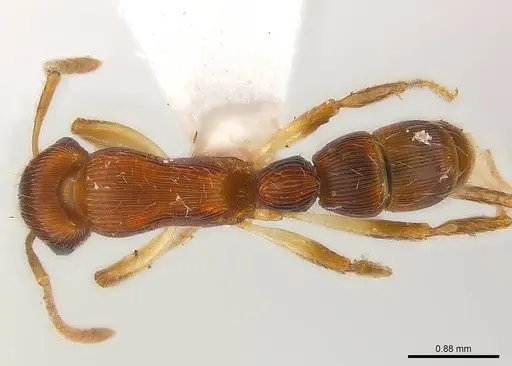
CASENT0281511
View on AntWeb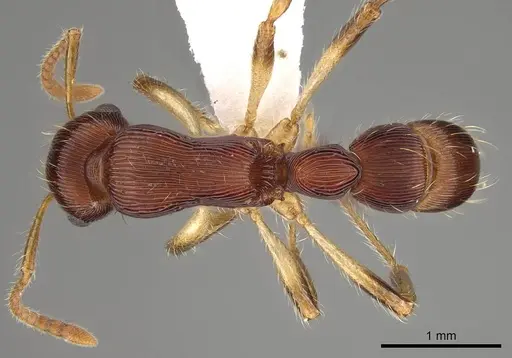
ECOFOG-IT14-0404-17
View on AntWeb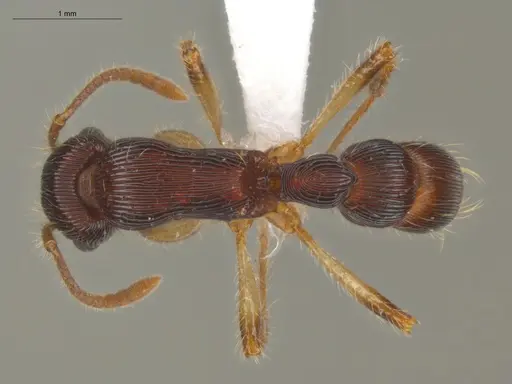
UFV-LABECOL-005829
View on AntWeb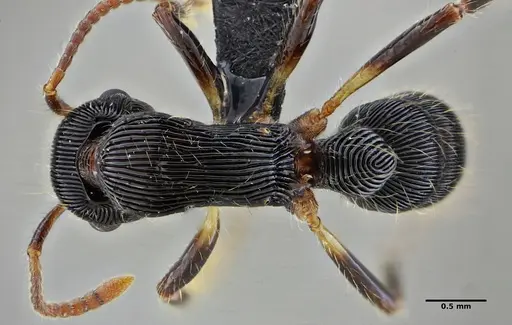
USNMENT00441095
View on AntWeb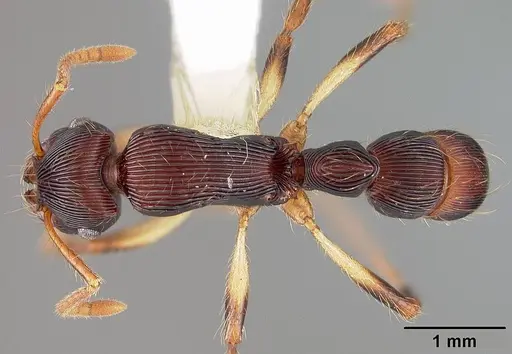
Literature
Loading...Loading products...