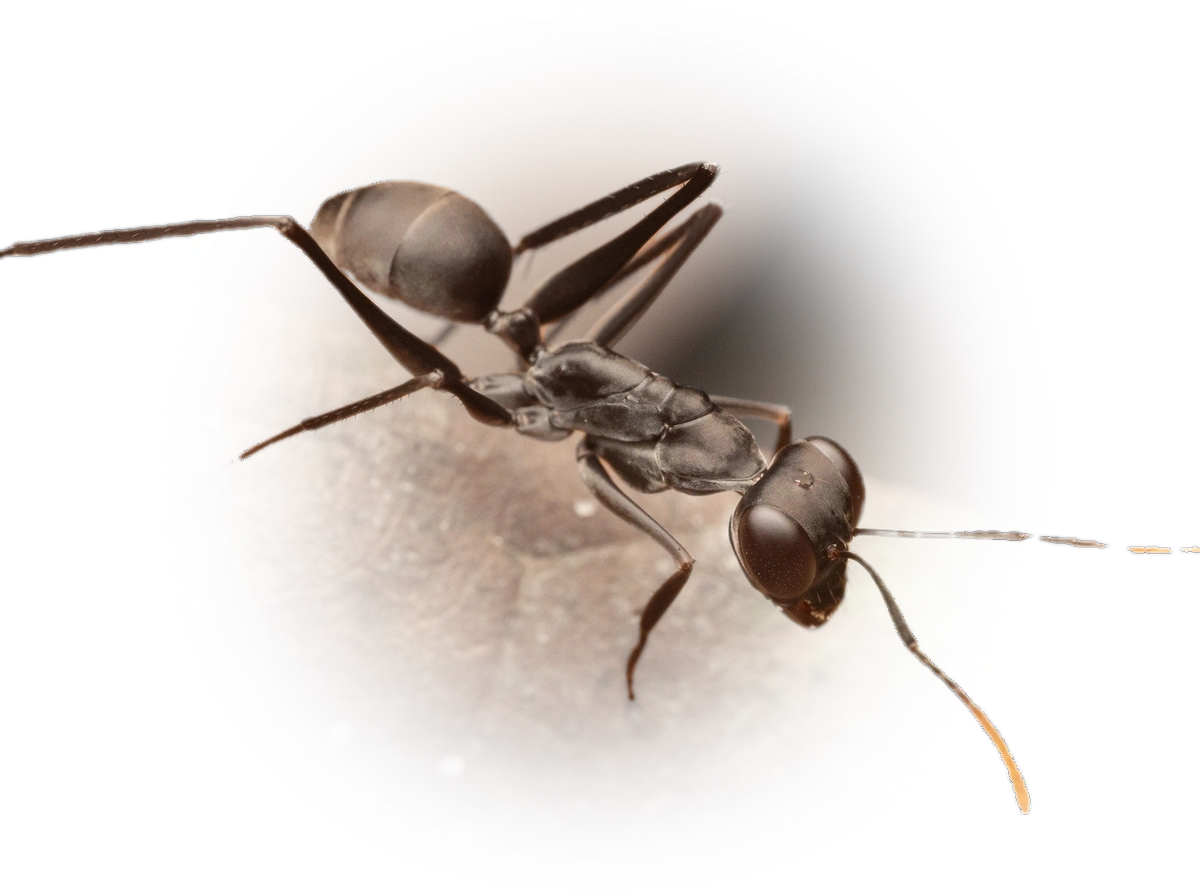

Gigantiops destructor
- Scientific Name
- Gigantiops destructor
- Tribe
- Gigantiopini
- Subfamily
- Formicinae
- Author
- Fabricius, 1804
- Distribution
- Found in 6 countries
Gigantiops destructor Overview
Gigantiops destructor is an ant species of the genus Gigantiops. It is primarily documented in 6 countries , including Brazil, Colombia, Ecuador. Detailed taxonomic data and occurrence records can be further explored via authoritative databases such as AntWeb or the Global Biodiversity Information Facility (GBIF).
Gigantiops destructor
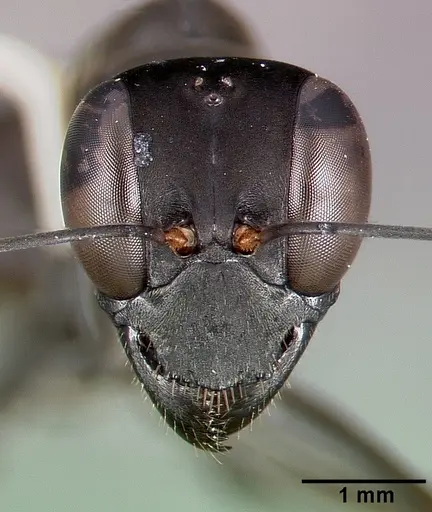
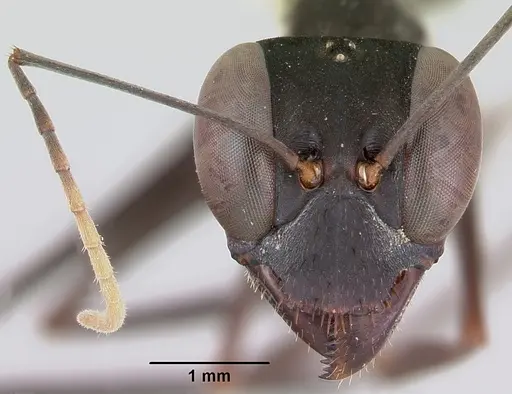
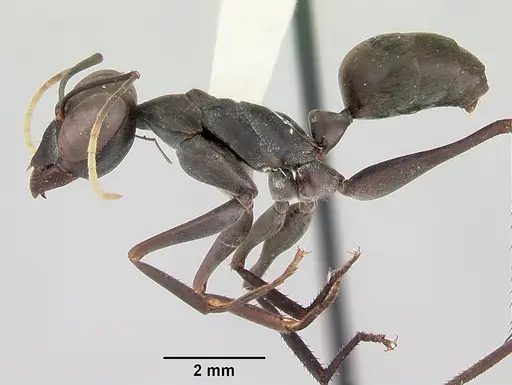
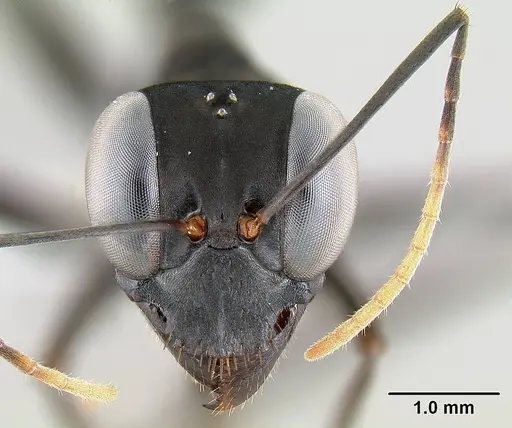
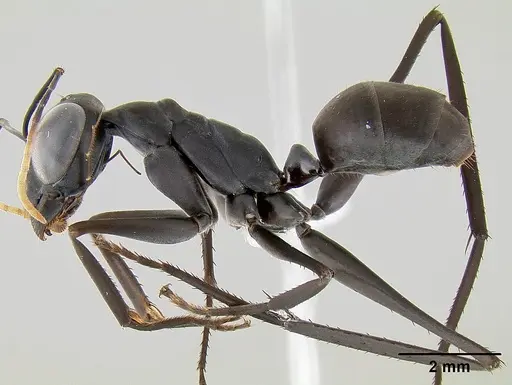
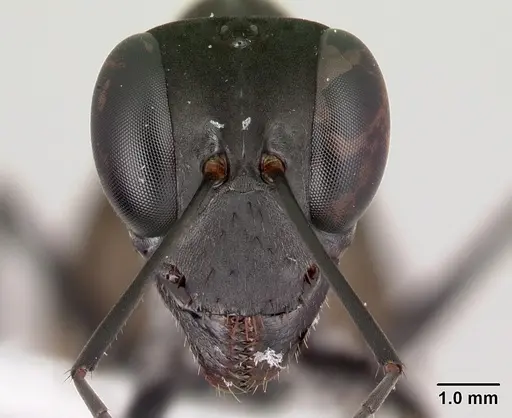
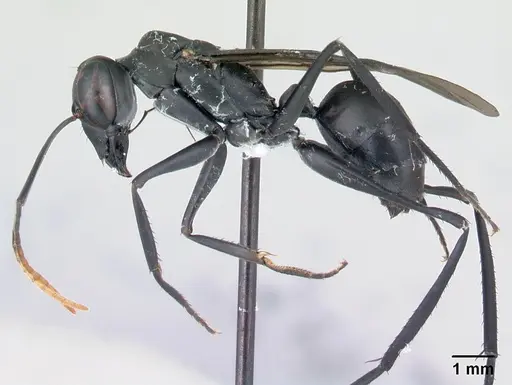
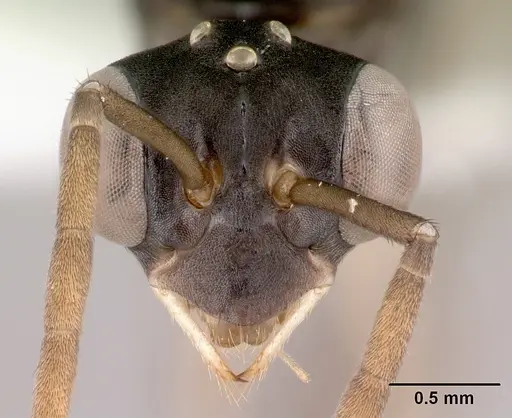
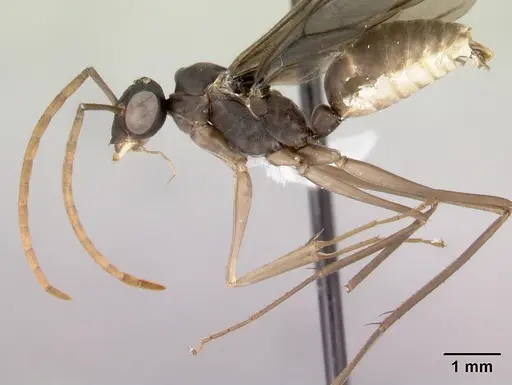
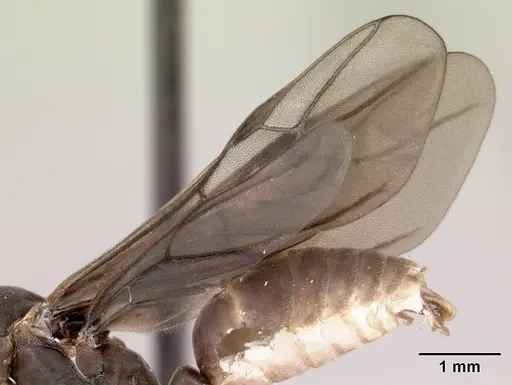
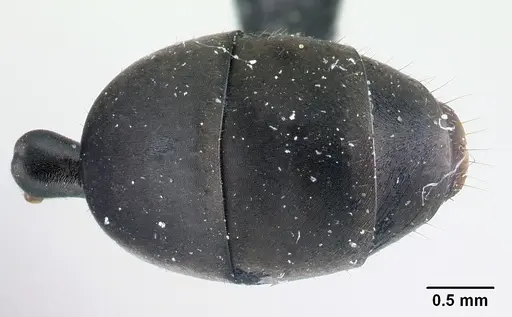
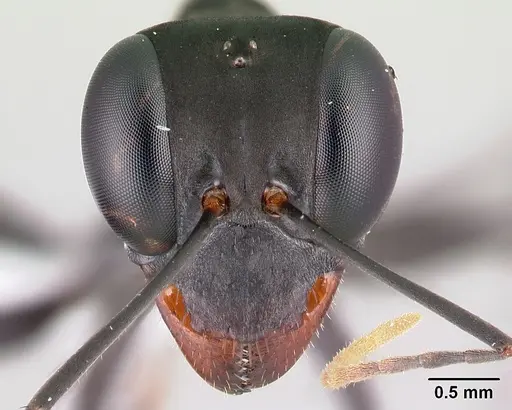
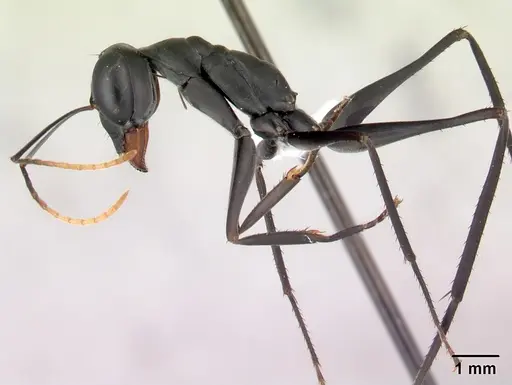
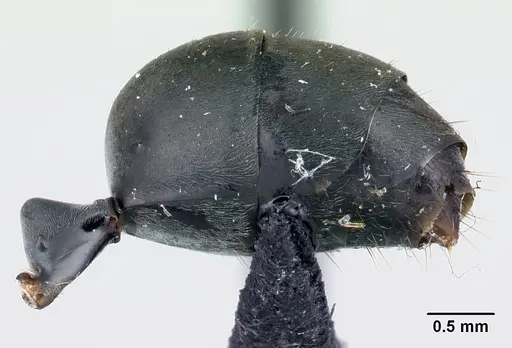
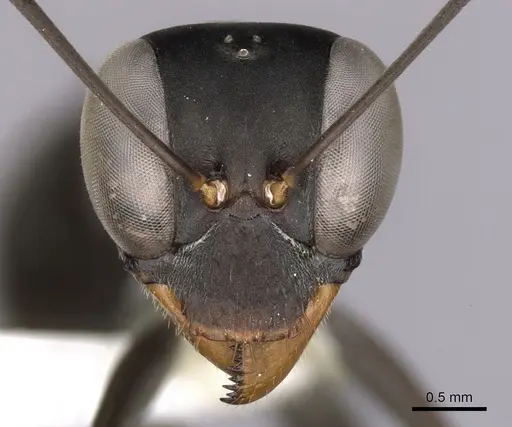
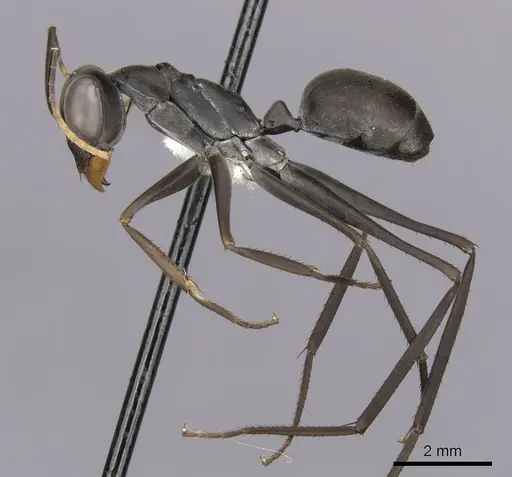
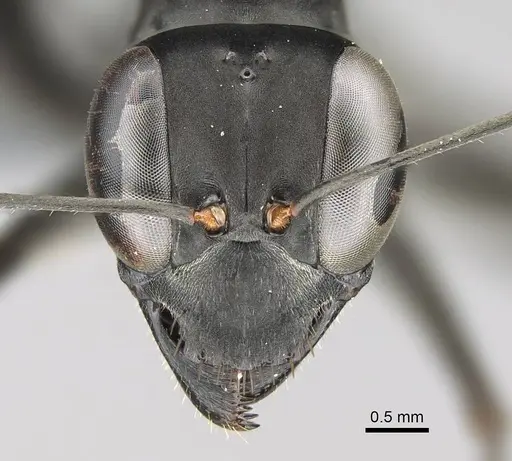
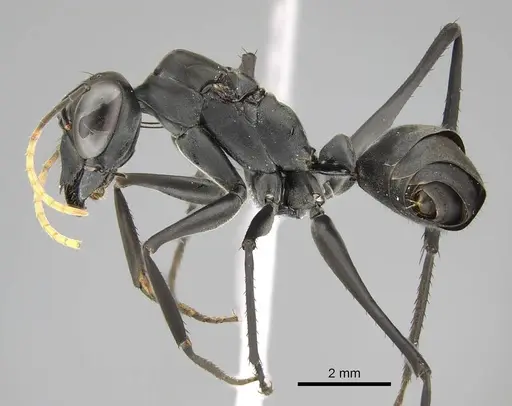
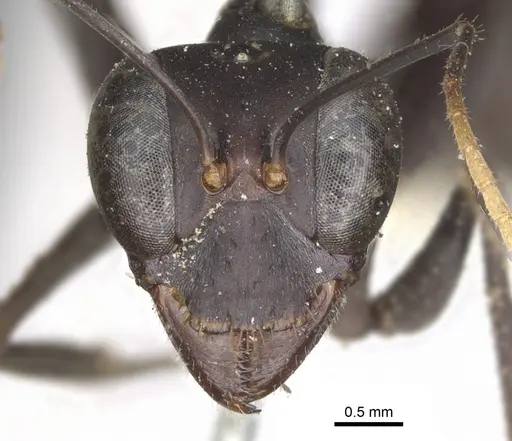
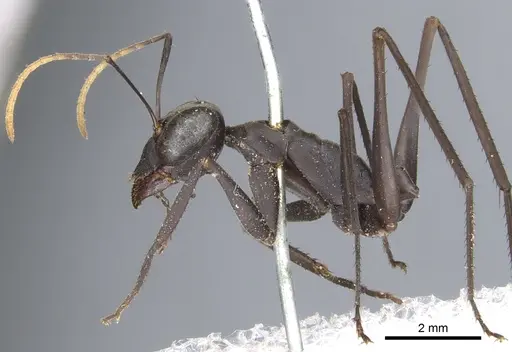
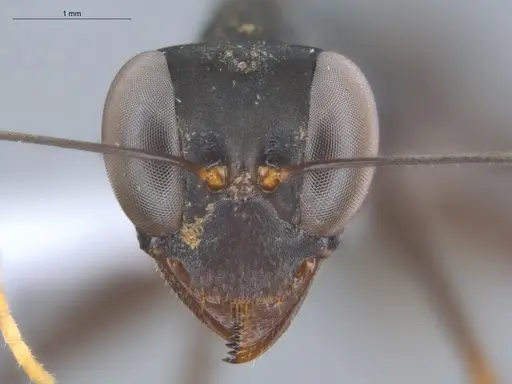
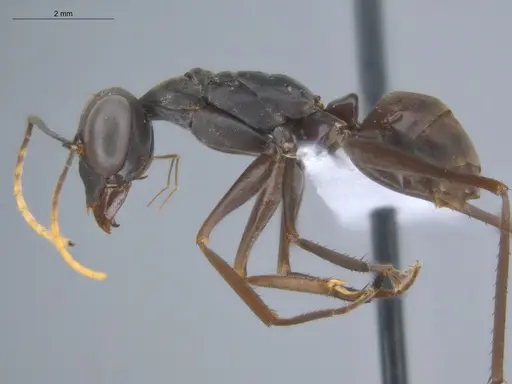
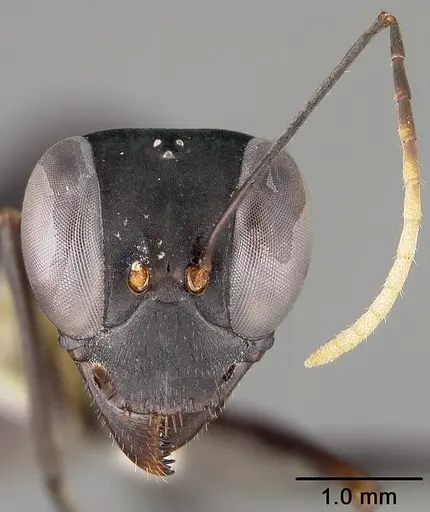
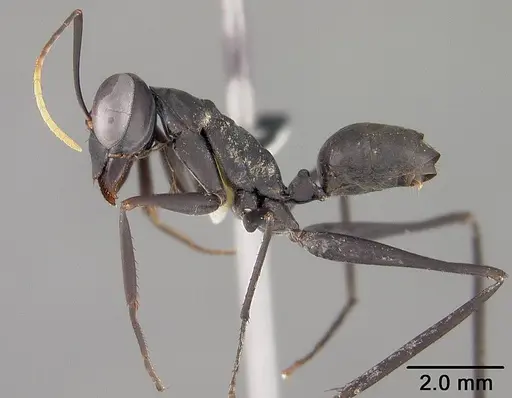
Gigantiops destructor is a remarkable tropical ant native to the northern South American rainforests. Workers are large (9-10mm) with the largest eyes of any ant species, their enormous eyes extend from the clypeal border to the posterior margin of the head, giving them exceptional vision for hunting prey [1]. They have distinctive yellow-tipped antennae and are jet black with reddish legs. Unlike most ants, these are solitary foragers that never recruit nestmates, each ant hunts alone and will even fight with nestmates over prey [2]. They are famous for their jumping ability when escaping predators and their advanced cognitive abilities, being able to learn complex routes and geometric concepts. Colonies are polydomous, meaning they maintain multiple interconnected nests spanning large areas [3].
Quick Summary
- Difficulty: Medium
- Origin & Habitat: Northern South America, Brazil, Colombia, Ecuador, French Guiana, Guyana, Peru, Suriname, Venezuela. Found in tropical rainforests, primarily at forest edges and along stream banks [4].
- Colony Type: Monogyne (single queen per nest) with polydomous colony structure, one colony can span ~100m² with 7 interconnected nests containing 500-600 workers [3].
- Colony: Monogyne
- Size & Growth:
- Queen: ~10-11mm (5 lines) [2]
- Worker: 9-10mm [5][2]
- Colony: Several hundred to over 1000 workers [2][3]
- Growth: Moderate
- Development: Unknown, no direct development data available. Based on related Formicinae species, expect 6-10 weeks at tropical temperatures. (Development time is unconfirmed for this species. Related tropical Formicinae typically develop in 6-8 weeks at optimal temperatures.)
- Antkeeping:
- Temperature: Keep at 24-28°C. As a tropical species, they need warm conditions year-round [4]. Room temperature within this range works well, otherwise use a heating cable on one side of the nest.
- Humidity: Keep substrate consistently moist but not waterlogged. These rainforest ants need high humidity, aim for 70-80% relative humidity. Mist occasionally and provide a water tube.
- Diapause: No, as a tropical species, they do not hibernate. Maintain warm temperatures year-round [2].
- Nesting: In the wild, they nest in pre-existing cavities in the ground (62.5%) or in hollowed Cecropia tree internodes (37.5%) at 15-20cm depth [3]. For captivity, a Y-tong nest or plaster nest with moist substrate works well. Provide a guard chamber near the entrance.
- Behavior: Gigantiops destructor is a diurnal, visually-oriented predator. Workers forage solitarily during the day with peak activity between 9:30 and 11:30 [2]. They detect prey visually and chase it down, jumping on their target. Despite their large size and excellent vision, they are not aggressive, their only defense is fleeing by running and jumping away [2]. They do not use chemical trails or recruit nestmates. They are excellent swimmers, among the fastest canopy ants tested at over 16cm/s [6]. Escape prevention should be good but they are not strong climbers, standard barriers are usually sufficient. They are sensitive to light and vibrations, which can cause them to flee.
- Common Issues: sensitive to light and vibrations, keep in a quiet, shaded location, no recruitment means you cannot concentrate food, scattered feeding required, solitary foraging means competition with nestmates over prey is normal, slow colony growth, don't overfeed or disturb founding colonies, wild-caught colonies may have parasites that kill them in captivity
Housing and Nest Setup
Gigantiops destructor is a ground-nesting ant that naturally nests in pre-existing cavities in soil or in hollowed Cecropia tree internodes [3]. For captivity, a Y-tong (acrylic) nest or plaster nest works well. The nest should have chambers scaled to their large worker size (9-10mm), with a guard chamber near the entrance since workers often station themselves at nest openings in the wild [3]. Keep the nest substrate consistently moist, these rainforest ants need humidity levels around 70-80%. Provide a water tube for drinking and humidity. Place the nest in a quiet location away from direct sunlight and vibrations, as they are sensitive to light and movement. The outworld should be simple with minimal decorations since they are solitary foragers that don't need complex terrain.
Feeding and Diet
In the wild, Gigantiops destructor is a generalist predator that feeds on various small arthropods including termites, other ants (Pseudomyrmex, Crematogaster), flies (Chironomidae, Drosophilidae, Phoridae, Dolichopodidae), cockroaches, and caterpillars [3]. They also collect extrafloral nectar from plants like Mimosaceae and Passifloraceae [3]. In captivity, offer live prey appropriate to their size, small crickets, fruit flies, mealworms, and other small insects. They accept diluted honey or sugar water occasionally [3]. Feed protein (live prey) 2-3 times per week and provide a constant sugar source. Important: they do NOT recruit nestmates, so scatter food around the outworld rather than placing it in one spot. They will eat prey on site and may fight with nestmates over prey, this is normal behavior.
Temperature and Seasonal Care
As a tropical ant from northern South America, Gigantiops destructor requires warm temperatures year-round. Keep the nest area at 24-28°C [4]. They do not undergo hibernation or diapause, maintaining consistent warmth is essential. Room temperature in this range is ideal, otherwise, use a heating cable on one side of the nest to create a gentle gradient. Avoid temperatures below 22°C for extended periods. They are strictly diurnal with peak foraging activity between 9:30 and 11:30 in the wild [2], so provide a regular day/night cycle. No special winter care is needed since they don't experience cold winters in their natural habitat.
Behavior and Cognition
Gigantiops destructor is one of the most cognitively advanced ant species studied. Workers forage solitarily and do not use chemical trails, each ant navigates independently using visual landmarks and memory [7]. They can travel up to 20 meters through rainforest following learned routes [7]. Research shows they can learn sensorimotor sequences, understand geometric concepts, and even demonstrate abstract pattern learning [8]. Each ant develops individually distinctive landmark routes, they 'slalom' around landmarks in their own unique way [4]. They are also excellent swimmers, capable of speeds exceeding 16 cm/s [6]. Despite their large size and impressive abilities, they are not aggressive, their only defense is fleeing by running and jumping away when threatened [2]. They will hide rather than fight.
Colony Structure and Social Organization
Gigantiops destructor has an unusual colony structure. Colonies are monogyne (single queen per nest) but polydomous (multiple nests connected together) [3]. One studied colony covered approximately 100m² with 7 interconnected nests containing 576 workers [3]. Workers transport brood and adults between nests. There is no aggression between nests belonging to the same colony, 100% non-aggression was observed in behavioral tests [3]. Each nest contains only one queen with an average of 46.6 ± 16.1 workers, while queenless nests have 44.3 ± 29.3 workers [3]. This is a highly unusual social structure among ants, extremely solitary foraging combined with polydomous nesting.
Frequently Asked Questions
How long does it take for Gigantiops destructor to produce first workers?
The exact egg-to-worker development time is unconfirmed for this species. Based on related tropical Formicinae, expect 6-10 weeks at optimal tropical temperatures (24-28°C). Patience is essential as colony growth is moderate.
Can I keep multiple queens together?
No. Gigantiops destructor is monogyne, each nest has only one queen. However, colonies are polydomous, meaning one colony can have multiple nests connected together. In captivity, start with a single queen claustral founding.
Why don't my Gigantiops recruit to food?
This is normal behavior. Gigantiops destructor is a solitary forager that never recruits nestmates. Each ant forages independently and will even fight with nestmates over prey [2]. Scatter food around the outworld rather than concentrating it.
Are Gigantiops destructor good for beginners?
They are intermediate difficulty. While not overly demanding, they require warm tropical conditions, live prey feeding, and sensitivity to light/vibrations makes them less forgiving than some species. They are fascinating to watch but not ideal for complete beginners.
How big do Gigantiops destructor colonies get?
Colonies can reach over 1000 workers in the wild [2]. In captivity, expect several hundred workers with proper care over several years.
Do I need to hibernate Gigantiops destructor?
No. As a tropical species from northern South America, they do not require hibernation. Keep them warm year-round at 24-28°C.
Why is my Gigantiops destructor hiding?
This is normal behavior. They are non-aggressive ants that hide and flee when threatened. They are sensitive to light and vibrations, provide a quiet, shaded location and avoid disturbing them. They may hide during observation but will emerge when calm.
What makes Gigantiops destructor special compared to other ants?
They have the largest eyes of any ant species (0.71mm² with 4137 ommatidia) [1], making them exceptional visual hunters. They can learn complex routes up to 20m, demonstrate abstract pattern learning, and are among the fastest swimming ants [6]. Their completely solitary foraging with no recruitment is highly unusual for eusocial insects.
References

This caresheet is licensed under CC BY-SA 4.0 .
CASENT0006124
View on AntWeb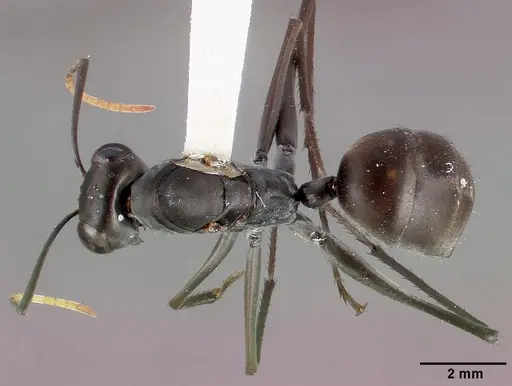
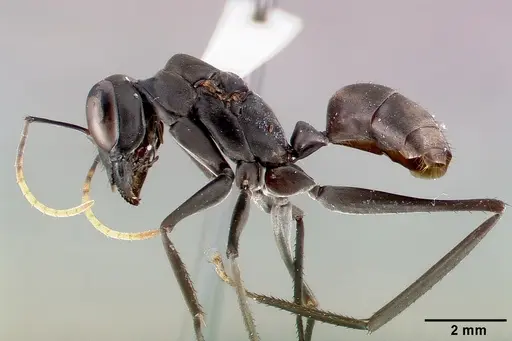
CASENT0103316
View on AntWeb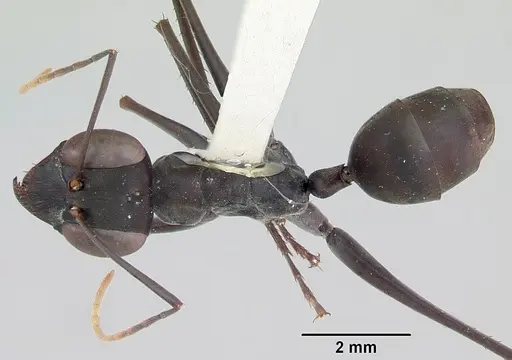
CASENT0106169
View on AntWeb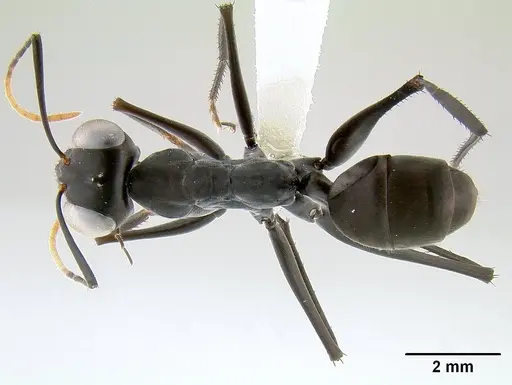
CASENT0217329
View on AntWeb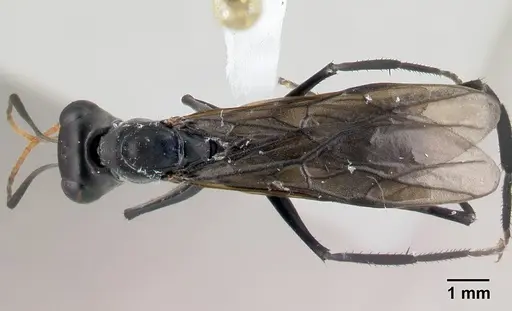
CASENT0217330
View on AntWeb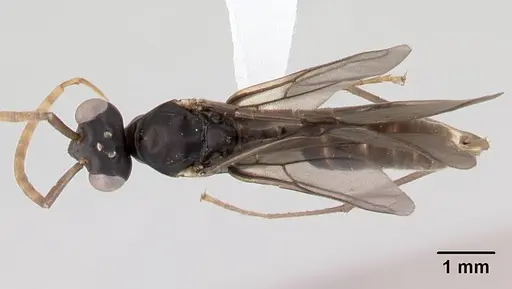
CASENT0217331
View on AntWeb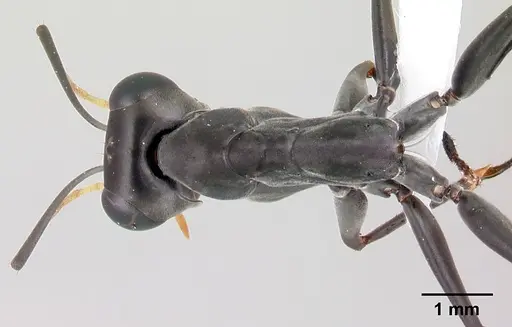
CASENT0280427
View on AntWeb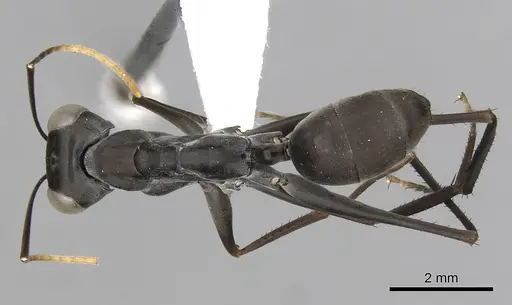
CASENT0370962
View on AntWeb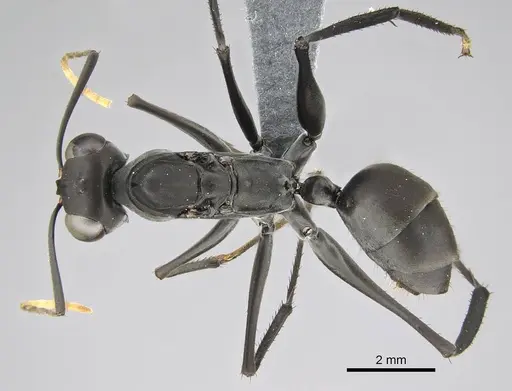
CASENT0903259
View on AntWeb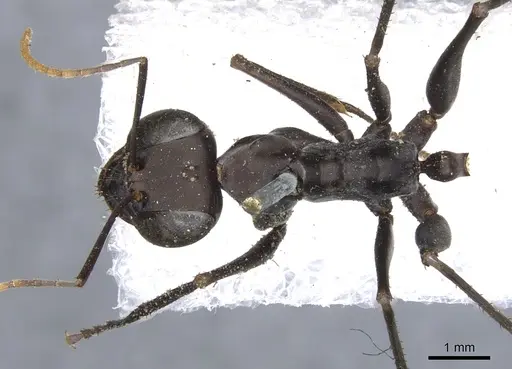
ECOFOG-MI15-0253-14
View on AntWeb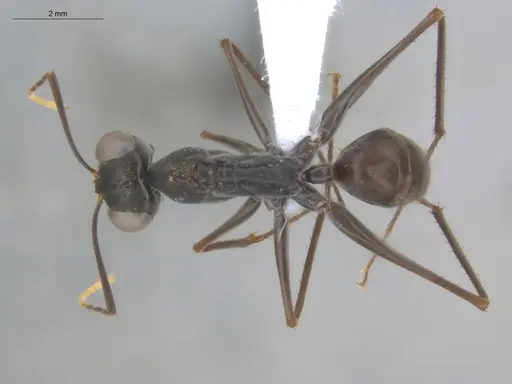
USNMENT00418379
View on AntWeb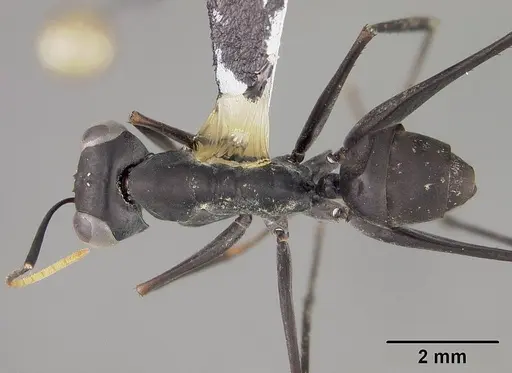
Literature
Loading...Loading products...