

Gesomyrmex chaperi
- Scientific Name
- Gesomyrmex chaperi
- Tribe
- Gesomyrmecini
- Subfamily
- Formicinae
- Author
- André, 1892
- Distribution
- Found in 2 countries
Gesomyrmex chaperi Overview
Gesomyrmex chaperi is an ant species of the genus Gesomyrmex. It is primarily documented in 2 countries , including Indonesia, Malaysia. Detailed taxonomic data and occurrence records can be further explored via authoritative databases such as AntWeb or the Global Biodiversity Information Facility (GBIF).
Gesomyrmex chaperi
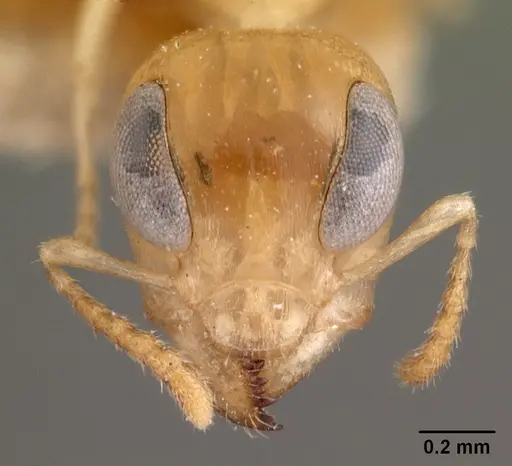
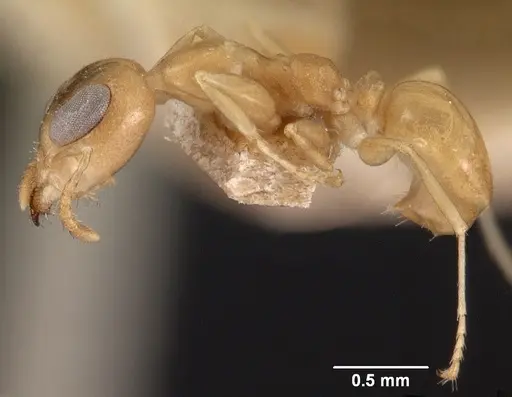
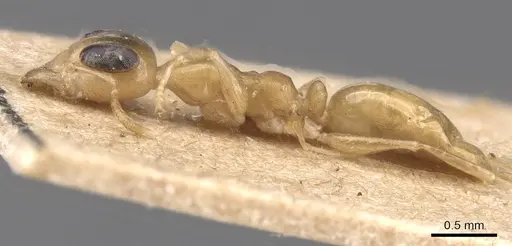
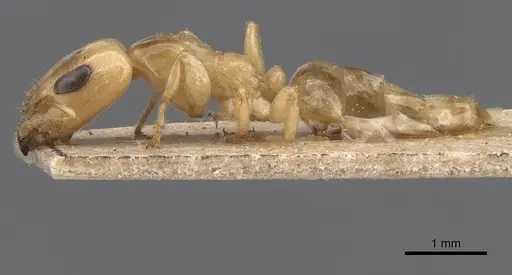
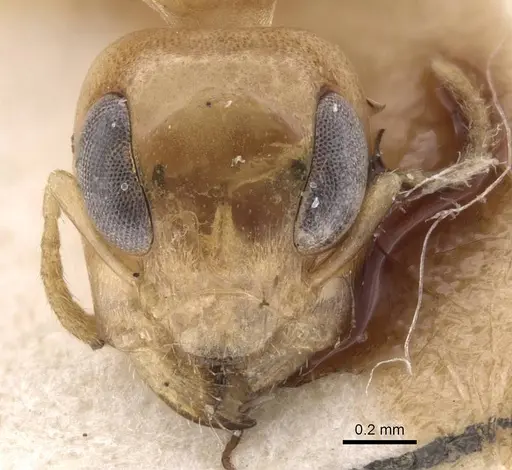
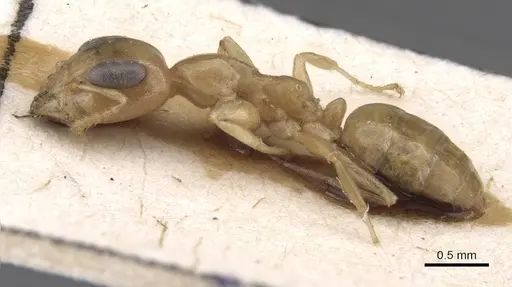
Gesomyrmex chaperi is a rare and fascinating arboreal ant from the rainforests of Southeast Asia, known for its extraordinary polymorphism. Workers measure 3.4-3.7mm and have unusually large eyes and sharp, piercing mandibles that make them agile hunters [1]. The species is polydomous, colonies live in multiple connected nests within the heartwood of living tree branches, with a single queen laying eggs in one nest while workers occupy others [1]. This ant is a living fossil, Gesomyrmex fossils are known from 40 million years ago, and the genus has remained virtually unchanged since the Eocene, making it a window into ancient ant evolution [2][1].
Quick Summary
- Difficulty: Expert
- Origin & Habitat: Southeast Asian rainforests, Borneo, Cambodia, Indonesia, Malaysia, Philippines, Thailand, Vietnam, southern China [1][3]. Nests in the heartwood of living tree branches, specifically the soft pith inside small diameter branches (3-8cm).
- Colony Type: Polydomous colonies (multiple connected nests) with a single reproductive queen in one nest. Colonies contain three female castes: workers, soldiers, and supersoldiers. Supersoldiers constitute roughly 10% of female adults and appear to serve specialized roles in nest maintenance and defense [1].
- Colony: Monogyne
- Founding: Claustral
- Size & Growth:
- Queen: Approximately 9mm (based on related G. luzonensis) [1]
- Worker: 3.4-3.7mm (minor workers) [1]
- Colony: Up to 175+ workers in well-established colonies [1]
- Growth: Moderate, claustral founding allows queens to raise first workers alone using stored reserves [1]
- Development: Estimated 6-10 weeks based on typical Formicinae development at tropical temperatures (Development time is estimated as this specific species has not been directly studied. Queens must chew through up to 1cm of healthy wood to found a nest, which may affect early colony development.)
- Antkeeping:
- Temperature: Tropical species requiring warm conditions. Keep around 24-28°C with a gentle gradient. These are megathermal ants adapted to warm, humid forest environments [2].
- Humidity: High humidity is essential, they naturally live inside living wood with consistent moisture. Keep nest substrate consistently moist but not waterlogged. Aim for 70-85% relative humidity.
- Diapause: No, as a tropical species, they do not require hibernation. Maintain consistent warm temperatures year-round.
- Nesting: Arboreal nesting requires a setup that mimics tree branch interiors. Y-tong (AAC) nests work well, or a naturalistic setup with cork or wood branches. The nest must allow for narrow chambers (2.5-3mm entrance diameter) that supersoldiers can block with their heads. Provide a water tube for humidity.
- Behavior: Workers are primarily diurnal and only active during strong sunshine, they forage in the tree canopy and have been observed catching winged insects [1]. Soldiers patrol the bark surface, while supersoldiers remain inside the nest with their heads blocking the entrance, presumably for defense [1]. Workers have large compound eyes relative to their head size, suggesting visual hunting is important. All castes have functional eyes but workers rely most heavily on vision. They are not aggressive toward keepers but their piercing mandibles can give a noticeable nip. Escape prevention is important, while not tiny, they are agile and will explore for gaps.
- Common Issues: Polydomous colonies are difficult to replicate in captivity, wild colonies span multiple nest chambers in tree branches, Supersoldiers blocking nest entrances can make observation difficult and may stress the colony if the nest is too small, Tropical humidity requirements can lead to mold problems if ventilation is poor, Limited availability in the antkeeping hobby, this is not a species you'll find at pet stores, Queens must chew through wood to found nests, captive colonies may need supplemental help establishing in appropriate nesting material
Understanding the Caste System
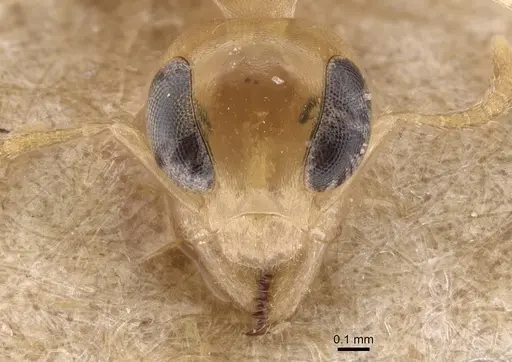
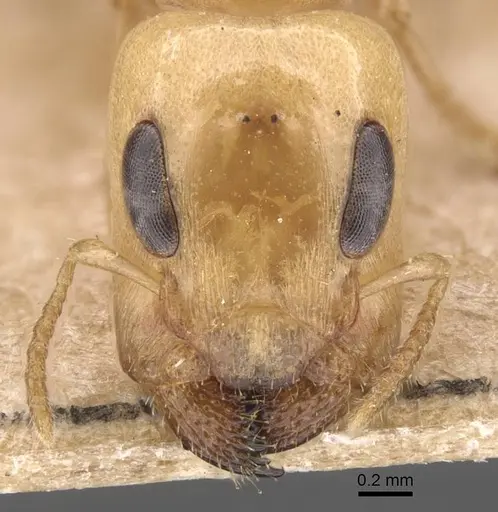
Gesomyrmex chaperi has one of the most complex caste systems in the ant world. The three female castes are dramatically different in size and function. Workers (3.4-3.7mm) have triangular heads, large eyes for hunting, and elongated mandibles with sharp teeth [1]. Soldiers (4.1-4.5mm) have larger, more robust heads and mandibles. Supersoldiers (5.5-6.0mm) are the most distinctive, they have rectangular heads similar to queens, large mandibles, and frontal lobes that protect their antennae [1]. Both supersoldiers and queens share morphological features that workers lack, including the ability to block nest entrances with their heads (a behavior called phragmosis). Males are also present in colonies. This polymorphism is thought to be ancient, Gesomyrmex fossils from 40 million years ago already show soldier-like castes [1]. For keepers, this means providing chambers of varying sizes to accommodate all castes comfortably.
Nesting Requirements
In the wild, Gesomyrmex chaperi nests exclusively inside living tree branches, specifically the soft pith at the center. Workers chew entrance holes (2.5-2.7mm diameter) through the bark and wood, creating narrow tunnels that lead to a chamber in the heartwood [1]. This is a critical aspect of their care, they need nesting material they can actually chew. Cork, soft wood, or the Y-tong (AAC) format with appropriate chambers work well. The entrance must be small enough that supersoldiers can block it with their heads, this is their natural defense mechanism. Provide multiple connected chambers to mimic their polydomous wild colonies. The nest should be positioned horizontally or at a slight angle, as they naturally nest in branches.
Feeding and Diet
Gesomyrmex chaperi workers are predators with large eyes and piercing mandibles, they actively hunt small insects in the canopy [1]. In captivity, offer small live prey such as fruit flies, small crickets, and other tiny insects. The research shows they accept sweet foods too, when fed sugar water with red dye, workers had red in their guts within an hour, and some soldiers had completely red gasters [1]. This suggests they can supplement their diet with sugar sources. Offer a mix of protein (live insects) and sugar water or honey. Feed small amounts regularly, these are active foragers that need consistent nutrition.
Temperature and Humidity
As a tropical megathermal ant from Southeast Asian rainforests, Gesomyrmex chaperi requires warm and humid conditions [2]. Keep temperatures in the range of 24-28°C, avoiding any prolonged drops below 22°C. A heating cable on one side of the nest can create a gentle gradient. Humidity should be high, aim for 70-85% relative humidity inside the nest. These ants live inside living wood where moisture is consistent, so use a water tube and check that the nest material doesn't dry out. Good ventilation is important to prevent mold, but avoid strong airflow that dries the nest. The combination of warmth and humidity mimics their natural rainforest canopy habitat.
Colony Structure and Behavior
The polydomous colony structure of G. chaperi is unusual and fascinating. A single queen stays in one nest and lays eggs, while workers occupy multiple nests throughout a tree branch [1]. This means your colony will spread out if given the space, they naturally maintain multiple chambers. The research found no dealate (wingless) queens in ten nests studied, suggesting the queen remains in one location and new queens are produced for dispersal during nuptial flights [1]. Supersoldiers are mostly confined inside nests, with their heads positioned at entrances, they appear to serve as living doorways. Soldiers are more active on the bark surface. Workers are diurnal and only active during strong sunshine in the wild, so they may show similar day-active patterns in captivity. This is not an aggressive species toward humans, but their mandibles can give a noticeable pinch if handled roughly.
Frequently Asked Questions
Is Gesomyrmex chaperi a good species for beginners?
No. This is an expert-level species due to its specific requirements: polydomous colony structure requiring multiple connected chambers, arboreal nesting in wood that must be chewable, high humidity needs, tropical temperature requirements, and the need for live prey. The caste system with supersoldiers also requires understanding their unique role in colony defense. This species is also rarely available in the antkeeping hobby.
How long does it take for the first workers to emerge?
Based on typical Formicinae development at optimal tropical temperatures (around 26°C), expect approximately 6-10 weeks from egg to first worker. This is an estimate since the specific development time for G. chaperi has not been directly studied. The claustral founding means the queen seals herself in and raises the first brood alone using stored fat reserves, so minimal disturbance during this period is important.
Can I keep multiple queens together?
No. While colonies are polydomous (multiple nests), they have a single queen that stays in one nest. The research found only one reproductive queen per colony, with additional alate queens produced for dispersal nuptial flights. Combining unrelated foundress queens has not been documented and is not recommended.
What do Gesomyrmex chaperi ants eat?
They are predators that hunt small insects in the wild. Feed small live prey such as fruit flies, small crickets, and other tiny insects. They also accept sugar sources, honey water or sugar water will be taken. Offer a mix of protein (live insects) 2-3 times per week and constant access to sugar water.
What temperature do they need?
Keep them warm at 24-28°C. As tropical megathermal ants from Southeast Asian rainforests, they need consistent warmth year-round. Avoid temperatures below 22°C for extended periods. A heating cable on part of the nest can help maintain appropriate temperatures.
Do they need hibernation?
No. As a tropical species, they do not require hibernation or winter cooling. Maintain consistent warm temperatures and humidity year-round. This is one of the differences from temperate ant species that need a diapause period.
What type of nest do they need?
They need an arboreal setup that mimics tree branch interiors. Y-tong (AAC) nests work well, or a naturalistic setup with cork/soft wood that they can chew. The entrance holes should be small (2.5-3mm) to allow supersoldiers to block them with their heads. Provide multiple connected chambers to accommodate their polydomous nature.
How big do colonies get?
Well-established colonies can reach 175+ workers, based on field studies [1]. The caste system includes workers, soldiers, and supersoldiers (roughly 10% of female adults). Colonies are polydomous, meaning they naturally spread across multiple nest chambers.
Why are the supersoldiers important?
Supersoldiers are a unique caste that appears to serve specialized functions. They have rectangular heads similar to queens and can block nest entrances with their heads, this is called phragmosis and serves as a living door. Some supersoldiers have swollen gasters and produce trophic eggs to share nutrients with nestmates. They are mostly confined inside the nest and are essential for colony defense and potentially for expanding the colony by chewing new entrance tunnels.
References

This caresheet is licensed under CC BY-SA 4.0 .
CASENT0102086
View on AntWeb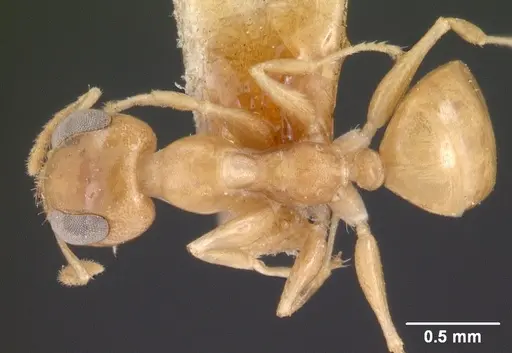
CASENT0913758
View on AntWeb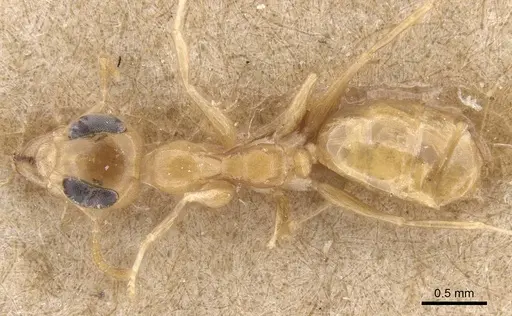
CASENT0913759
View on AntWeb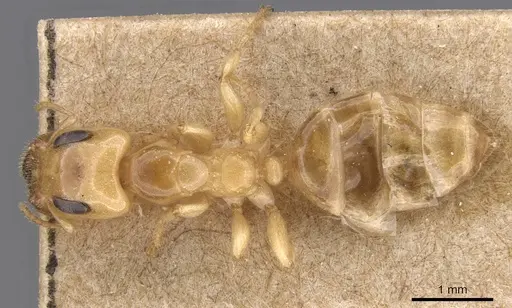
CASENT0913760
View on AntWeb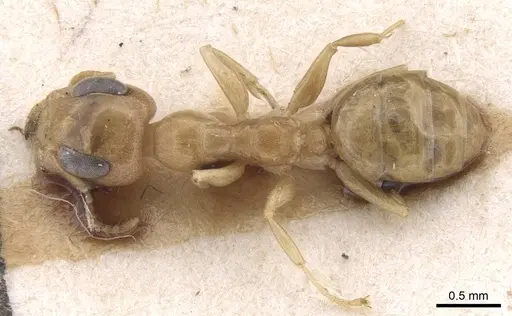
Literature
Loading...Loading products...