

Gauromyrmex bengkalisi
- Scientific Name
- Gauromyrmex bengkalisi
- Tribe
- Crematogastrini
- Subfamily
- Myrmicinae
- Author
- Menozzi, 1933
- Distribution
- Found in 2 countries
Gauromyrmex bengkalisi Overview
Gauromyrmex bengkalisi is an ant species of the genus Gauromyrmex. It is primarily documented in 2 countries , including Indonesia, Malaysia. Detailed taxonomic data and occurrence records can be further explored via authoritative databases such as AntWeb or the Global Biodiversity Information Facility (GBIF).
Gauromyrmex bengkalisi
Gauromyrmex bengkalisi is an extremely rare Myrmicine ant known only from Sumatra and Borneo in the Indomalaya region. Workers are tiny at just 2.2mm total length, with a dark brown body and yellowish-brown clypeus and antennae [1][2]. They nest exclusively in resin trees (Styrax benzoin) in forest habitats, making them one of the most specialized nesting ants in the hobby [3]. This species is so rare that only the worker caste has ever been described, no queens or males are known to science. The genus Gauromyrmex contains only two species, with bengkalisi being separable from its sibling G. acanthinus by its foveolate (pitted) mesopleuron [3].
Quick Summary
- Difficulty: Expert
- Origin & Habitat: Indonesia (Sumatra) and Malaysia (Borneo), endemic to these islands in the Indomalaya region. Nests in forest habitats inside resin trees (Styrax benzoin) [3].
- Colony Type: Unknown, only worker caste has been described. No queen or male specimens exist in scientific collections. Colony structure is completely unconfirmed.
- Size & Growth:
- Queen: Unknown, queen caste has never been described [3]
- Worker: 2.22mm total length (HL 0.52mm, HW 0.51mm) [1][2]
- Colony: Unknown, no colony size data exists
- Growth: Unknown, no development data available
- Development: Unknown, no development studies exist for this species (No data whatsoever on brood development. Related Crematogastrini species typically take 4-8 weeks at optimal temperatures, but this is pure speculation for G. bengkalisi)
- Antkeeping:
- Temperature: Likely 24-28°C based on tropical forest origin, no direct data exists. Start in this range and observe colony activity.
- Humidity: Likely requires high humidity (70-80%) given nesting in resin trees of damp forest habitats, no direct data exists.
- Diapause: Unknown, tropical species may not require formal hibernation but may have seasonal activity patterns
- Nesting: Natural nesting is inside resin trees (Styrax benzoin). In captivity, a small acrylic or plaster nest with very tight chambers scaled to their tiny 2mm workers would be essential. High humidity is critical.
- Behavior: Completely unstudied in captivity. Based on genus placement in Crematogastrini (which includes Crematogaster), they likely have moderate activity levels and may be arboreal/nesting in elevated locations. Escape prevention is critical due to their tiny 2mm size, standard fine mesh barriers are mandatory. Sting capability is unknown but likely minimal given their size.
- Common Issues: This species is virtually unknown in captivity, no established husbandry protocols exist, Only worker caste described, obtaining a queen for colony founding may be impossible, Tiny size creates extreme escape risk requiring excellent barriers, No information on diet, must experiment cautiously, No development data makes successful colony founding extremely challenging
Why This Species Is Extremely Challenging
Gauromyrmex bengkalisi presents perhaps the greatest challenge of any ant species in the hobby. This is not an exaggeration, the species has been described scientifically only from worker specimens collected in the 1930s, and no queen, male, or colony-level observations have ever been published [1][2]. This means there is zero scientific basis for any husbandry recommendations. You cannot obtain a founding queen because none have ever been documented. Any colony in captivity would have to be wild-caught as a functioning colony, which raises enormous ethical and practical concerns. The species is endemic to only two islands (Sumatra and Borneo), making collection by hobbyists nearly impossible and potentially harmful to wild populations. This species is best appreciated as a scientific curiosity rather than a realistic keeping goal.
Natural History and Distribution
This species is known only from the forests of Sumatra (Indonesia) and Borneo (Malaysia), making it endemic to these islands in the Indomalaya region [1][2]. The original collection was made in the 'Boven-Mandan forests' (now Beringin) on Sumatra, where nests were found inside 'resin trees', specifically Styrax benzoin, a tree that produces benzoin resin [3]. This is an extremely specialized nesting preference, as most ants nest in soil, rotting wood, or under stones. The resin tree environment suggests these ants prefer humid, forested microhabitats with access to tree cavities. The species was originally described by Menozzi in 1933 from worker specimens, and has remained virtually unknown to science ever since [3].
Identification and Morphology
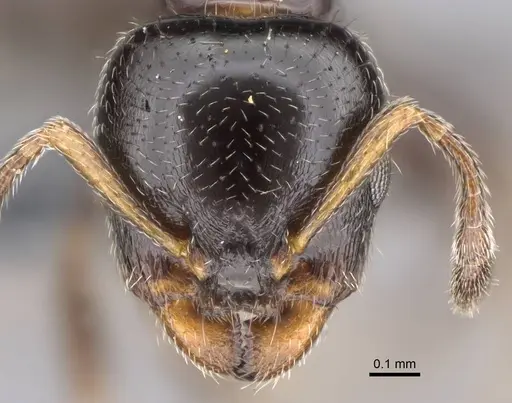
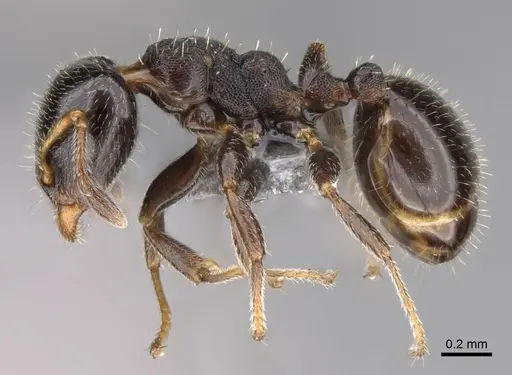
Workers measure just 2.22mm total length, making them among the smallest ants in the Myrmicinae subfamily [1]. The head is slightly longer than broad with a weakly concave posterior margin. Eyes are medium-sized and located slightly forward of the head's midpoint. The antenna has 12 segments with a short scape that does not reach the posterior head margin. The mandibles have 6 teeth. The mesosoma is distinctive in having an unarmed propodeum (no spines) with a steep declivity about twice as long as the dorsum. The petiole lacks a subpetiolar process, which is unusual in this tribe. Body color is dark brown with a yellowish-brown clypeus and antennae. Sculpture is a mix of smooth and shiny areas on the head and gaster, with punctate-reticulate (net-like pitted) texture on the mesosoma and petiole. The species closely resembles its only congener G. acanthinus, but can be separated by the foveolate (deeply pitted) mesopleuron of bengkalisi versus the relatively smooth mesopleuron of acanthinus [3].
Related Species and Taxonomic Context
Gauromyrmex is a tiny genus containing only two species: G. bengkalisi and G. acanthinus, both restricted to the Indomalaya region [1]. The genus was originally described by Menozzi in 1933,later moved to Vollenhovia by Bolton in 1995,and then returned to Gauromyrmex by Bolton in 2003 [3]. The genus belongs to the tribe Crematogastrini within Myrmicinae, which includes the well-known Crematogaster genus. This tribal placement suggests G. bengkalisi may share some behavioral traits with Crematogaster ants, such as arboreal tendencies and possibly painful stings relative to their tiny size, but this is speculative at best. The extreme rarity of this species, known only from two collections spanning nearly a century, makes any behavioral inferences highly uncertain.
Frequently Asked Questions
Can I keep Gauromyrmex bengkalisi in my ant farm?
No. This species is essentially unavailable to hobbyists. Only worker specimens have ever been described scientifically, meaning no queens exist in captive breeding. The species has never been kept in captivity and no husbandry protocols exist. Even if you could obtain wild-caught workers, they would not form a sustainable colony without a queen.
What do Gauromyrmex bengkalisi eat?
Unknown. No observations of this species' diet exist in scientific literature. Based on tribal placement in Crematogastrini, they likely have varied diets including honeydew and small insects, but this is pure speculation. Do not attempt to keep this species without verified food acceptance data.
How big do Gauromyrmex bengkalisi colonies get?
Unknown. No colony size data exists for this species. The largest Myrmicinae colonies can reach thousands of workers, but tiny species like this often have much smaller colonies. Without any field observations, we cannot estimate maximum colony size.
Do Gauromyrmex bengkalisi ants sting?
Unknown. Their tiny size (2.2mm) means any sting would be extremely mild even if present. Crematogastrini tribe members often have functional stingers, but this has not been documented for G. bengkalisi specifically.
What temperature do Gauromyrmex bengkalisi need?
No specific data exists. As a tropical species from Sumatra and Borneo, they likely require warm conditions (24-28°C). However, without any captive observations, this is only an educated guess based on geographic origin.
Are Gauromyrmex bengkalisi good for beginners?
Absolutely not. This species is among the most difficult ants to keep simply because we know almost nothing about it. There are no queens available, no captive husbandry protocols, and no established breeding. Even expert antkeepers would struggle with this species due to complete lack of baseline data.
Where can I find Gauromyrmex bengkalisi for sale?
Nowhere legitimate. This species is not available in the antkeeping hobby. No breeders offer it because no queens have ever been documented or cultured. Any source claiming to sell this species is either misidentifying another ant or engaging in illegal wildlife trade.
Do Gauromyrmex bengkalisi need hibernation?
Unknown. As a tropical species from near the equator (Sumatra/Borneo), they likely do not experience cold winters that would require hibernation. However, no behavioral or seasonal studies exist to confirm this.
How long do Gauromyrmex bengkalisi live?
Unknown. No lifespan data exists for this or related Gauromyrmex species. Even typical ant lifespans (queen 10-20 years, workers months to years) cannot be confirmed for this species.
Can I catch a queen Gauromyrmex bengkalisi from the wild?
No. Queens of this species have never been scientifically described, meaning we do not know what they look like or where to find them. Additionally, collecting from Sumatra or Borneo would require international travel and potentially violate Indonesian wildlife protection laws. Please do not attempt this.
References

This caresheet is licensed under CC BY-SA 4.0 .
CASENT0172783
View on AntWeb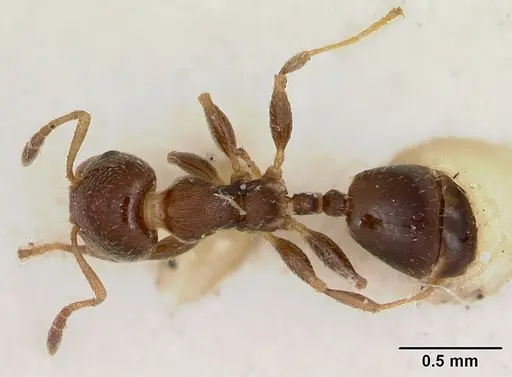
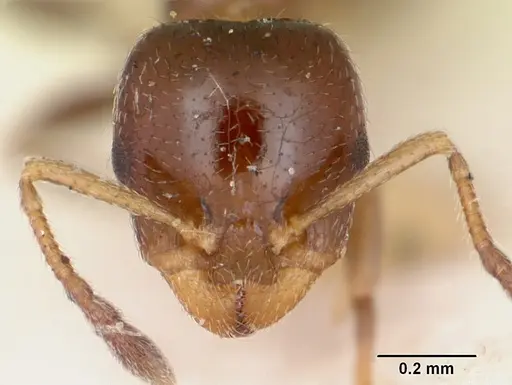
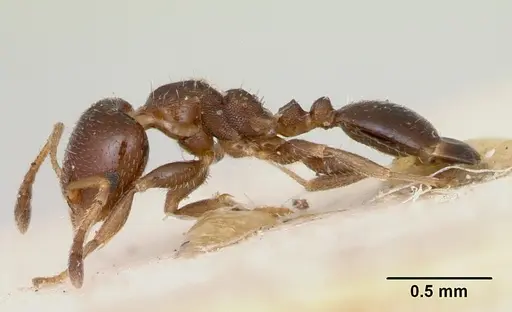
CASENT0807550
View on AntWeb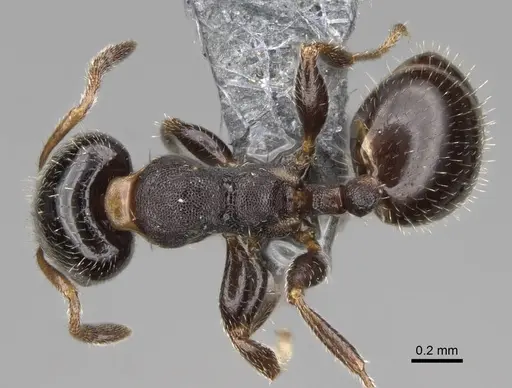
Literature
Loading...Loading products...