

Fulakora saundersi
- Scientific Name
- Fulakora saundersi
- Tribe
- Amblyoponini
- Subfamily
- Amblyoponinae
- Author
- Forel, 1892
- Distribution
- Found in 1 countries
Fulakora saundersi Overview
Fulakora saundersi is an ant species of the genus Fulakora. It is primarily documented in 1 countries , including New Zealand. Detailed taxonomic data and occurrence records can be further explored via authoritative databases such as AntWeb or the Global Biodiversity Information Facility (GBIF).
Fulakora saundersi
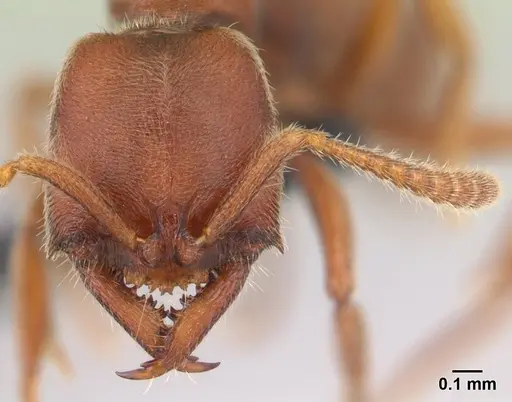
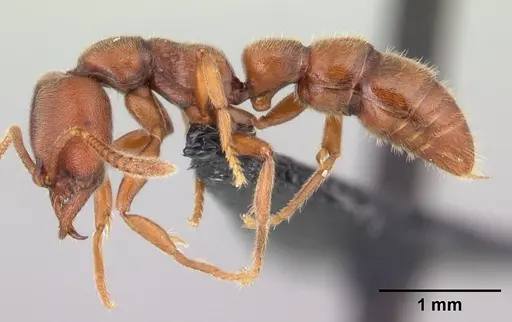
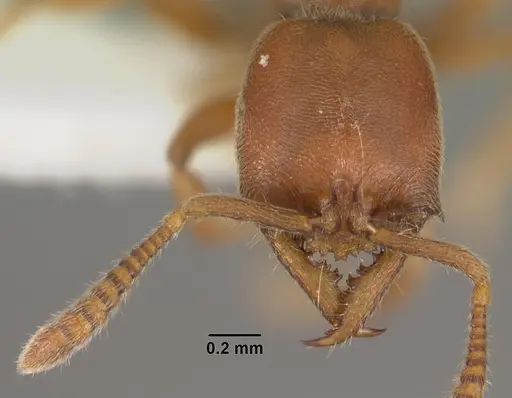
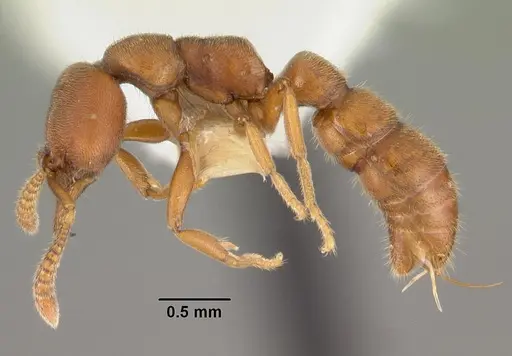
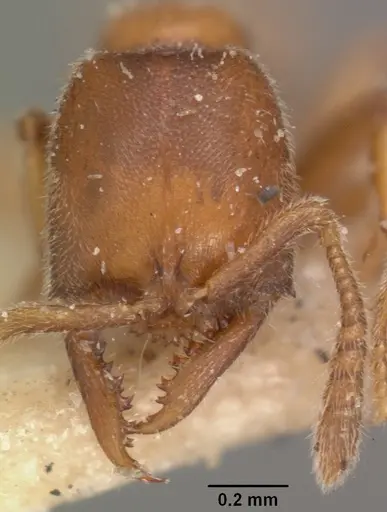
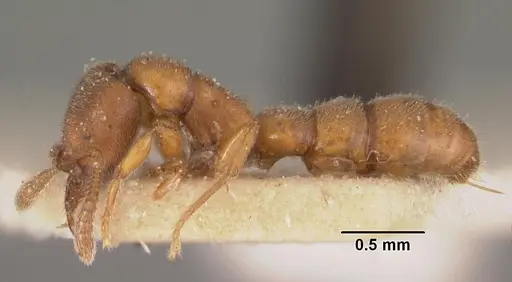
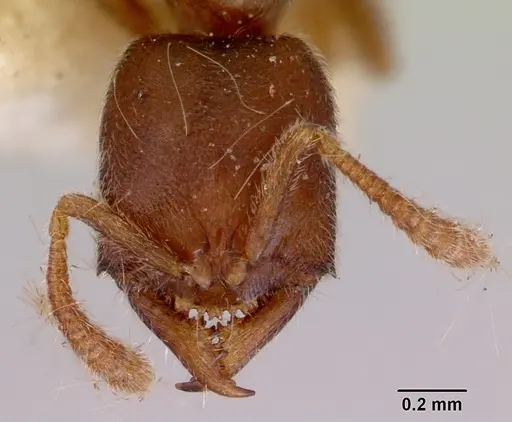
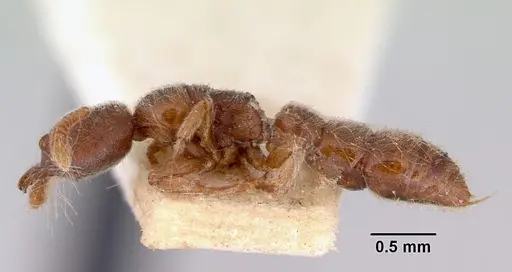
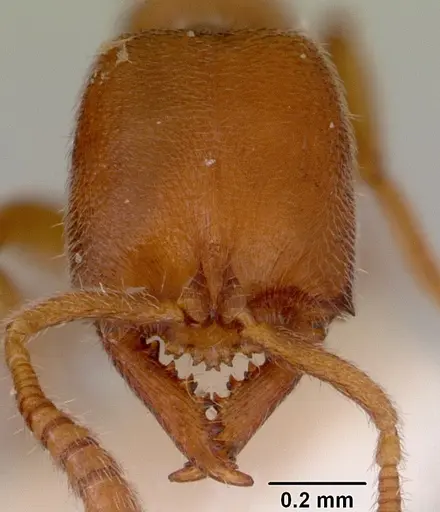
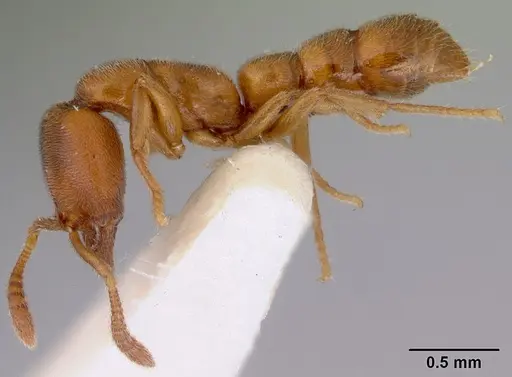
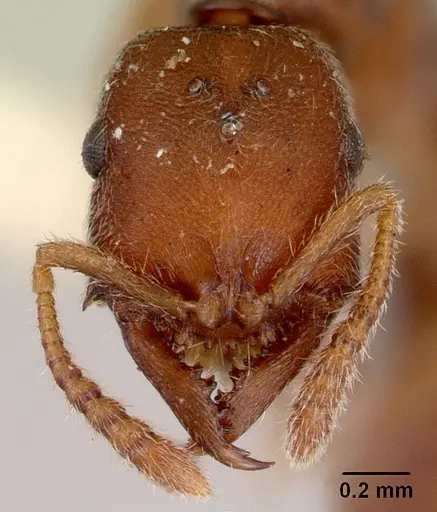
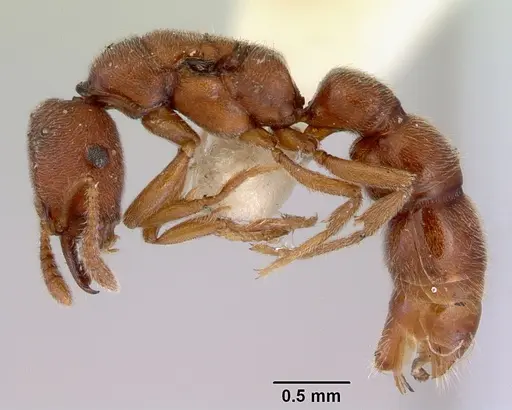
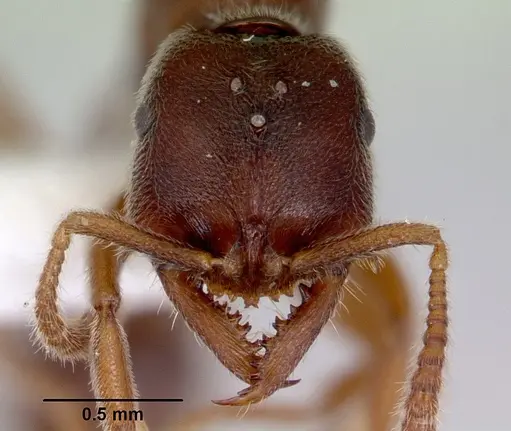
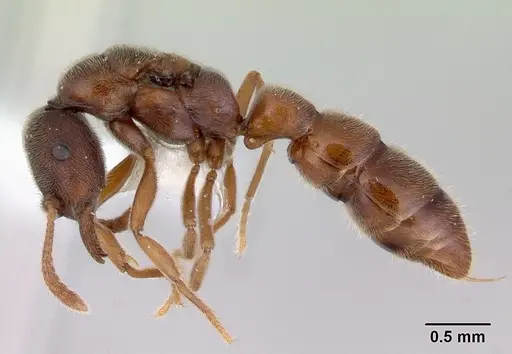
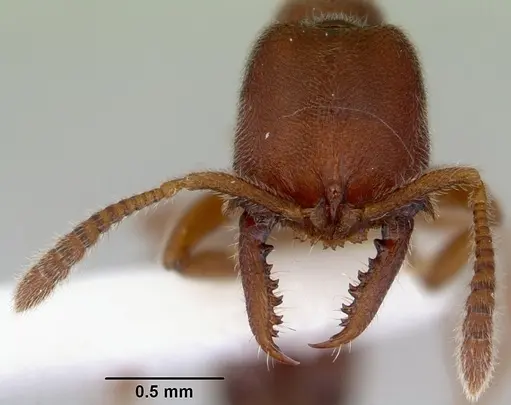
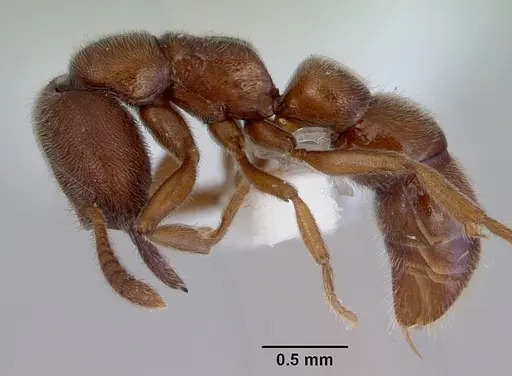
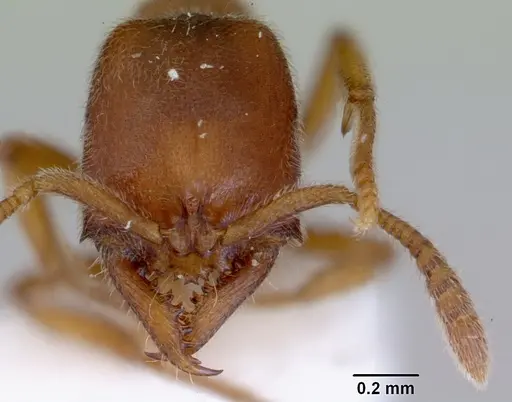
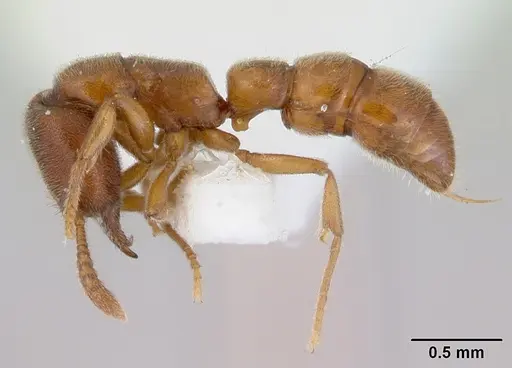
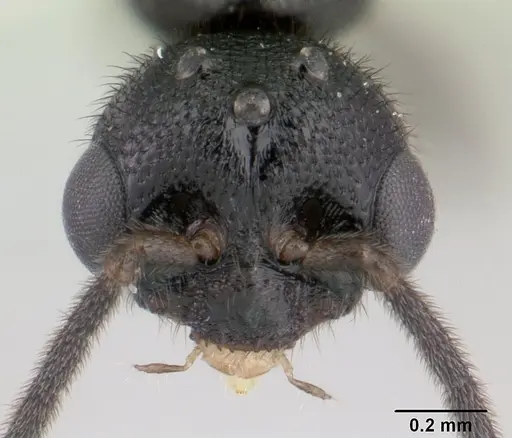
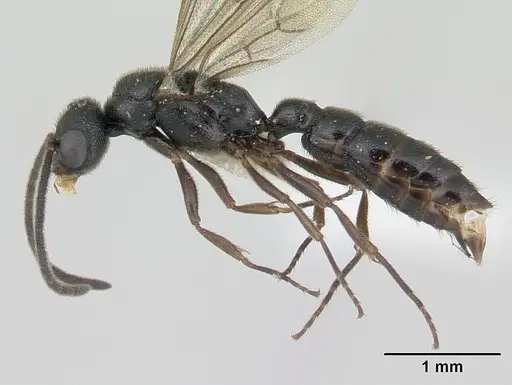
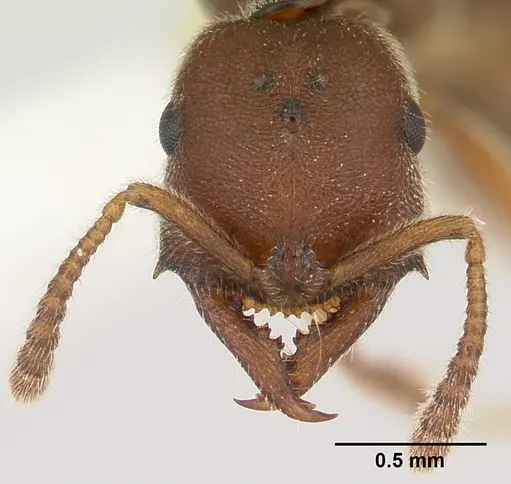
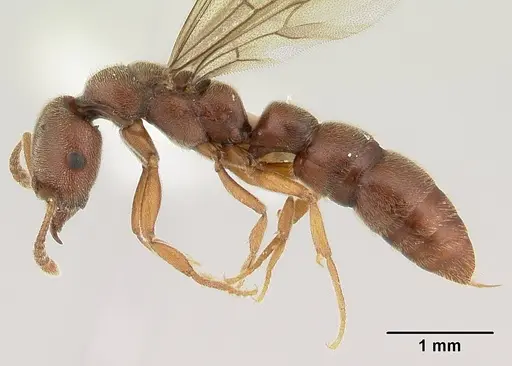
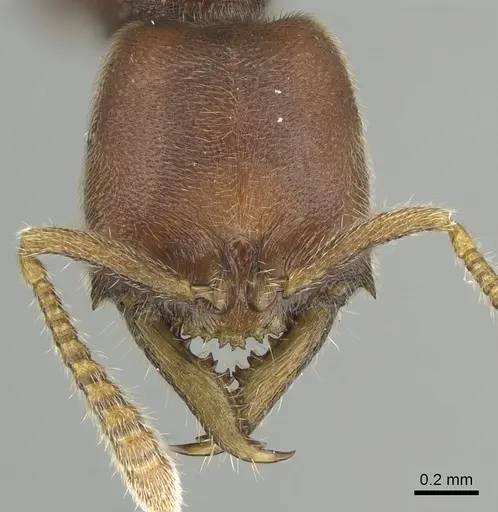
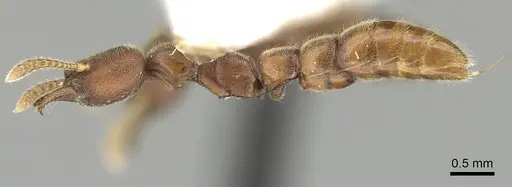
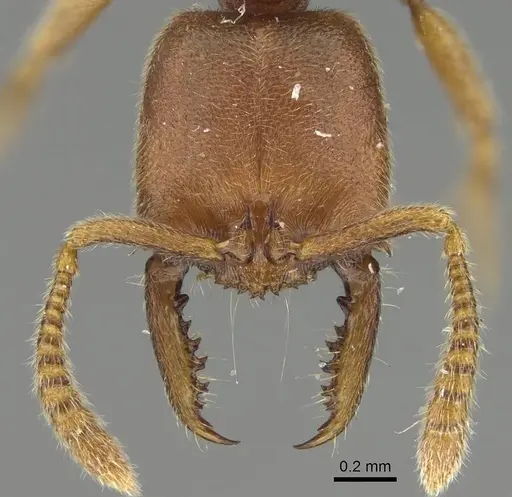
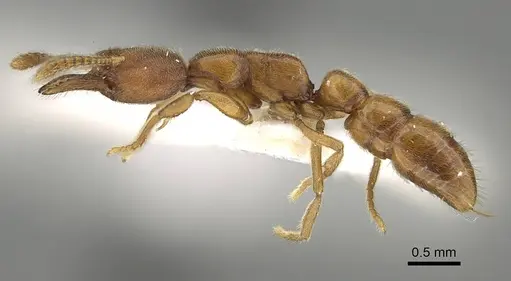
Fulakora saundersi is a small, cryptic ant native to New Zealand, where it lives in cool, damp forest habitats. Workers are slender ants with distinctive long, toothed mandibles used to capture prey. This species belongs to the Amblyoponinae subfamily, commonly called 'dracula ants' because they feed on the hemolymph (blood) of their prey rather than consuming the entire insect. Colonies are small, with typically fewer than 30 workers nesting in tiny cavities under rocks on the forest floor. The species is endemic to New Zealand, found throughout both main islands and offshore islands including the Three Kings and Chatham Islands [1][2].
Quick Summary
- Difficulty: Medium
- Origin & Habitat: Endemic to New Zealand, found throughout the country including North Island, Three Kings Islands, and Chatham Islands. Nests under rocks on the forest floor in damp, shaded habitats [1].
- Colony Type: Likely single-queen colonies based on typical Amblyoponinae patterns. Colonies are small, with up to 30 workers [1].
- Colony: Monogyne
- Founding: Semi-claustral
- Size & Growth:
- Queen: Estimated 5-7mm based on genus patterns, not directly measured for this species
- Worker: Estimated 3-5mm based on genus patterns, not directly measured for this species
- Colony: Up to 30 workers documented in natural nests [1]
- Growth: Unknown, likely moderate like other Amblyoponinae
- Development: Unconfirmed, no direct development data exists for this species. Based on related Amblyoponinae, estimate 6-10 weeks at optimal temperature. (Development timeline has not been directly studied. Estimates based on genus-level patterns.)
- Antkeeping:
- Temperature: Keep around 18-22°C. This species comes from temperate New Zealand forests, so they prefer cooler conditions than most tropical ants. Room temperature is likely suitable [1].
- Humidity: High humidity preferred, think damp forest floor. Keep the nest substrate consistently moist but not waterlogged. Mist occasionally and provide a water tube.
- Diapause: Yes, New Zealand has distinct seasons and this species likely requires a winter rest period. Reduce temperature to around 10-15°C for 2-3 months during winter.
- Nesting: Natural nesting is under rocks on forest floor in small cavities. In captivity, they do well in test tubes with a damp cotton ball, or small acrylic/plaster nests. They prefer tight, enclosed spaces close to the substrate surface.
- Behavior: These are shy, cryptic ants that prefer to stay hidden. Workers are not aggressive and rarely sting. They are predatory, using their long mandibles to capture small invertebrates. Because they are small and secretive, escape prevention is important, they can slip through small gaps. They are primarily nocturnal or crepuscular, foraging at night when humidity is higher.
- Common Issues: small colony size means colonies are fragile and slow to grow, escape prevention is important, their small size allows them to slip through standard barriers, high humidity requirements can lead to mold if ventilation is poor, slow growth may cause keepers to overfeed or disturb the colony too often, wild-caught colonies may be difficult to find due to their cryptic nature and low abundance
Natural History and Distribution
Fulakora saundersi is endemic to New Zealand, meaning it is found nowhere else on Earth. The species occurs throughout both main islands and has been recorded from offshore islands including the Three Kings Islands and Chatham Islands [1]. This wide distribution across New Zealand's various latitudes suggests the species has been established in the region for a very long time, which is supported by the discovery of a related fossil ant from the early Miocene period in New Zealand [1]. In the wild, these ants are found in very low abundance. Survey data shows they are rarely encountered, with only small numbers caught in pitfall traps and litter samples from forest habitats in northern New Zealand [3]. This scarcity makes them a challenging species to find in the wild for those hoping to start a colony.
Nest Preferences and Housing
In their natural habitat, Fulakora saundersi nests in very small cavities housing up to 30 workers, typically found under rocks on the forest floor [1]. They prefer damp, shaded microhabitats with stable humidity. For captive care, a small test tube setup works well, fill one end with a damp cotton ball, leaving the other end dry for the ants to retreat to. Alternatively, a small acrylic nest or plaster nest with a water reservoir works well. The key is maintaining high humidity while ensuring good ventilation to prevent mold. Keep the nest in a cool area away from direct heat sources, these ants prefer temperatures closer to room temperature or slightly below, reflecting their origin in temperate New Zealand forests. Avoid tall, open spaces, they prefer tight chambers close to the substrate surface.
Feeding and Diet
As a member of the Amblyoponinae subfamily, Fulakora saundersi is a predatory ant that hunts small invertebrates. They are called 'dracula ants' because they have a unique feeding behavior: they puncture their prey and drink the hemolymph (the insect equivalent of blood), rather than consuming the entire prey item. In captivity, offer small live prey such as fruit flies, pinhead crickets, small mealworms, and other tiny insects. They likely accept protein sources like chopped insects or commercial ant foods, but live prey is best for simulating their natural hunting behavior. Unlike many ants, they are not particularly interested in sugar or honey water, their diet is primarily predatory. Feed small amounts every few days, removing any uneaten prey to prevent mold. [1]
Temperature and Seasonal Care
Fulakora saundersi comes from temperate New Zealand, so they prefer cooler conditions than most commonly kept ant species. Keep their nest at room temperature, ideally around 18-22°C. They can tolerate temperatures slightly outside this range, but avoid extremes, both excessive heat and cold can be harmful. During the winter months in New Zealand (roughly June-August in the southern hemisphere), this species likely enters a period of reduced activity or diapause. In captivity, you should simulate this by reducing temperatures to around 10-15°C for 2-3 months during winter. This means if you keep these ants in the northern hemisphere, you might consider reducing temperatures during your local winter (roughly December-February). Watch for natural slowing of activity as a signal that dormancy is beginning. [1]
Colony Structure and Behavior
Fulakora saundersi forms small colonies with typically fewer than 30 workers [1]. Based on typical Amblyoponinae behavior, these are likely single-queen colonies. The queen is larger than workers and likely remains hidden in the nest after founding. Workers are slender ants with distinctive long, toothed mandibles that they use to capture prey. They are not aggressive toward keepers and rarely sting, their defense strategy is to hide rather than fight. Workers are primarily nocturnal or crepuscular, foraging at night when conditions are cooler and more humid. In the nest, they maintain a quiet, cryptic existence, you may not see much activity from them during daylight hours. This shy nature means they are best suited for keepers who enjoy observing subtle ant behavior rather than highly active, visible colonies.
Frequently Asked Questions
How long does it take for Fulakora saundersi to produce first workers?
The exact development timeline is unconfirmed for this species. Based on related Amblyoponinae patterns, expect 6-10 weeks from egg to first worker at optimal temperature (around 18-22°C). Patience is key with this species, they are slow growers even by ant standards.
Can I keep multiple Fulakora saundersi queens together?
This is not recommended. Like most Amblyoponinae, they likely form single-queen colonies. Combining unrelated queens has not been documented and would likely result in fighting. If you catch a queen, house her alone until she establishes a colony.
What do Fulakora saundersi eat?
They are predatory ants that hunt small invertebrates. Feed them small live prey like fruit flies, tiny crickets, small mealworms, or other micro-insects. They are not particularly interested in sugar sources. Remove uneaten prey after 24 hours to prevent mold.
Do Fulakora saundersi ants sting?
They have a stinger but are not aggressive and rarely use it. These are shy, cryptic ants that prefer to hide rather than defend actively. The sting, if used, would be very mild due to their small size.
What temperature do Fulakora saundersi need?
Keep them cool compared to tropical ants, around 18-22°C is ideal. They come from temperate New Zealand forests and prefer room temperature or slightly below. Avoid placing their nest near heat sources.
Do Fulakora saundersi need hibernation?
Yes, they likely require a winter rest period. Reduce temperatures to around 10-15°C for 2-3 months during winter. This simulates their natural seasonal cycle in New Zealand.
How big do Fulakora saundersi colonies get?
Colonies remain small, natural nests contain up to 30 workers [1]. Do not expect the large colonies common in species like Lasius or Camponotus. This is a small, cryptic species.
Is Fulakora saundersi good for beginners?
This species is rated as medium difficulty. While not the hardest species to keep, their specific humidity needs, preference for cool temperatures, and slow growth make them better suited for keepers who already have some experience with ant care. Their small colony size and cryptic behavior require patience.
When will Fulakora saundersi alates (reproductives) appear?
The timing of nuptial flights is unconfirmed for this species. Based on New Zealand's climate, flights likely occur during the warmer months (roughly November to February in the southern hemisphere). If you are keeping this species in the northern hemisphere, adjust accordingly.
Why are my Fulakora saundersi dying?
Common causes include: too high temperature (they prefer cool conditions), low humidity (they need damp substrate), mold from poor ventilation, or stress from too much disturbance. Review their housing conditions and make adjustments gradually. Small colonies are fragile, avoid moving or disturbing them frequently.
References

This caresheet is licensed under CC BY-SA 4.0 .
CASENT0006813
View on AntWeb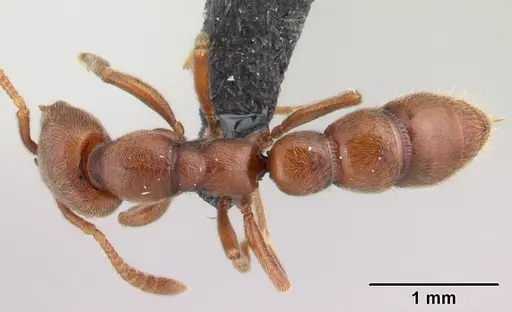
CASENT0102189
View on AntWeb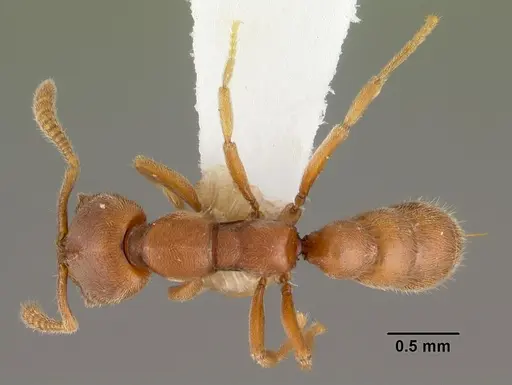
CASENT0102518
View on AntWeb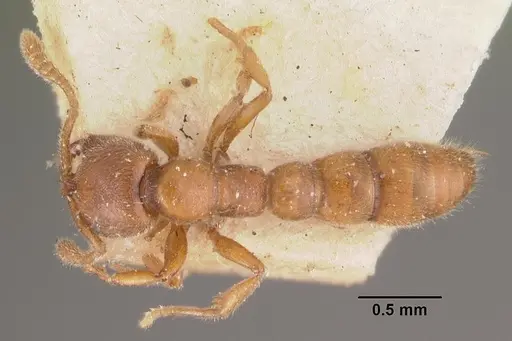
CASENT0172248
View on AntWeb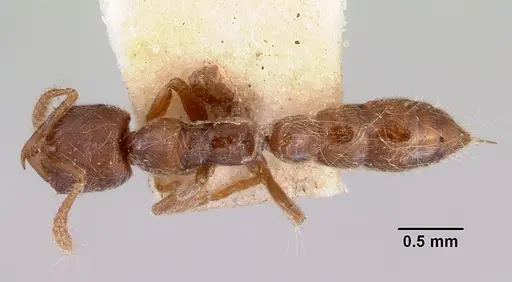
CASENT0172249
View on AntWeb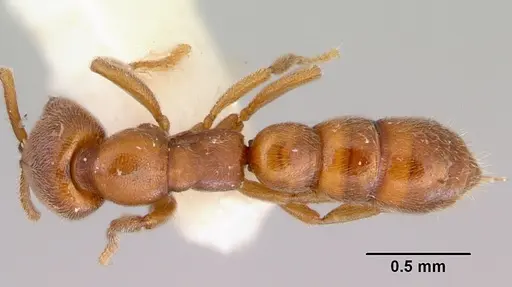
CASENT0172250
View on AntWeb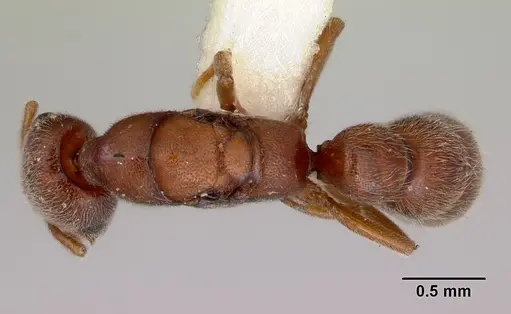
CASENT0172388
View on AntWeb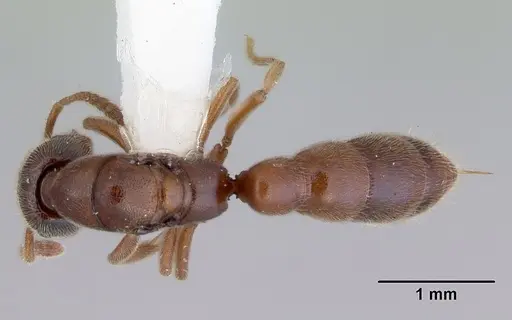
CASENT0172389
View on AntWeb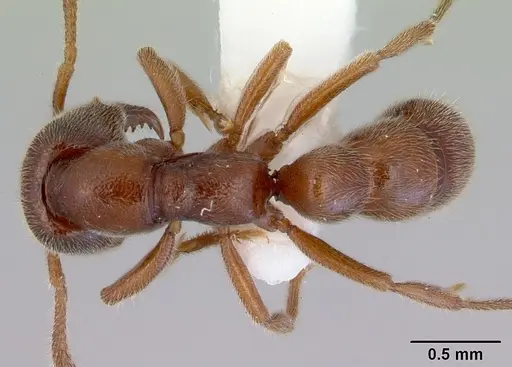
CASENT0172390
View on AntWeb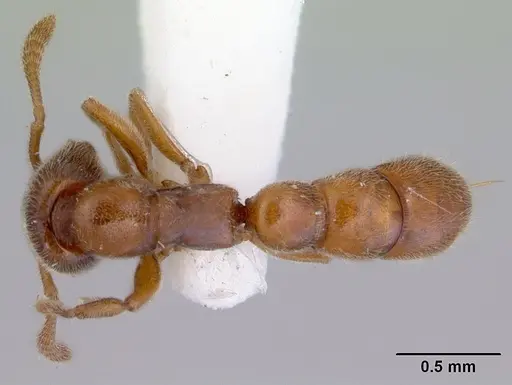
CASENT0178474
View on AntWeb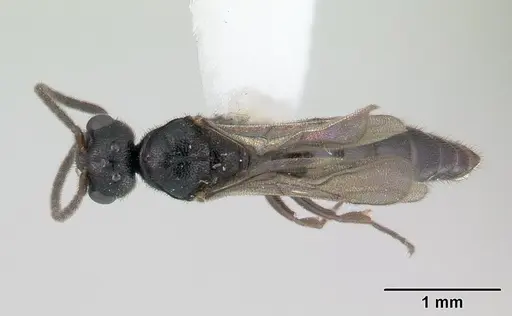
CASENT0178862
View on AntWeb
CASENT0280658
View on AntWeb
CASENT0922071
View on AntWeb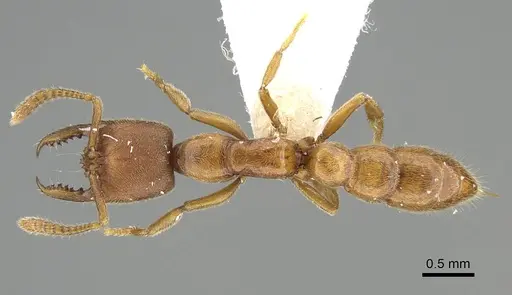
Literature
Loading...Loading products...